Modern international football is no longer about reputation. It is about players who are performing every week at club level and carrying that impact into international matches. The top FIFA-ranked teams are strong collectively, but each still depends on one key player who defines their system, influences results, and delivers consistently under pressure. This blog highlights the World Cup key players that each nation cannot afford to lose based on current form, club performance, and tactical importance.
France – Kylian Mbappé
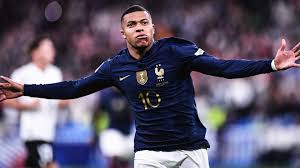
France’s entire attacking system is built around Mbappé. At Real Madrid, he is delivering elite numbers, scoring consistently and performing in big matches. His pace allows France to play direct football, while his finishing ensures maximum output from limited chances. Mbappé stretches defenses, creates space for others, and remains the most dangerous transition player in world football. Without him, France lose their identity in attack and become far less effective going forward. This makes Mbappé one of the World Cup key players.
Spain – Lamine Yamal
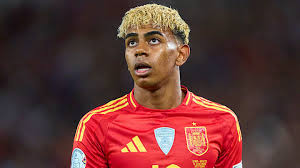
Spain’s attacking transformation is driven by Yamal. At FC Barcelona, he has emerged as a consistent contributor with goals and assists. His ability to take on defenders and create chances adds unpredictability to Spain’s system, which was previously too focused on possession. Yamal brings directness and creativity, making Spain far more dangerous in the final third. Without him, Spain’s attack becomes slower and easier to defend.
Argentina – Emiliano Martínez
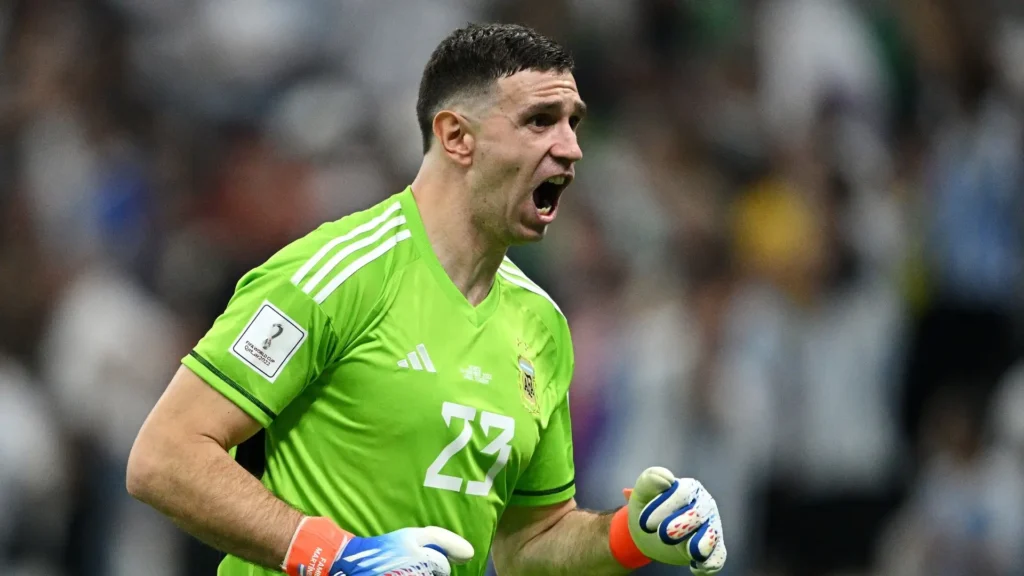
Argentina’s defensive strength is anchored by Martínez. At Aston Villa, he continues to deliver top-level performances with consistent saves and clean sheets. His ability to perform in high-pressure moments makes him one of the most reliable goalkeepers in international football. Argentina rely on his composure and shot-stopping ability, especially in knockout matches. Without Martínez, their defensive stability drops significantly.
England – Harry Kane
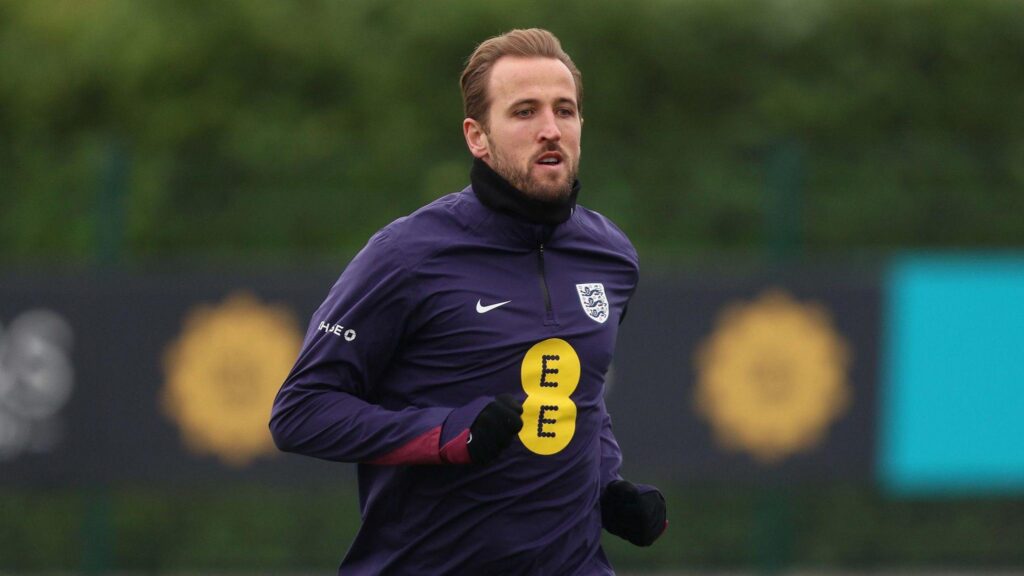
England’s most important player right now is Kane. At Bayern Munich, he is one of the top scorers in Europe, delivering goals consistently while also contributing assists and link-up play. Kane is more than a striker; he is the focal point of England’s attack. His movement, positioning, and finishing make him irreplaceable. Without Kane, England lose their most reliable goal scorer and a key leader in big matches.
Portugal – Bruno Fernandes
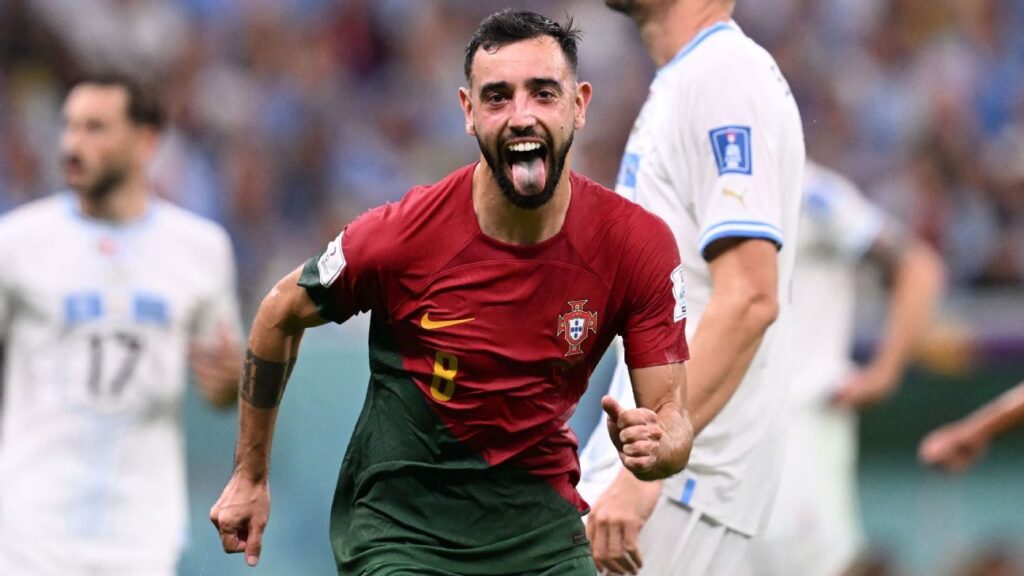
Portugal’s creativity depends on Bruno Fernandes. At Manchester United, he remains one of the most productive midfielders in Europe, leading in chances created and goal contributions. Every attacking move flows through him, whether it is a key pass, a long ball, or a late run into the box. Without Bruno, Portugal lack structure and creativity in attack.
Brazil – Raphinha
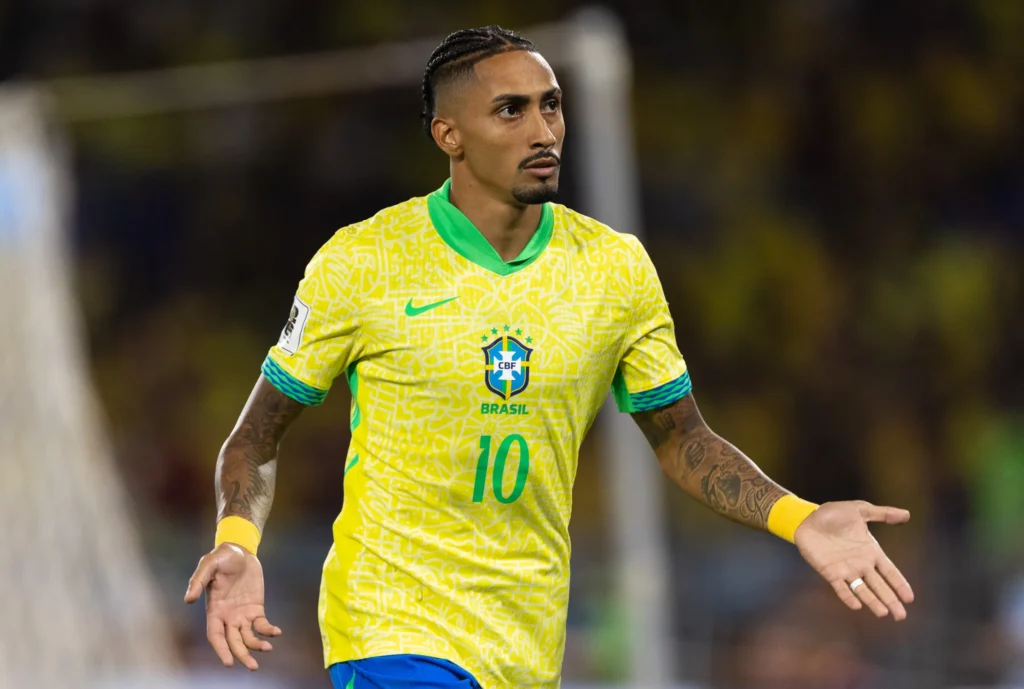
Brazil’s current attacking consistency comes from Raphinha. At FC Barcelona, he has improved significantly, delivering goals and assists regularly. His direct style, pressing, and ability to cut inside make him a constant threat. Brazil rely on him for width and end product. Without Raphinha, their attack loses balance and efficiency.
Netherlands – Virgil van Dijk
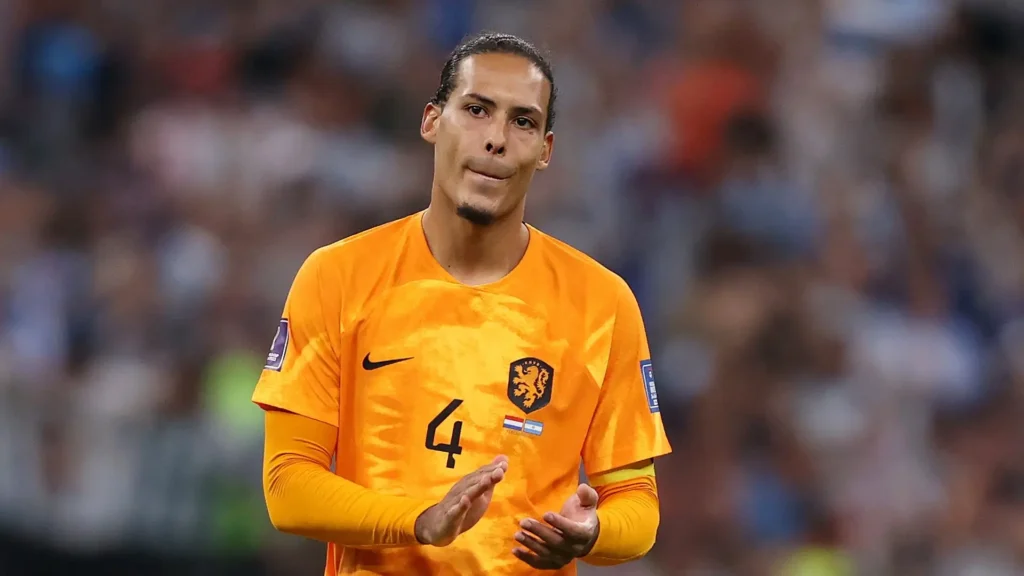
The Netherlands depend on Van Dijk for defensive stability. At Liverpool FC, he continues to lead one of the strongest defensive units in Europe. His leadership, positioning, and aerial dominance make him essential. Without Van Dijk, the Netherlands lose organization at the back and become vulnerable against top teams.
Morocco – Achraf Hakimi
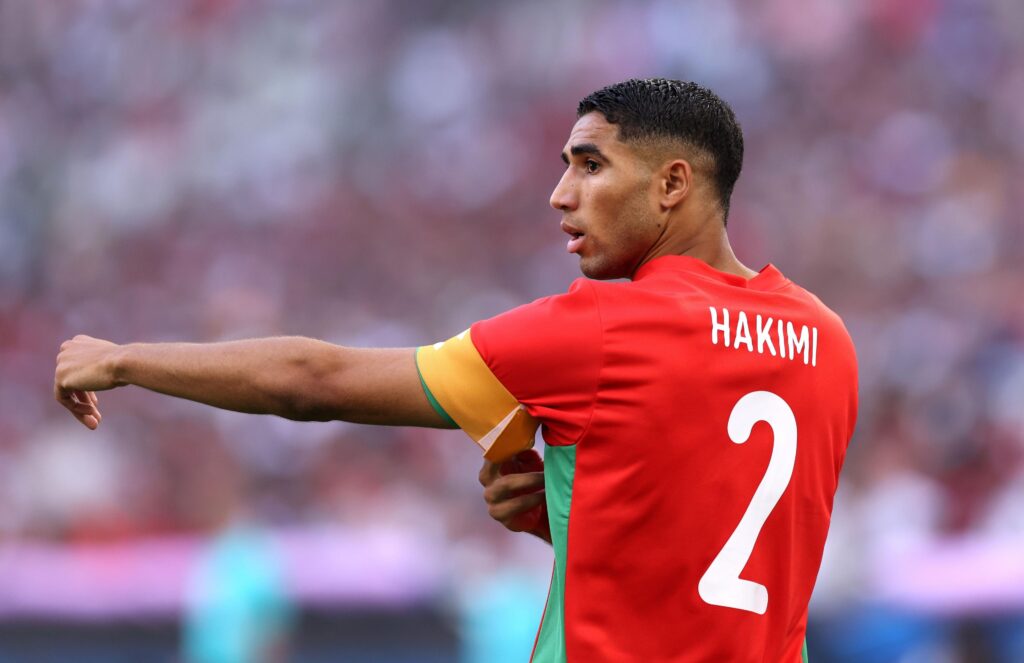
Morocco’s system is built on transitions, and Hakimi is the key to that approach. At Paris Saint-Germain, he consistently contributes both defensively and offensively. His pace allows Morocco to counter quickly, while his defensive work rate ensures balance. Without Hakimi, Morocco lose their most important tactical weapon.
Belgium – Jérémy Doku
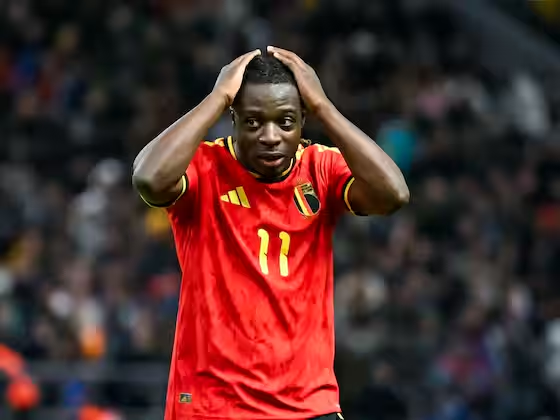
Belgium’s new attacking threat comes from Doku. At Manchester City, he has developed into one of the most dangerous wingers in Europe, known for his dribbling and pace. He creates chances by breaking defensive lines and forcing defenders into mistakes. Without Doku, Belgium’s attack lacks unpredictability.
Germany – Jamal Musiala
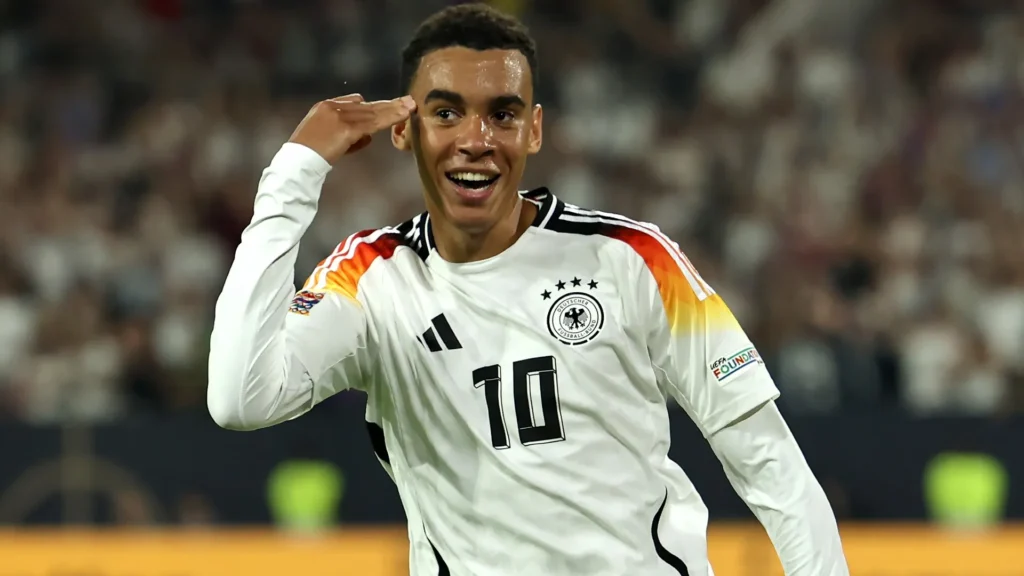
Germany’s creativity is driven by Musiala. At Bayern Munich, he continues to deliver goals, assists, and dribbling excellence. He operates between the lines, linking midfield and attack while creating scoring opportunities. Without Musiala, Germany struggle to break down organized defenses.
Conclusion
The modern World Cup will not be decided by big names from the past but by players performing at the highest level right now. These ten players are not just stars; they are essential to how their teams function. Their club form directly impacts their national teams, and their absence would significantly weaken their country’s chances.
As international football becomes more competitive, the importance of in-form players continues to grow. The teams that succeed will be the ones that keep their most influential players fit, consistent, and performing when it matters most.