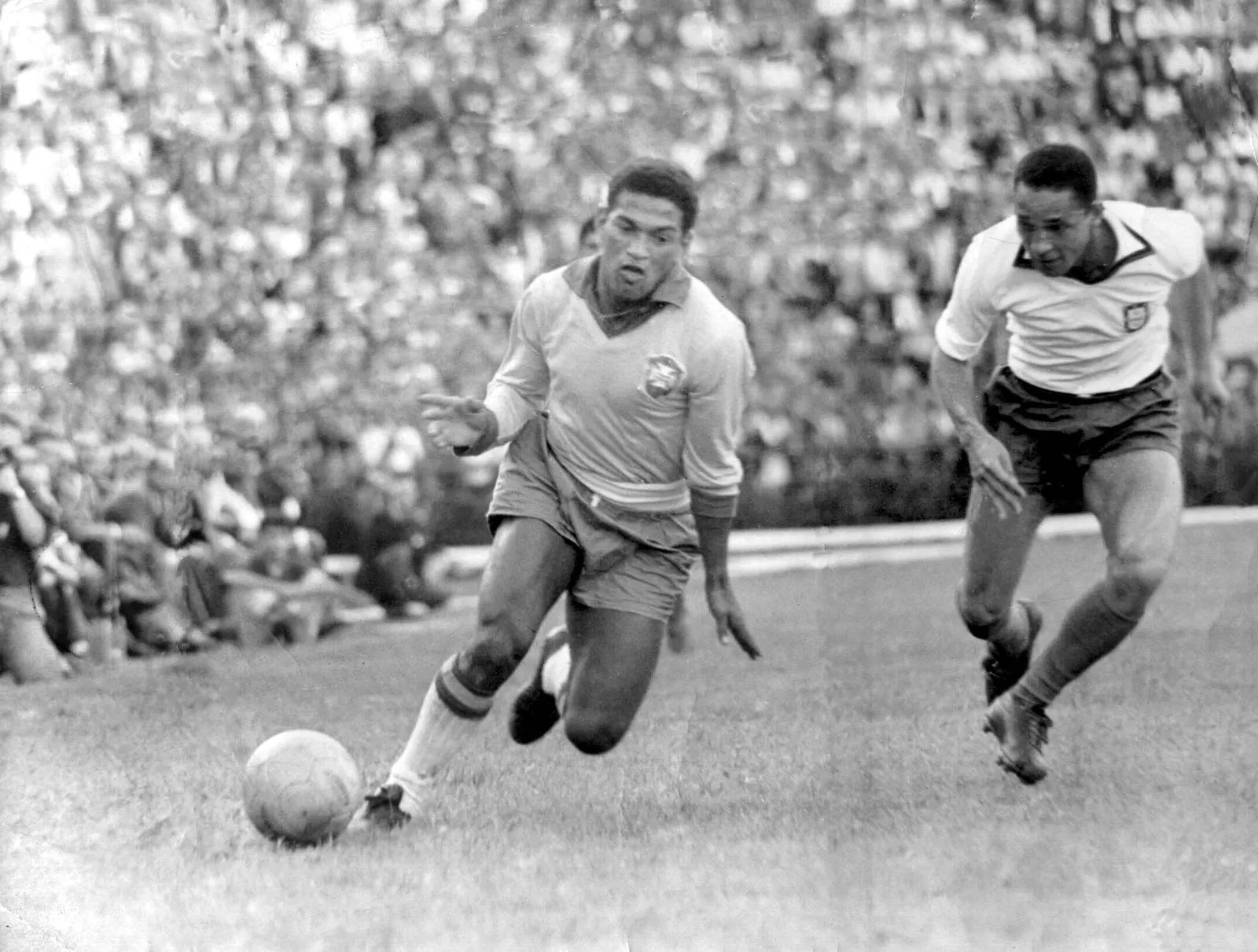
The phrase Teams under pressure defines a recurring storyline in international football. Every World Cup builds narratives around talent, tactics, and expectations but the real separator is how teams respond when the stakes peak. As the next tournament approaches, several historically strong nations carry a familiar burden: they have the quality to win, yet repeatedly falter when it matters most.
This analysis breaks down five major Teams under pressure, focusing on patterns, tactical issues, and why these sides struggle to convert potential into trophies.
England national football team – Talent vs Decision-Making
England consistently enters tournaments with one of the most balanced squads in world football. From attacking depth to defensive stability, the structure is rarely the issue. The problem emerges in decisive moments.

In recent tournaments, England has progressed deep into knockout stages, but their approach often becomes overly cautious. Instead of controlling games with authority, they tend to protect leads or hesitate when chasing matches. This shift in mentality is a defining trait of Teams under pressure.
Key issue:
- Conservative in-game management under pressure
- Struggles in penalty shootouts
- Lack of tactical flexibility in big matches
England’s challenge is not reaching the latter stages it is performing freely once they get there.
Brazil national football team – Chaos vs Control
Brazil remains the most successful nation in World Cup history, but recent campaigns show a different trend. They dominate early rounds with attacking flair, yet lose structure when games become tense.
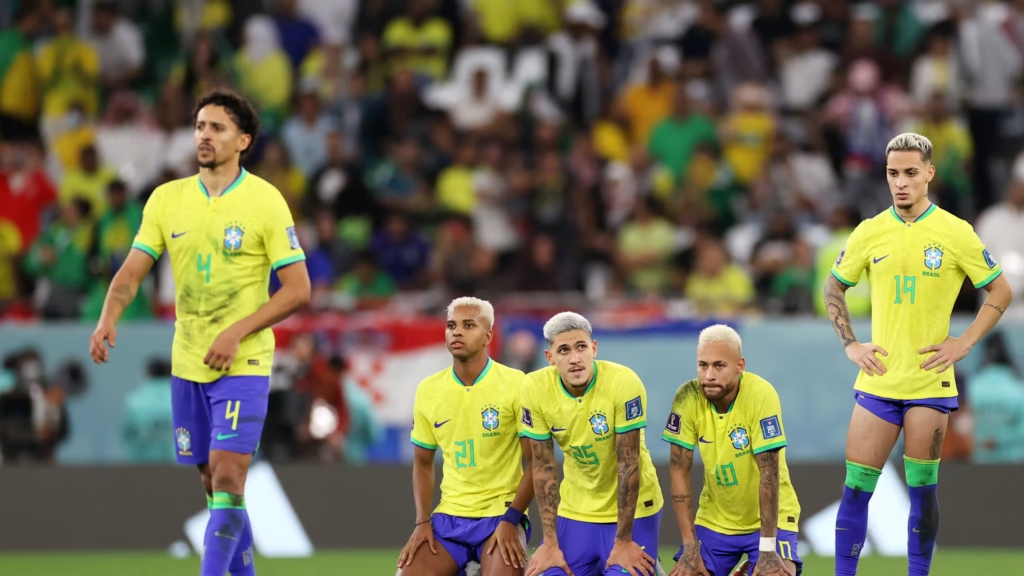
Matches against top-tier opponents often expose a critical flaw: emotional and tactical imbalance. When leading, Brazil sometimes fails to control tempo. When trailing, they abandon structure too quickly.
This volatility places them firmly among Teams under pressure.
Key issue:
- Defensive instability in transitions
- Over-reliance on individual brilliance
- Loss of composure in knockout stages
Brazil has the talent to beat anyone but under pressure, control disappears.
Portugal national football team – Individual Brilliance vs Team Identity
Portugal’s modern identity has been shaped around elite individuals, most notably Cristiano Ronaldo. While this has delivered success in certain tournaments, it has also created structural limitations.

In high-pressure matches, Portugal often struggles to impose a consistent style. Instead of controlling games collectively, they rely on moments of individual quality. Against organized teams, this approach becomes predictable.
Among Teams under pressure, Portugal stands out for its imbalance between talent and system.
Key issue:
- Tactical inconsistency
- Dependence on star players
- Difficulty controlling tempo in knockout games
To progress further, Portugal must transition from individual reliance to collective authority.
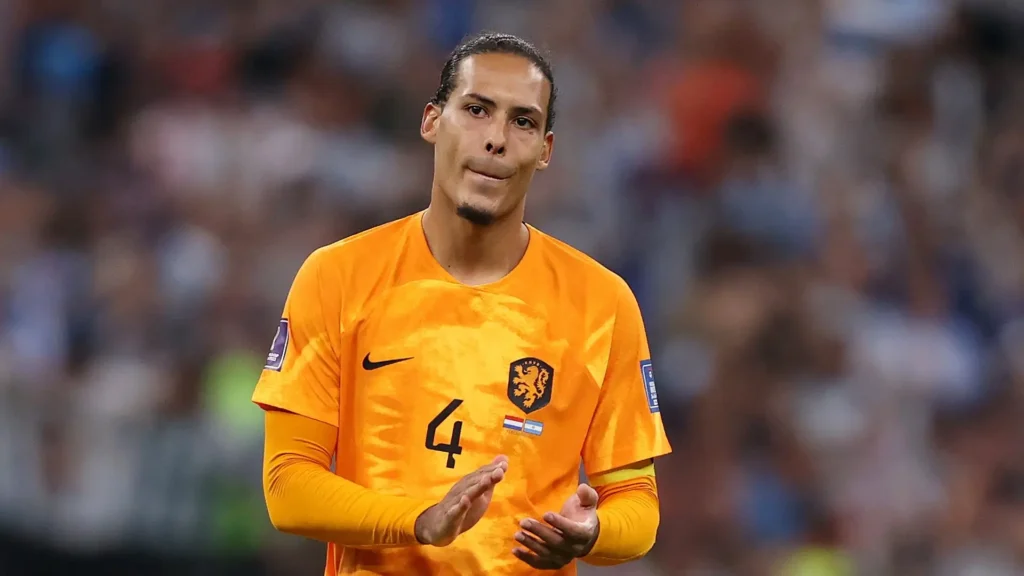
Netherlands national football team – History Without Closure
The Netherlands carries one of the most unique reputations in world football. A nation known for tactical innovation and attacking philosophy, yet without a World Cup title.
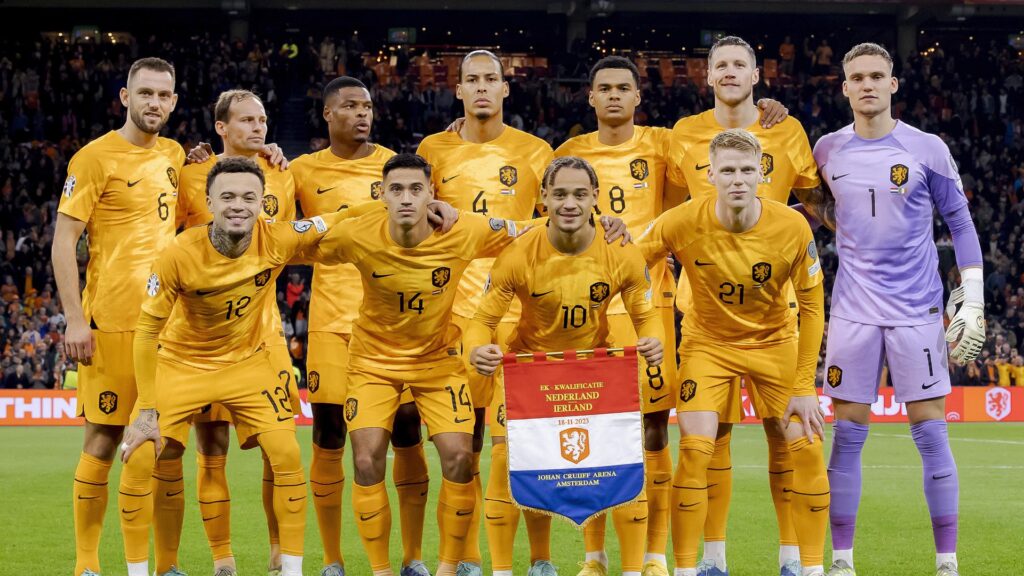
They have reached multiple finals and semi-finals, but decisive moments repeatedly go against them. Whether it is missed chances or defensive lapses, the pattern is clear.
This long-standing narrative places them among the most recognizable Teams under pressure.
Key issue:
- Inefficiency in front of goal
- Defensive errors in crucial matches
- Psychological weight of past failures
The Netherlands performs consistently well but not decisively enough when it matters most.
Uruguay national football team – Legacy vs Modern Reality
Uruguay’s World Cup history is among the richest in football, with early dominance shaping its identity. However, modern tournaments present a different challenge.
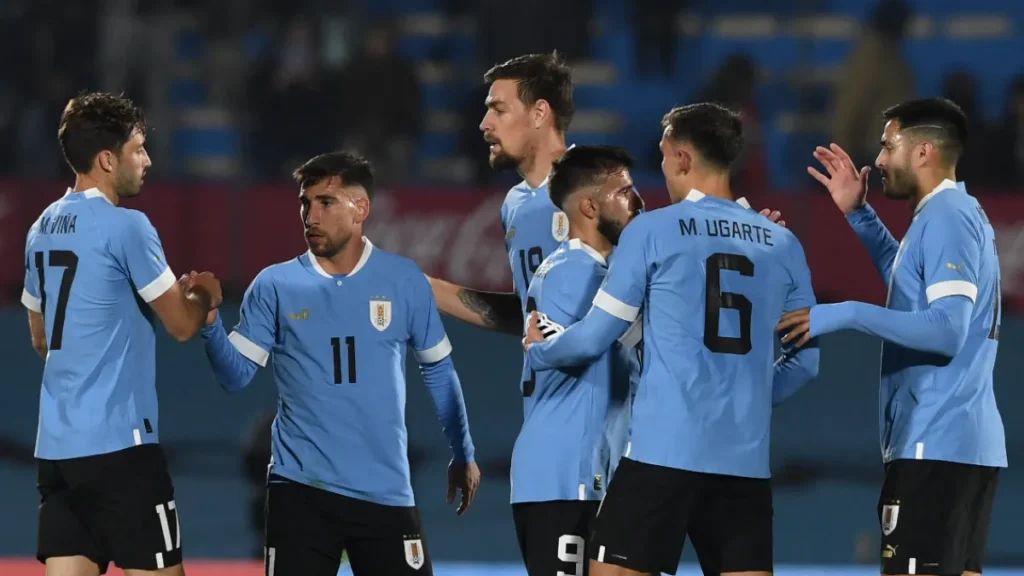
While Uruguay remains competitive and tactically disciplined, they often struggle against elite, high-tempo teams in knockout rounds. Their intensity is strong, but sustaining it across 90 minutes against top opposition becomes difficult.
This contrast between history and present performance defines their place among Teams under pressure.
Key issue:
- Difficulty adapting to faster-paced opponents
- Limited squad depth compared to elite nations
- Decline in attacking efficiency in key moments
Uruguay’s identity remains strong, but the modern game demands more tactical flexibility.
Why These Teams Struggle Under Pressure
Across all five nations, common themes emerge. These are not weak teams they are structurally strong, technically gifted, and tactically prepared. However, pressure reveals deeper issues:
1. Tactical Rigidity
Teams fail to adapt when matches shift. Fixed systems become predictable in knockout games.
2. Psychological Burden
Past failures create hesitation. Instead of playing naturally, teams become reactive.
3. Over-Reliance on Individuals
Moments of brilliance cannot replace consistent team structure in high-pressure situations.
4. Game Management Issues
Leading teams fail to control tempo. Trailing teams lose discipline.
These factors define what it means to be among Teams under pressure.
What Must Change Before World Cup 2026
For these nations to break the pattern, adjustments are necessary not in talent, but in execution.
- England must play with authority, not caution
- Brazil must balance flair with control
- Portugal must build a clear team identity
- Netherlands must improve efficiency in decisive moments
- Uruguay must adapt tactically to modern pace
The margin between success and failure at a World Cup is minimal. Small improvements in decision-making can completely reshape outcomes.
Final Insight
The label Teams under pressure is not permanent but it persists until broken. Each of these nations has the resources, history, and talent to win. The question is whether they can handle the moments that define tournaments.
World Cup 2026 will not be decided by squad value or reputation. It will be decided by which team manages pressure best when everything is on the line.