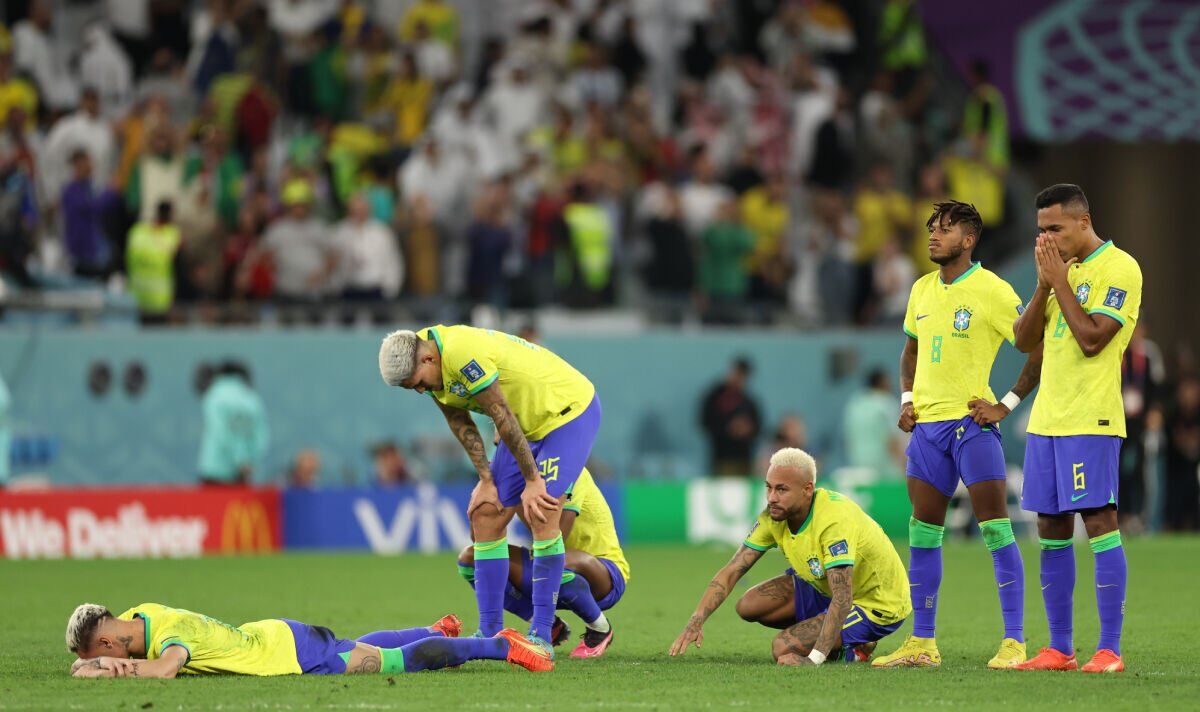
The FIFA World Cup always exposes more than just strengths. It magnifies flaws under pressure, punishes tactical gaps, and forces even elite squads into uncomfortable situations. Every top contender enters the tournament with hype, but each also carries a weakness that can derail their campaign at any moment. Here is a focused analysis of seven World Cup Team Weaknesses that could define their World Cup journey.
France – Defensive Transitions Under Pressure
France national football team continue to rely on explosive attacking quality led by Kylian Mbappé. Their ability to score from transitions makes them one of the most dangerous sides in world football.
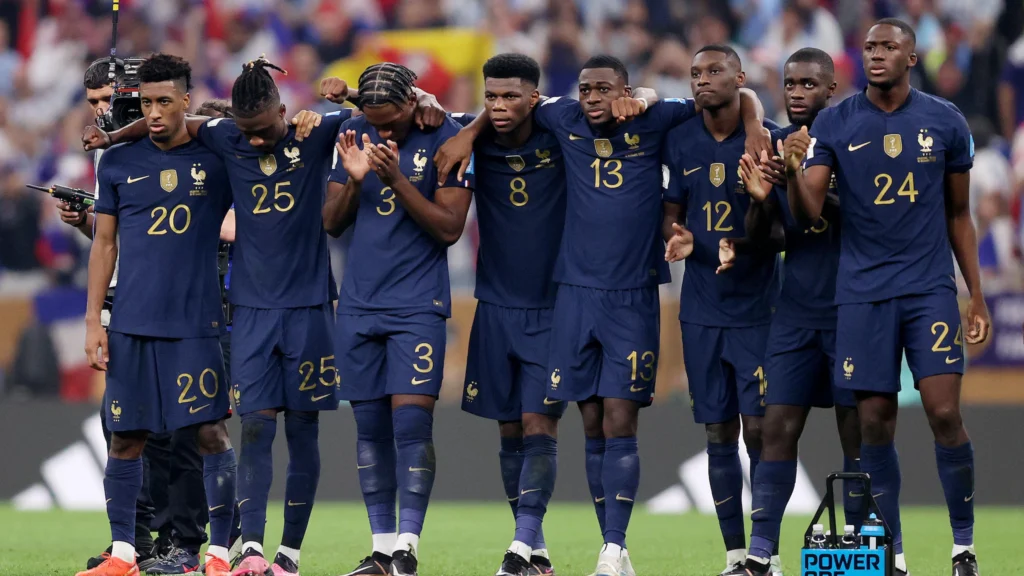
However, their biggest weakness lies in defensive transitions. When France commit numbers forward, the space left behind can be exposed quickly. Against high-tempo teams, their midfield sometimes struggles to recover shape, leaving the backline isolated.
In knockout football, where margins are minimal, this vulnerability can be decisive, especially against teams that counterattack with precision.
Brazil – Lack of Clinical Finishing Consistency
Brazil national football team are traditionally known for attacking flair, with players like Vinícius Júnior leading the charge.
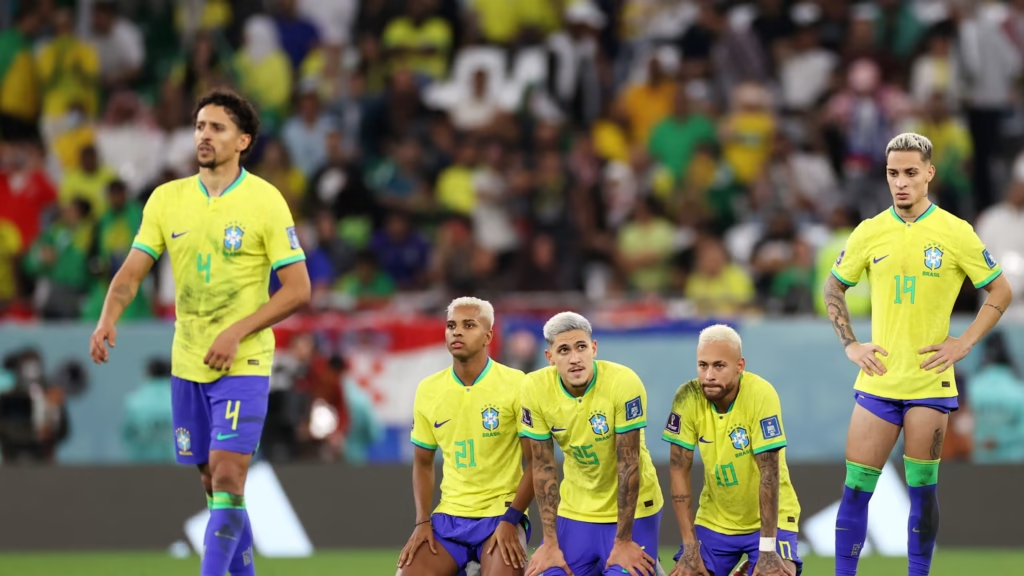
Despite creating high-quality chances, Brazil’s inconsistency in front of goal remains a concern. They often dominate matches but fail to convert dominance into decisive leads. This inefficiency becomes critical in tight knockout games.
Without a consistently reliable finisher, Brazil risk repeating past patterns where control does not translate into trophies.
England – Tactical Rigidity in Big Matches
England national football team possess one of the most balanced squads, featuring stars like Harry Kane and Jude Bellingham.
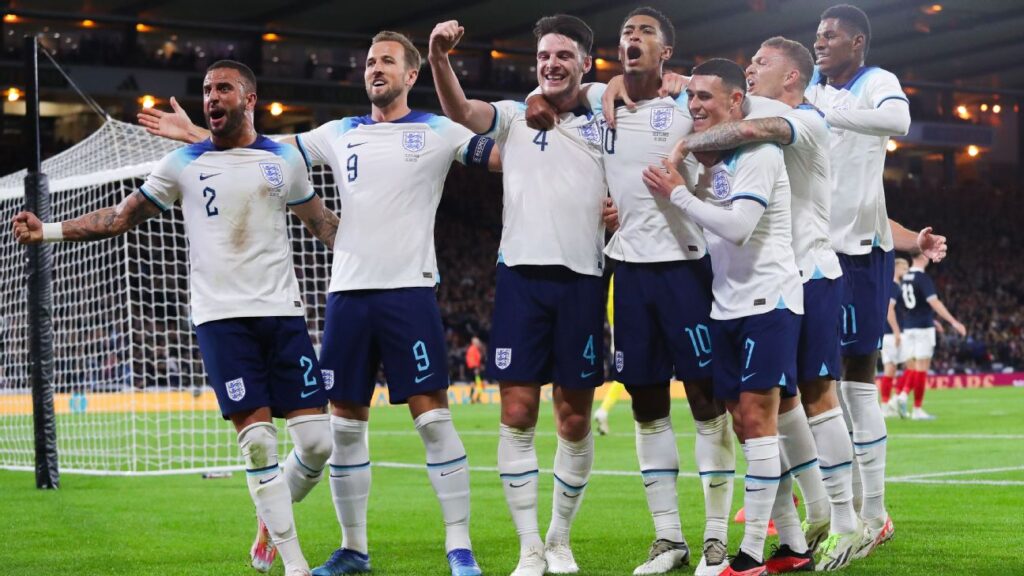
Their main issue is tactical rigidity. In high-stakes matches, England often struggle to adapt quickly when opponents shift shape or tempo. This lack of in-game flexibility has cost them in crucial moments.
Against elite opposition, the inability to react dynamically can turn a controlled match into a lost opportunity.
Argentina – Aging Core and Physical Decline
Argentina national football team remain highly competitive, still influenced by the legacy of Lionel Messi.
The concern lies in the aging core. Several key players are moving beyond their physical peak, which affects intensity, pressing, and recovery over a long tournament.
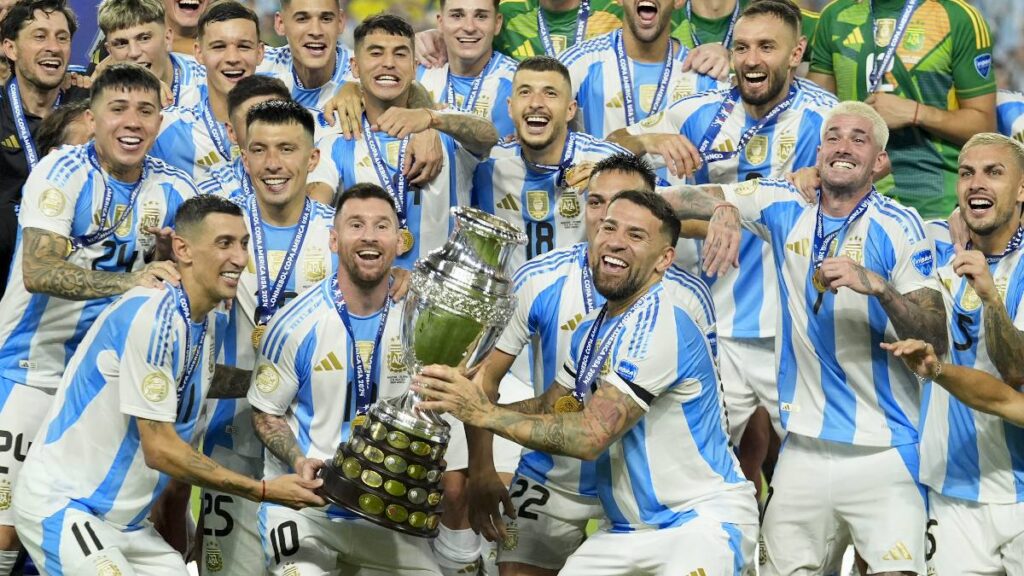
While their experience is invaluable, the physical demands of modern international football could expose this limitation, particularly in back-to-back knockout fixtures.
Spain – Lack of Direct Goal Threat
Spain national football team dominate possession better than almost any team, with emerging talents like Lamine Yamal adding creativity.
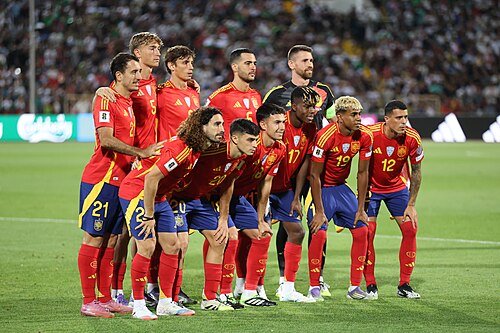
Their weakness is clear: lack of a consistent goal scorer. Spain often control matches but struggle to convert possession into goals, relying heavily on intricate build-up rather than decisive finishing.
In tournament football, where chances are limited, this inefficiency can become a major obstacle.
Germany – Defensive Instability
Germany national football team are rebuilding with a mix of youth and experience, including players like Jamal Musiala.
Their biggest concern is defensive instability. Germany have shown vulnerability against quick transitions and struggle with maintaining compact defensive structure under pressure.
Against top-tier attacking sides, this weakness can be repeatedly exploited, making consistency a major question mark.
Portugal – Overreliance on Individual Brilliance
Portugal national football team boast immense talent, historically led by figures like Cristiano Ronaldo and now supported by a new generation.
The issue is overreliance on individual moments rather than cohesive team structure. While their players can produce brilliance, the lack of consistent collective patterns can make performances unpredictable.
In tightly contested matches, reliance on individual quality alone is rarely enough to secure success.
Final Analysis
The World Cup is not just about talent; it is about minimizing weaknesses. Each of these top nations has the ability to win the tournament, but their flaws will determine how far they go.
Defensive transitions, finishing efficiency, tactical adaptability, physical endurance, and structural cohesion are all factors that separate champions from contenders. Teams that address these issues before the tournament begins will have a clear advantage when the pressure peaks. This World Cup Team Weaknesses can be one of the reasons behind the world cup trophy winner.