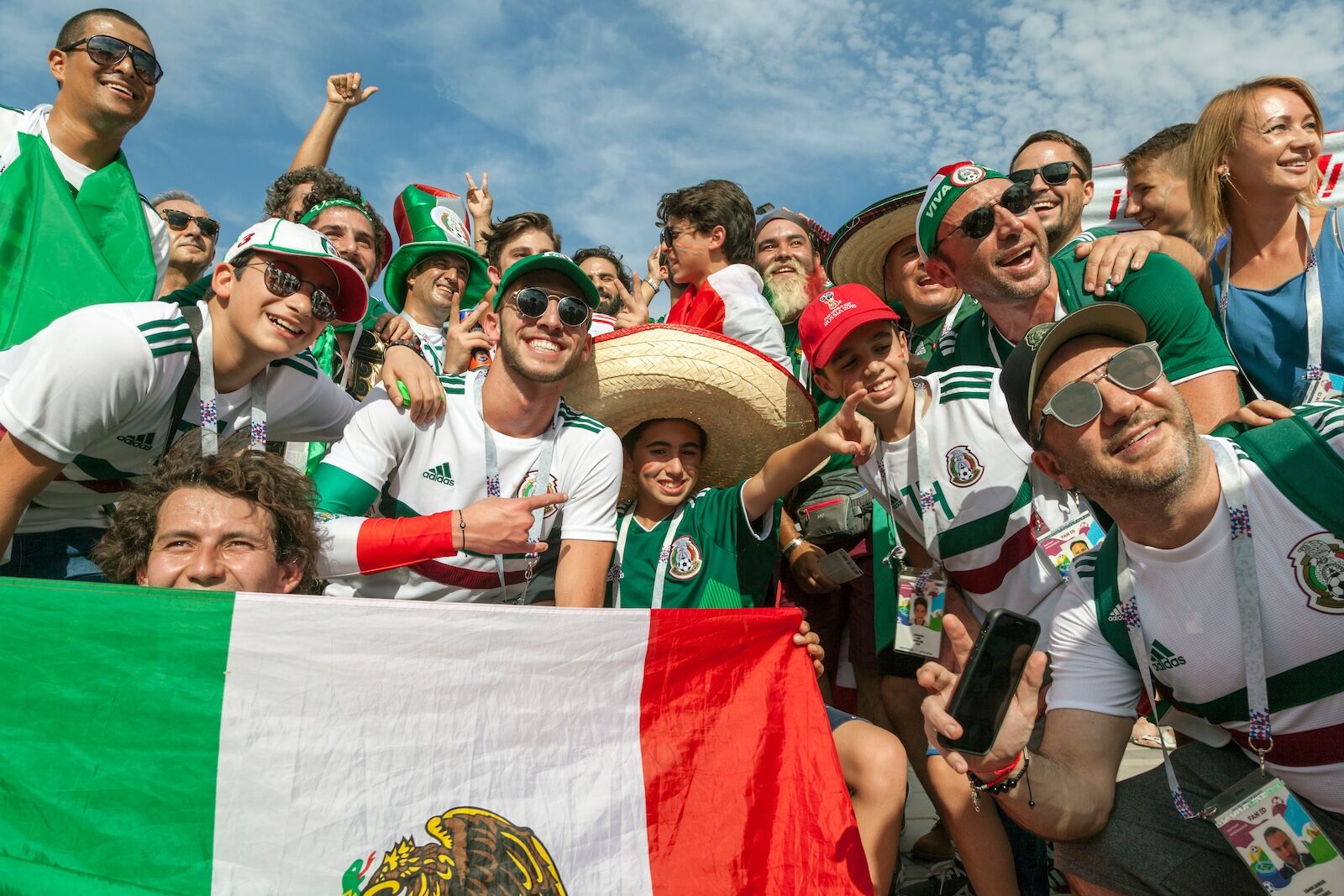
The 2026 FIFA World Cup introduces a 48-team format that dramatically increases unpredictability in the group stage. More teams, more travel, and more tactical mismatches naturally create space for underdog world cup wins that reshape entire tournaments.
Historically, World Cups have always delivered shocks Saudi Arabia beating Argentina in 2022 or Senegal defeating France in 2002. With expanded groups and compressed recovery time, 2026 could produce even more dramatic results.
This analysis highlights 10 group stage fixtures where underdog world cup wins are not just possible but tactically realistic based on playing styles, squad trends, and tournament conditions.
1. Morocco vs Brazil (Group C)
Brazil enters as a traditional favorite, but Morocco’s compact defensive structure and transition discipline make this a dangerous fixture.
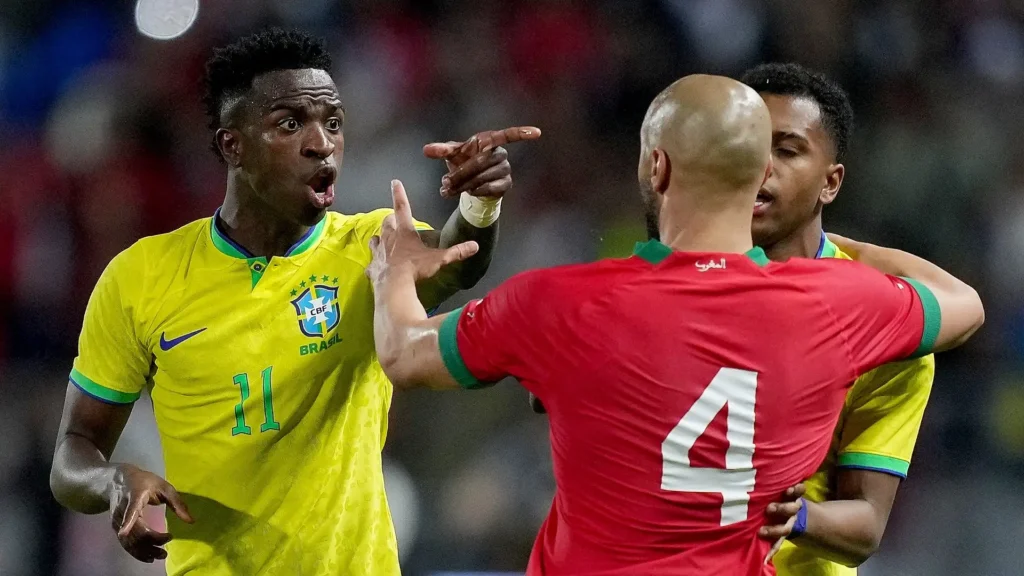
Morocco’s 2022 World Cup run proved they can eliminate elite attacking sides through organized pressing traps and narrow defensive spacing. Against Brazil’s attacking fullbacks, counterattacks through wide channels could define the match.
Underdog factor: Morocco’s defensive resilience + Brazil’s high-risk attacking shape.
2. Argentina vs Algeria (Group J)
Argentina’s tournament experience makes them strong favorites, but Algeria’s counterattacking profile creates upset potential.
If Algeria compresses central space and forces Argentina into wide buildup patterns, transitions behind the defensive line become a threat. Argentina’s vulnerability to quick turnovers has appeared in past international fixtures.
Underdog factor: Algeria’s speed in transition vs Argentina’s high defensive line.
3. Germany vs Ivory Coast (Group E)
Germany’s structured possession system can struggle against physically dominant midfields.
Ivory Coast brings athletic intensity, vertical pressing, and fast ball recovery. If Germany fails to progress the ball through midfield cleanly, pressure moments could flip possession into dangerous attacking sequences.

Underdog factor: physical midfield dominance disrupting structured buildup.
4. USA vs Paraguay (Group D)
The United States face immense pressure in a home World Cup opener. That emotional intensity often leads to rushed decision-making in attack.
Paraguay’s deep defensive block and compact lines are built to frustrate attacking rhythm. This matchup could become a low-tempo game where one counterattack decides everything.
Underdog factor: Paraguay’s defensive discipline vs US creative pressure.
5. France vs Senegal (Group I)
One of the most historically symbolic fixtures in World Cup history.
Senegal’s physicality and transitional speed mirror the blueprint that previously shocked France in 2002. If France’s defensive coordination drops under pressure, Senegal can exploit space behind advanced midfielders.
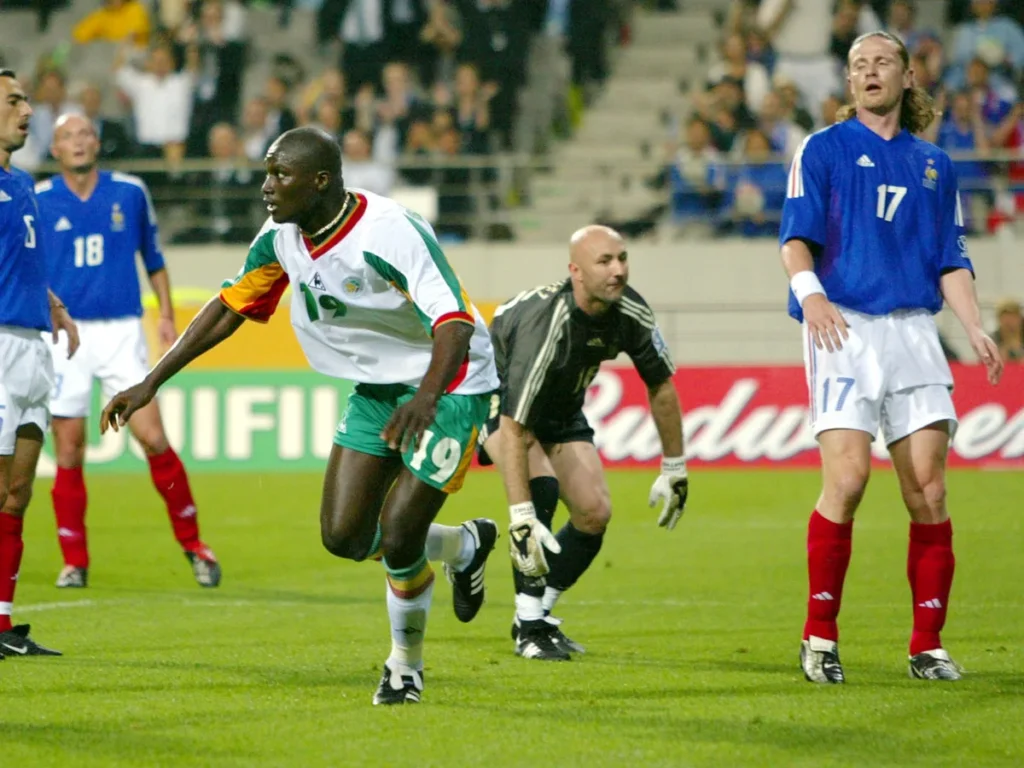
Underdog factor: Senegal’s transition efficiency and psychological edge from history.
6. Netherlands vs Japan (Group F)
Japan have become one of the most consistent giant-killers in international football.
Their structured pressing system and defensive discipline make them extremely difficult to break down. The Netherlands’ possession-heavy approach can be disrupted if Japan wins midfield turnovers and attacks quickly through wide zones.
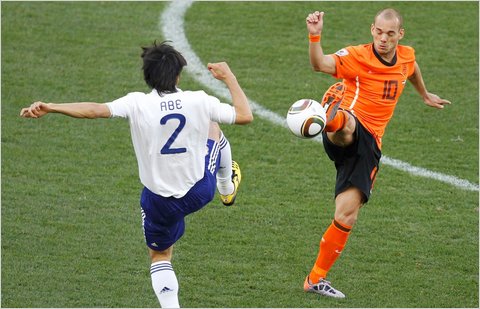
Underdog factor: Japan’s tactical discipline and high-efficiency transitions.
7. Belgium vs Egypt (Group G)
Belgium are in a transitional phase with defensive restructuring, which creates vulnerability.
Egypt’s strategy is straightforward but effective: defend deep, isolate Mohamed Salah, and attack space instantly. Against a disorganized defensive structure, Egypt can capitalize on limited chances.
Underdog factor: elite individual threat in transition (Salah).
8. Colombia vs Portugal (Group K)
Colombia enter as one of the most underrated sides in South America.
Their aggressive pressing, technical midfield, and physical edge make them capable of matching top European sides. Portugal’s reliance on individual brilliance can be neutralized if Colombia controls midfield tempo.
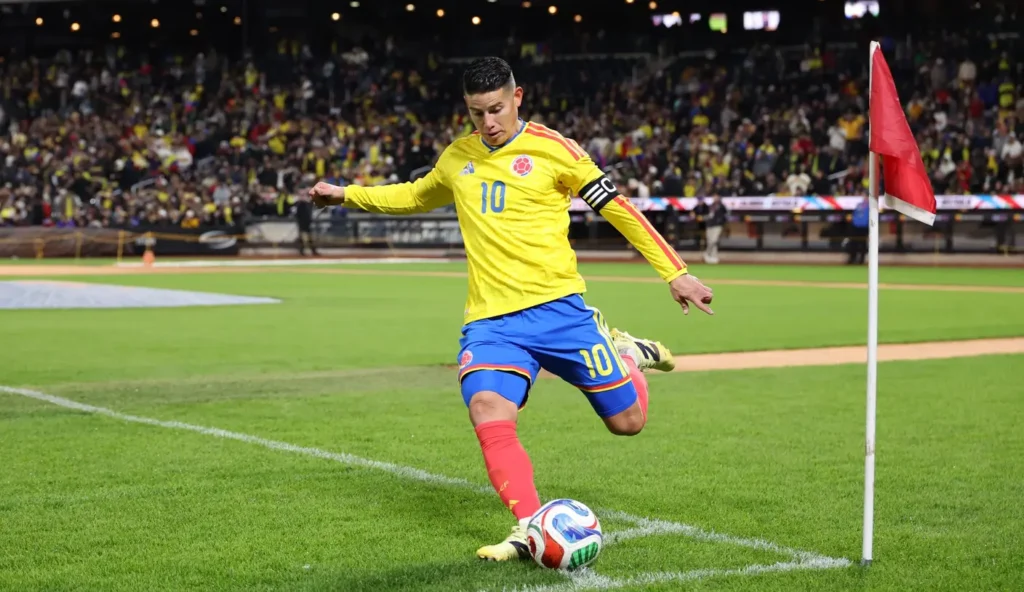
Underdog factor: Colombia’s intensity and tactical balance.
9. Spain vs Uruguay (Group H)
Spain dominate possession, but Uruguay’s high-intensity pressing can disrupt rhythm.
Uruguay’s ability to force turnovers in advanced areas is key. If Spain becomes predictable in buildup, Uruguay’s aggressive forward pressure can create scoring chances from mistakes.
Underdog factor: pressing intensity disrupting possession dominance.
10. Mexico vs South Korea (Group A)
A high-pressure home fixture for Mexico, but South Korea’s structure makes them a serious upset threat.
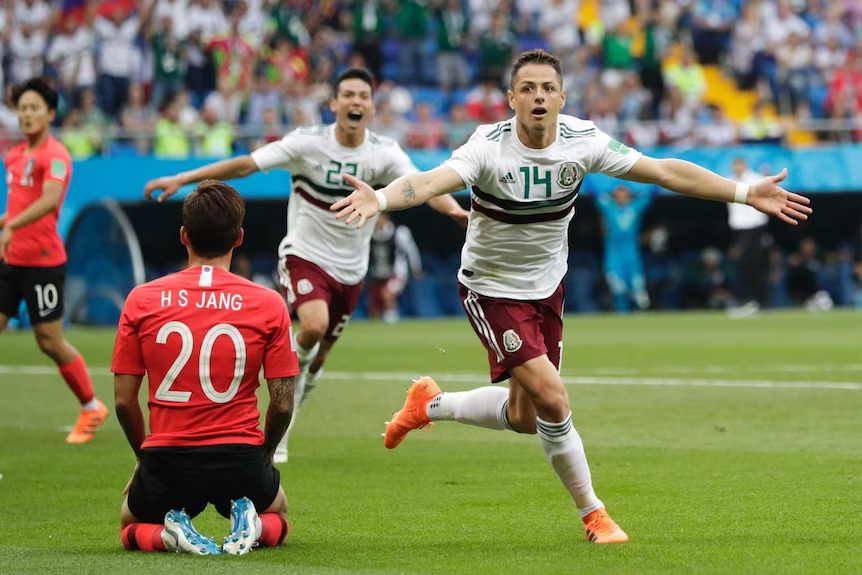
South Korea excel in disciplined pressing and rapid attacking transitions. If Mexico pushes too high in search of control, space behind the defensive line becomes exploitable.
Underdog factor: South Korea’s speed and tactical stamina vs host pressure.
Key Tactical Patterns Behind Underdog World Cup Wins
Across all 10 fixtures, several consistent themes emerge:
1. Defensive Low Blocks Create Chaos
Teams like Paraguay and Morocco rely on compact defending to reduce space and frustrate possession teams.
2. Transition Football Decides Upsets
Most underdog world cup wins come from quick counterattacks after turnovers.
3. High Tournament Pressure Impacts Favorites
Hosts and defending champions often face emotional overload in opening matches.
4. Expanded Format Increases Variance
With 48 teams, group-stage unpredictability rises due to squad rotation and travel fatigue.
Why 2026 Could Be the Most Unpredictable World Cup
The expanded structure creates more mismatches, more recovery stress, and more tactical experimentation. Strong teams will dominate on paper, but group stages often reward efficiency over reputation.
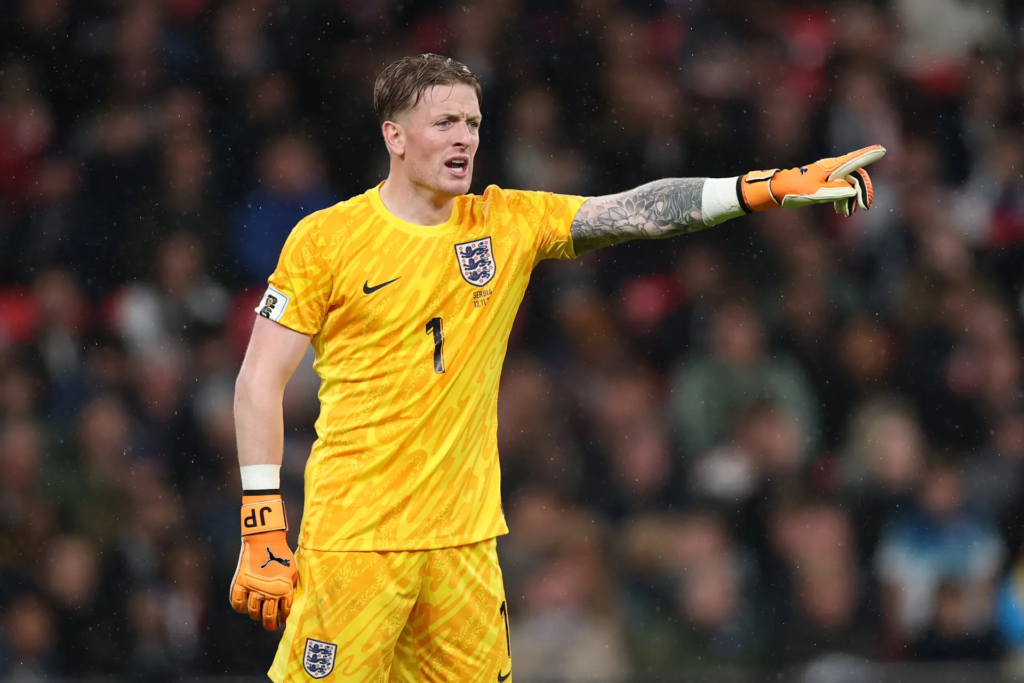
Underdogs do not need dominance they need one moment, one counterattack, or one defensive collapse. That is where underdog world cup wins are born.
Final Outlook
The 2026 FIFA World Cup group stage is positioned for tactical surprises across multiple continents. While elite teams remain favorites, the gap between tiers is shrinking.
Matches like Morocco vs Brazil or Japan vs Netherlands highlight a clear reality: no fixture is safe at this level. Underdog world cup wins will not be rare exceptions in 2026 they will likely define the tournament narrative.