The FIFA World Cup 2026 marks a major transformation in international football with its expansion to 48 teams and 12 groups. This structural change has reshaped expectations around competitiveness, qualification difficulty, and match intensity. This article presents detailed group of death predictions for FIFA World Cup 2026, analyzing the most dangerous groups, key matchups, tactical dynamics, and likely outcomes.
Traditionally, the “Group of Death” refers to the toughest group in the tournament where multiple elite teams are drawn together, making qualification extremely difficult even for world-class nations.
However, the idea of a clear group of death is becoming more complex in 2026. With more teams advancing to the knockout stage, including the best third-placed teams, the margin for survival is wider. Despite this, several groups still stand out as extremely difficult based on rankings, squad depth, tactical balance, and star power.
Understanding Group of Death Predictions in Modern Football
In modern tournament analysis, group strength is no longer judged only by reputation. Analysts now evaluate multiple factors before making group of death predictions. These include FIFA rankings, recent international performance, tactical flexibility, squad depth, and tournament experience.
A group becomes a “group of death” when there is no clear weak team and when at least three teams have realistic chances of reaching the knockout stage. In some cases, even the fourth team can influence outcomes by taking points from stronger opponents.
The 2026 World Cup structure makes this even more relevant because goal difference and consistency matter more than ever. Even a single heavy defeat can decide qualification in tightly balanced groups.
Group I: The Strongest Group of Death Prediction for 2026
Group I is widely considered the most difficult group in the tournament and the leading candidate in all group of death predictions models. It brings together France, Senegal, Norway, and a playoff qualifier from intercontinental competition.
France enters as one of the strongest national teams in world football, combining elite experience, depth, and attacking quality. With a core of world-class players and a history of performing under pressure, they are expected to lead the group. However, the gap between France and the rest is not large enough to guarantee comfort.
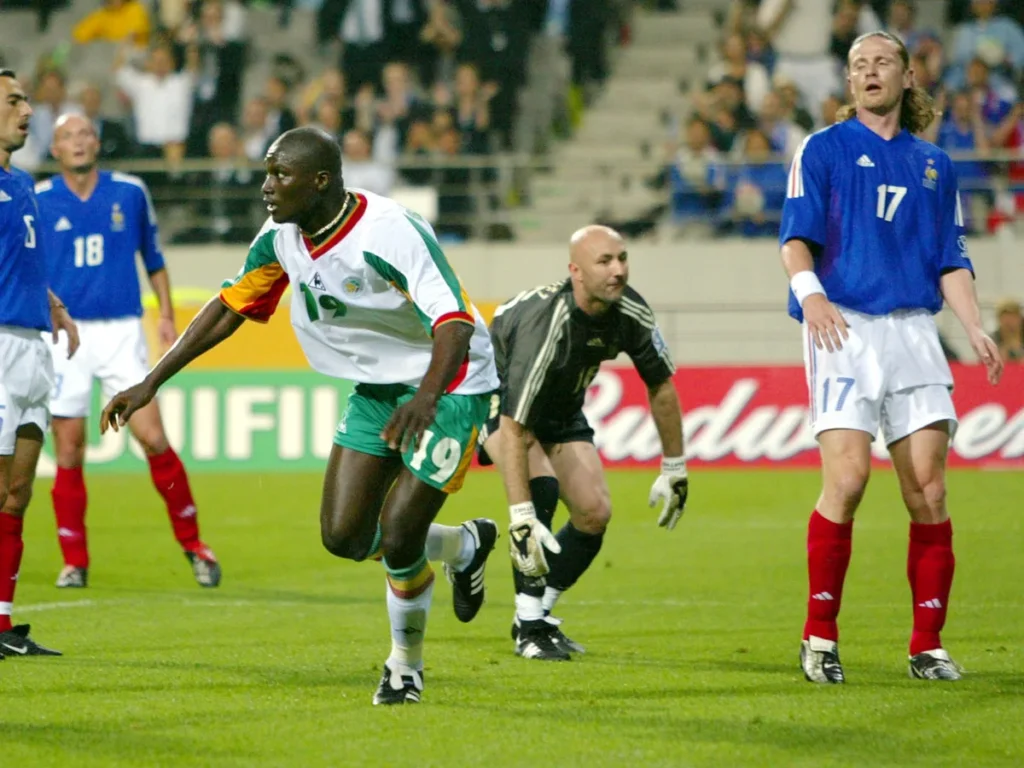
Senegal adds significant difficulty to the group. They are one of Africa’s most organized and physically dominant teams. Their style is based on high intensity, structured defending, and quick transitions. Against top European teams, Senegal has consistently shown the ability to compete at a high level, making them a serious qualification contender.
Norway is one of the most dangerous teams outside the traditional elite. With a world-class striker leading the attack and a creative midfield built around top European league experience, they have the ability to score against any opponent. Their attacking style makes them unpredictable and capable of producing upsets in any match.
The fourth team, coming from the intercontinental playoff route, adds further uncertainty. Whether it is a South American or Asian side, this team often plays with less pressure and can disrupt expected outcomes. Group I is particularly intense because every match has competitive meaning. France cannot afford complacency, while Senegal and Norway are likely to fight directly for the second automatic qualification spot. Even goal difference could become decisive in this group, making every goal critical.

Group L: The Most Balanced Group in the Tournament
Group L is another major focus in group of death predictions, although it is defined more by balance than superstar dominance. It includes England, Croatia, Ghana, and Panama.
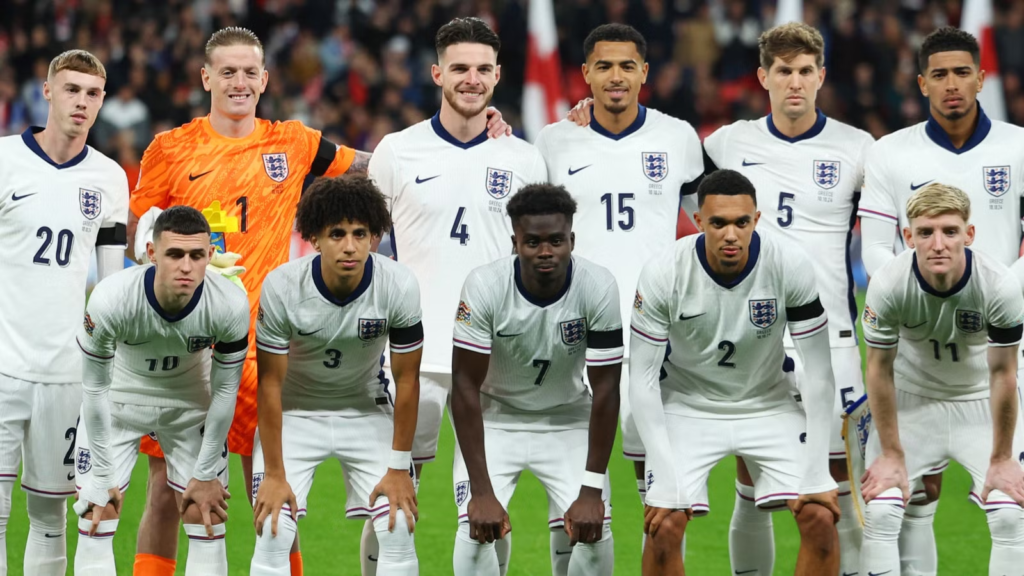
England enters as one of the tournament favorites with a deep squad full of Premier League talent. Their strength lies in attacking versatility, squad depth, and tactical flexibility. However, England has historically struggled in tightly contested group environments, making them vulnerable to pressure situations.
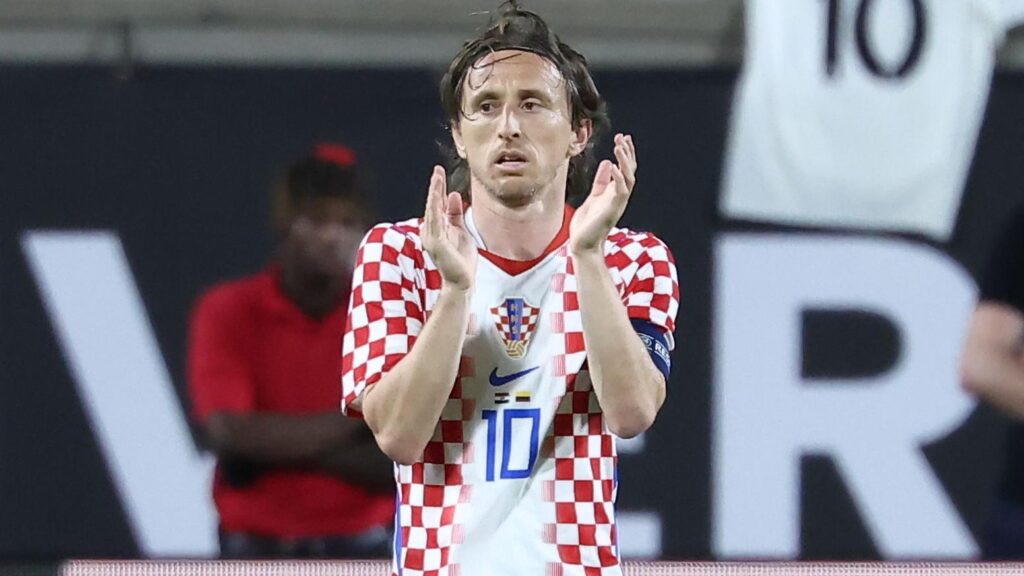
Croatia brings elite tournament experience and midfield control. Despite being in the later stages of their golden generation, they remain highly disciplined and tactically intelligent. Their ability to control tempo makes them extremely dangerous in group-stage football. Ghana is one of the most unpredictable teams in the tournament. Their strength lies in physical intensity, pace, and attacking transitions. On their day, Ghana can compete with any top-tier team, and their presence ensures that no match in this group will be straightforward.
Panama completes the group as a disciplined and organized defensive side. While they may not be favorites to advance, their ability to frustrate opponents and limit scoring opportunities can have a major impact on group standings. Group L is extremely tight because there is no guaranteed win for any team. Even matches between top sides are difficult to predict, and small margins are likely to decide qualification.
Tactical Themes Defining Group of Death Predictions
Several tactical themes emerge when analyzing group of death predictions for the 2026 World Cup.
The first is high-intensity pressing versus structured possession. Teams like Senegal and Ghana rely on aggressive pressing systems, while France and England prefer controlled possession and structured build-up play. When these styles clash, matches become unpredictable and physically demanding.
The second theme is reliance on individual brilliance. Players like elite strikers and creative midfielders often decide tight group matches. In balanced groups, one moment of individual quality can determine qualification outcomes.
The third theme is defensive stability. In a group of death scenario, teams that concede fewer goals often have a higher chance of advancing, even if they do not dominate possession or scoring. Finally, squad depth plays a major role. With multiple matches in a short time, injuries and rotation become critical factors in determining group performance.
Impact of the 48-Team Format on Group Difficulty
The expansion to 48 teams changes how group of death predictions are evaluated. In previous tournaments, only the top two teams advanced. In 2026, the top two teams plus the best third-placed teams will qualify for the Round of 32.
This reduces the risk of immediate elimination for strong teams in difficult groups. However, it increases the importance of goal difference and consistent performance. A team may still qualify even after a loss, but heavy defeats can significantly damage chances.
As a result, teams in tough groups will focus not only on winning matches but also on minimizing damage in defeats and maximizing scoring opportunities against weaker opponents.
Key Matches That Could Decide Group Outcomes
In Group I, the match between France and Norway is expected to be one of the most important fixtures in the entire group stage. It represents a direct clash between elite attacking talent and defensive organization.
The Senegal versus Norway match is also likely to be decisive, as both teams are expected to compete for second place. This match could determine whether Norway’s attacking strength or Senegal’s defensive discipline prevails.
In Group L, England versus Croatia stands out as a potential group-deciding match. Both teams have tournament experience and tactical discipline, and the result could determine the group winner.
Ghana’s matches against European opponents will also be critical, as their physical style can disrupt structured teams and influence qualification outcomes.
Final Group of Death Predictions for FIFA World Cup 2026
Based on current analysis, Group I is the strongest candidate for the official “Group of Death” due to its combination of elite talent, tactical contrast, and competitive balance.
Group L follows closely behind as the most balanced and unpredictable group, where small margins will decide qualification. Other groups may still produce surprises, but these two groups clearly stand above the rest in terms of difficulty and intensity.
Conclusion: A New Era of Competitive Group Stages
The 2026 FIFA World Cup introduces a new era where group-stage football is more complex than ever. While the expanded format reduces immediate elimination risk, it increases tactical depth and strategic importance.
The group of death predictions for FIFA World Cup 2026 highlight that elite competition is still alive and evolving. Groups like I and L demonstrate that even in a larger tournament, there is no escape from high-level football battles.
Fans can expect intense matches, tactical clashes, and unpredictable outcomes as the world’s best teams compete for survival and progression in one of the most competitive World Cups in history.