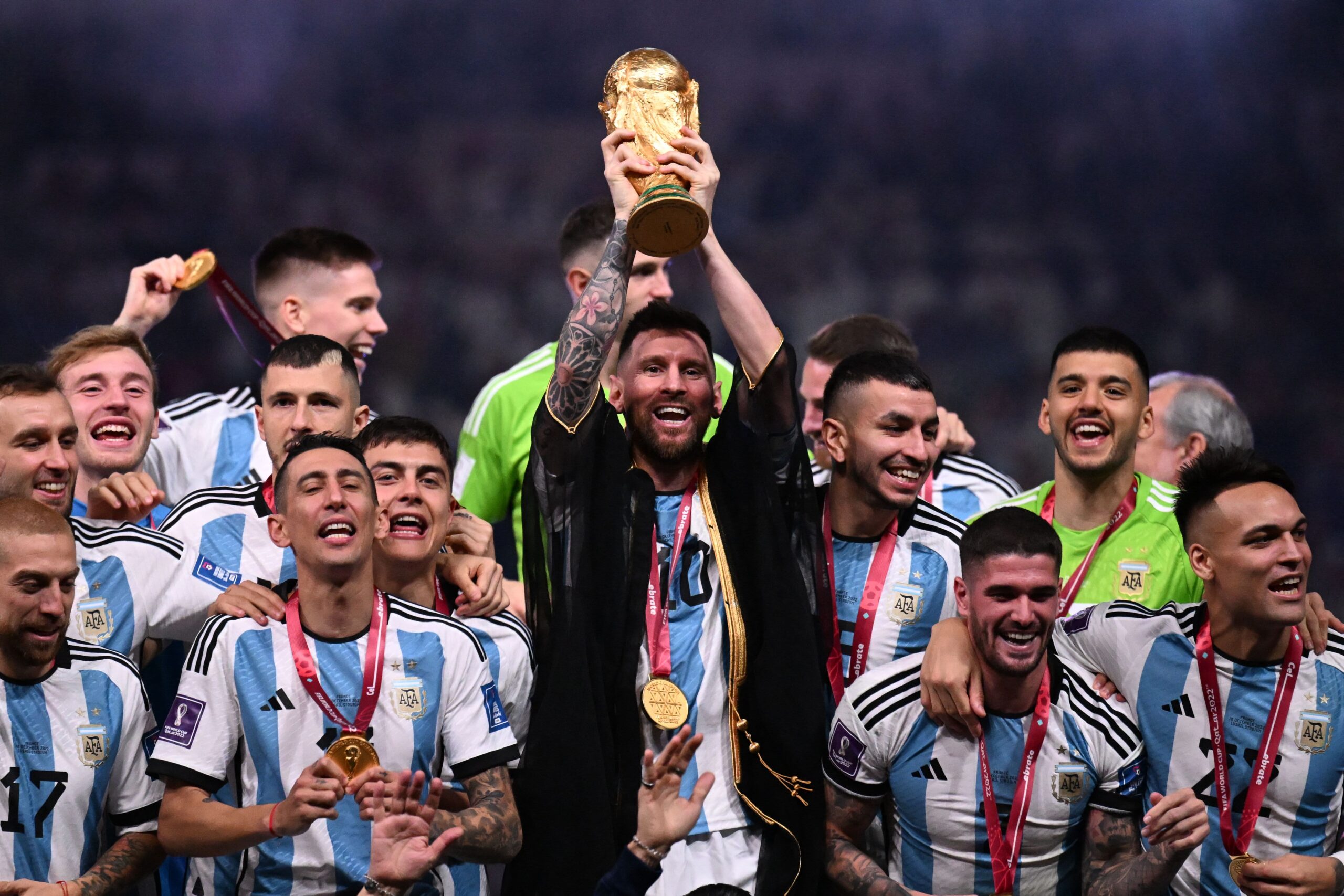
Every FIFA World Cup creates heroes, underdogs, and unforgettable stories. However, for every team that exceeds expectations, another highly rated nation crashes out far earlier than predicted. The 2026 FIFA World Cup, with its new 48-team format and expanded knockout rounds, could increase the chances of major disappointments even further. This blog explores teams likely to fail during the World Cup 2026.
Fans and bettors naturally focus on favorites. Countries with historic success, superstar players, or strong recent form attract enormous support before the tournament starts. Yet World Cups rarely follow expectations. Big names often struggle under pressure, tactical weaknesses become exposed, and squads built around reputation rather than balance can fail quickly.
That is why identifying teams likely to fail before the tournament begins could become one of the smartest betting approaches for the 2026 FIFA World Cup. Betting value does not always come from backing winners. Sometimes, the best opportunities appear by fading overhyped teams whose odds no longer reflect reality. In this analysis, we examine several nations carrying high expectations but facing genuine risks heading into the tournament.
Why World Cup Favorites Often Fail
International tournaments differ completely from club football. At club level, teams have months to recover from setbacks. Poor performances can be corrected across a long season. The World Cup offers no such luxury. One difficult group, one tactical mistake, or one injury can destroy an entire campaign.
The 2026 tournament creates additional complications because of its expanded format.
For the first time, there will be:
- 48 participating teams
- 104 matches
- An extra knockout round
- Longer travel distances across North America
- Increased pressure on squad rotation
Teams relying heavily on a few stars may struggle as fatigue accumulates.
History supports this pattern. Germany won the World Cup in 2014 but failed to escape the group stage in 2018. Belgium’s golden generation never fulfilled expectations. Spain dominated international football before collapsing in 2014. Reputation alone does not win World Cups.
United States: Host Nation Expectations Could Become a Burden
Hosting a World Cup usually provides advantages. Crowd support, familiarity with conditions, and reduced travel often improve performance. However, hosting also creates immense pressure. Expectations rise dramatically, and every result becomes magnified.
The United States enters the tournament as one of the most discussed teams because of home advantage and an improving generation of players. Yet questions remain about whether expectations have become unrealistic.

The current squad contains talent playing across Europe’s biggest leagues. However, tournament success depends on tactical organization rather than individual quality alone. Defensive consistency remains a concern. Against elite opposition, moments of disorganization can become costly. The pressure of performing at home may also influence decision-making during crucial matches.
Many betting markets may overvalue the United States because casual bettors often back host nations heavily. That creates potential opportunities to oppose inflated expectations.
The United States could still perform well. But pricing them as deep tournament contenders may underestimate the challenges ahead. Therefore, the United States is one of the teams likely to fail during world cup.
Brazil: Are Expectations Based More on History Than Reality?
Whenever Brazil enters a World Cup, expectations immediately center on winning the trophy. Five World Cup titles ensure that happens every cycle.
However, recent tournaments show a recurring pattern. Brazil consistently possesses exceptional attacking talent but struggles to translate that into dominance against elite opposition.
The current generation still includes world-class players capable of changing matches instantly. Yet relying on individual brilliance becomes risky during knockout football. Modern World Cups reward tactical structure, squad depth, and adaptability. Several concerns surround Brazil:
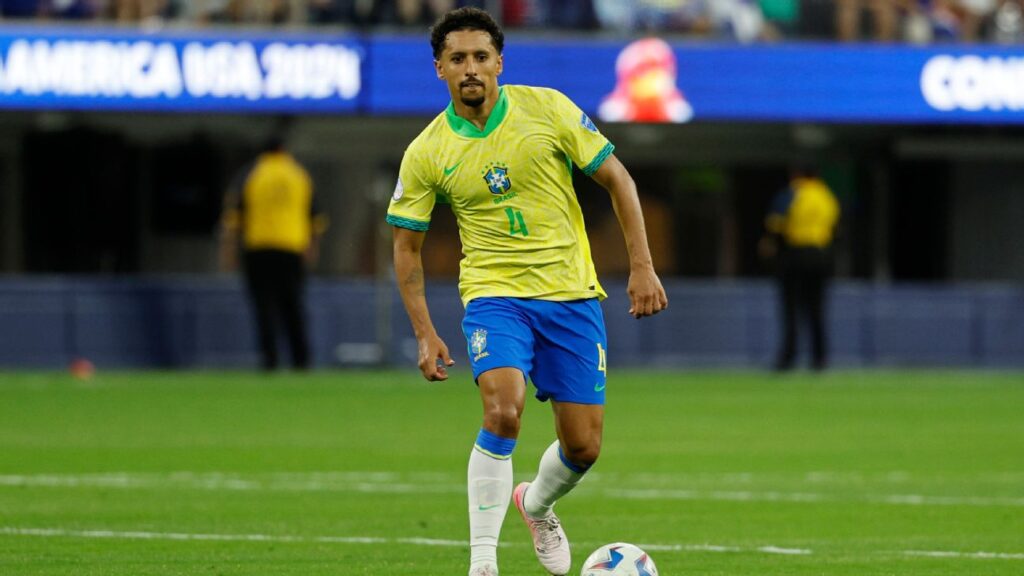
First, defensive vulnerability against organized teams remains noticeable. Secondly, midfield control has occasionally disappeared against stronger opponents. Finally, enormous public pressure creates another obstacle.
Brazil’s odds often reflect emotional betting behavior. Supporters naturally trust historic success. Yet betting markets influenced by reputation sometimes create poor value. Brazil remains dangerous, but there is a realistic possibility they once again fall short of expectations.
Norway: The Most Overhyped Dark Horse?
Few teams generate more dark horse discussions than Norway. The presence of Erling Haaland automatically attracts attention. Combined with Martin Ødegaard and other emerging talents, Norway appears attractive as an outsider bet.
However, successful World Cup teams require more than two or three stars. Depth becomes essential in expanded tournaments. Norway’s squad quality beyond its biggest names raises important questions. Competing against elite nations across multiple rounds requires rotation options and tactical flexibility.

Another concern involves tournament experience. Players can dominate qualifying campaigns but struggle under World Cup pressure. The hype surrounding Norway may push betting markets too far. Casual bettors often overestimate teams featuring global superstars. That makes Norway one of the strongest candidates among teams likely to fail relative to expectations.
Argentina: Can Defending Champions Repeat History?
Argentina enters the 2026 World Cup carrying both confidence and pressure. Winning consecutive World Cups remains one of football’s rarest achievements. Although Argentina possesses extraordinary talent and tournament experience, defending champions often struggle historically.
Examples are everywhere. Germany failed dramatically after winning in 2014. Spain collapsed in 2014 following dominance. France exited early in 2002. The challenge extends beyond quality.
Defending champions face:
- Greater expectations
- Increased tactical preparation from opponents
- Psychological pressure
- Aging squad concerns

Several Argentine stars may approach later stages of their careers by 2026. The expanded tournament also creates more physical demands. Argentina should remain competitive. Yet repeating as champions remains extremely difficult. Their odds may underestimate those risks.
England: The Pressure Problem Continues
England frequently enters major tournaments among favorites. The talent pool is undeniable.
Players across attack, midfield, and defense compete at Europe’s highest level. On paper, England appears capable of winning any competition. Yet tournaments repeatedly expose familiar problems.

Expectations surrounding England often become overwhelming. Pressure from supporters and media creates an environment where setbacks quickly escalate. Recent tournaments have shown progress. However, converting talent into trophies remains the biggest challenge. England could reach later rounds again.
Still, betting markets sometimes price them as stronger contenders than historical outcomes justify. That gap between expectation and reality matters.
Which Undervalued Teams Could Benefit?
When highly rated teams disappoint, opportunities emerge elsewhere. Several nations appear better positioned to exceed expectations.
Japan
Japan continues improving technically and tactically. Their pressing intensity, discipline, and organization create problems for stronger opponents.
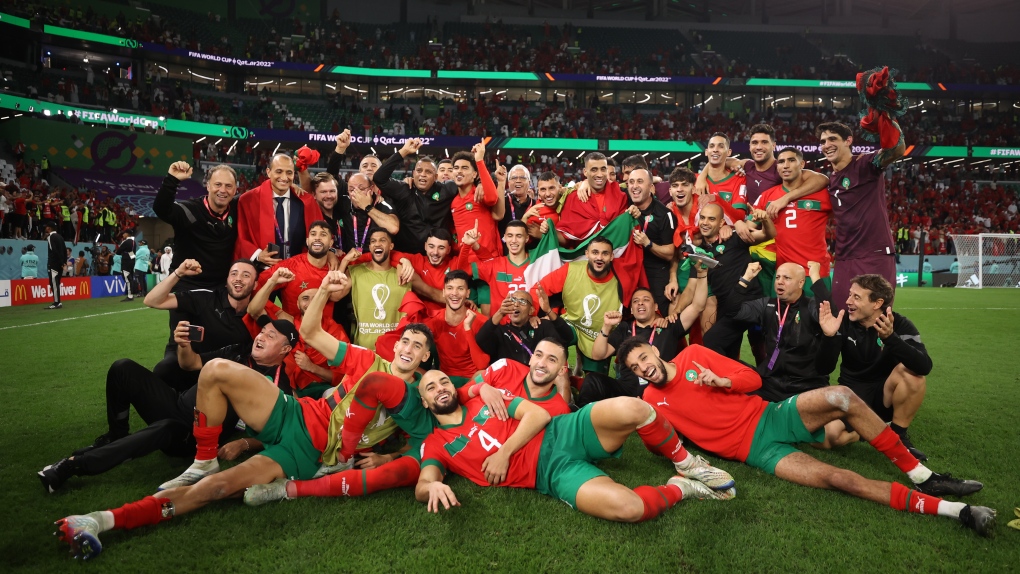
Morocco
Their previous World Cup demonstrated the power of defensive structure and tactical cohesion. Morocco should not be underestimated again.
Portugal
Portugal combines experienced leaders with younger talent entering prime years. Their squad balance could prove valuable.
Netherlands
The Netherlands repeatedly outperform expectations in tournament football. Consistency matters.
Final Thoughts: Betting Against Expectations Can Create Value
Predicting teams likely to fail does not mean expecting complete disaster. Failure often means falling below market expectations. That distinction matters enormously in betting.
The 2026 FIFA World Cup will produce surprises. Expanded formats, travel demands, and additional knockout rounds increase unpredictability. Teams such as Brazil, Norway, the United States, England, and even defending champions Argentina all face genuine concerns despite strong reputations.
Smart bettors understand one principle: The best value often appears where public opinion becomes overly confident. Identifying overhyped teams before markets adjust could become one of the most profitable strategies throughout the 2026 World Cup. Because in football, reputation wins headlines. Performance wins tournaments.