The FIFA World Cup consistently produces one of the most inefficient betting markets in global sport. Public sentiment, legacy reputation, and media narratives often inflate expectations around certain nations, pushing their odds beyond what their actual tournament probability justifies. These are commonly referred to as the most overvalued teams.
The 2026 FIFA World Cup increases this effect. With 48 teams, expanded knockout rounds, and longer travel schedules across the United States, Canada, and Mexico, variance will be higher than previous editions. That creates more opportunities for betting mispricing, especially around popular teams.
Understanding overvalued teams is not about dismissing quality. It is about identifying where market perception exceeds realistic performance output.
Why Teams Become Overvalued in World Cup Markets
World Cup betting markets are heavily influenced by perception rather than pure performance modeling. Several recurring factors consistently inflate odds. Historical success remains one of the strongest influences. Nations with multiple World Cups or long tournament traditions are often priced as elite contenders regardless of current squad strength.
Star player bias also plays a major role. Teams with globally recognized players attract disproportionate betting volume, even when tactical balance or squad depth is limited.
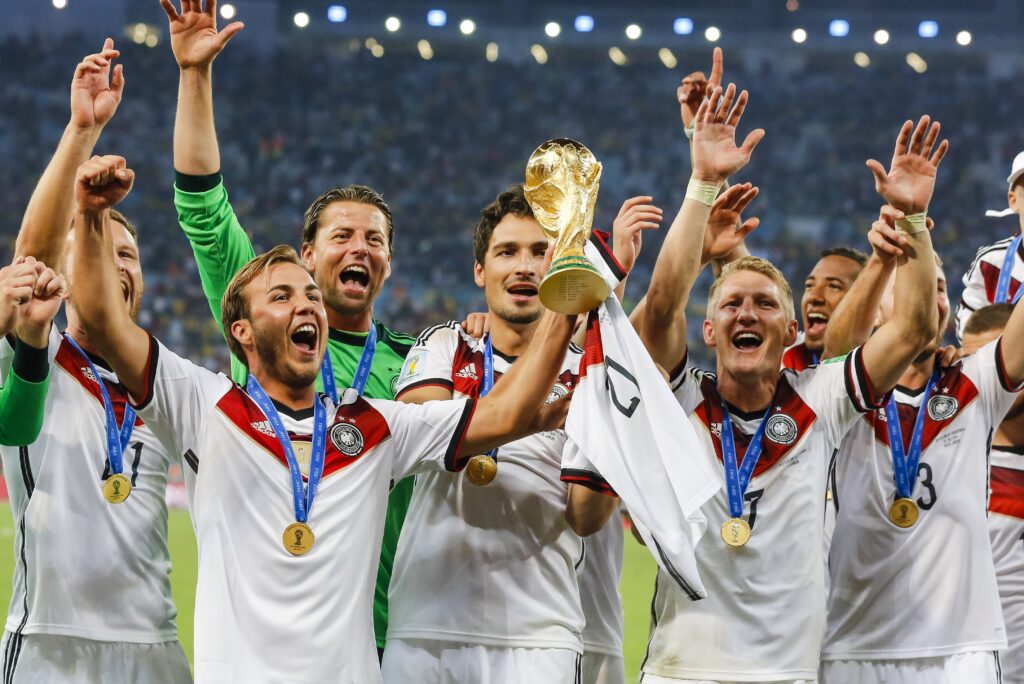
Media narratives amplify expectations further. Storylines around “golden generations,” “final chances,” or “complete squads” often shape public betting behavior more than data.
Host nation bias is another consistent factor. Home advantage is real, but markets frequently overestimate its impact on overall tournament winning probability. Finally, easy group stage projections can create false confidence. Strong early-stage matchups do not always translate into knockout success.
Most Overvalued Teams in the 2026 World Cup Betting Market
England: Elite Talent, Inconsistent Tournament Execution
England enters every major tournament among the most heavily backed sides due to squad depth and Premier League dominance. The player pool is strong across all positions, with elite attacking and midfield options.
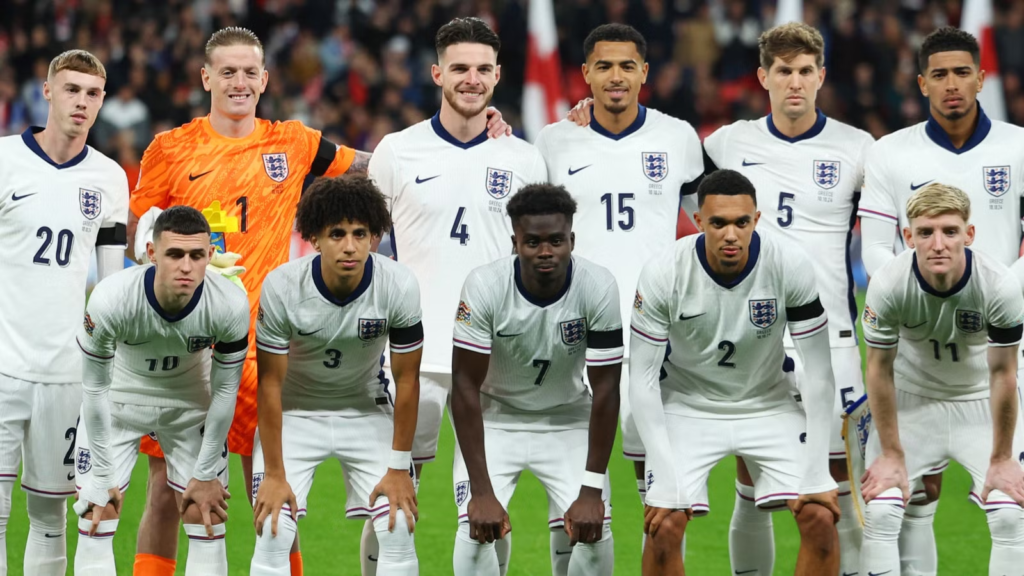
However, historical tournament performance reveals a gap between expectation and execution. In knockout football, England has often struggled against well-organized defensive systems and experienced tournament sides.
The market overvalues England based on qualifying dominance, squad reputation, and individual talent rather than proven knockout consistency.
Brazil: Reputation Still Exceeds Current Stability
Brazil remains one of the most heavily bet national teams due to its global legacy. Five World Cup titles continue to influence market behavior.
The current squad features elite attacking talent capable of deciding matches individually. However, tournament stability has been inconsistent in recent editions.
Defensive structure and game management in knockout rounds remain concerns. The betting market continues to price Brazil based on historical dominance rather than recent tournament outcomes.
USA: Host Nation Inflation Effect
Host nations typically receive inflated odds due to historical trends suggesting improved performance at home tournaments.
The United States benefits from strong home support, improved infrastructure, and a growing player base competing in top European leagues.

However, expectations of deep tournament progression may exceed realistic competitive levels against established elite nations. The pricing reflects optimism around development rather than proven World Cup knockout performance.
Argentina: Defending Champion Market Bias
Defending champions often enter the next World Cup with elevated expectations regardless of squad evolution.
Argentina carries strong recent success and experienced leadership, but defending titles in consecutive tournaments is historically rare. The market tends to overvalue continuity and emotional momentum while underestimating squad aging cycles and increased tactical targeting from opponents.
Portugal: Star Power vs Structural Balance
Portugal consistently attracts attention due to high-profile attacking talent. However, reliance on individual brilliance can create imbalance in tournament contexts where defensive organization and midfield control are critical. The market often prices Portugal as a deeper contender than their structural consistency supports.
Why Overvaluation Happens in World Cup Betting
Betting markets are shaped by psychological patterns that repeat every tournament cycle. Superstar bias leads to overestimation of teams with elite forwards or midfielders.
Recent memory bias causes bettors to overreact to the most recent World Cup or continental tournament. Narrative influence pushes emotional storylines into pricing models. And finally, favorite bias leads to overconfidence in top-ranked nations regardless of matchup dynamics.
How Overvalued Teams Create Betting Opportunities
Identifying overvalued teams is not about avoiding strong nations entirely. It is about recognizing pricing inefficiencies.
These inefficiencies often appear in knockout rounds where tactical matchups matter more than reputation. They also emerge in group stages when public betting volume distorts odds. Successful betting strategies focus on structural balance, tactical discipline, and matchup advantage rather than name value.
Underrated Teams That Benefit From Market Bias
When major teams are overvalued, structurally disciplined nations often become undervalued. Teams with strong defensive organization, efficient transition play, and lower media pressure frequently outperform expectations. Emerging football nations with tactical clarity and cohesive systems also benefit from inflated odds around traditional powers.
Final Analysis: Understanding Market Mispricing in 2026
The 2026 World Cup betting landscape will be heavily influenced by perception-driven pricing. Traditional giants and host nations will attract significant betting volume, often pushing their odds beyond realistic probability levels.
England, Brazil, Argentina, Portugal, and the USA all enter the tournament with strong narratives that may not fully align with tactical reliability or knockout consistency.
Successful betting approaches will depend on identifying where reputation outweighs performance indicators and where structural teams are undervalued in comparison to emotionally backed favorites.