
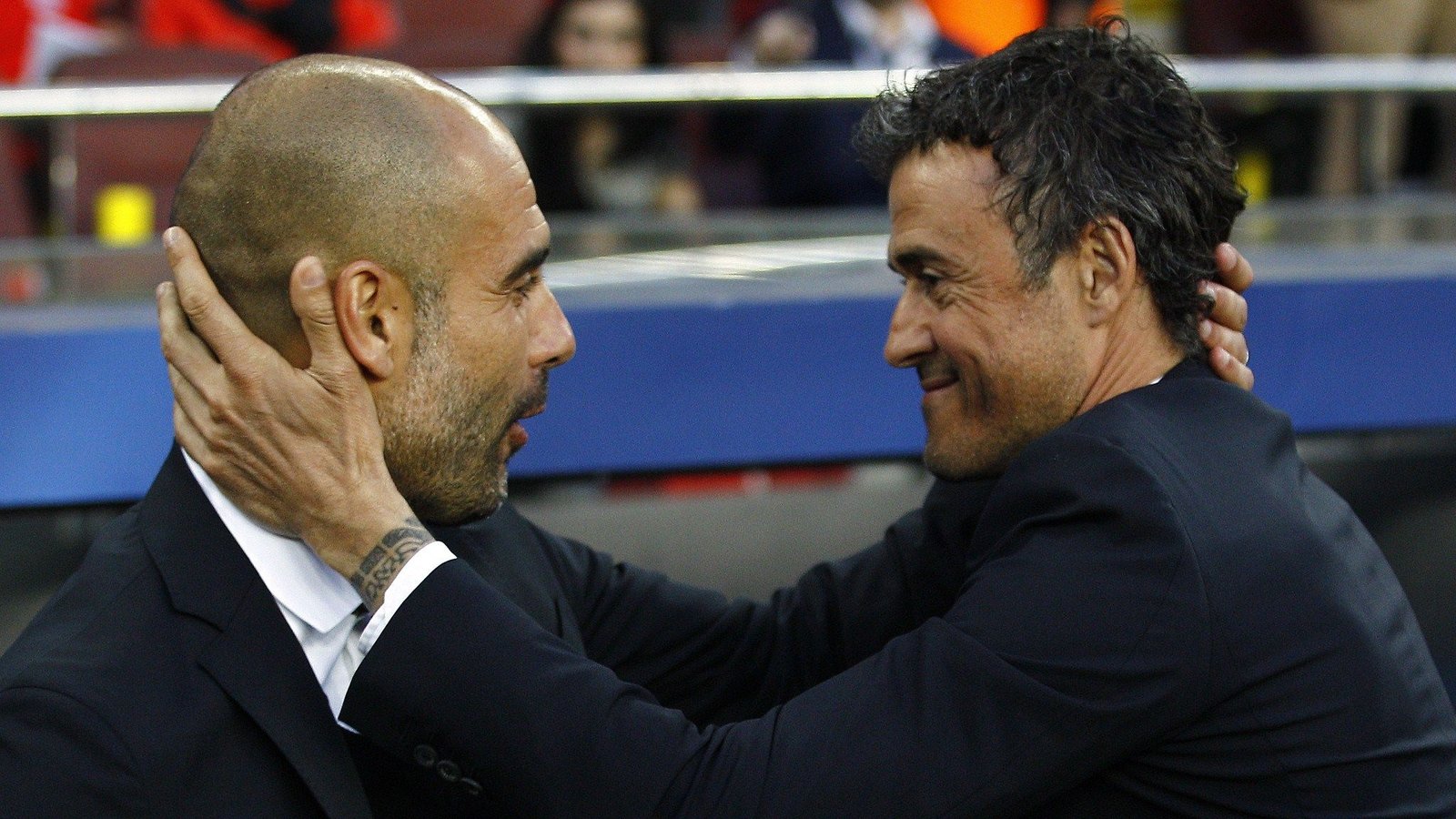
The debate over the top managers in Football has become increasingly difficult because modern coaching is no longer judged only by trophies. Silverware remains the clearest measure of success, but elite managers must now combine tactical innovation, squad building, player development, adaptability and man-management.
The modern game demands much more than selecting an XI and preparing a game plan. Managers are expected to build playing identities, improve players, manage demanding dressing rooms and adapt their methods as opponents learn how to stop them. The best coaches also have to remain successful while football itself continues to evolve.
That makes ranking the top managers in Football a complicated exercise. A coach such as Pep Guardiola has transformed positional play at club level, while Carlo Ancelotti has repeatedly demonstrated that adaptability and personality can be just as important as tactical structure. Luis Enrique has added another Champions League triumph to his CV, while Mikel Arteta and Xabi Alonso represent the younger generation attempting to establish their own era of dominance.
There is no single formula for managerial greatness. However, when trophies, tactical influence, longevity, adaptability and recent achievements are considered together, these are five of the strongest candidates for the modern-era top five.
5. Mikel Arteta
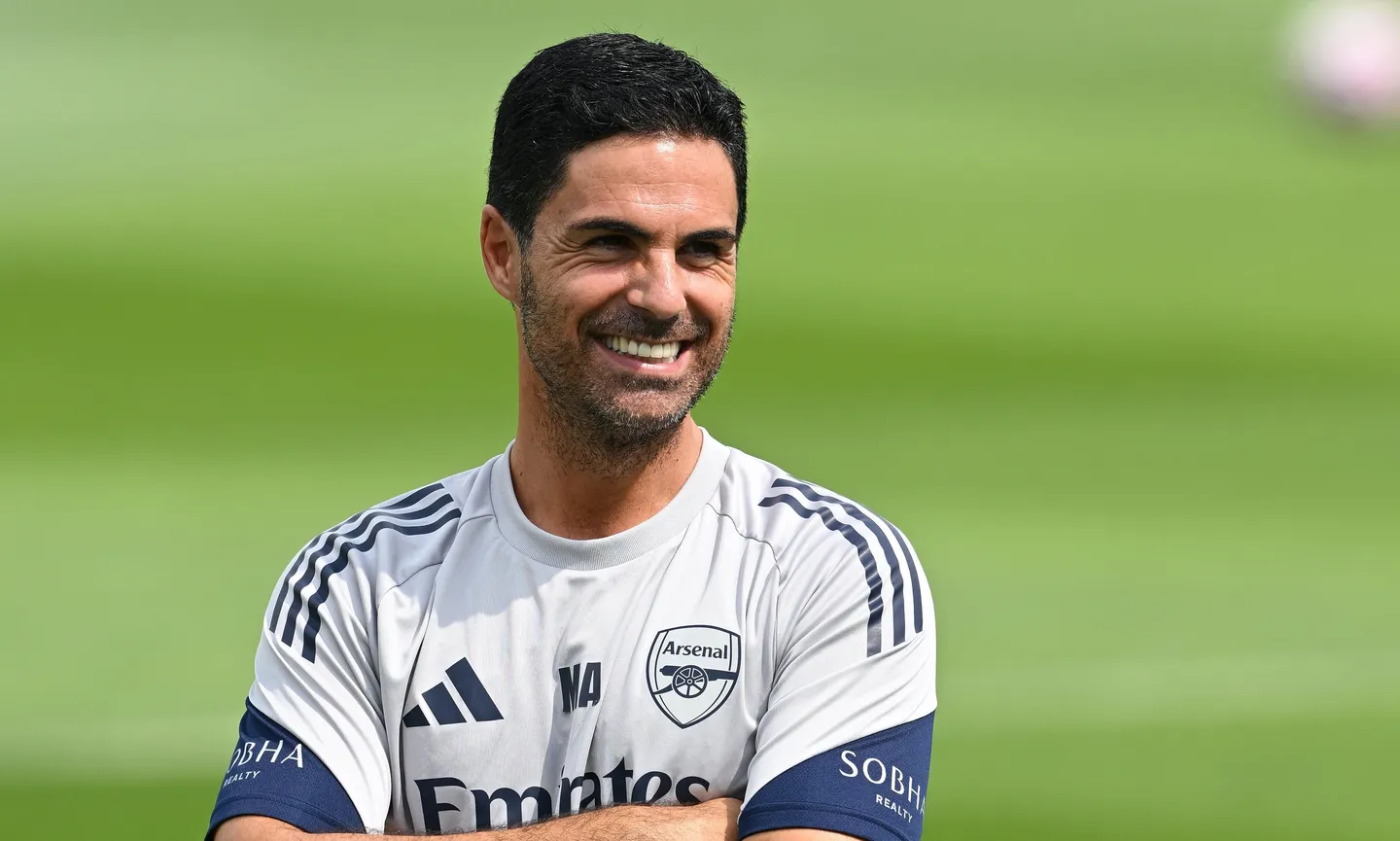
Mikel Arteta has gradually transformed Arsenal from a team searching for an identity into one of Europe’s most tactically sophisticated sides. His rise is particularly interesting because Arteta’s coaching career developed under the influence of Pep Guardiola at Manchester City. Rather than simply copying his former mentor, however, Arteta has developed his own interpretation of positional football. Arsenal’s structure is built around control. The team wants to dominate territory, establish numerical advantages and limit the opposition’s opportunities to attack in transition. That requires exceptional positional discipline because every movement has an effect on the team’s overall structure.
Arteta has also placed enormous importance on defensive organisation. Arsenal can press high when the circumstances allow it, but they are equally capable of dropping into a compact structure when necessary. That flexibility has helped them compete consistently at the highest level. One of Arteta’s biggest achievements has been the cultural transformation at Arsenal. The club had spent several years moving between different managerial philosophies before Arteta established a clear direction.
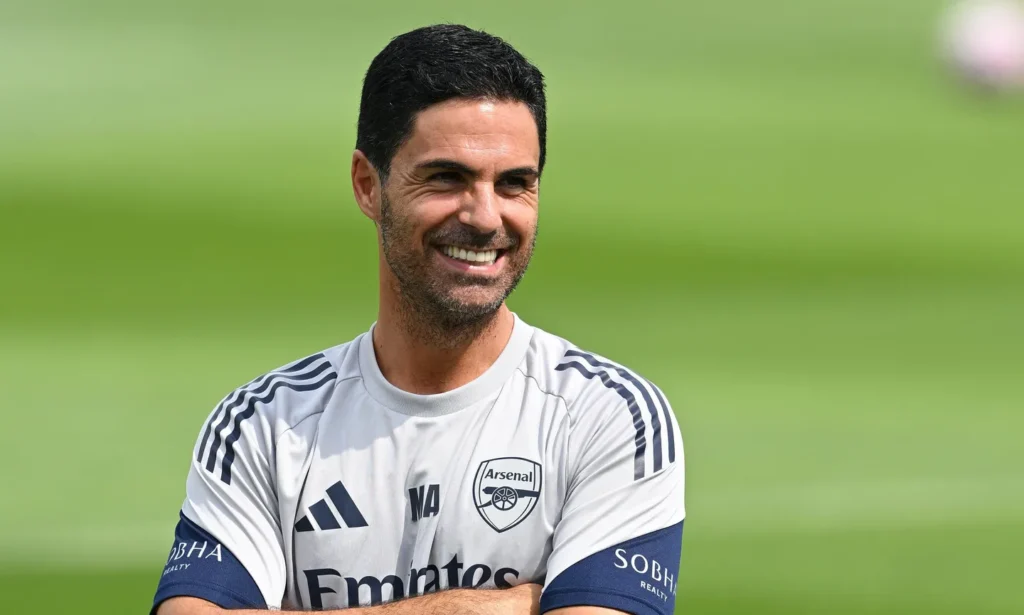
He has also shown considerable faith in young players while gradually increasing the squad’s physical and technical quality. The result is a side with greater depth and a much clearer understanding of how it wants to play. The FootballTransfers manager ranking supplied for this analysis placed Guardiola first and Arteta second, highlighting Arsenal’s development, squad depth and improved ability to deal with difficult periods.
Arteta’s main weakness in this particular ranking is simple: he still needs the biggest trophies to match the reputations of the managers above him. His Arsenal project has been impressive, but sustained domestic and European silverware would strengthen the argument that he belongs among the very greatest managers of his generation. That does not diminish his achievements. At this stage of his career, Arteta already looks like one of the defining coaches of the new generation.
4. Xabi Alonso
Xabi Alonso’s rise has been one of the most fascinating managerial stories of the modern era. His reputation was built at Bayer Leverkusen, where he demonstrated that a former elite midfielder could translate an understanding of space, tempo and positioning into management. His Leverkusen side became famous for controlled possession, intelligent rotations and the ability to change shape according to the phase of play.
Alonso’s tactical framework is particularly interesting because it does not rely on a conventional formation remaining fixed throughout a match. A nominal 3-4-2-1 can become a 3-2-5 during possession. Wing-backs provide width, midfielders occupy central spaces and attacking players operate between the lines. This allows the team to create several passing options while keeping enough players behind the ball to control transitions.
The supplied tactical analysis describes Alonso’s approach as centred on vertical possession, central overloads and analytical in-game adjustments. That adaptability is one of his greatest strengths.
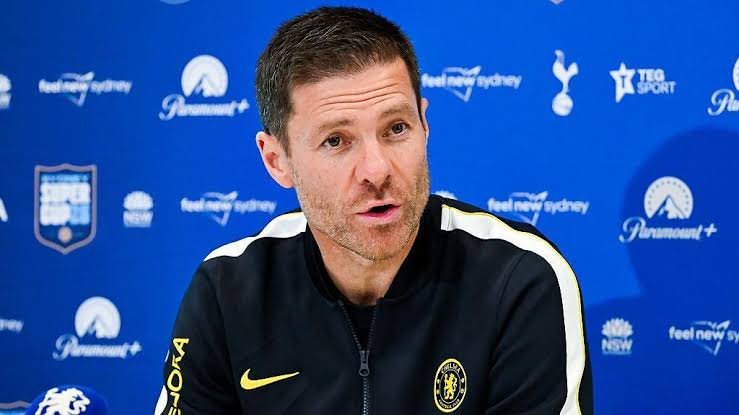
Alonso also benefits from his experience as a player. During his playing career, he worked under several exceptional managers and experienced different footballing cultures. That background appears in the way his teams combine positional discipline with freedom in the final third. His next challenge at Real Madrid provides a completely different test.
Managing a club with Madrid’s expectations requires more than tactical intelligence. A coach must handle established stars, enormous media pressure and a board that expects trophies every season. Alonso therefore has the opportunity to demonstrate whether his success can be reproduced at the highest possible level. That is why he ranks fourth rather than higher. His ceiling may be extraordinary, but managerial greatness ultimately requires longevity. Guardiola, Ancelotti and other established figures have sustained excellence for many years. Alonso is still building that body of work.
If he can reproduce his tactical success at Real Madrid, however, he could move rapidly towards the top of any future ranking of the top managers in Football.
3. Luis Enrique
Luis Enrique’s position has changed significantly over the past two years. For much of his career, the Spaniard was respected as an elite manager with major achievements at Barcelona and Spain. His PSG project, however, has strengthened his reputation considerably. The biggest argument in his favour is his ability to construct teams around collective principles rather than relying entirely on individual brilliance.
His PSG side became increasingly aggressive without the ball and increasingly disciplined with it. Possession was not simply a way to create chances. It also became a defensive mechanism because PSG could control matches by keeping the opposition away from the ball. That philosophy was rewarded spectacularly in Europe.
UEFA confirms that Luis Enrique became only the fifth manager to win the European Cup or Champions League three times after PSG’s 2026 triumph. His three victories came with Barcelona in 2015 and PSG in 2025 and 2026. His achievement is even more impressive because he has won the competition with two different clubs. He also belongs to an even smaller group of managers who have completed the continental treble twice. UEFA records that Luis Enrique achieved the feat with Barcelona in 2015 and PSG in 2025, joining Guardiola as the only two managers to complete that particular treble twice.
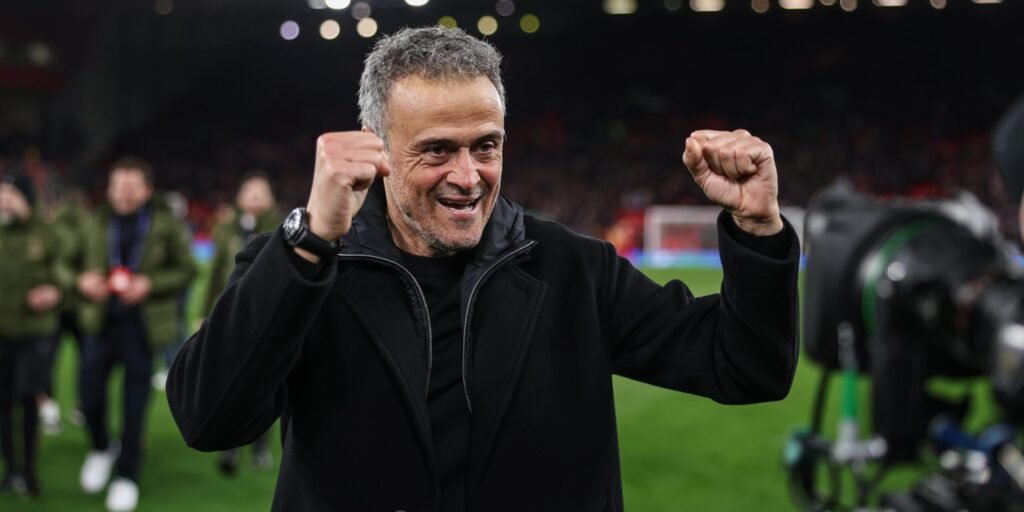
That success changes the way his career should be viewed. Luis Enrique is no longer simply the manager who benefited from Barcelona’s famous attacking trio during the 2014/15 season. His PSG work demonstrated that he could build a different kind of successful team. His approach is based on aggressive counter-pressing, positional rotations and collective responsibility. Players must understand when to maintain width, when to move inside and when to attack spaces created by teammates.
The biggest question surrounding Luis Enrique concerns longevity at the absolute summit. Guardiola and Ancelotti have maintained elite status across multiple generations, while Enrique’s greatest achievements have arrived in distinct periods. Nevertheless, three Champions League titles place him in an extremely select group. For that reason, he deserves a place among the modern top managers in Football, and his recent European achievements arguably make him one of the strongest candidates to challenge the established hierarchy.
2. Carlo Ancelotti
If tactical innovation were the only criterion, Carlo Ancelotti might not always dominate the conversation. If management as a complete discipline is being judged, however, it becomes almost impossible to leave him near the top. Ancelotti’s greatest strength has always been adaptability.
Rather than forcing every squad into one rigid tactical structure, he studies the players available and builds a system that maximises their strengths. His teams have operated in different shapes throughout his career, including 4-3-3, 4-4-2 and 4-2-3-1 structures. The supplied analysis makes the same point, describing Ancelotti as a pragmatic coach who adapts his system to the quality and characteristics of his players.
That philosophy has worked across multiple countries and football cultures. Ancelotti has managed AC Milan, Chelsea, Paris Saint-Germain, Real Madrid, Bayern Munich and Juventus, among other major clubs. He has won domestic titles in several of Europe’s major leagues and repeatedly succeeded under enormous pressure.
His Champions League record is particularly difficult to challenge. UEFA’s current records list Ancelotti as the competition’s most successful manager, with five Champions League titles. His victories came with AC Milan in 2003 and 2007 and Real Madrid in 2014, 2022 and 2024. He has also reached six Champions League finals, another record for a manager.Those numbers explain why Ancelotti remains so difficult to remove from discussions about the greatest modern managers.
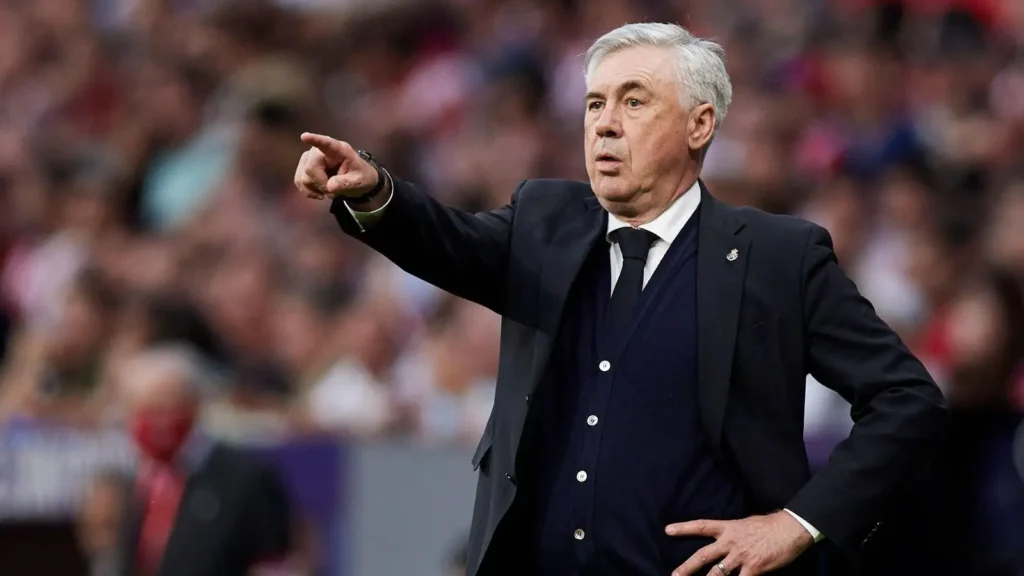
Yet the statistics only tell part of the story. His management of personalities has been just as important. Elite clubs contain players with enormous reputations, salaries and expectations. Keeping such a dressing room united requires communication, authority and trust. Ancelotti rarely appears obsessed with proving that the manager is the most important person at the club. Instead, he tends to create an environment where players understand their responsibilities while retaining enough freedom to solve problems on the pitch.
That makes him particularly suited to international football. International managers have limited training time and cannot install the same level of automation that club coaches can develop over an entire season. Ancelotti’s ability to adapt quickly to different players makes his approach highly transferable. His appointment as Brazil manager adds another major chapter to his career and provides a fresh test of that philosophy. At 67, his career is already historic. Yet his continued ability to operate at elite level explains why he remains second in this ranking.
1. Pep Guardiola
Pep Guardiola remains the benchmark when discussing the top managers in Football. There are managers with comparable trophy collections, managers with longer careers and managers who have succeeded in different circumstances. Few, however, have influenced the way football is played as profoundly as Guardiola.
His impact extends beyond the trophies won by Barcelona, Bayern Munich and Manchester City. Guardiola helped popularise and refine a modern interpretation of positional play based on controlling space, creating passing triangles and manipulating opposition structures. His teams have consistently tried to create numerical or positional advantages rather than relying solely on individual ability. At Manchester City, that philosophy evolved again. The traditional idea of full-backs maintaining their positions became increasingly flexible. Defenders moved into midfield, midfielders occupied attacking zones and the team’s shape changed dramatically between possession and defensive phases.
The objective was always the same: control the ball, control space and reduce the opponent’s ability to attack in transition. Guardiola’s success in England also demonstrated that his methods were not restricted to Barcelona’s footballing culture. He won major trophies in Spain, Germany and England. His Manchester City team eventually conquered Europe, with the 2023 Champions League completing a historic treble. UEFA records Guardiola as a three-time Champions League-winning manager, behind only Ancelotti in the modern record book.
The supplied 2026 manager power ranking placed Guardiola first, citing his continued tactical evolution and ability to construct another competitive Manchester City side. That ability to evolve is perhaps the strongest argument for placing him first. Football eventually catches up with successful managers. Opponents study their systems, copy their ideas and develop strategies designed specifically to disrupt them. Guardiola has repeatedly responded by changing his own football.
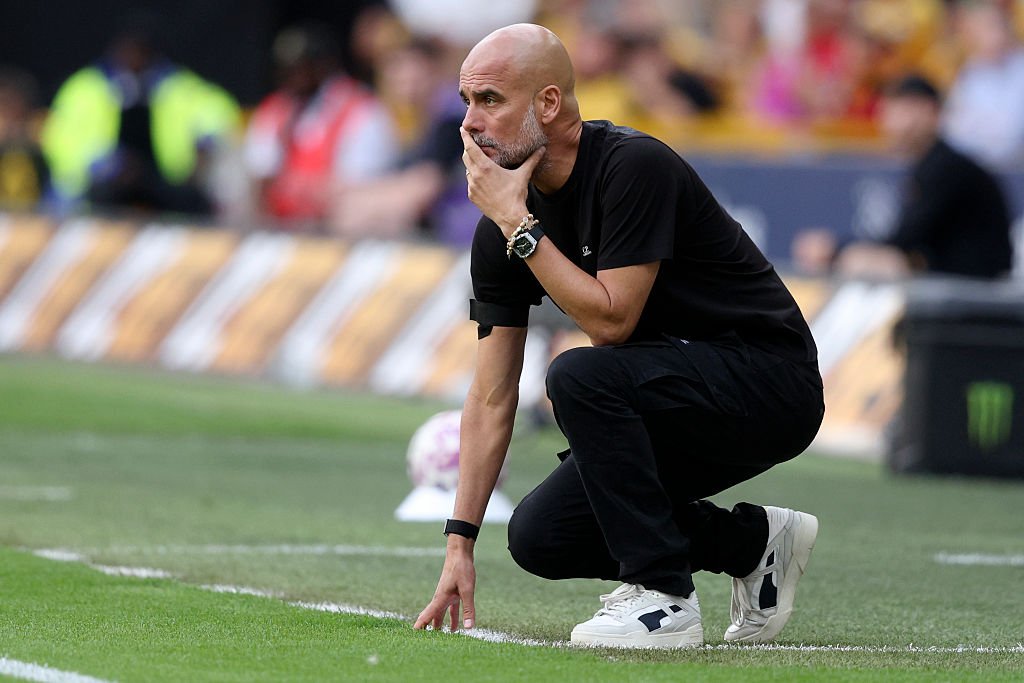
His teams have looked different at different stages of his career, yet the underlying principles remain recognisable. He wants his players to understand space, passing angles, pressing triggers and positional relationships rather than simply memorising movements. That has made his influence much larger than Manchester City. Coaches across Europe have adopted elements of his philosophy. The use of inverted full-backs, box midfield structures, positional rotations and controlled build-up play has become increasingly common across elite football.
Arteta is one of the clearest examples of a younger manager influenced by Guardiola while developing his own interpretation. Guardiola’s greatest achievement, therefore, may not be a particular trophy or unbeaten run. It is the fact that he has changed the tactical vocabulary of elite football.
What separates the top managers in Football?
Ranking managers will always create disagreement because different coaches solve different problems.Guardiola represents tactical innovation and positional control. Ancelotti represents adaptability and elite man-management. Luis Enrique combines possession with aggressive counter-pressing. Arteta represents the new generation of highly structured coaches, while Alonso represents the next wave of tactical thinkers attempting to establish themselves at the biggest clubs.
There is also an important lesson from the international managers highlighted in the supplied World Cup material. Didier Deschamps’ success with France demonstrates the value of defensive stability and psychological leadership. Lionel Scaloni showed how important balance can be when managing a team containing extraordinary individual talent. Luis de la Fuente rebuilt Spain around possession while introducing a more direct attacking element. Thomas Tuchel brings a different combination of tactical detail, demanding standards and elite club experience.
These examples reinforce one point: there is no single blueprint for becoming one of the top managers in Football. The greatest coaches share one characteristic above all else. They find ways to make their teams better. Some achieve that through tactical innovation. Others rely on organisation, adaptability or exceptional man-management. The very best combine several of these qualities.
Final ranking
Based on trophy records, tactical influence, longevity, adaptability and recent achievements, my ranking of the modern era’s five leading managers is:
1. Pep Guardiola
2. Carlo Ancelotti
3. Luis Enrique
4. Xabi Alonso
5. Mikel Arteta
The order will inevitably change as careers develop. Arteta and Alonso have years ahead of them to build their legacies. Luis Enrique can strengthen his position with further European success. Ancelotti’s achievements already place him among the greatest managers the game has produced.
Guardiola, meanwhile, remains the clearest example of a coach whose influence extends beyond his own teams. That is ultimately what makes the debate over the top managers in Football so compelling. Football constantly changes, but the managers who leave a lasting tactical and cultural influence become part of the game’s history.
The next generation will eventually replace today’s leading figures. For now, however, Guardiola, Ancelotti, Luis Enrique, Alonso and Arteta represent five different versions of what elite management can look like in the modern game.
One thought on “Top Managers In Football: Ranking The Modern Era’s Top 5”
Comments are closed.