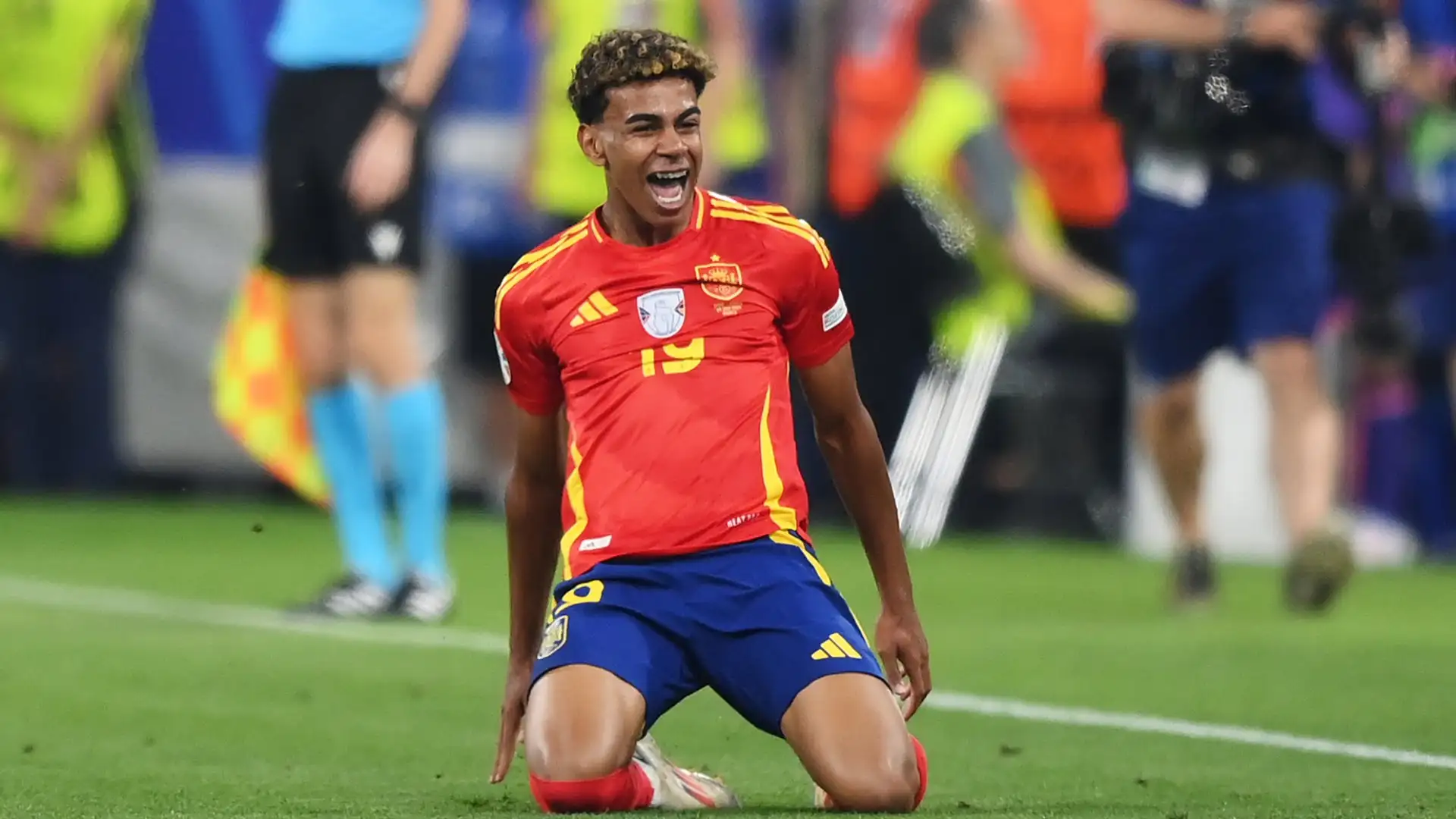
The World Cup Final Predictions 2026 debate carries more uncertainty than any previous edition of the tournament. The expansion to 48 teams changes the entire competitive structure, increasing the number of knockout rounds and demanding greater physical endurance, tactical flexibility, and squad depth.
Unlike earlier World Cups, where elite teams could rely on a stable core XI to reach the final, the 2026 edition rewards adaptability. Teams must now survive eight matches to win the trophy. This alters prediction models significantly, shifting emphasis from star power alone to system strength, rotation quality, and game-state management. Modern statistical models highlight three dominant factors shaping World Cup Final Predictions:
- Squad depth across all positions
- Tactical flexibility under pressure
- Efficiency in knockout-stage chance conversion
These factors consistently separate champions from contenders.
Structural Impact of the 48-Team Format on World Cup Final Predictions
The expanded format introduces a more congested path to the final. Additional group dynamics and an extra knockout round increase variance, making surprises more likely while still favoring structurally elite teams.
In World Cup Final Predictions, this means:
- Teams with shallow squads suffer in later rounds
- Injury resistance becomes critical
- Tactical “one-plan” teams are easier to eliminate
- Bench players increasingly decide knockout matches
Historically, World Cup winners are already elite defensively. In 2026, defensive consistency combined with rotation quality becomes even more decisive. This is why prediction models overwhelmingly favor teams with strong midfield control and balanced defensive structures over purely attacking-heavy sides.
Tier 1 Favorites in World Cup Final Predictions 2026
France: The Most Complete Tournament Machine
France national football team stands at the top of nearly every analytical model for World Cup Final Predictions 2026. Their strength is not just talent density but structural stability across all phases of play.
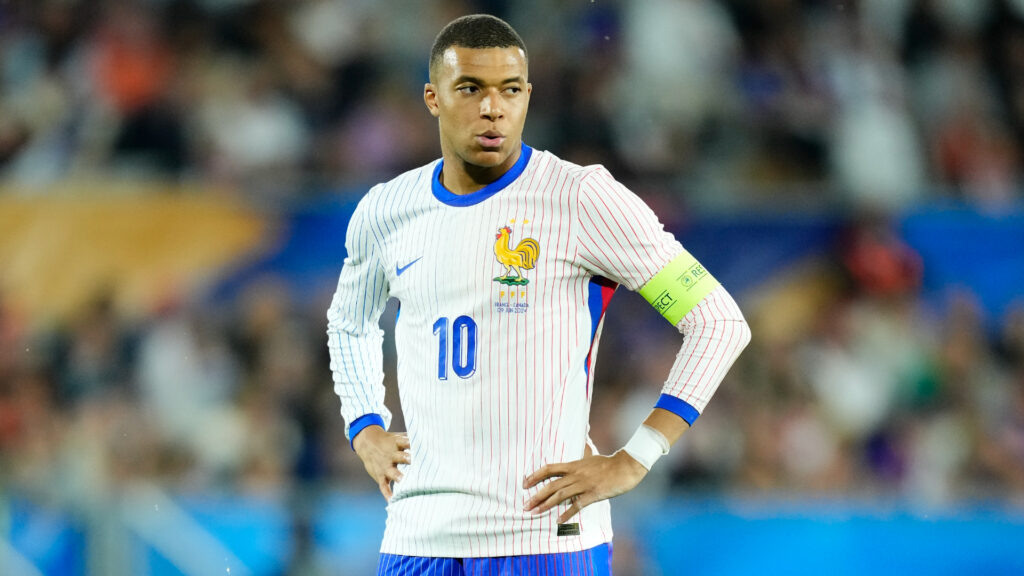
France’s system is built on controlled chaos: they do not need to dominate possession to dominate matches. Instead, they absorb pressure in a compact defensive block and transition into devastating attacking phases within seconds.
Key structural strengths:
- Elite defensive core that minimizes high-quality chances conceded
- Midfield balance that allows seamless transitions between defense and attack
- World-class finishing efficiency in knockout scenarios
Kylian Mbappé remains the central threat, but France’s strength is collective. Antoine Griezmann’s intelligence between lines and Aurélien Tchouaméni’s defensive coverage give France unmatched stability in high-pressure matches.
In knockout tournaments, France consistently outperform expected metrics, meaning they win matches even when underlying performance is not dominant. This trait is crucial in World Cup Final Predictions.
Spain: The Most Structured Tactical Identity in World Football
Spain national football team has evolved into one of the most tactically refined sides in international football. Their modern system blends traditional possession dominance with vertical attacking acceleration.
Unlike previous generations, Spain now combines control with directness. Rodri anchors the midfield with elite positional intelligence, allowing Spain to control tempo while minimizing transition risks.
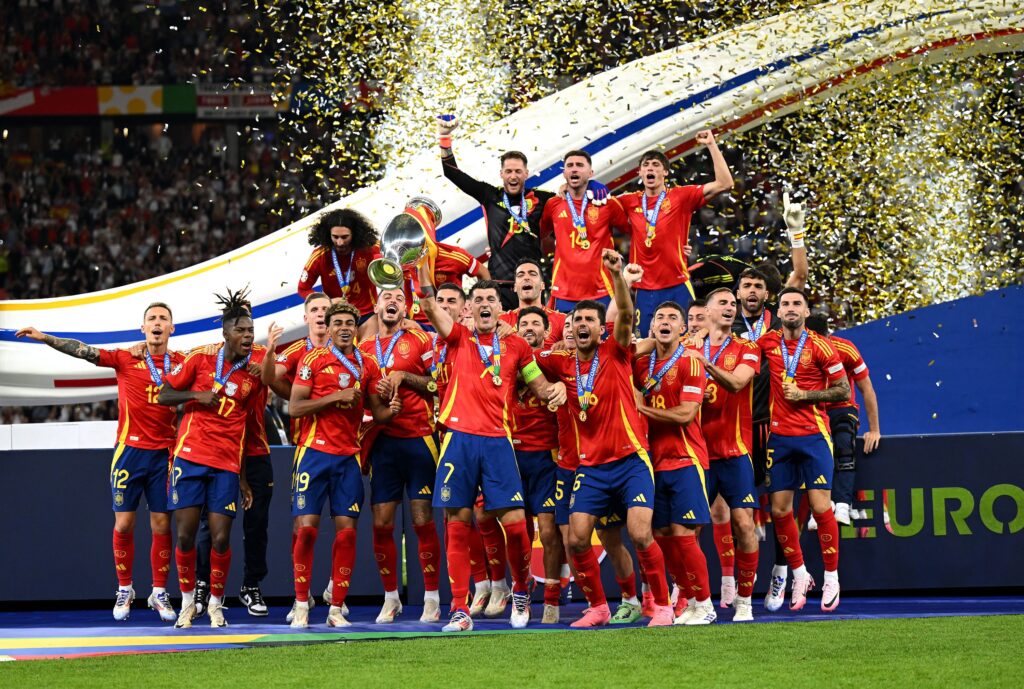
Key strengths shaping their World Cup final probability:
- High press recovery leading to sustained attacking pressure
- Elite ball retention in midfield zones
- Wide attackers capable of breaking low defensive blocks
- Strong chance creation through structured buildup phases
The emergence of Lamine Yamal and Nico Williams has transformed Spain’s attacking profile. They now possess elite 1v1 dribblers capable of destabilizing compact defenses, solving a historical weakness. In World Cup Final Predictions, Spain rank extremely high because their system reduces randomness. They control match tempo, suppress opponent chances, and create repeatable attacking patterns.
Tier 2 Contenders in World Cup Final Predictions 2026
England: Depth, Structure, and Elite Midfield Balance
England national football team remains one of the strongest squads statistically across all prediction models. Their advantage lies in positional depth and versatility. England’s evolution under modern tactical systems has produced a balanced team capable of both possession control and direct attacking transitions.
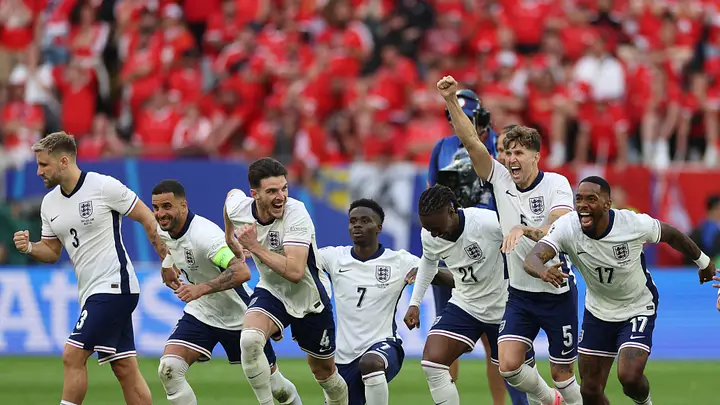
Key advantages:
- Elite midfield trio combining control, energy, and creativity
- High-quality wide attackers capable of isolating defenders
- Strong defensive record in tournament football
- Set-piece efficiency consistently above international average
Jude Bellingham provides dynamic midfield progression, while Harry Kane offers dual functionality as a striker and deep playmaker. Bukayo Saka and Phil Foden add unpredictable attacking variation. The primary uncertainty in World Cup Final Predictions involving England is psychological performance in semifinals. Historically, they struggle in matches decided by fine margins.
Argentina: Defending Champions with Tactical Intelligence
Argentina national football team enters 2026 as reigning World Cup champions, giving them both confidence and tactical continuity.
Their system under Lionel Scaloni is one of the most flexible in international football. Argentina can shift between possession control and compact defensive structure depending on opponent strength.

Key structural traits:
- High defensive discipline and compact spacing
- Midfield intensity that disrupts opposition rhythm
- Efficient game management when leading
- Strong tournament experience and psychological resilience
Lionel Messi still influences games creatively, but the tactical evolution of players like Enzo Fernández, Rodrigo De Paul, and Alexis Mac Allister ensures Argentina is no longer dependent on a single individual. In World Cup Final Predictions, Argentina remain dangerous due to their ability to control knockout match tempo and reduce opponent opportunities.
Tier 3 Dark Horses in World Cup Final Predictions 2026
Portugal: Tactical Depth and Squad Balance
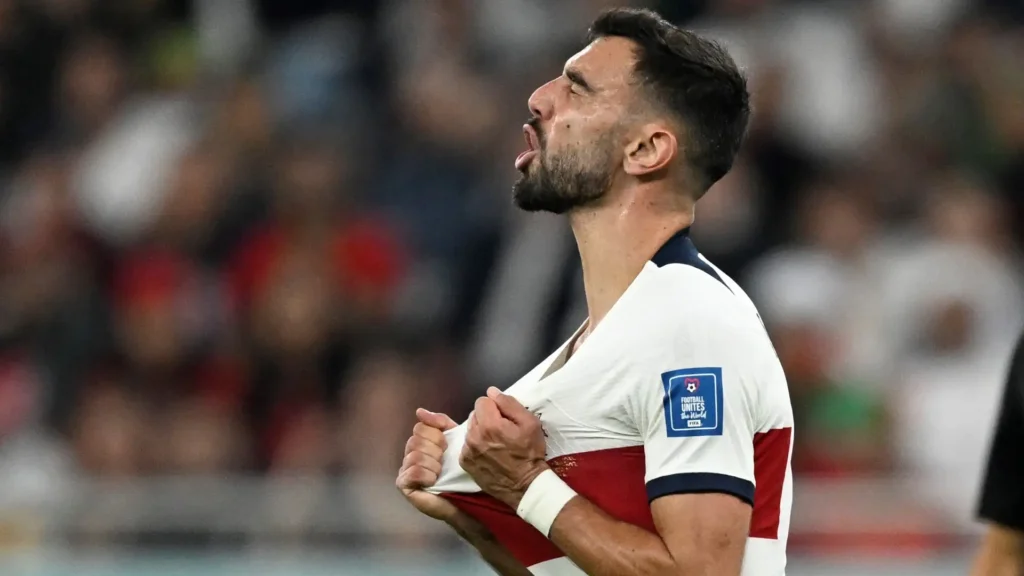
Portugal national football team is one of the most complete squads outside the traditional top tier. Their attacking flexibility allows them to adapt to multiple tactical setups. Bruno Fernandes provides creative structure, while Rafael Leão and João Félix offer explosive attacking unpredictability. Portugal’s strength lies in rotation depth, making them highly competitive in a long tournament format.
Germany: Tactical Reinvention Under Modern Pressing Systems
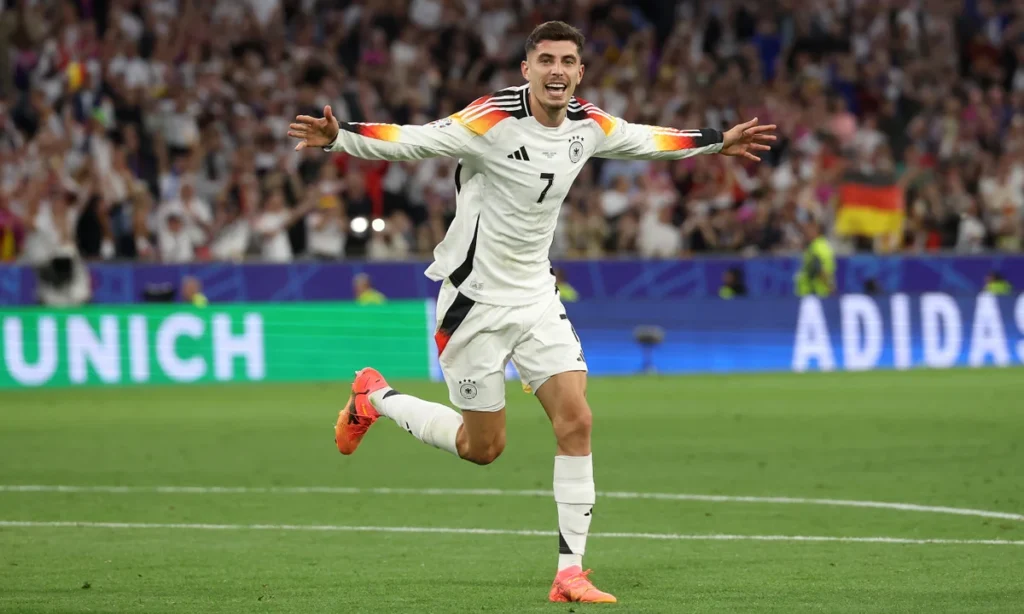
Germany national football team has regained identity through structured pressing and technical midfield control. Jamal Musiala and Florian Wirtz represent one of the most creative young midfield combinations in world football. Their ability to unlock compact defenses is crucial in knockout stages. If Germany stabilizes defensively, they become one of the most dangerous teams in the tournament due to their high-intensity pressing system.
Brazil: Pure Talent and Transition Power
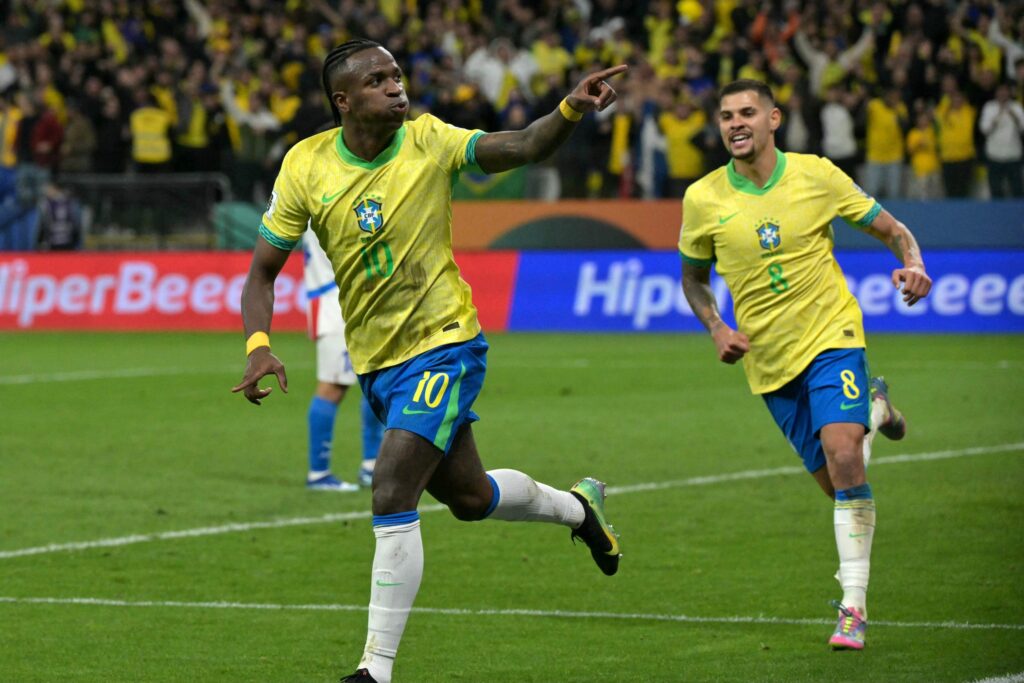
Brazil national football team remains one of the most unpredictable teams in World Cup history. Their attacking ceiling is extremely high, driven by Vinícius Júnior, Neymar, and other elite forwards capable of deciding matches individually.
However, inconsistency in defensive structure and tactical cohesion reduces their reliability in prediction models. In World Cup Final Predictions, Brazil are often classified as high-variance contenders: capable of winning the tournament or exiting early depending on form cycles.
Tactical Trends Defining World Cup Final Predictions 2026
Modern international football has shifted toward specific dominant trends:
- High-intensity pressing systems that force turnovers
- Fast transitional attacks as primary scoring method
- Midfield control determining match outcome probability
- Set-piece efficiency becoming a knockout differentiator
- Squad rotation depth outperforming star reliance
Teams that master transitions and defensive structure consistently outperform expected goals models in knockout competitions.
Statistical Indicators Behind World Cup Final Predictions
Advanced models rely on several core metrics:
- Expected Goals difference (xG differential)
- Expected Goals Against (xGA control efficiency)
- Transition conversion rate
- Pressing intensity (PPDA)
- Bench contribution in knockout phases
Teams that rank high in at least three of these categories historically dominate World Cup progression probability models. France and Spain consistently outperform across these metrics, which is why they dominate most predictive simulations.
Final Prediction: World Cup Final Predictions 2026 Outcome
After combining tactical structure, statistical efficiency, and squad depth analysis, the strongest projection in World Cup Final Predictions 2026 is:
Predicted Final: France vs Spain
France national football team vs Spain national football team
This matchup represents the highest tactical ceiling in international football. Spain would control possession phases and attempt to dictate rhythm through structured buildup and positional overloads. France would absorb pressure, remain compact, and exploit transition moments with elite finishing efficiency. The contrast between structured dominance and explosive counter-attacking precision defines the modern elite level of international football.
Conclusion: What Truly Decides World Cup Final Predictions 2026
The World Cup Final Predictions 2026 cycle is no longer about the most talented squad alone. It is about system resilience across eight high-pressure matches, rotation intelligence, and the ability to win games in different tactical contexts.
Teams that combine structure, depth, and adaptability will dominate. While surprises remain possible, statistical and tactical indicators consistently point toward France and Spain as the most complete candidates to reach the final stage of the tournament.