The 2026 World Cup final is shaping up to be one of the most unpredictable and competitive showpieces in football history. With an expanded 48-team format, deeper squads, and multiple elite nations peaking at the right time, the road to the final is more complex than ever. From data-driven supercomputer models to betting market trends and tactical analysis, all signs point toward a high-intensity clash between Europe’s strongest sides.
This blog breaks down the 2026 World Cup final prediction using form, squad depth, tactical systems, and emerging trends to identify the two most likely finalists—and ultimately, the winner.
Tournament Context: Why 2026 Will Be Different
The 2026 edition, hosted across the United States, Canada, and Mexico, introduces a new structure with 12 groups and a Round of 32 knockout stage. This means more matches, increased fatigue, and a greater emphasis on squad rotation.
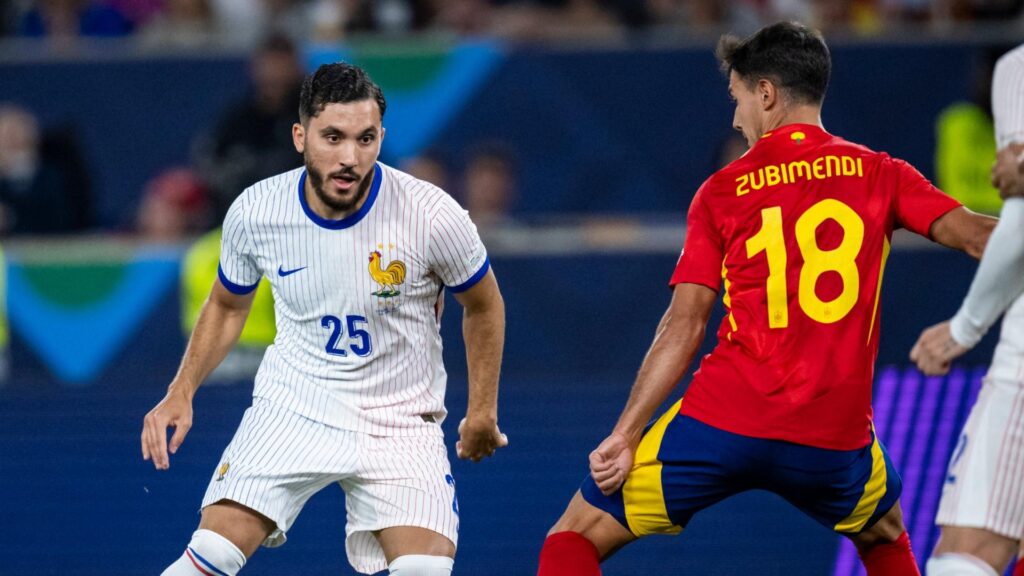
Elite nations with depth such as France, Spain, and England have a clear advantage. The ability to maintain performance levels across seven matches will be crucial in deciding who reaches the 2026 World Cup final.
Current Favorites: Market and Data Insights
Betting markets and predictive models consistently highlight a core group of contenders. Spain leads with roughly an 18% implied probability, followed closely by France and England.
Spain’s dominance stems from their Euro-winning core and unbeaten run, while France continues to rely on world-class attacking depth and tournament experience. England, despite historical inconsistency, boasts one of the deepest squads in international football.
Supercomputer simulations also support this trend, projecting deep runs for these nations and even predicting England reaching the final in one scenario.
Tactical Breakdown of Key Contenders
Spain: Control, Precision, and Depth
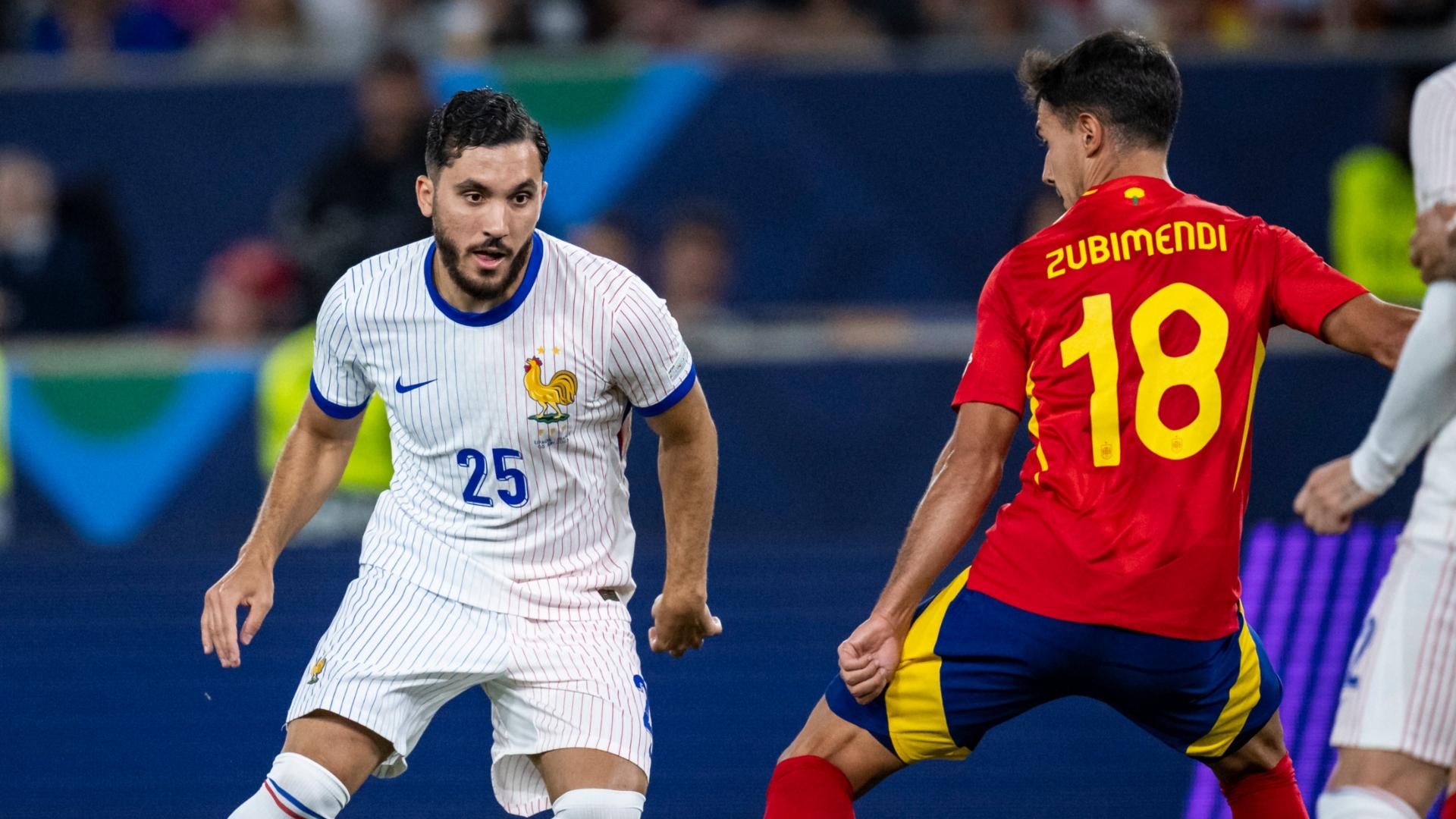
Spain enters the tournament as arguably the most balanced side. Their midfield control, led by players like Rodri and Zubimendi, allows them to dominate possession and dictate tempo.
Their attacking structure has evolved. With dynamic wide players and improved finishing options, Spain is no longer just about possession they are now efficient in the final third.
Weakness: Defensive vulnerability against fast transitions.
France: Explosive Attack and Tournament Experience
France remains the most dangerous knockout team. With players like Kylian Mbappé and a deep bench, they can adapt to multiple tactical setups.
Their ability to rotate without losing quality is critical in a long tournament. France has also reached back-to-back World Cup finals, making them the most experienced contender.
Weakness: Occasional midfield imbalance under pressure.
England: Depth Meets Tactical Evolution
England’s strength lies in squad depth. From midfield control with Declan Rice to attacking options like Jude Bellingham and Phil Foden, they have elite talent across all positions.
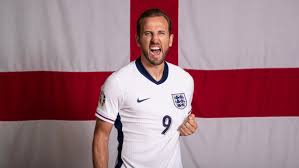
Under a structured system, England can control games effectively, but their biggest challenge remains handling high-pressure knockout matches.
Weakness: Historical struggles in finals and decisive moments.
Brazil and Argentina: Legacy vs Transition
Brazil and Argentina remain strong contenders, but both face transitional challenges.
Argentina relies heavily on experience and continuity, while Brazil is building around a younger core. Both teams have the quality to reach late stages, but consistency remains a concern.
Weakness: Aging core (Argentina), tactical inconsistency (Brazil).
Dark Horses That Could Disrupt the Final
The expanded format increases the chances of surprise runs. Teams like Portugal and Norway are emerging threats.
Norway, led by Erling Haaland, has been identified as a potential breakout team capable of reaching the semi-finals.

Portugal, meanwhile, combines experience and attacking depth, making them a dangerous knockout opponent.
Predicted Path to the Final
Based on current data, squad strength, and tactical consistency, the most realistic 2026 World Cup final scenario is:
Spain vs France
This prediction aligns with both betting markets and performance trends. Spain’s control-based system complements France’s explosive attacking style, creating a balanced and high-quality final.
Alternative scenarios include:
- England vs France (supercomputer projection)
- Spain vs England (based on current form and depth)
However, Spain vs France remains the most probable matchup.
Match Analysis: Spain vs France Final
Midfield Battle
Spain will dominate possession, but France’s transitional play will create chances. The key battle will be whether Spain can control tempo without being exposed on counterattacks.
Attack vs Defense
France’s attacking speed gives them an edge in direct play. Spain, however, relies on structured buildup and positional play.
Game Scenario
- Spain controls possession (55–60%)
- France creates high-quality chances through transitions
- Tight match decided by moments rather than dominance
Final Score Prediction
Spain 2–1 France
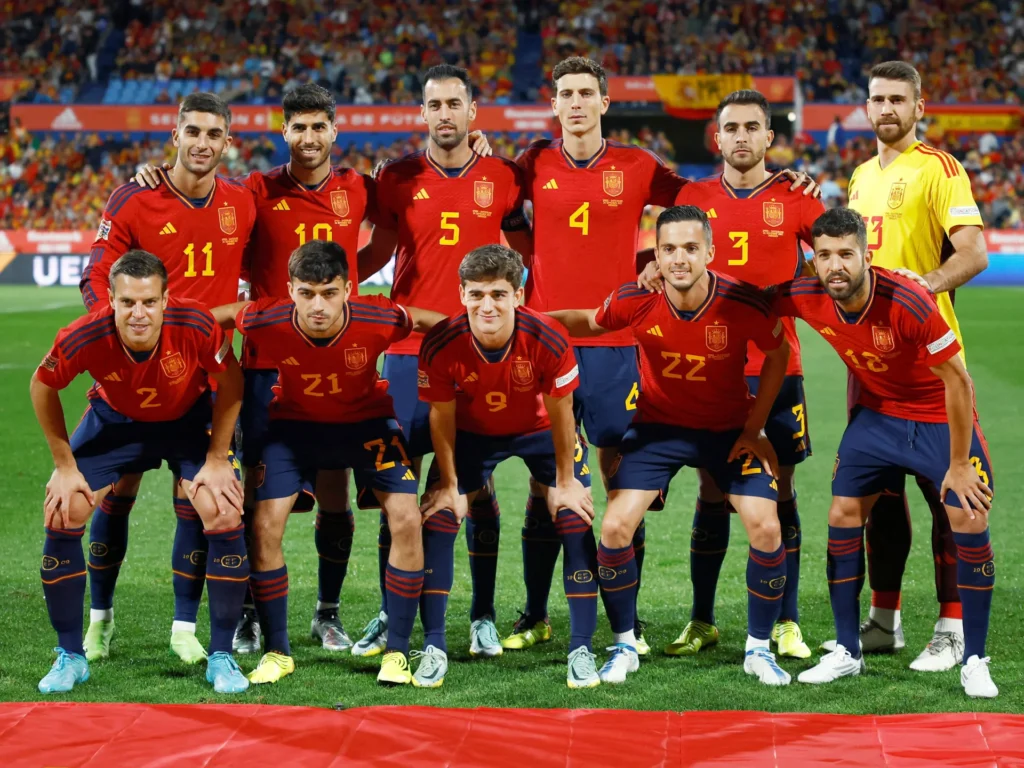
Spain’s tactical discipline and midfield control give them a slight advantage. Their ability to manage games in high-pressure situations could be the deciding factor in the 2026 World Cup final.
Key Players to Watch in the Final
- Spain: Rodri, Lamine Yamal, Mikel Oyarzabal
- France: Kylian Mbappé, Ousmane Dembélé, Michael Olise
These players are expected to influence the final outcome through individual brilliance and tactical execution.
Why Spain Wins the 2026 World Cup Final
Spain’s edge comes down to three factors:
- Midfield Dominance – Control of possession reduces opponent opportunities
- Tactical Consistency – Clear identity and structured play
- Squad Balance – Strength in both attack and defense
France remains equally dangerous, but Spain’s ability to dictate matches gives them a marginal advantage.
Final Verdict
The 2026 World Cup final is likely to be defined by tactical intelligence, squad depth, and moments of brilliance. While multiple teams have the quality to reach the final, Spain and France stand out as the most complete sides.
Prediction:
Spain will win the 2026 World Cup final and lift the trophy.
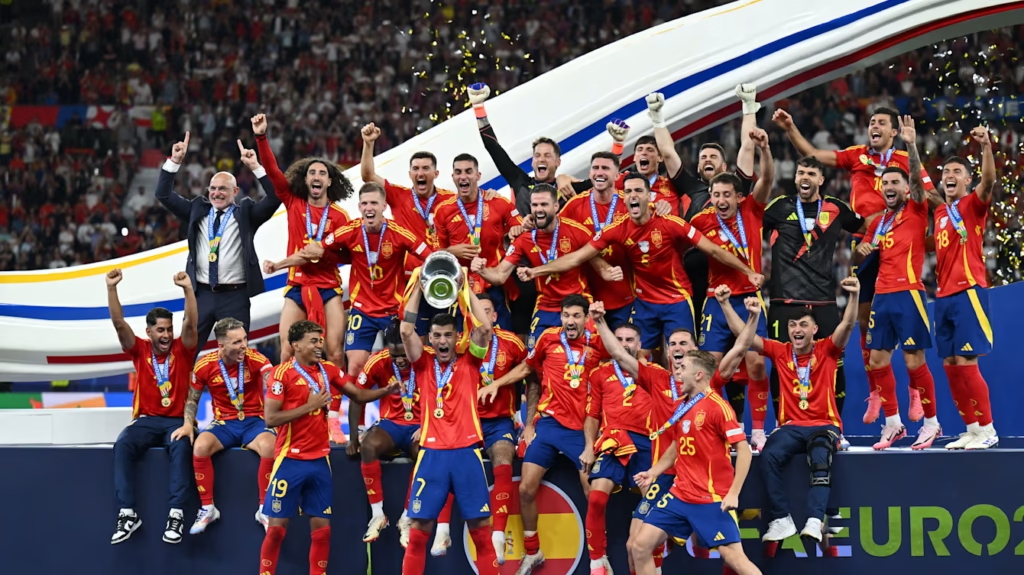
This outcome reflects current form, statistical projections, and tactical analysis, making Spain the most reliable choice heading into the tournament.