
The race to identify the strongest World Cup teams has become one of the biggest discussions in football as the 2026 FIFA World Cup approaches. With the tournament expanding to 48 teams, competition is expected to be fiercer than ever before. Traditional football giants remain favorites, but emerging nations continue closing the gap through tactical improvements, stronger domestic leagues, and talented younger generations.
Unlike previous decades when only a handful of countries dominated global football, modern international football has become unpredictable. The strongest teams are no longer defined purely by reputation or history. Squad depth, tactical flexibility, recent form, and the ability to perform under pressure are now equally important.
As football fans prepare for another unforgettable tournament, these are the nations currently considered among the strongest World Cup teams capable of competing for football’s biggest prize.
Why the Strongest World Cup Teams Matter More Than Ever
Every World Cup produces surprises, but the strongest teams usually share common characteristics. They possess world-class players, experienced managers, and the ability to perform consistently across difficult matches. Winning a World Cup requires surviving pressure, injuries, tactical adjustments, and unpredictable knockout games.
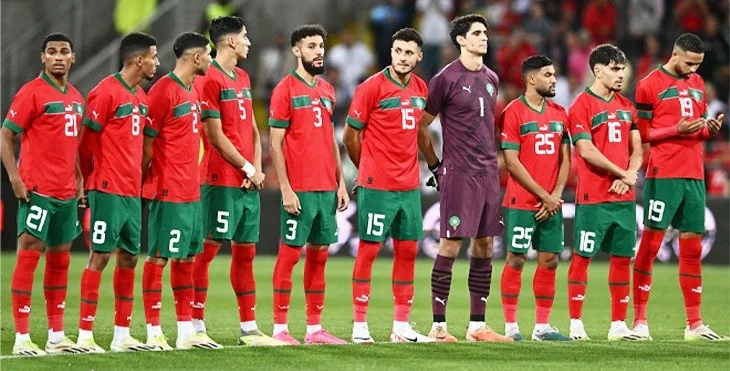
Modern football has shown that having star players alone is not enough. Teams need balance between attack and defense while maintaining consistency throughout the tournament. That is why identifying the strongest World Cup teams involves much more than simply looking at FIFA rankings.
Teams entering tournaments with momentum often outperform bigger names struggling with form. Confidence can transform good squads into champions.
France Continue to Lead the Strongest World Cup Teams
Among all contenders, France remain one of the most complete teams heading toward 2026. Their squad depth is unmatched, allowing them to replace injured players without significantly reducing quality. This advantage becomes crucial during long tournaments.
France possess elite defenders, creative midfielders, and explosive attackers capable of changing matches instantly. The influence of Kylian Mbappé continues making France one of football’s most feared teams. His speed, finishing ability, and experience in major tournaments give France an enormous attacking weapon.
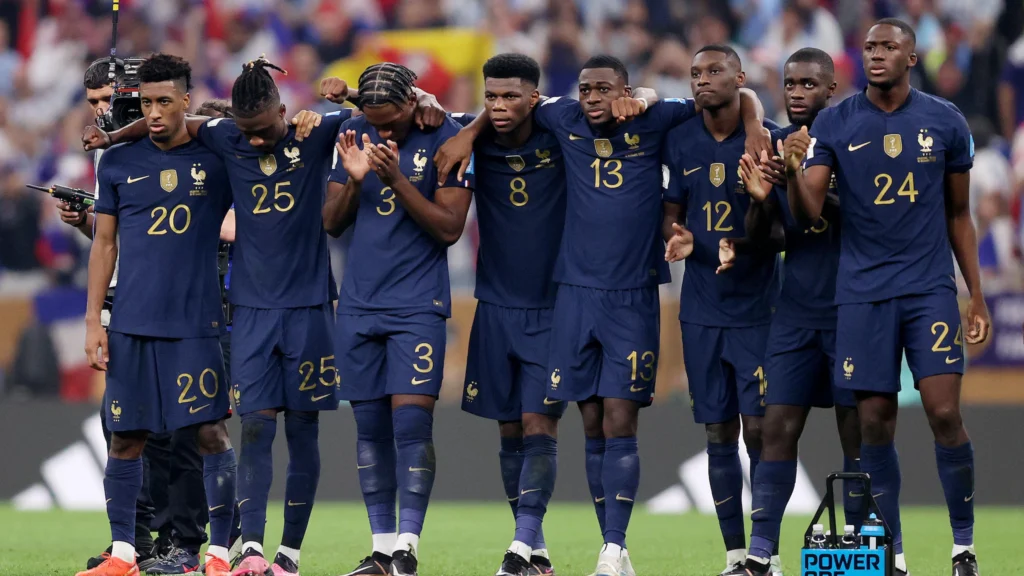
What separates France from many rivals is balance. They rarely depend on one individual player and have repeatedly shown they can succeed under pressure. Recent tournament performances reinforce their position among the strongest World Cup teams in modern football.
Spain Have Returned as Serious World Cup Favorites
Spain spent years rebuilding after the decline of their historic golden generation. That rebuilding process now appears complete.
The current Spanish squad combines technical quality with greater attacking intent. Unlike earlier versions criticized for excessive possession without penetration, modern Spain create more scoring opportunities while maintaining control over matches.

Young talents continue emerging alongside experienced players, giving Spain both energy and composure. Their biggest challenge remains converting dominance into goals against elite opposition during knockout football.
Still, few nations currently appear as tactically organized as Spain, making them one of the strongest World Cup teams entering 2026.
Argentina Still Possess Championship Mentality
Defending champions deserve respect because tournament experience often becomes a decisive advantage. Argentina continue benefiting from players who understand how to manage pressure in high-stakes situations.
The continued influence of Lionel Messi remains important, but Argentina’s success increasingly comes from collective strength rather than individual brilliance. Their defensive organization and resilience during difficult matches make them extremely dangerous opponents.
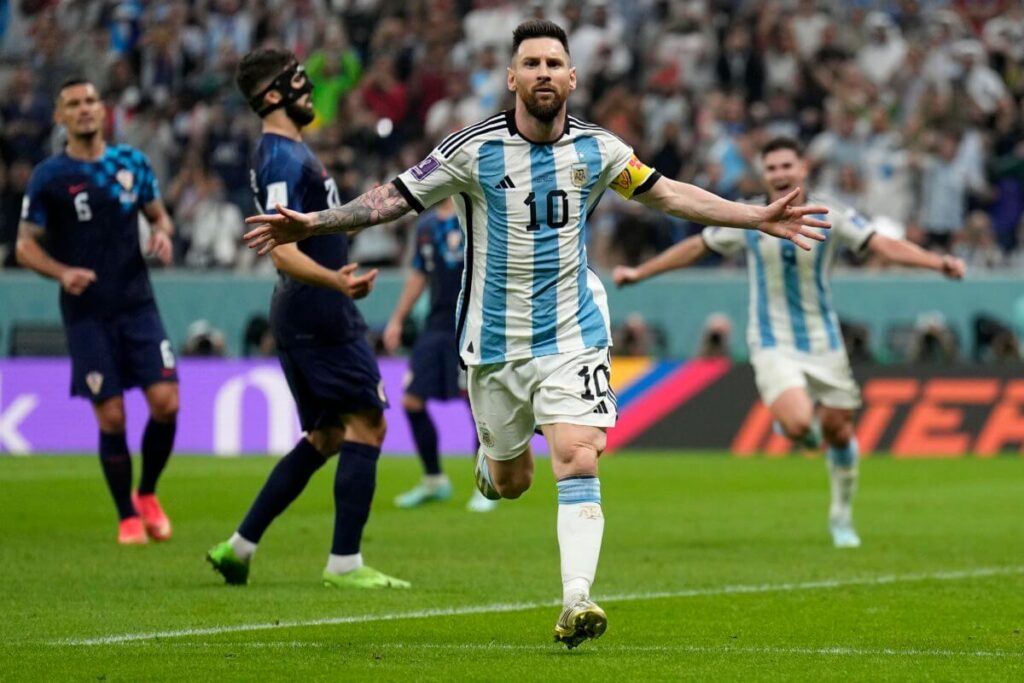
Teams with championship mentality often perform beyond expectations when tournaments become intense. Argentina have repeatedly demonstrated that quality, which explains why they remain among the strongest World Cup teams despite concerns about aging stars.
Brazil Always Belong Among Football’s Elite Nations
Whenever a World Cup begins, expectations around Brazil immediately increase. Their history, identity, and attacking tradition guarantee attention.
Brazil continue producing technically gifted players capable of extraordinary moments. Creativity remains central to their football philosophy, making them one of the most entertaining nations to watch.
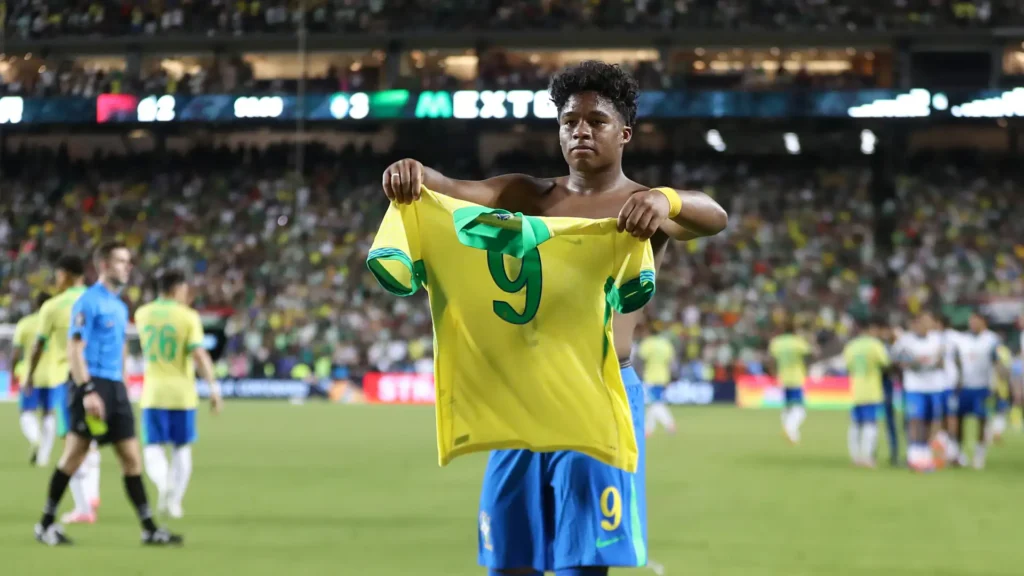
However, recent tournaments highlighted weaknesses regarding consistency and tactical discipline. If Brazil combine individual talent with stronger defensive organization, they could become serious contenders for another title.
Ignoring Brazil before any World Cup has historically proven risky.
England Carry Huge Expectations Into 2026
England possess one of the deepest squads in international football. Across every position, they have players competing for elite European clubs.
The challenge has never been talent. Instead, England’s struggle involves translating quality into trophies.
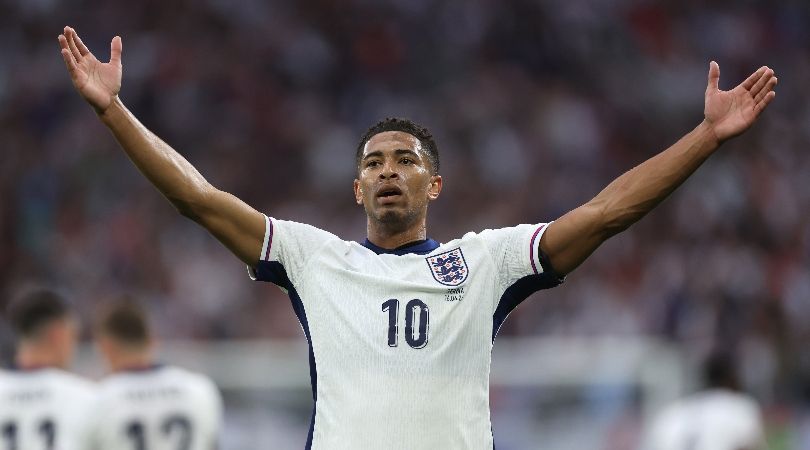
Recent generations have moved closer to major success, suggesting progress is being made. Tactical decisions and composure during knockout matches could determine whether England finally transform potential into championships.
If they maintain consistency, England unquestionably belong among the strongest World Cup teams.
Portugal Could Surprise Everyone
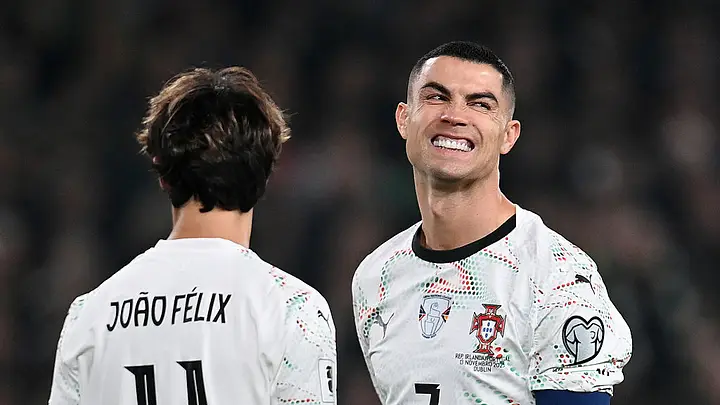
Portugal have quietly developed one of international football’s most balanced squads. While much attention still focuses on Cristiano Ronaldo, the nation’s strength extends beyond legendary individuals.
Emerging midfielders, versatile defenders, and tactical adaptability make Portugal difficult opponents. Their combination of youth and experience provides stability that often proves valuable during tournaments.
Portugal may not enter as overwhelming favorites, but they remain capable of deep World Cup runs.
Germany’s Tournament Experience Cannot Be Ignored
Germany repeatedly prove that poor periods rarely last forever. Their football culture emphasizes adaptation and long-term development.
Although recent tournaments brought disappointment, Germany still possess qualities associated with successful World Cup teams: discipline, structure, and experience.
History shows Germany frequently improve during tournaments rather than before them. That ability alone makes them dangerous.
Emerging Nations Are Changing Global Football
The gap between football superpowers and emerging nations continues shrinking rapidly. Teams such as Morocco have shown tactical organization can challenge traditional giants.
Similarly, Japan continue progressing through disciplined football systems and technical development. These nations increasingly believe they can compete against established powers.
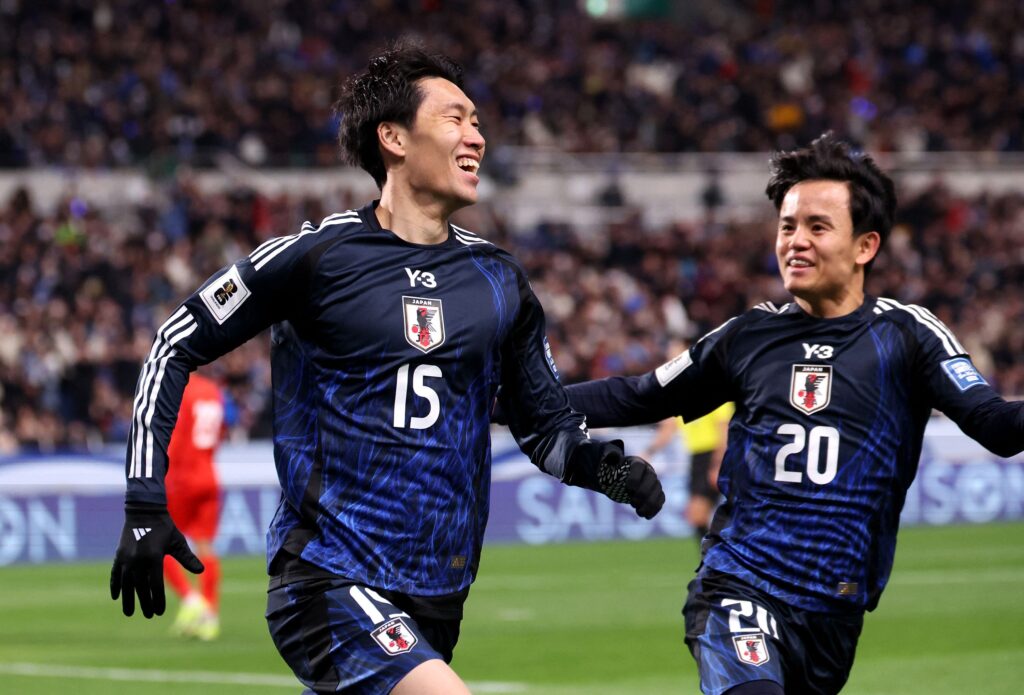
The expansion to 48 teams means surprises may become even more common.
Modern World Cups reward preparation and tactical intelligence as much as historical reputation.
What Makes the Strongest World Cup Teams Different?
Several factors separate genuine contenders from ordinary participants:
Squad Depth: Injuries are unavoidable. Strong benches matter.
Tournament Experience: Pressure destroys inexperienced teams.
Tactical Flexibility: Successful managers adapt quickly.
Defensive Stability: Champions rarely rely only on attack.
Momentum: Teams entering tournaments in strong form usually perform better.
The nations mastering these areas often become champions.
Final Power Ranking: Strongest World Cup Teams in 2026
Based on current strength, form, and squad quality, these nations appear strongest heading into the tournament:
- France
- Spain
- Argentina
- England
- Brazil
- Portugal
- Germany
- Netherlands
- Morocco
- Japan
These rankings may change as injuries, preparation, and form evolve before kickoff.
Final Thoughts on the Strongest World Cup Teams
The battle among the strongest World Cup teams has never been closer. Traditional giants remain favorites, but emerging nations increasingly believe they can challenge football’s established order.
France, Spain, and Argentina currently lead most discussions, while Brazil, England, and Portugal remain dangerous contenders. However, history repeatedly proves that World Cups reward teams peaking at the perfect moment rather than those dominating predictions beforehand.
One reality remains certain: the 2026 FIFA World Cup could become one of the most competitive tournaments football has ever seen.