
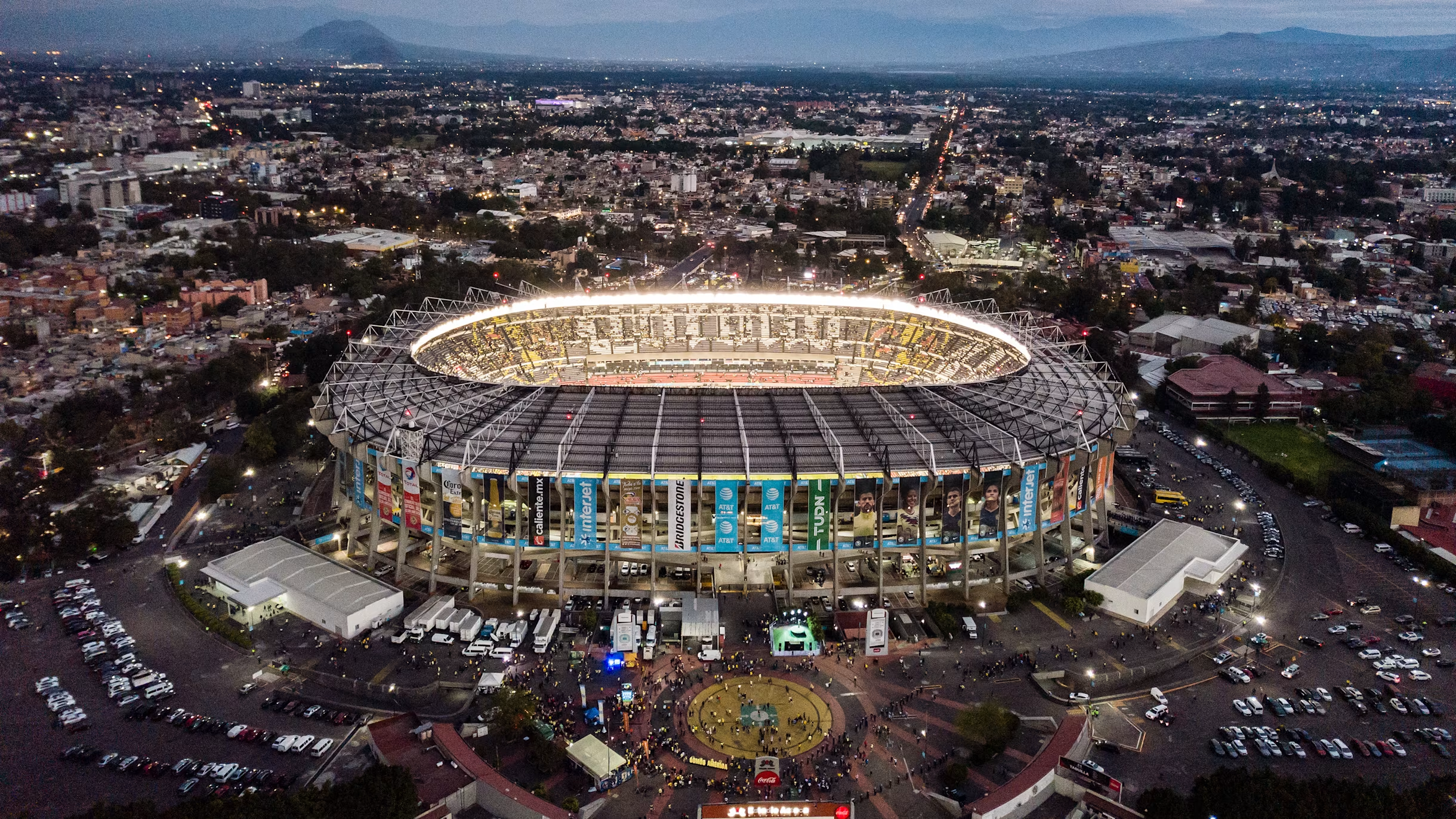
The scale of the FIFA World Cup 2026 is unlike anything football has seen before. With 48 teams, 104 matches, and three host nations, the tournament will redefine the global game. At the heart of this spectacle are the FIFA 2026 stadiums, a collection of world-class venues spread across the United States, Canada, and Mexico.
From historic arenas to futuristic mega-structures, these stadiums are not just hosting matches they are shaping the entire World Cup experience.
FIFA 2026 Overview: A Historic Three-Nation Setup
The FIFA 2026 stadiums are spread across 16 cities in North America, making this the first World Cup hosted by three countries. The United States leads with 11 venues, while Canada and Mexico contribute two and three respectively.
This tournament runs from June 11 to July 19, 2026, featuring matches across multiple time zones and climates, adding a unique dimension to team preparation and fan engagement.
Each stadium has been selected not only for capacity but also for infrastructure, fan experience, and global accessibility. The result is a blend of tradition, innovation, and scale.
Stadiums in the United States: Scale and Innovation
The majority of FIFA 2026 stadiums are located in the United States, offering some of the most advanced sporting venues in the world.
AT&T Stadium in Dallas stands out as the largest venue, hosting up to nine matches including a semifinal. Its massive capacity and cutting-edge design make it a centerpiece of the tournament.
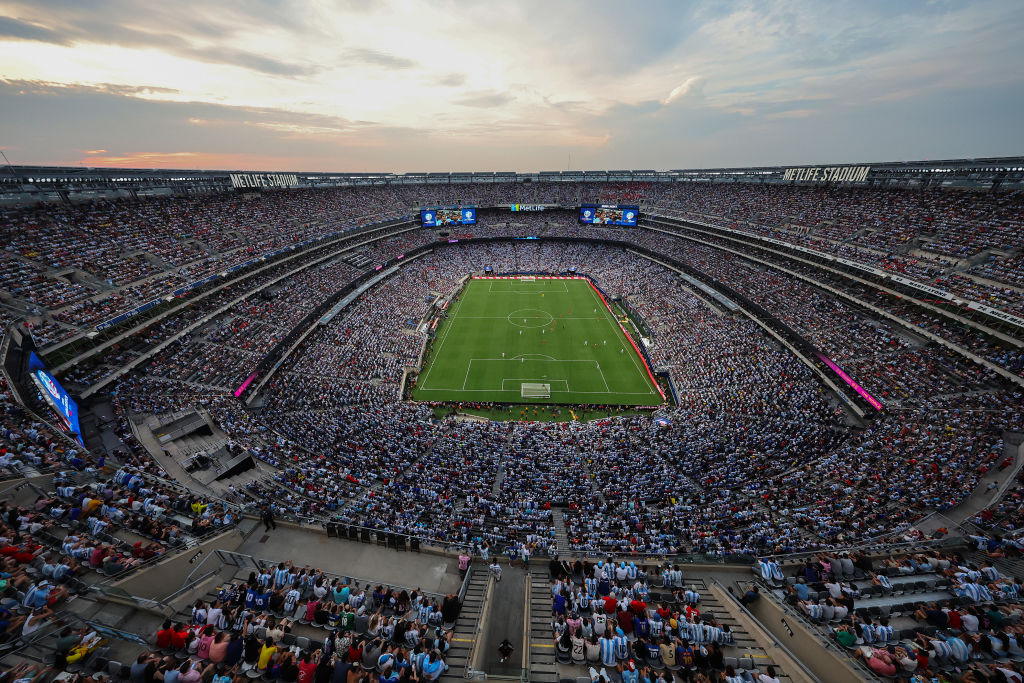
MetLife Stadium in New York New Jersey will host the final, marking one of the most anticipated moments in football history. With a capacity exceeding 80,000, it is built for global events and has already hosted major international fixtures.
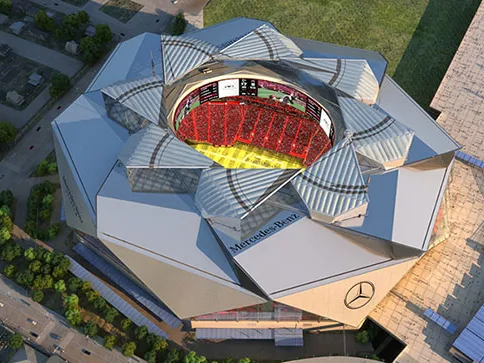
Mercedes-Benz Stadium in Atlanta is another highlight, featuring a unique retractable roof and a circular LED display that enhances the matchday atmosphere. It will host a semifinal, reinforcing its importance in the knockout stages.
Other major venues include SoFi Stadium in Los Angeles, Hard Rock Stadium in Miami, and Levi’s Stadium in the San Francisco Bay Area. These stadiums combine entertainment complexes, advanced technology, and fan-first design, ensuring a premium viewing experience.
From coast to coast, the U.S. venues bring scale, luxury, and innovation to the FIFA 2026 stadiums lineup.
Stadiums in Mexico: History Meets Passion
Mexico’s contribution to the FIFA 2026 stadiums adds deep historical significance to the tournament.
Estadio Azteca in Mexico City is one of the most iconic stadiums in football history. It will host the opening match of the tournament, continuing its legacy after staging World Cup finals in 1970 and 1986.
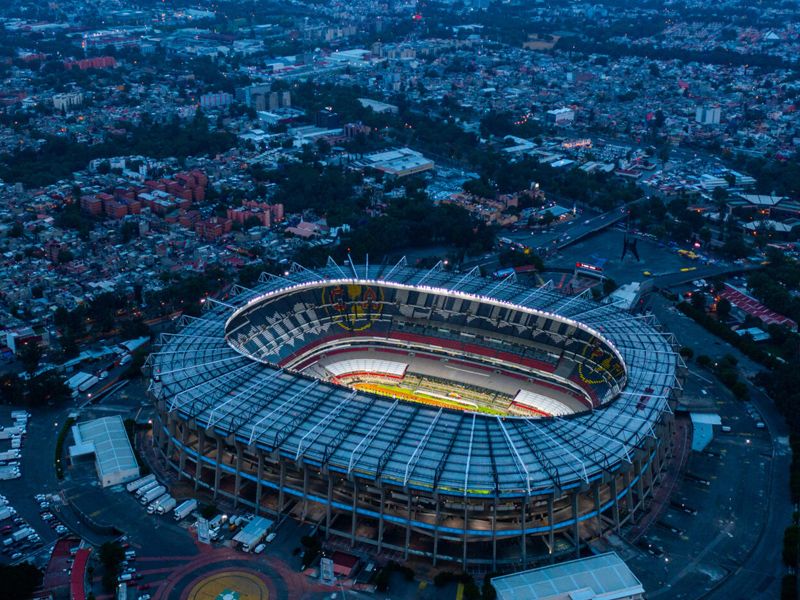
Estadio Akron in Guadalajara and Estadio BBVA in Monterrey complete Mexico’s trio of venues. These stadiums offer modern facilities while maintaining the intense atmosphere that Mexican football is known for.
Playing in Mexico also introduces altitude and climate challenges, especially in Mexico City, which could influence match dynamics and team performance.
Stadiums in Canada: Growing Football Culture
Canada’s role in the FIFA 2026 stadiums lineup reflects the country’s growing influence in international football.
BMO Field in Toronto will host key matches, including Canada’s opening game. The stadium has been upgraded to meet World Cup standards, ensuring a vibrant and modern experience.
BC Place in Vancouver offers a unique setting with its retractable roof and scenic backdrop. It will host multiple matches, contributing to the tournament’s northern reach.
These venues highlight the expansion of football culture in Canada and its increasing importance on the global stage.
Key Matches and FIFA 2026 Stadiums Allocation
The distribution of matches across FIFA 2026 stadiums adds strategic importance to certain venues.
The opening match will take place at Estadio Azteca, setting the tone for the tournament.
The semifinals are scheduled for AT&T Stadium in Dallas and Mercedes-Benz Stadium in Atlanta, two venues known for their capacity and atmosphere.
The final will be held at MetLife Stadium, where the world champion will be crowned on July 19, 2026.
Quarterfinals and knockout matches are spread across cities like Miami, Los Angeles, Kansas City, and Boston, ensuring a balanced distribution of high-stakes games.
This structure ensures that every stage of the competition is hosted in a venue capable of delivering world-class spectacle.
What Makes FIFA 2026 Stadiums Unique
Several factors set the FIFA 2026 stadiums apart from previous tournaments.
First is the scale. With capacities often exceeding 60,000, these venues are designed to accommodate massive global audiences.
Second is technology. Stadiums like SoFi and Mercedes-Benz feature advanced screens, connectivity, and immersive fan experiences that redefine how football is consumed live.
Third is diversity. From the altitude of Mexico City to the coastal climate of Miami and the cooler conditions in Vancouver, teams will face varied environments throughout the tournament.
Finally, accessibility plays a major role. With matches spread across North America, fans have multiple travel options and opportunities to experience different cultures within one World Cup.
Fan Experience Across FIFA 2026 Stadiums
The FIFA 2026 stadiums are not just about football they are entertainment hubs.
Many venues are integrated with shopping centers, restaurants, and fan zones, creating a full-day experience for spectators. Stadiums like SoFi and AT&T are surrounded by massive entertainment districts, offering activities beyond the match itself.
Cities like New York, Los Angeles, and Mexico City provide additional attractions, making the tournament a global travel event as much as a sporting one.
The fan experience is further enhanced by improved seating, better visibility, and upgraded facilities designed to handle record-breaking crowds.
Impact of FIFA 2026 Stadiums on the Tournament
The choice of stadiums will significantly influence how the World Cup unfolds. Large capacities mean record attendance figures are expected, potentially making this the most-watched live tournament in history. Travel distances between cities could affect team logistics, adding another layer of strategy to scheduling and recovery. Climate variations may also play a role, with teams needing to adapt quickly between matches in different environments. Ultimately, the FIFA 2026 stadiums will shape not only the fan experience but also the competitive dynamics of the tournament.
Conclusion: FIFA 2026 Stadiums Set the Stage for History
The FIFA 2026 stadiums represent the future of football on the biggest stage. Combining history, innovation, and scale, these venues are ready to host a tournament that promises to be unforgettable.
From the iconic Estadio Azteca to the futuristic SoFi Stadium and the grand MetLife finale, every venue contributes to a World Cup built for a new era.
As the countdown to June 2026 continues, these stadiums stand prepared to deliver moments that will define football for generations.


One thought on “FIFA 2026 Stadiums: Inside Football’s Biggest Tournament”