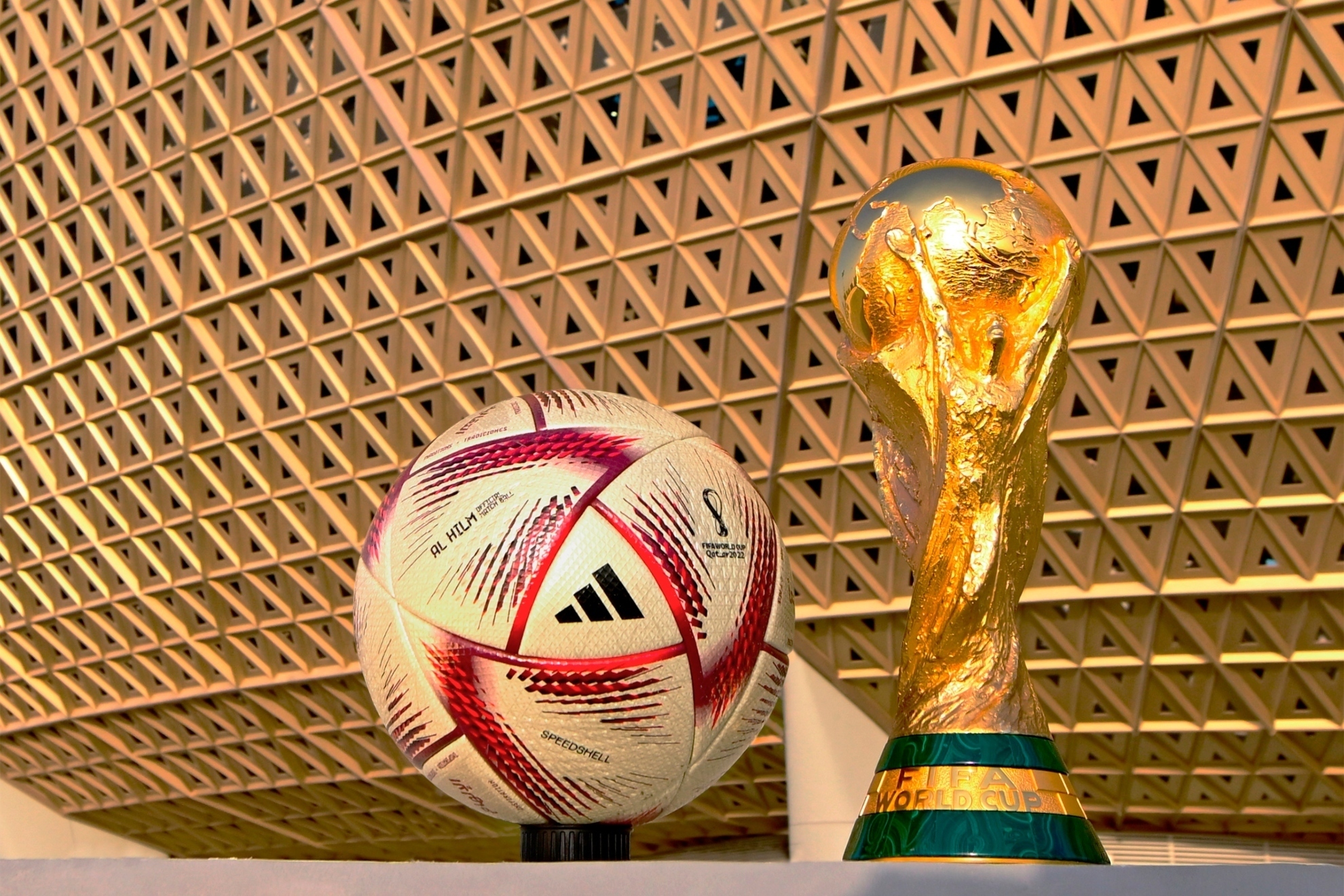
The world cup 2026 fixtures are set to redefine international football with the biggest tournament ever staged. With 48 teams, 104 matches, and a completely new structure, the 2026 FIFA World Cup will deliver unmatched scale and intensity. Hosted across the United States, Canada, and Mexico, this edition introduces new rules, expanded groups, and a longer schedule that will test teams like never before.
Fans searching for world cup 2026 will notice one clear shift. This is no longer just a tournament. It is a global football marathon where consistency, squad depth, and tactical flexibility will decide the champion.
World Cup 2026 Fixtures Overview and Key Dates
The world cup 2026 fixtures will begin on June 11, 2026, with the opening match in Mexico City. The tournament will run until July 19, 2026, when the final takes place in New York New Jersey. This extended schedule reflects the increase in total matches from 64 to 104.
The structure of the tournament spreads matches across more than a month, giving fans daily action while also increasing physical demands on players. The group stage runs through late June, followed immediately by knockout rounds starting from the Round of 32.
This timeline ensures there is no slowdown in intensity. Every phase transitions quickly into the next, keeping momentum high throughout the world cup 2026 fixtures.
World Cup 2026 Fixtures Format and New Rules Explained
The most important change in the world cup 2026 is the expansion to 48 teams. The tournament now features 12 groups of four teams each. Every team plays three group stage matches, similar to previous formats, but qualification rules have changed significantly.
The top two teams from each group automatically advance. In addition, the eight best third placed teams also qualify. This creates a Round of 32, which replaces the traditional Round of 16 as the first knockout stage.
From there, the tournament follows a straight elimination format through the Round of 16, quarterfinals, semifinals, and final. A team that reaches the final could now play up to eight matches, increasing both opportunity and risk.
This new format adds unpredictability. Teams can recover from one poor result and still progress, which makes every match in the world cup 2026 fixtures strategically important.
World Cup 2026 Groups and Structure Analysis
The group stage is more competitive than ever in the world cup 2026. With 12 groups labeled from A to L, more teams remain in contention for longer periods. The inclusion of third placed teams creates a secondary layer of competition across groups.
Goal difference, goals scored, and head to head results will play a critical role in deciding rankings. Teams must balance attacking intent with defensive stability because even a narrow loss can affect qualification chances.
This structure benefits both top teams and emerging nations. Strong teams cannot afford complacency, while smaller nations gain realistic opportunities to reach the knockout stage. This balance increases the overall quality and unpredictability of the world cup 2026 fixtures.
Qualification Path and Teams in World Cup 2026 Fixtures
Qualification for the world cup 2026 fixtures is more inclusive than any previous edition. With 48 available spots, every confederation has increased representation, allowing more countries to compete on the global stage.
Europe leads with 16 teams, followed by Africa with 9 and Asia with 8. South America sends 6 teams, while North America also has 6 including the three host nations. Oceania has 1 direct spot, and additional places are decided through intercontinental playoffs.
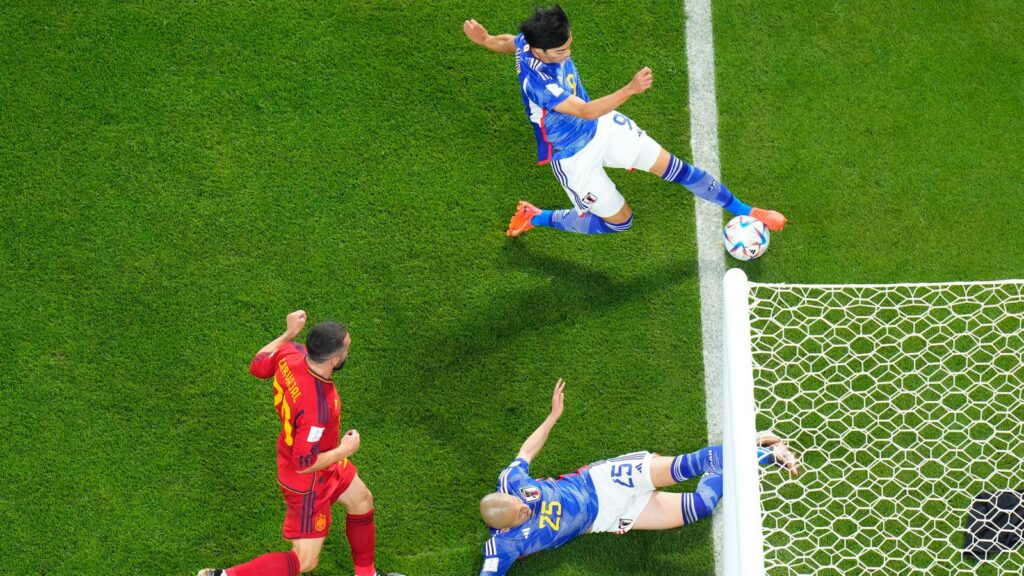
Major football nations such as Argentina, Brazil, France, Germany, and England are joined by rising teams from Asia and Africa. This mix of experience and emerging talent makes the world cup 2026 more diverse and competitive.
The expanded qualification system ensures that the tournament reflects global football growth, bringing new playing styles and tactical approaches into the spotlight.
Host Cities and Travel Impact on Fixtures
The world cup 2026 fixtures will be played across 16 cities in three countries, making it the first World Cup hosted by multiple nations on this scale. The United States will host the majority of matches, while Canada and Mexico contribute key venues.
Cities such as New York, Los Angeles, Miami, Toronto, Vancouver, and Mexico City will host matches throughout the tournament. This wide geographic spread introduces unique challenges for teams.
Travel distances will be longer than in any previous World Cup. Teams must adapt to different climates, stadium conditions, and time zones. Recovery time becomes a critical factor, especially for teams progressing deep into the tournament.
These logistical elements add another layer of complexity to the world cup 2026, making preparation and squad management essential.
Key Matches to Watch in World Cup 2026 Fixtures
The early stages of the world cup 2026 fixtures already promise high intensity clashes. Matches such as Brazil vs Morocco, France vs Senegal, England vs Croatia, and Argentina vs Algeria highlight the competitive nature of the group stage.
Unlike previous tournaments, strong teams are more likely to face difficult opponents earlier. This raises the stakes from the very beginning and reduces the margin for error.
The introduction of the Round of 32 also means more knockout matches, increasing the chances of upsets. Teams that perform consistently rather than relying on individual brilliance are more likely to succeed.
These high profile fixtures will define momentum and shape the path to the final.
Tactical Impact of the New Fixture Structure
The structure of the world cup 2026 will force teams to rethink their strategies. With more matches and a longer tournament duration, managing player fitness becomes as important as tactical planning.
Coaches will need to rotate squads effectively while maintaining performance levels. Teams with deeper benches will have a clear advantage, especially in the knockout stages.
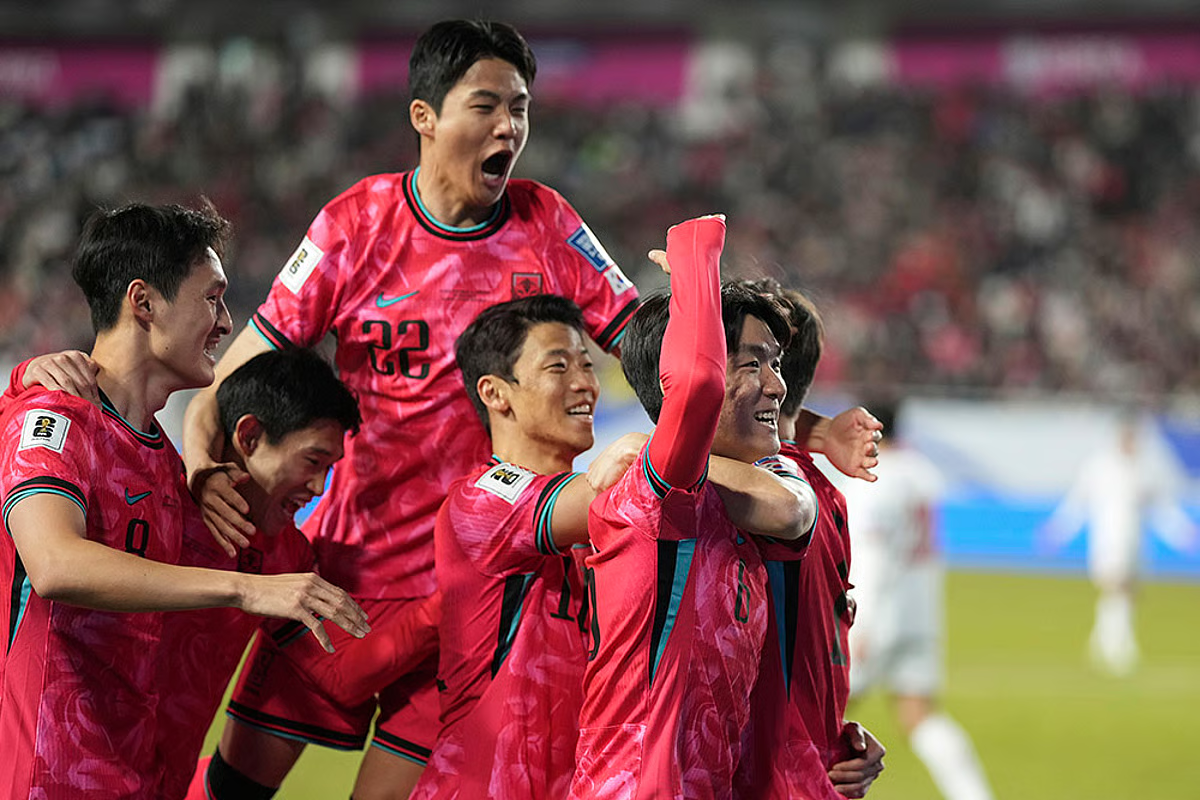
Game management will also evolve. Teams may adopt more controlled approaches in the group stage to secure qualification rather than chasing dominant victories. At the same time, attacking efficiency becomes crucial due to goal difference factors.
This balance between risk and control will define success in the world cup 2026 fixtures.
Why World Cup 2026 Fixtures Will Be the Most Competitive Ever
The combination of more teams, more matches, and a new format makes the world cup 2026 fixtures the most competitive in history. The expanded structure increases opportunities for underdogs while maintaining high standards at the top level.
Every stage of the tournament carries significance. The group stage offers multiple paths to qualification, while the knockout rounds introduce immediate elimination pressure. This creates a dynamic where consistency, adaptability, and mental strength are key.
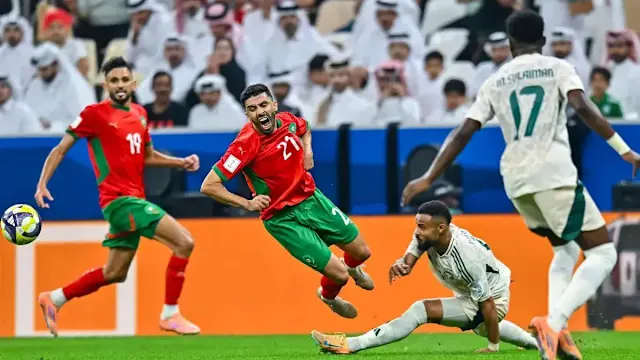
The global nature of the tournament, combined with diverse playing styles and tactical approaches, ensures that no two matches will feel the same.
Conclusion
The world cup 2026 fixtures represent a major evolution in international football. With a 48 team format, expanded knockout rounds, and matches spread across three countries, this tournament will deliver a new level of excitement and complexity.
From qualification to the final, every detail of the competition has been designed to increase competitiveness and global participation. Fans can expect more matches, more drama, and more unforgettable moments.
As the countdown continues, one thing is clear. The world cup 2026 fixtures will not just crown a champion. They will redefine what a World Cup can be.