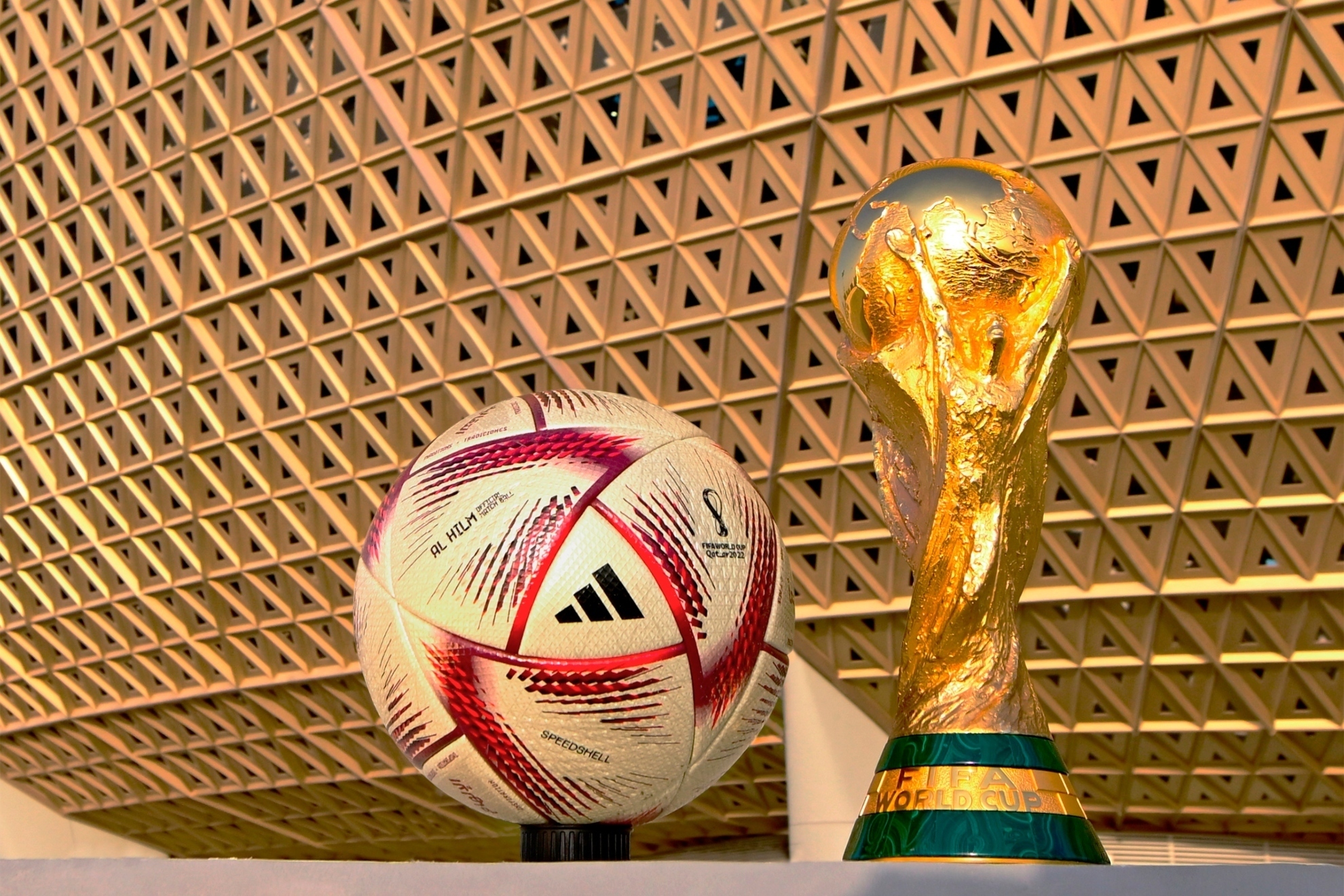
The World Cup 2026 schedule marks a historic shift in international football. For the first time, the tournament expands to 48 teams, spans three host nations, and delivers a record-breaking 104 matches across North America. From the opening clash in Mexico City to the grand final in New Jersey, this edition promises unmatched scale, intensity, and global reach.
Running from June 11 to July 19, 2026, the competition will unfold across 16 cities in the United States, Canada, and Mexico, redefining how fans experience football’s biggest event.
World Cup 2026 Schedule: Tournament Format and Key Dates
The World Cup 2026 schedule introduces a new structure designed to accommodate the expanded 48-team format. Teams are divided into 12 groups of four, with a clear pathway into a larger knockout stage.
Key tournament timeline:
- Opening Match: June 11, 2026 (Mexico vs South Africa)
- Group Stage: June 11 – June 27
- Round of 32: June 28 – July 3
- Round of 16: July 4 – July 7
- Quarter-finals: July 9 – July 11
- Semi-finals: July 14 – July 15
- Final: July 19, 2026
The biggest change is the introduction of the Round of 32, where not only the top two teams from each group qualify, but also the eight best third-placed teams. This ensures more competitive fixtures and fewer early eliminations.
This format significantly increases the number of high-stakes matches, making the 2026 edition longer, deeper, and more unpredictable than any previous World Cup.
World Cup 2026 Schedule: Group Stage Fixtures Breakdown
The World Cup 2026 schedule begins with a packed group stage featuring 72 matches across multiple cities. The opening week alone delivers blockbuster fixtures involving football giants.
Opening Matches to Watch
- Mexico vs South Africa – Opening match in Mexico City
- Brazil vs Morocco – High-profile Group C clash
- USA vs Paraguay – Hosts begin campaign in Los Angeles
- France vs Senegal – Repeat of a historic rivalry
These early fixtures set the tone for a tournament where every group is competitive.
Group of Death Potential
Several groups stand out:
- Group C: Brazil, Morocco, Scotland, Haiti
- Group D: USA, Paraguay, Australia, Türkiye
- Group I: France, Senegal, Norway, Iraq
Each group offers a mix of traditional powerhouses and emerging nations, increasing unpredictability and tactical diversity.
With matches spread across cities like Los Angeles, Toronto, Dallas, and Atlanta, the group stage ensures continuous action and global fan engagement.
World Cup 2026 Schedule: Knockout Stage Roadmap
The knockout phase of the World Cup 2026 schedule is where the tournament reaches peak intensity. Starting with 32 teams, the format follows a straight single-elimination path.
Round of 32 (New Addition)
This round introduces fresh drama. Group winners face third-placed teams, while runners-up clash with each other. It creates balanced yet unpredictable matchups.
Round of 16 to Semi-finals
From July 4 onward, the stakes rise sharply:
- Tactical battles become tighter
- Squad depth becomes decisive
- Individual brilliance often defines outcomes
By the quarter-finals, only elite teams remain, typically combining experience with attacking efficiency.
The Final
- Date: July 19, 2026
- Venue: New York/New Jersey Stadium
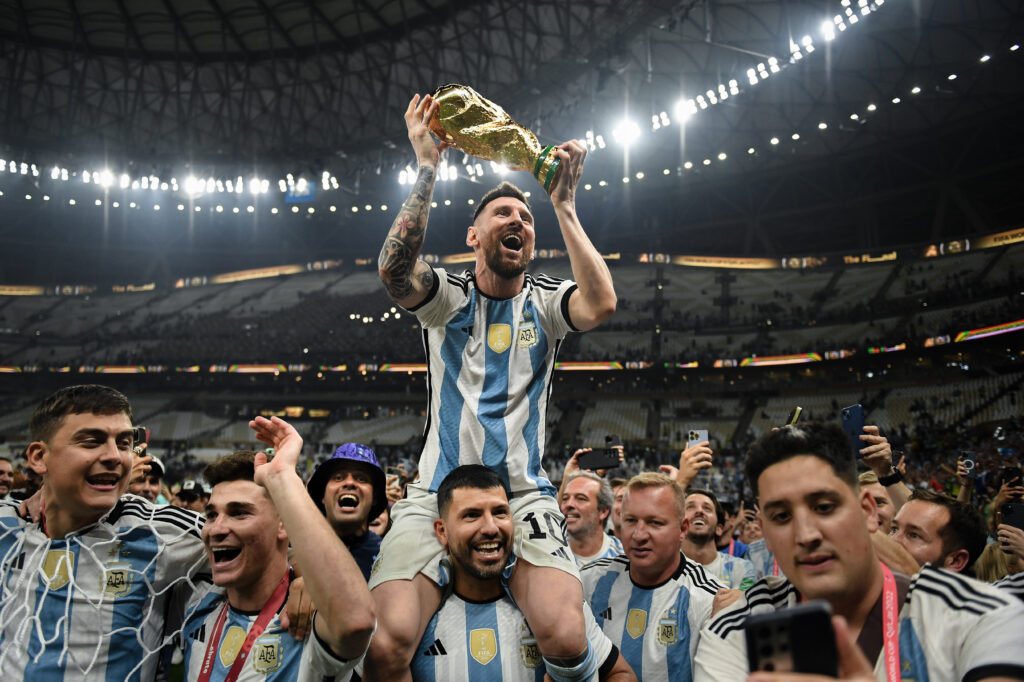
The final will crown the world champion after a 39-day marathon tournament, making it the longest and most demanding World Cup ever staged.
World Cup 2026 Schedule: Stadiums and Host Cities Guide
The World Cup 2026 schedule is uniquely shaped by its tri-nation hosting model. Matches will be played across 16 world-class stadiums.
Host Countries and Key Cities
United States (11 cities):
- New York/New Jersey
- Los Angeles
- Dallas
- Miami
- Atlanta
- Seattle
- Boston
Canada (2 cities):
- Toronto
- Vancouver
Mexico (3 cities):
- Mexico City
- Guadalajara
- Monterrey
Each venue has been selected for capacity, infrastructure, and fan experience. Iconic stadiums like MetLife Stadium (Final venue) and Estadio Azteca (Opening match venue) add historical significance to the tournament.
The travel factor also plays a crucial role. Teams must adapt to varying climates, altitudes, and time zones adding another layer of challenge to the competition.
Match Analysis and What to Expect
The World Cup 2026 schedule is not just bigger it’s more strategically complex.
Increased Match Load
Teams reaching the final will play up to 8 matches, compared to 7 in previous editions. This increases the importance of:
- Squad rotation
- Injury management
- Tactical flexibility
Tactical Evolution
With more teams and diverse playing styles:
- Expect defensive structures from smaller nations
- High pressing and possession dominance from elite teams
- Greater reliance on bench depth
Players to Watch

With the expanded format, more players will emerge on the global stage:
- Young stars from emerging nations
- Established superstars aiming for legacy-defining performances
The longer schedule also means consistency will be just as important as peak performance.
Final Thoughts
The World Cup 2026 schedule represents a turning point in football history. With 48 teams, 104 matches, and three host nations, it delivers unmatched scale and global appeal.
From the opening whistle in Mexico City to the final showdown in New Jersey, every phase of the tournament is designed to maximize drama, inclusivity, and competition. The expanded format ensures more nations have a chance to shine, while fans get a longer, richer football experience.
For supporters, analysts, and content creators, this schedule offers endless storylines from group-stage surprises to knockout-stage classics. As the countdown continues, one thing is certain: the 2026 World Cup will redefine what a global football tournament can be.