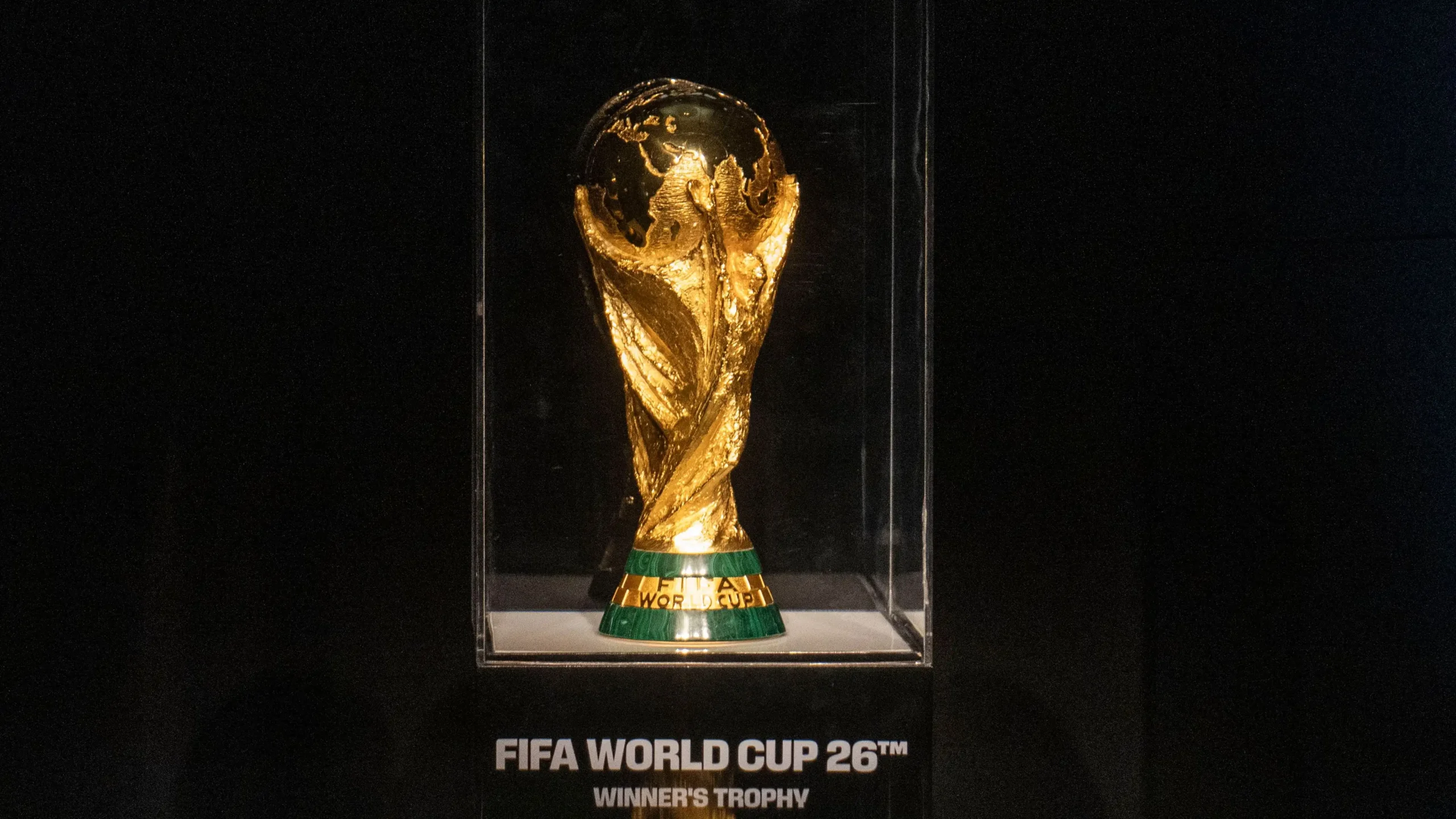
The FIFA World Cup 2026 Teams lineup marks a historic expansion in international football, with 48 nations set to compete across Canada, Mexico, and the United States. This new format increases global participation, introduces fresh matchups, and raises the overall competitiveness of the tournament. With qualifications completed, the final list of teams reflects both traditional powerhouses and emerging football nations ready to make an impact.
FIFA World Cup: Host Nations and Automatic Qualification

The host countries Canada, Mexico, and the United States have automatically qualified for the tournament. Canada enters with a developing squad and growing international confidence, while Mexico brings vast World Cup experience, marking its 17th participation. The United States, with a young and dynamic squad, aims to leverage home advantage and strong domestic support. These three teams will play a crucial role in setting the tone for the tournament’s early stages.
FIFA World Cup 2026 Teams: Full List of Qualified Nations
The confirmed FIFA World Cup 2026 Teams showcase a balance of elite football nations and rising sides from across all continents. Among the top contenders are Argentina, France, Spain, England, Brazil, Portugal, and the Netherlands. These teams consistently perform at the highest level and enter the tournament as strong favorites. France, currently ranked number one globally, stands out with exceptional squad depth and recent tournament success.
Europe once again contributes a significant number of teams, including Germany, Belgium, Croatia, Switzerland, Sweden, Austria, and Czechia. These nations bring tactical discipline, experience, and a history of strong World Cup performances.
South America is represented by Brazil, Argentina, Uruguay, Colombia, Ecuador, and Paraguay. This region is known for producing technically gifted players and highly competitive teams, making them dangerous opponents in knockout stages.
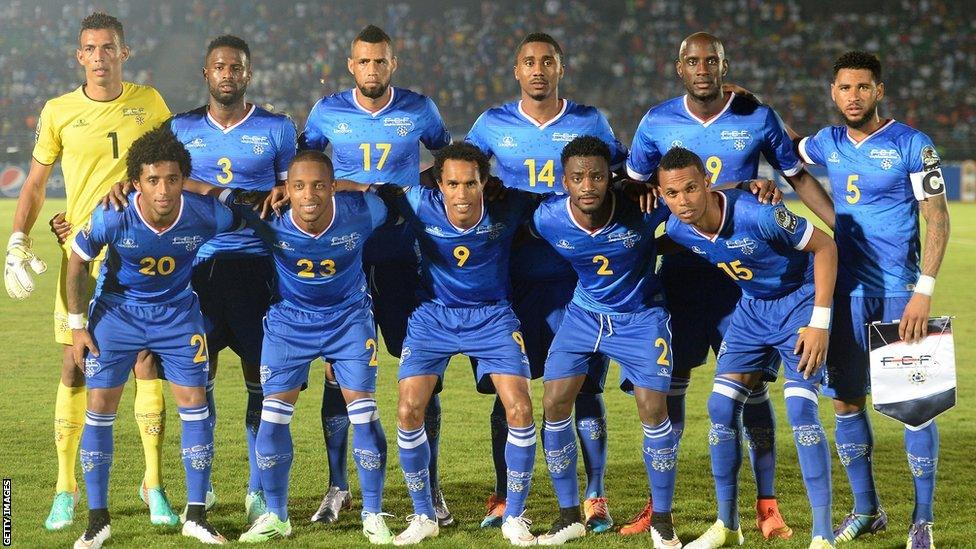
From Africa, teams such as Senegal, Morocco, Egypt, Algeria, Côte d’Ivoire, Ghana, Tunisia, South Africa, Congo DR, and Cabo Verde highlight the continent’s growing strength. Morocco’s recent global performances have elevated expectations, while Senegal remains one of the most balanced squads.
Asia sends a diverse group including Japan, Korea Republic, IR Iran, Saudi Arabia, Qatar, Iraq, Jordan, and Uzbekistan. Japan and South Korea continue to lead the region, consistently competing at a high level.
CONCACAF representation extends beyond the hosts, featuring teams like Panama, Haiti, and Curaçao. Meanwhile, New Zealand represents Oceania, aiming to make a mark against stronger opposition.
FIFA World Cup New Format and Group Structure
The 2026 tournament introduces a 48-team format divided into 12 groups. This structure increases the number of matches and allows more teams to advance to the knockout stages. The top two teams from each group, along with the best third-placed teams, will progress, creating more opportunities for underdog stories and dramatic qualifications.
This format also means more matches for fans, increased global viewership, and a longer tournament schedule. Teams will need greater squad depth and tactical flexibility to navigate the extended competition.
FIFA World Cup 2026 Teams: Key Players and Tournament Expectations
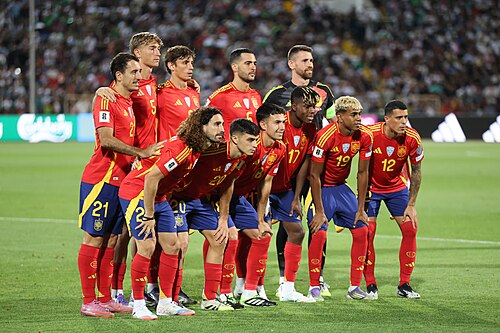
The FIFA World Cup 2026 Teams feature a mix of experienced superstars and emerging talents. Argentina will rely on leadership and tactical cohesion, while France’s squad depth makes them one of the strongest contenders. England and Spain bring youthful energy combined with elite-level coaching systems.
Portugal continues to balance experienced players with new talent, while Brazil’s attacking flair remains a constant threat. Meanwhile, nations like Morocco and Japan could emerge as dark horses based on recent performances and squad development.
The expanded tournament also increases the chances of surprise teams making deep runs. Nations like Senegal, Croatia, and Colombia have already shown they can challenge top-ranked sides on the world stage.
Conclusion
The FIFA World Cup 2026 Teams list reflects the most diverse and competitive field in the tournament’s history. With 48 nations, a new format, and matches spread across three host countries, this World Cup is set to redefine international football. Fans can expect high-intensity games, breakout performances, and unforgettable moments as the world’s best teams compete for the ultimate prize.