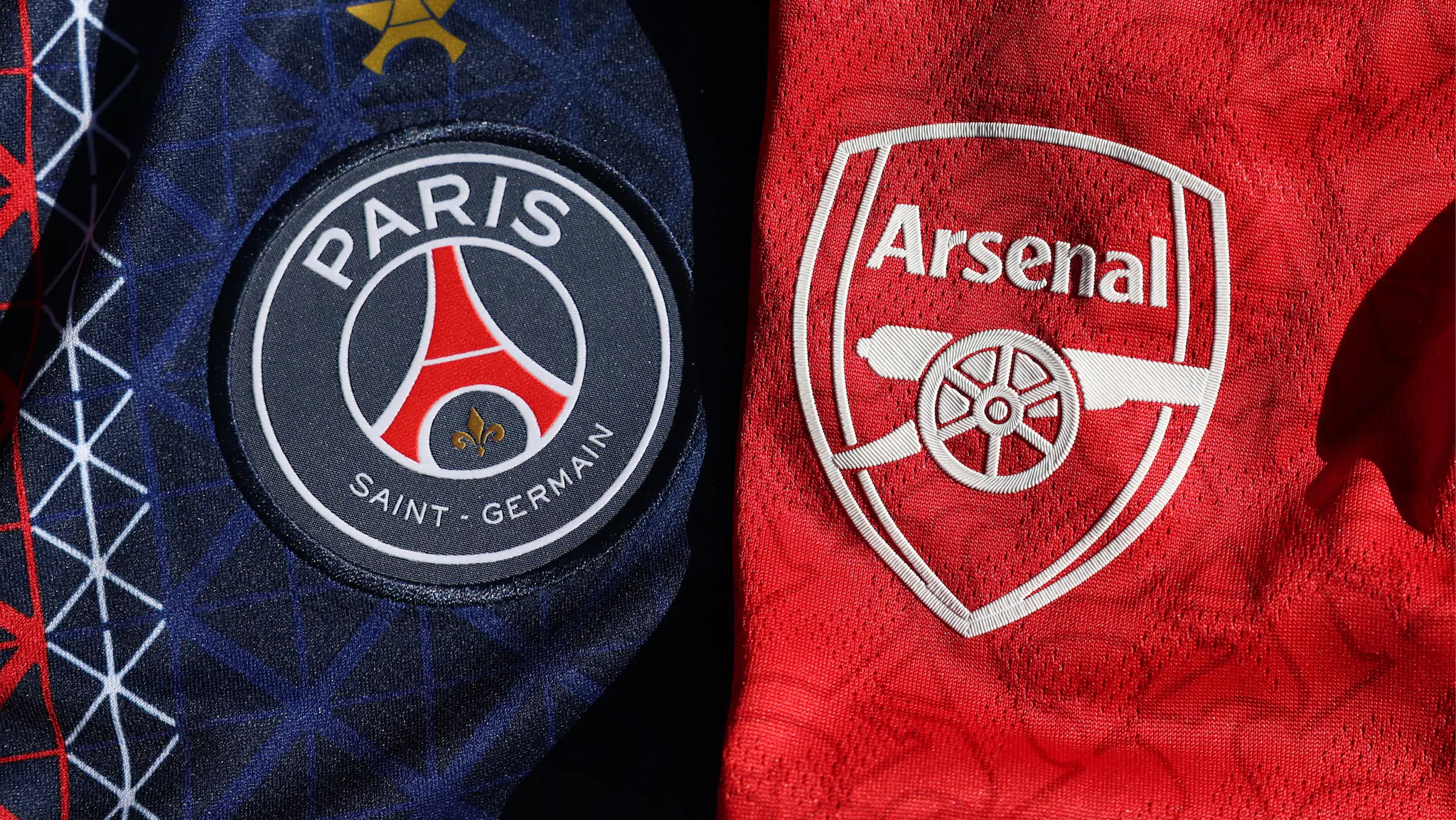
The Arsenal vs PSG Champions League final 2026 is one of the most anticipated European finals in recent memory. Played at the Puskás Aréna in Budapest, this clash represents a rare balance of tactical discipline versus explosive attacking power.
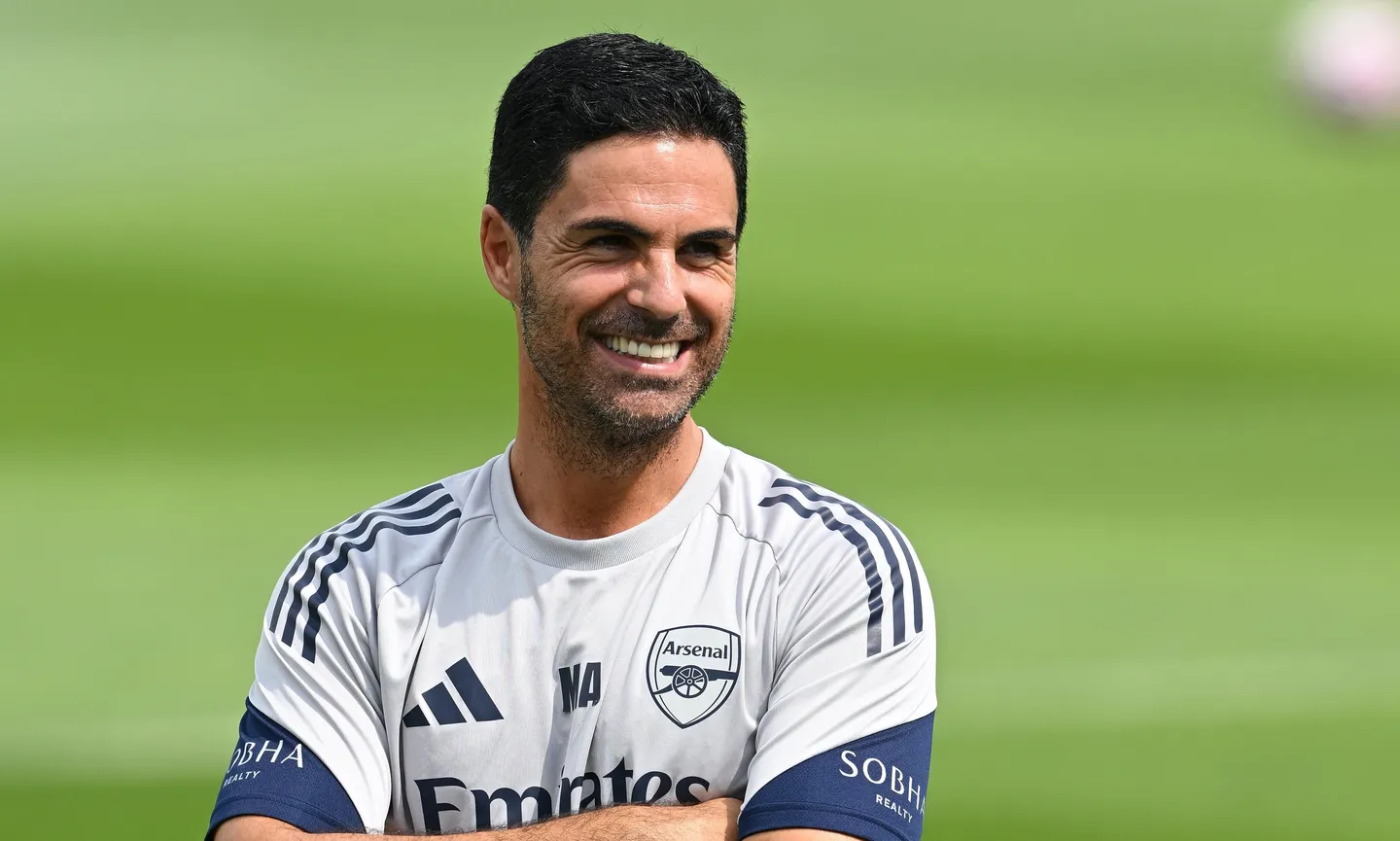
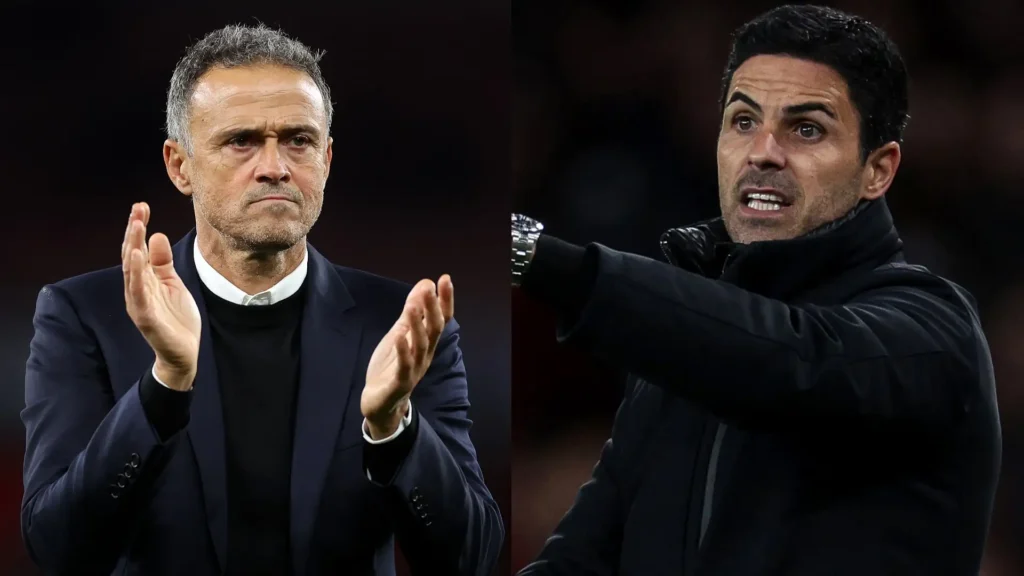
On one side, Arsenal arrive as Premier League champions under Mikel Arteta, chasing their first-ever Champions League title. On the other, Paris Saint-Germain enter as reigning European champions, built on elite attacking talent and knockout-stage dominance under Luis Enrique.This is not just a football match. It is a high-pressure tactical duel where small details will decide everything: midfield control, transition defense, and finishing efficiency.
Road to the Final: Arsenal vs PSG Journey Compared
Arsenal’s Path to the Final
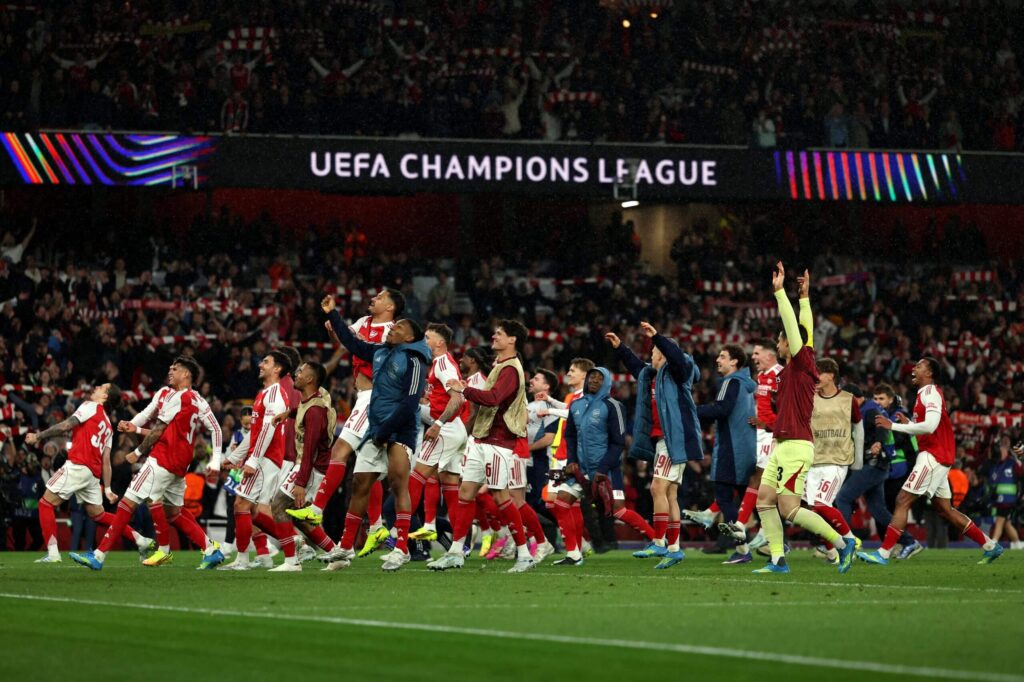
Arsenal’s route has been defined by structure, control, and defensive maturity. Across the competition, they have shown a clear identity built on positional discipline and collective pressing.
Key features of Arsenal’s Champions League run:
- Strong defensive record across knockout rounds
- Controlled possession phases to reduce chaos
- Improved game management in away legs
- Midfield dominance through Rice and Ødegaard
Mikel Arteta’s system has matured into a European-winning blueprint. Arsenal are no longer just a possession side; they are a complete tournament team capable of surviving pressure moments. Their biggest improvement this season has been mentality. In past campaigns, Arsenal often collapsed under knockout pressure. In 2026, they have shown composure in tight games, especially in second legs where tactical control mattered more than flair.
PSG’s Path to the Final
PSG arrive with a different profile: explosive, unpredictable, and built for knockout football intensity.
Key features of PSG’s run:
- High-scoring performances in decisive matches
- Fast vertical transitions after winning possession
- Heavy reliance on elite attacking individuals
- Strong bench rotation to maintain freshness
Luis Enrique has managed squad energy perfectly. PSG often reduce domestic intensity to peak in Europe, giving them a physical advantage in late-stage Champions League fixtures. Their attack is the most dangerous in Europe when space opens up. Once PSG gain momentum, matches often shift within minutes due to their ability to accelerate tempo instantly.
Tactical Breakdown: Arsenal vs PSG Systems
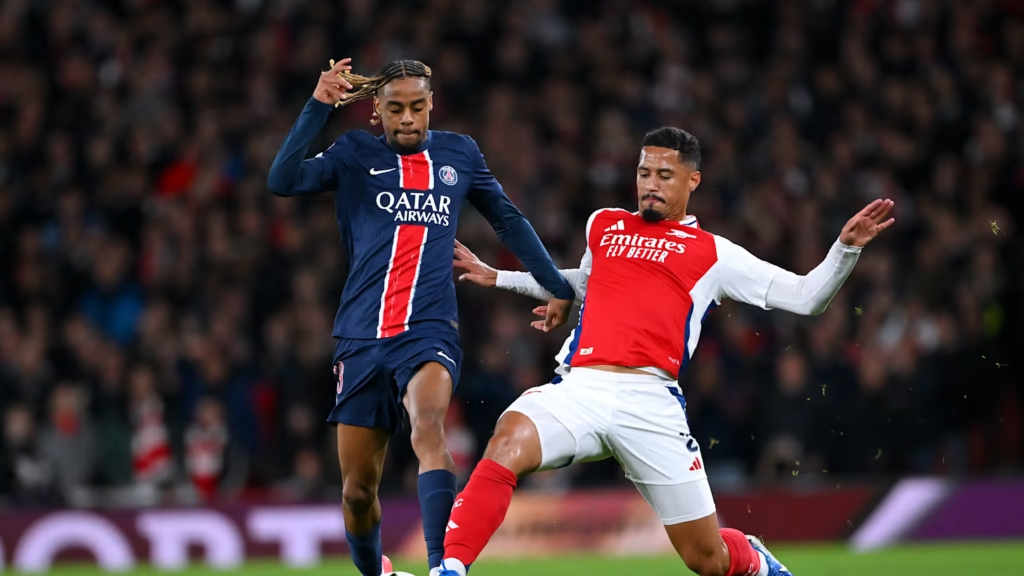
The Arsenal vs PSG final is a clash of two completely different football identities.
Arsenal Tactical Structure
Arsenal operate in a controlled 4-3-3 system focused on positional discipline.
Core principles:
- Structured build-up from the back
- Midfield triangle controlling central zones
- High pressing triggered on specific passing patterns
- Full-backs supporting midfield overloads
Declan Rice is the tactical anchor. His role is to protect transitions and break PSG counterattacks before they develop. Martin Ødegaard is the creative hub, operating between lines to unlock defensive blocks. Arsenal’s biggest strength is control. They slow games down, reduce chaos, and force opponents into structured attacking patterns.
PSG Tactical Structure
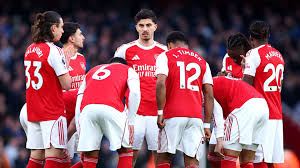
PSG use a more fluid attacking system, often shifting between 4-3-3 and 4-2-3-1.
Core principles:
- Rapid vertical progression after winning the ball
- Wide attacking overloads to stretch defenses
- Freedom for attackers to rotate positions
- Quick transitions into final third
PSG do not rely on long possession phases. Instead, they look for immediate penetration. Their biggest advantage is speed in transition, especially when opponents lose shape. When PSG break lines quickly, they become extremely difficult to contain.
Key Battles That Will Decide Arsenal vs PSG
1. Midfield Control Battle
This is the most important zone in the match.
- Arsenal want slow, structured control
- PSG want fast vertical disruption
If Arsenal dominate midfield, PSG are forced wide and less dangerous. If PSG bypass midfield early, Arsenal’s defensive structure is exposed repeatedly.
2. Wide Area Duels
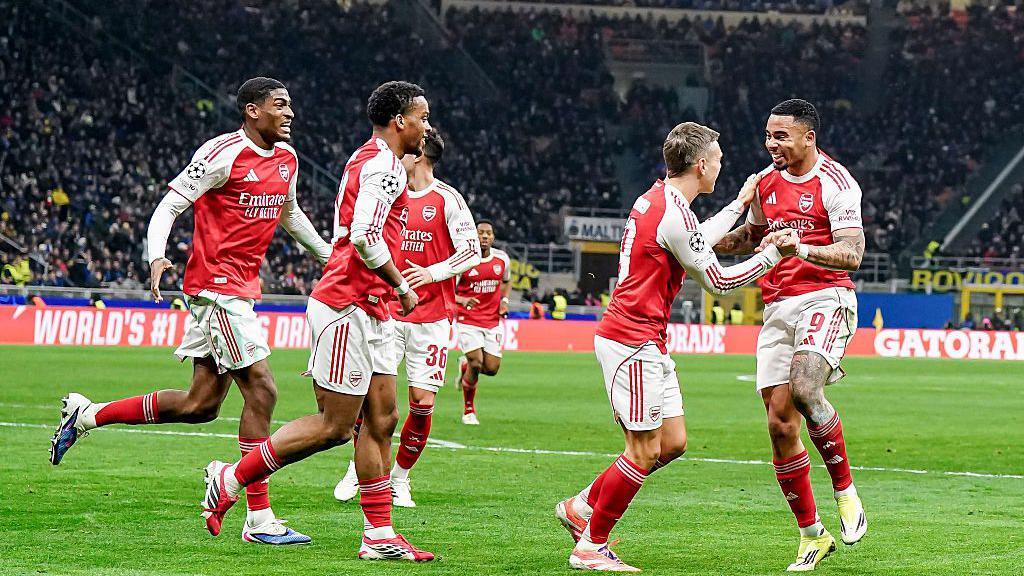
Bukayo Saka and Gabriel Martinelli are Arsenal’s main attacking threats. PSG respond with aggressive full-backs and wide forwards who attack space behind Arsenal’s defensive line.
Wide zones will decide:
- Chance creation volume
- Defensive exposure
- Transition opportunities
3. Transition Defense
This is PSG’s biggest weapon and Arsenal’s biggest risk. Arsenal’s high defensive line is effective but vulnerable when possession is lost in midfield. PSG thrive in these exact moments with fast forward movement and direct attacking runs. One transition error could decide the final.
4. Set Pieces
In tight finals, set pieces become decisive. Arsenal have a strong aerial presence through defenders and structured routines. PSG also carry aerial threats, but Arsenal slightly edge this category due to organization.
Key Players in Arsenal vs PSG Final
Arsenal Key Players
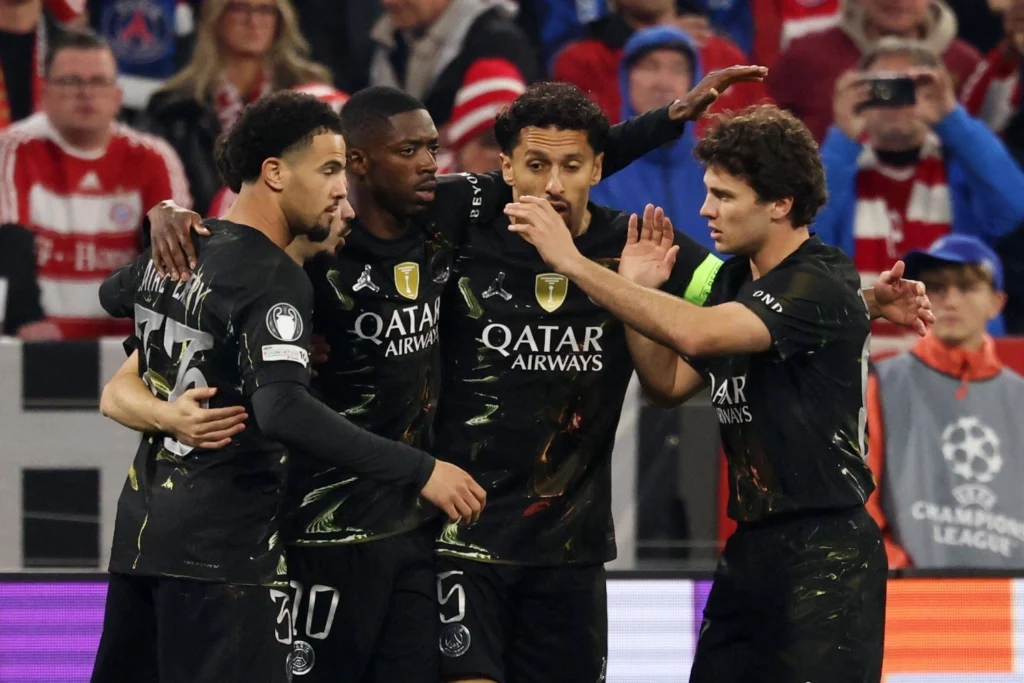
Bukayo Saka
Arsenal’s primary attacking outlet. His ability in 1v1 situations is critical in breaking PSG’s defensive shape.
Martin Ødegaard
Controls tempo and creates key passing lanes between lines.
Declan Rice
Protects transitions, breaks attacks early, and stabilizes midfield structure.
William Saliba
Crucial in defensive duels against PSG’s pace-based attackers.
PSG Key Players
Kylian Mbappé (or main forward threat)
PSG’s most dangerous player in transition. His speed can change the match instantly.
Ousmane Dembélé
Provides width, dribbling penetration, and unpredictability.
Vitinha
Controls midfield progression and links defense to attack.
Marquinhos
Defensive leader responsible for organizing PSG’s back line under pressure.
Match Dynamics: How the Game Will Flow
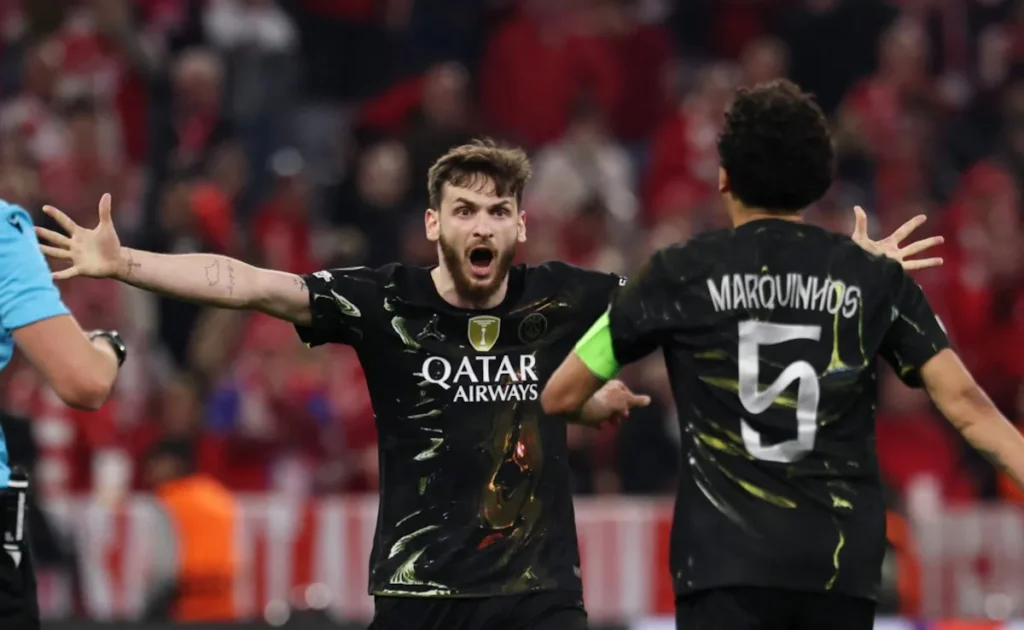
Early stages will likely be cautious. Arsenal will attempt structured possession while PSG wait for transition opportunities.
Expected match flow:
- First 20–30 minutes: tactical probing, low risk
- Mid-game: increased PSG transition attempts
- Second half: higher intensity, more open spaces
- Final 20 minutes: fatigue-driven chaos and chances
This match is unlikely to be one-sided. It is built for fine margins.
Arsenal vs PSG Predictions
Tactical Prediction
This final is expected to be extremely tight. Arsenal’s control structure gives them stability, but PSG’s transition threat gives them constant danger.
The most likely pattern:
- Arsenal dominate possession
- PSG create higher-quality chances in transition
- Match remains balanced until late stages
Scoreline Predictions
Most Likely Result
Arsenal 1–1 PSG (PSG win on penalties)
A controlled match where both teams score once. PSG’s experience in knockout pressure gives them slight edge in shootout scenarios.
Alternative Scoreline 1
PSG 2–1 Arsenal (in normal time)
PSG punish Arsenal in transitions and win through efficiency in final third.
Alternative Scoreline 2
Arsenal 2–1 PSG (extra time)
Arsenal control midfield better than expected and win through set pieces or late tactical dominance.
Low-Scoring Scenario
0–0 (PSG win 1–0 in extra time or penalties)
A tactical final where both defenses dominate and chances are limited.
Betting Style Prediction Logic (Football Analysis Based)
- Under 2.5 goals: highly likely
- Both teams to score: moderate likelihood
- Extra time: realistic scenario
- Decided by 1 goal margin: most probable outcome type
Final Verdict: Who Wins Arsenal vs PSG?
This is one of the most balanced Champions League finals in recent years.
- Arsenal’s advantage: structure, discipline, midfield control
- PSG’s advantage: pace, transitions, individual brilliance
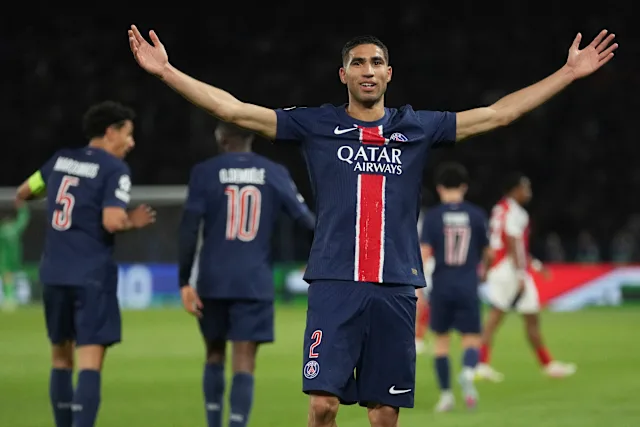
If the match becomes controlled and slow, Arsenal have a higher chance. If it becomes fast, open, and transitional, PSG become favorites. Overall prediction lean: PSG slightly ahead due to knockout experience and transition efficiency.
Conclusion
The Arsenal vs PSG Champions League final 2026 is defined by contrast. It is structure versus chaos, control versus acceleration, and tactical discipline versus attacking freedom. Matches like this are rarely decided by dominance. They are decided by moments: one counterattack, one mistake, one piece of brilliance. Budapest will not just host a final. It will host a defining European moment for either Arsenal’s historic breakthrough or PSG’s continued European dominance.