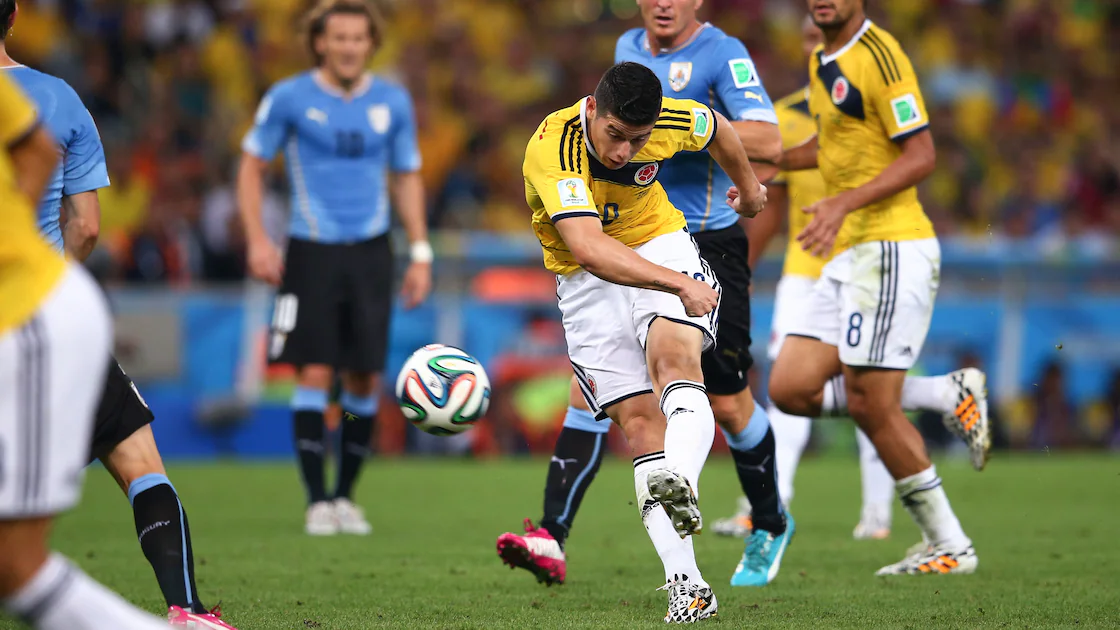
The rise of World Cup expected goals (xG) has completely changed how football is analyzed. It is no longer just about goals scored it is about the quality of chances created. As we approach the 2026 FIFA World Cup, expected goals provide one of the most accurate ways to predict which teams and players will dominate on the biggest stage.
From club football between 2023 and 2026 to international tournaments, xG data reveals patterns that traditional stats often miss. Teams that consistently generate higher xG are usually the ones that go deep in tournaments. This blog breaks down everything you need to know about expected goals, including top teams, standout players, and tactical insights.
What is World Cup Expected Goals (xG)?
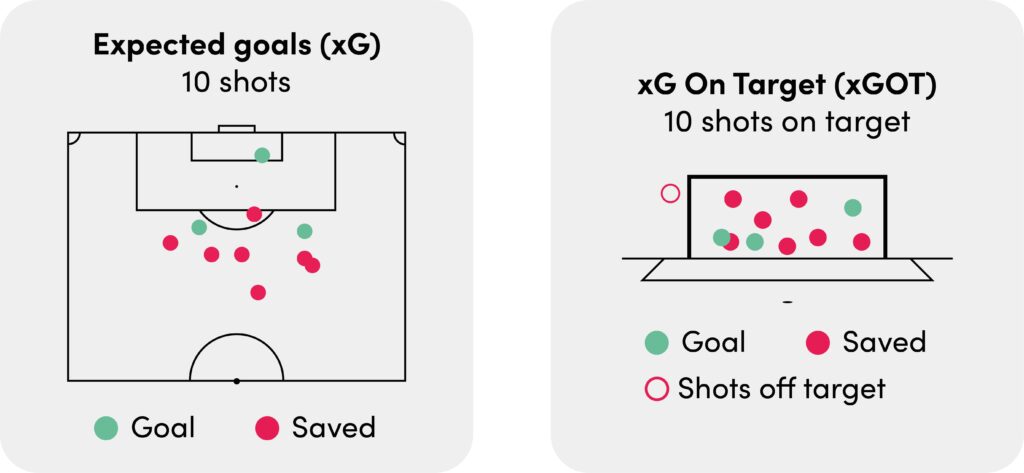
World Cup expected goals is a metric that measures the probability of a shot becoming a goal. Each shot is assigned a value between 0 and 1 based on factors like distance, angle, assist type, and defensive pressure.
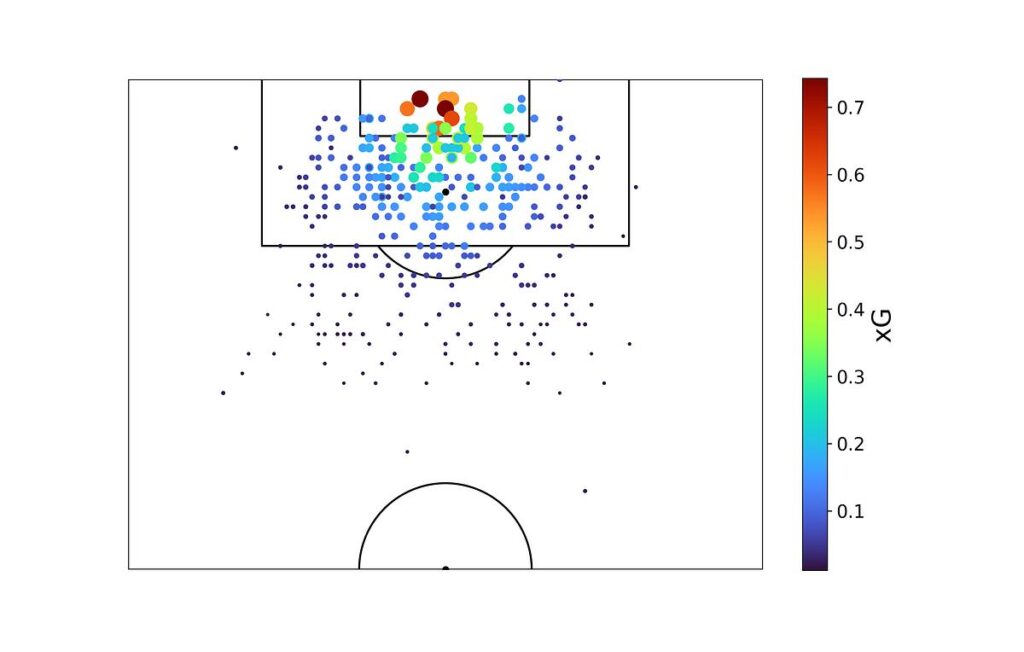
For example:
- A penalty has an xG of around 0.76
- A close-range tap-in might be 0.80+
- A long-range shot could be as low as 0.05
This means teams with higher xG are creating better chances, not just more shots.
In World Cups, this becomes crucial. Knockout football rewards consistency and efficiency, and expected goals helps identify teams that are truly performing at a high level.
Why Expected Goals Matters in 2026
The 2026 World Cup will feature more teams and more matches, making squad depth and tactical consistency even more important. Teams that rely on luck or individual brilliance often struggle over a long tournament.
World Cup expected goals highlights:
- Teams that dominate matches statistically
- Players who consistently get into scoring positions
- Defensive units that limit high-quality chances
Historically, teams with strong xG difference (xG created vs xG conceded) have a much higher chance of reaching semi-finals and finals.
Top Teams Leading Expected Goals Rankings
Argentina – Efficiency Over Volume
Argentina’s recent success is built on smart chance creation. They do not always take many shots, but their shot quality is among the best in the world.
Their attacking system focuses on creating clear-cut opportunities, which keeps their expected goals per shot extremely high. This efficiency makes them dangerous in knockout matches.
France – The Most Complete xG Team
France combine high shot volume with elite quality. Their attack generates chances from wide areas, counter-attacks, and central overloads.
They consistently rank among the top in expected goals, thanks to their pace and depth. Few teams can match their ability to create scoring chances from multiple situations.
England – Structured and Consistent
England have become one of the most data-driven teams in world football. Their attacking patterns are designed to maximize xG through:

- Cutbacks from wide areas
- Set-piece efficiency
- Midfield runners arriving late
This structured approach makes their expected goals output very consistent.
Brazil – High Risk, High Reward
Brazil’s attack is built on creativity and flair. They generate high xG through dribbling, quick combinations, and individual brilliance.
However, their defensive structure sometimes allows higher xG chances to opponents. If they improve defensively, they could dominate the tournament.
Spain – Control and Precision
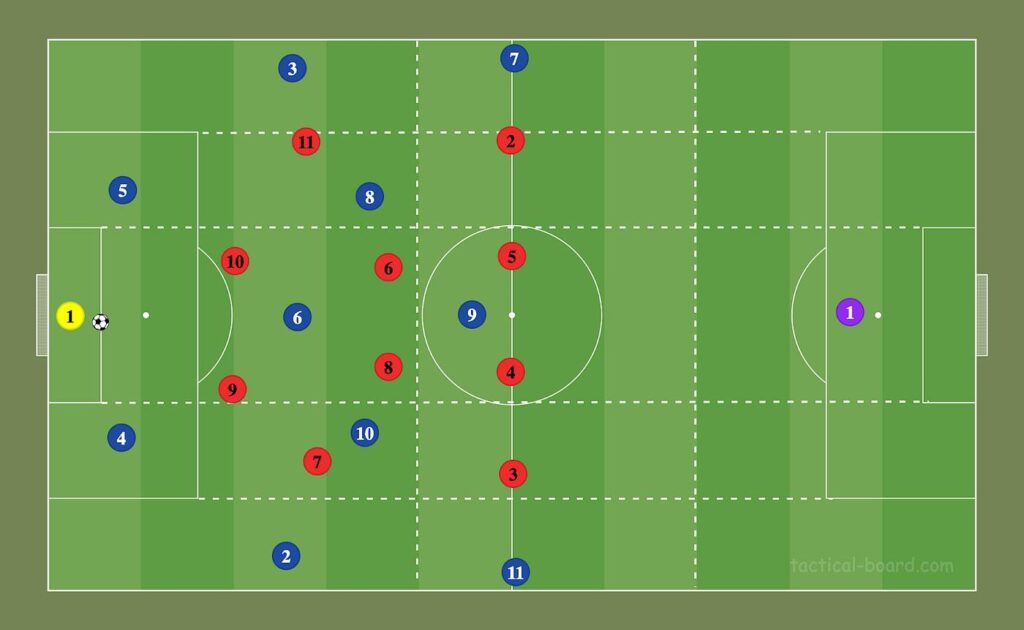
Spain rely on possession to control matches and generate steady xG. Their approach reduces opponent chances while creating consistent scoring opportunities.
They may not produce explosive numbers, but their World Cup expected goals balance makes them a serious contender.
Players to Watch in Expected Goals 2026
Kylian Mbappé – xG Machine
Kylian Mbappé is one of the most dangerous forwards in world football. His pace and positioning allow him to generate high xG in almost every match.
He consistently ranks among the top players in World Cup expected goals and is a strong candidate for the Golden Boot.
Erling Haaland – Clinical Finisher
Erling Haaland thrives on high-quality chances. His movement inside the box ensures he is always in goal-scoring positions.
If his team creates enough opportunities, his World Cup expected goals numbers could be among the highest in the tournament.
Lionel Messi – Creator and Finisher
Lionel Messi continues to influence games through both scoring and playmaking.
His expected assists (xA) significantly boost his team’s World Cup expected goals, making him one of the most complete attacking players.
Jude Bellingham – Midfield Impact
Jude Bellingham adds a new dimension to midfield play. His ability to arrive late in the box creates high xG chances from midfield positions.
Vinícius Jr. – Explosive Chance Creator
Vinícius Júnior generates xG through dribbling and pace. His ability to break defensive lines creates high-quality opportunities for himself and teammates.
Tactical Trends Shaping Expected Goals
Modern football tactics play a huge role in World Cup expected goals. The most successful teams use specific strategies to maximize chance quality:
Cutbacks and Low Crosses
Teams focus on creating chances inside the box rather than taking long shots.
High Pressing Systems
Winning the ball high up the pitch leads to better scoring opportunities and higher xG.
Fast Transitions
Counter-attacking teams generate high xG by catching defenses out of shape.
Set-Piece Optimization
Corners and free-kicks are now carefully designed to produce high-value chances.
Dark Horse Teams in World Cup Expected Goals
Some teams may not be favorites but have strong xG profiles:
- Portugal – Strong attacking depth and creativity
- Germany – Improving structure and chance creation
- Netherlands – Balanced attack and defense
- Uruguay – Efficient finishing and compact defense
These teams could outperform expectations if their World Cup expected goals translate into actual goals.
Final Prediction Based on World Cup Expected Goals
Based on current form, player performance, and tactical trends, teams most likely to dominate World Cup expected goals in 2026 are:
- France
- Argentina
- England
- Brazil
Among players, expect names like Mbappé, Haaland, and Bellingham to lead xG charts.
Conclusion
World Cup expected goals is one of the most powerful tools to understand modern football. It goes beyond basic stats and reveals the true strength of teams and players.
As the 2026 World Cup approaches, xG analysis clearly shows which teams are building sustainable success and which players are consistently creating danger.
If trends continue, the next World Cup will be dominated not just by talent, but by teams that understand how to create the best chances not just the most.