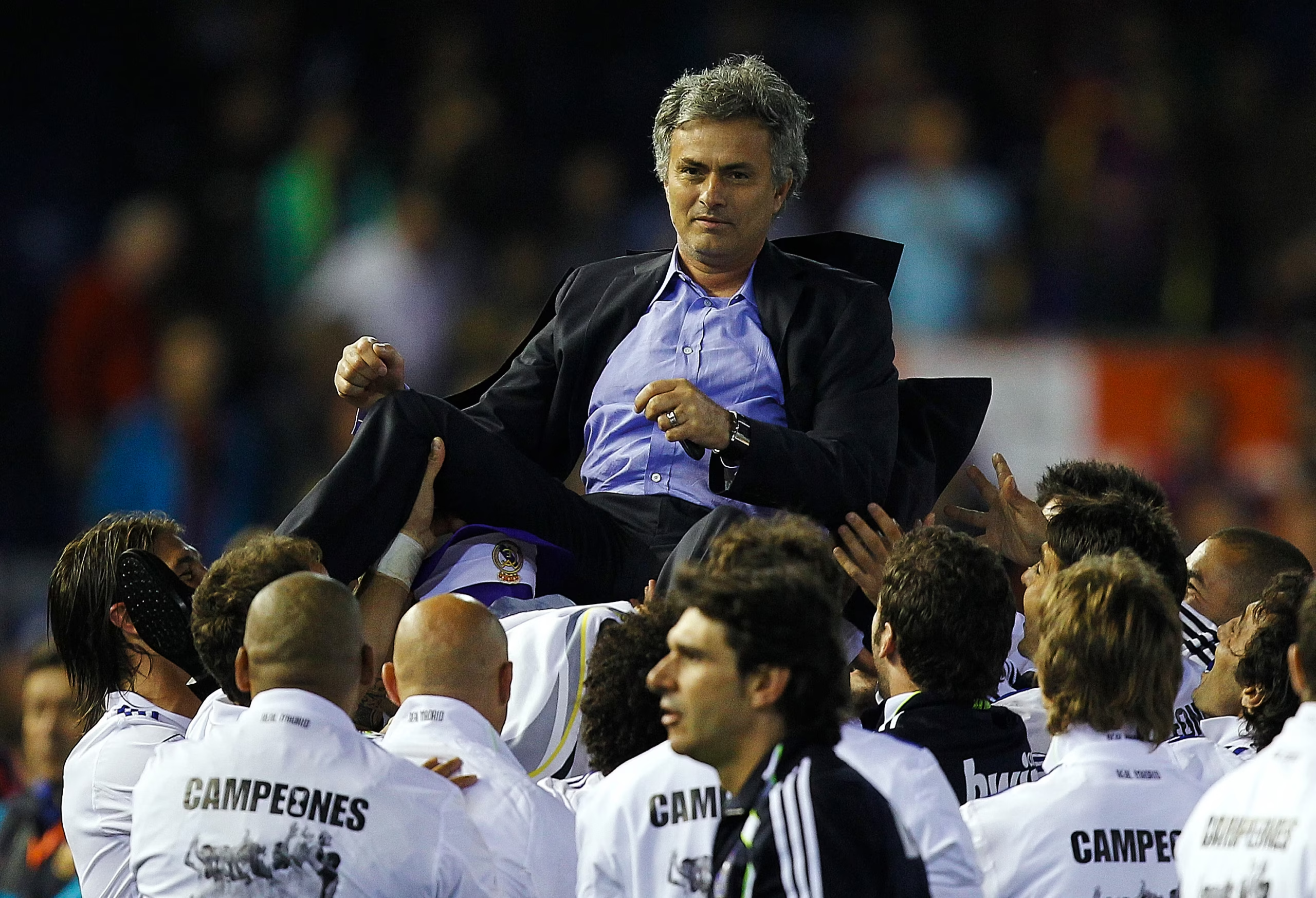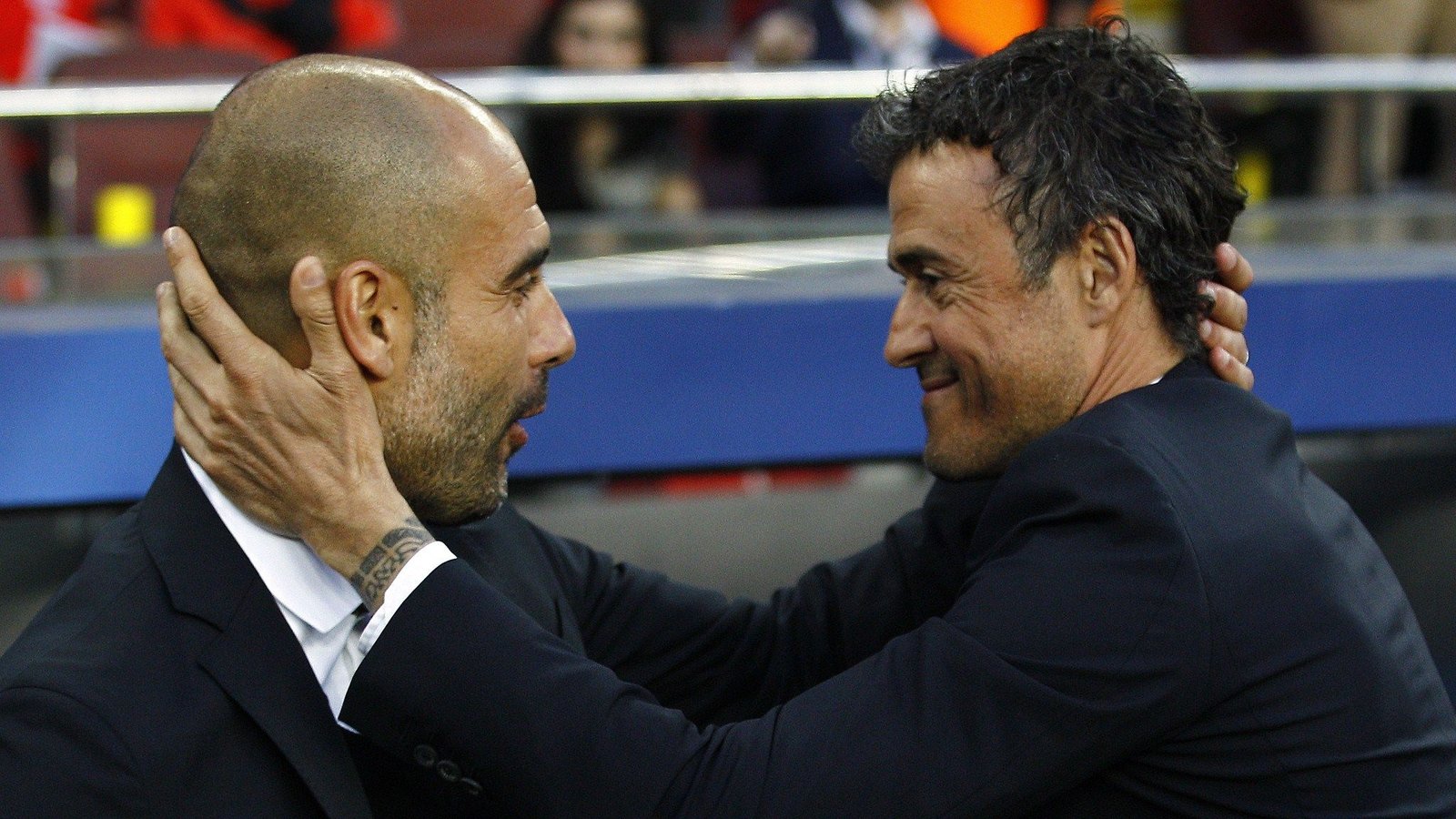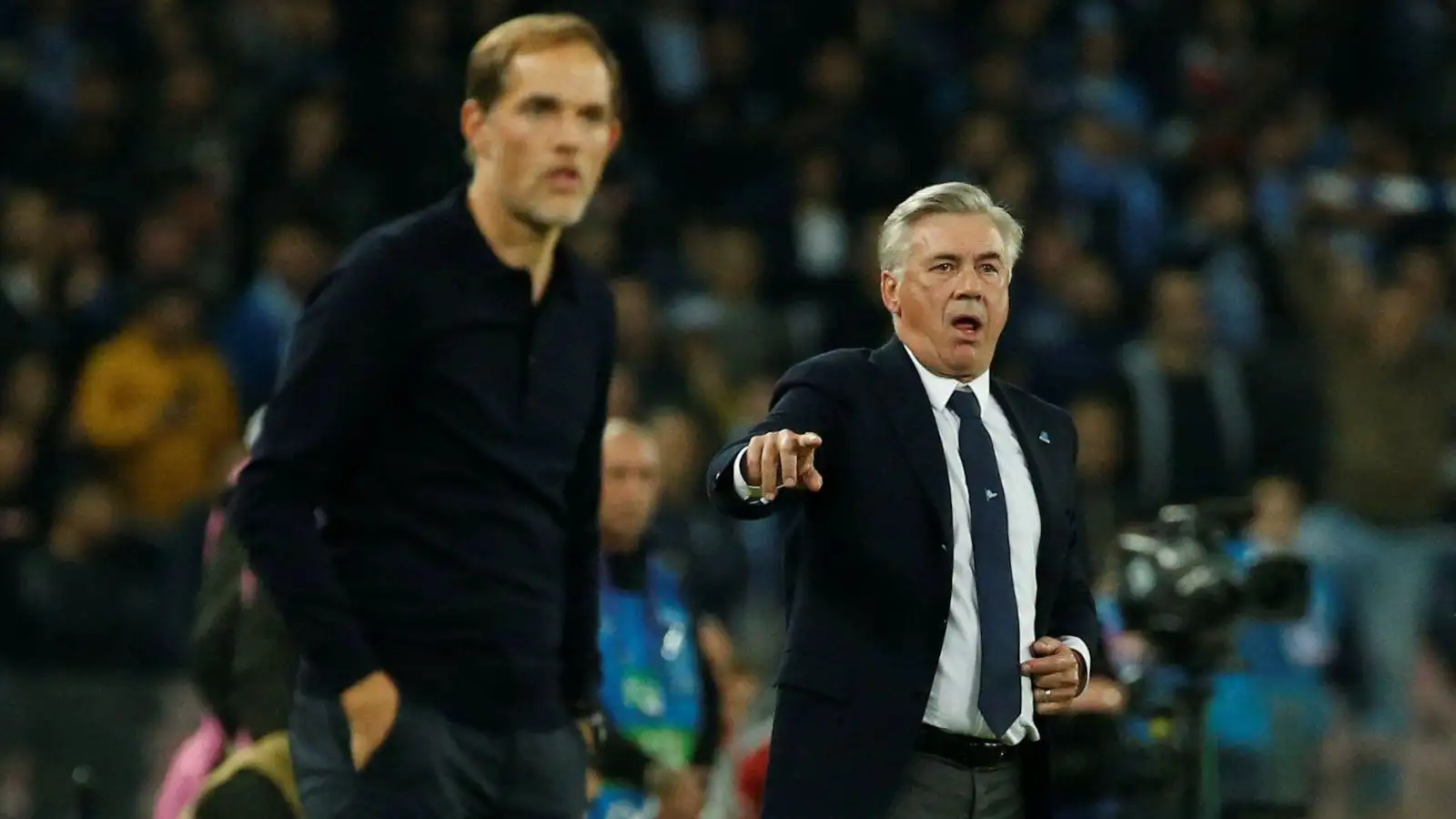
The 2026 FIFA World Cup is set to become the biggest tournament in football history. With 48 national teams competing across the United States, Canada, and Mexico, the pressure on managers will be greater than ever before. Every tactical decision, squad selection, and in-game adjustment could define a nation’s success or failure on football’s grandest stage. This blog ranks the best World Cup managers heading into World Cup 2026.
The debate around the best World Cup managers has already intensified ahead of kickoff. From legendary tactical masterminds to elite modern innovators, several coaches enter the tournament carrying enormous expectations. Some are tasked with ending decades-long trophy droughts, while others are aiming to defend global dominance.
This list ranks the best World Cup managers heading into World Cup 2026 based on tactical quality, tournament experience, leadership, and their ability to perform under extreme pressure.
7. Carlos Queiroz – Ghana
Few coaches in football history possess the international tournament experience of Carlos Queiroz. The veteran Portuguese tactician has built a reputation as one of the smartest defensive coaches in modern football, and his leadership of Ghana makes them one of the most dangerous underdog teams at World Cup 2026.
Queiroz has managed multiple national teams across different eras, including Portugal, Iran, and Colombia. His ability to organize disciplined defensive structures has frustrated elite attacking nations throughout his career. Ghana now benefits from that same tactical discipline.
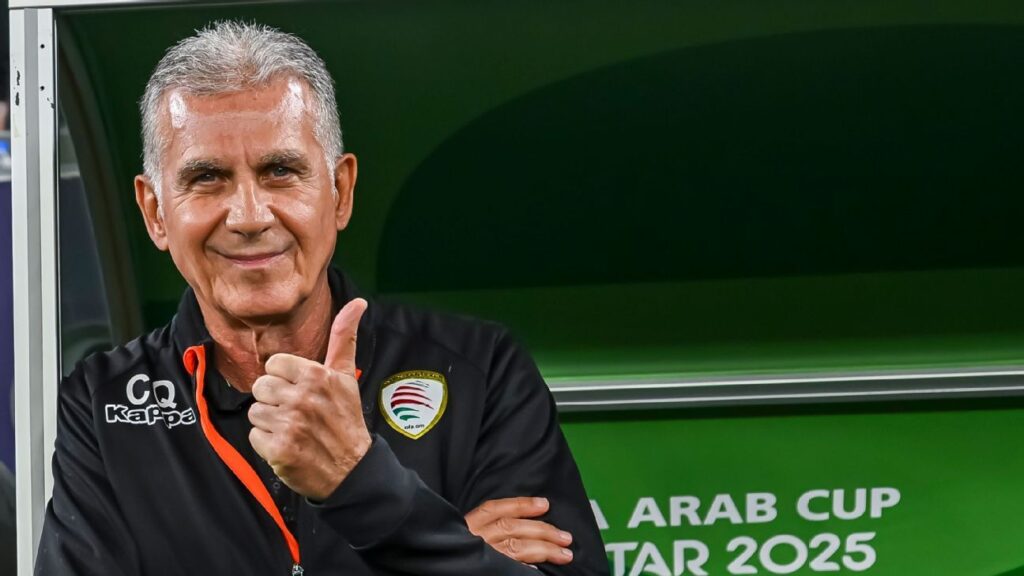
His football philosophy centers around compact defensive lines, structured pressing zones, and rapid counter-attacks. Ghana may not dominate possession during the tournament, but they will likely remain extremely difficult to break down.
What makes Queiroz one of the best World Cup managers is his understanding of tournament football. Knockout competitions often reward discipline over entertainment, and Queiroz excels in building resilient systems capable of surviving high-pressure matches. If Ghana progresses deep into the knockout rounds, Queiroz’s tactical organization will be a major reason why.
6. Julian Nagelsmann – Germany
Julian Nagelsmann represents the new generation of elite football coaches. Despite his relatively young age, the German manager has already established himself as one of the brightest tactical minds in world football. Germany appointed Nagelsmann with one clear objective: restore the national team to global dominance after disappointing recent tournaments. His appointment immediately modernized Germany’s tactical identity.
Nagelsmann prefers fluid formations that constantly evolve during matches. His teams use aggressive pressing, inverted fullbacks, positional rotations, and rapid transitions to overwhelm opponents. Unlike traditional systems, his tactical setups often shift multiple times within a single game. This unpredictability makes Germany one of the most tactically flexible teams entering the 2026 FIFA World Cup.
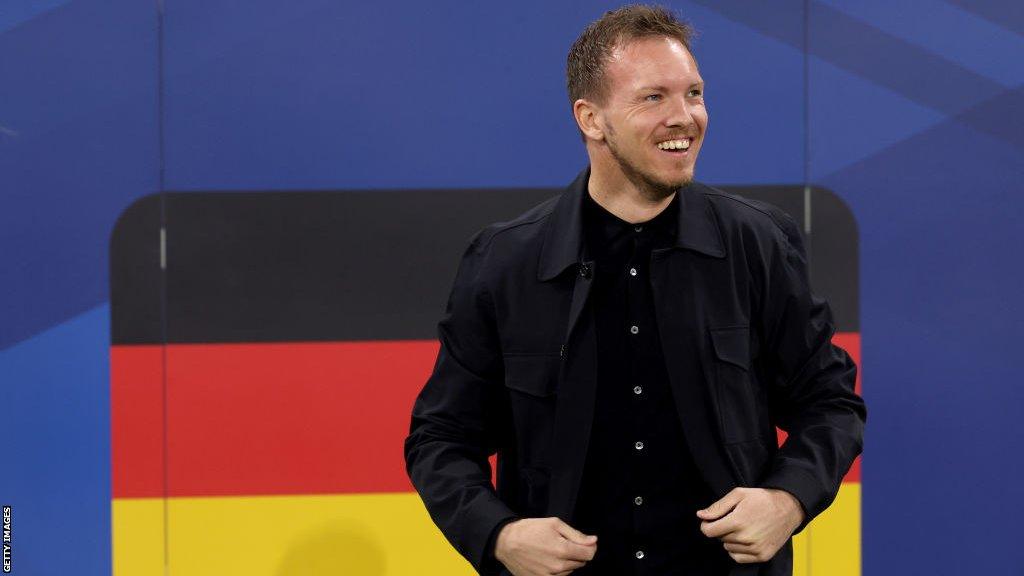
Another reason Nagelsmann ranks among the best World Cup managers is his advanced use of analytics and sports science. Training intensity, squad rotation, and tactical preparation are carefully optimized to maximize performance. Germany’s squad perfectly fits his modern football philosophy. Young technical players combined with experienced leaders give Nagelsmann the tools to challenge for the trophy.
If his tactical innovations click consistently during the tournament, Germany could become one of the most complete teams in World Cup 2026.
5. Marcelo Bielsa – Uruguay
Marcelo Bielsa remains one of football’s most influential tactical revolutionaries. Nicknamed “El Loco,” Bielsa has inspired countless elite managers, including Pep Guardiola, Mauricio Pochettino, and Diego Simeone. Now leading Uruguay, Bielsa brings his trademark intensity to one of South America’s most historic football nations.
Uruguay under Bielsa plays fearless football. His teams press aggressively all over the pitch, attack vertically, and demand relentless physical effort from every player. Opponents rarely feel comfortable when facing Bielsa’s systems because of the nonstop pressure they apply.
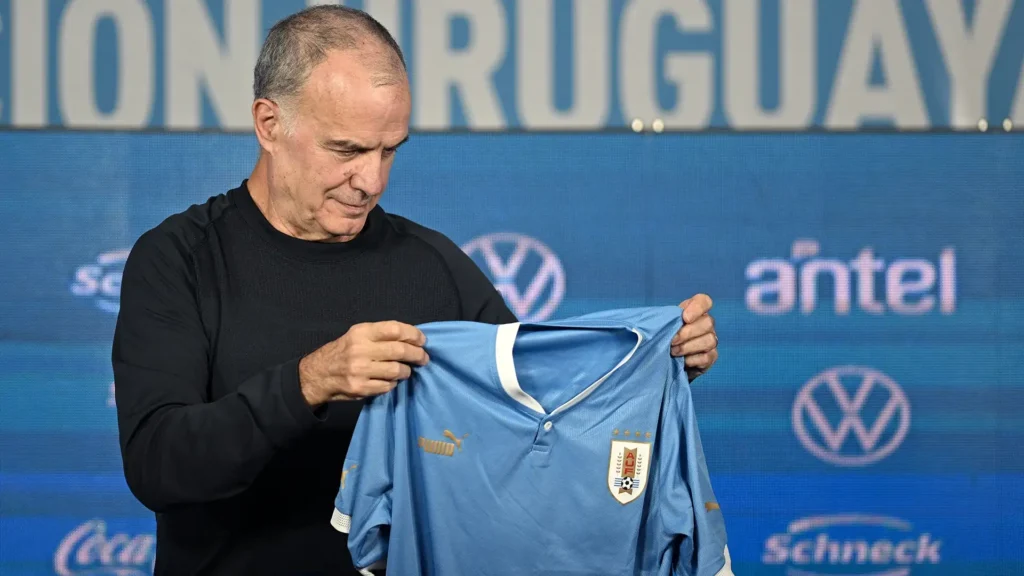
One of Bielsa’s greatest strengths is his ability to improve players individually. Young talents often develop rapidly under his demanding coaching methods. Uruguay’s energetic squad fits perfectly with his aggressive tactical identity.
The challenge for Bielsa at World Cup 2026 will be maintaining intensity across a long tournament schedule. His systems require exceptional fitness and mental concentration. Still, Bielsa’s tactical influence and attacking philosophy place him firmly among the best World Cup managers heading into the competition. Uruguay may not enter as favorites, but they are capable of defeating any team in the tournament on their day.
4. Thomas Tuchel – England
England’s decision to appoint Thomas Tuchel signaled a major tactical shift. The Football Association turned to the German coach hoping he could finally transform England’s golden generation into world champions. Tuchel arrives with an outstanding club resume that includes a UEFA Champions League title and successful spells managing elite European clubs.
His tactical approach revolves around positional control, defensive compactness, and structured pressing. Tuchel is known for building highly organized teams capable of adapting to different opponents and match situations. England’s squad contains enormous attacking talent, but previous tournaments often exposed their tactical limitations in decisive matches. Tuchel’s arrival aims to solve that problem.
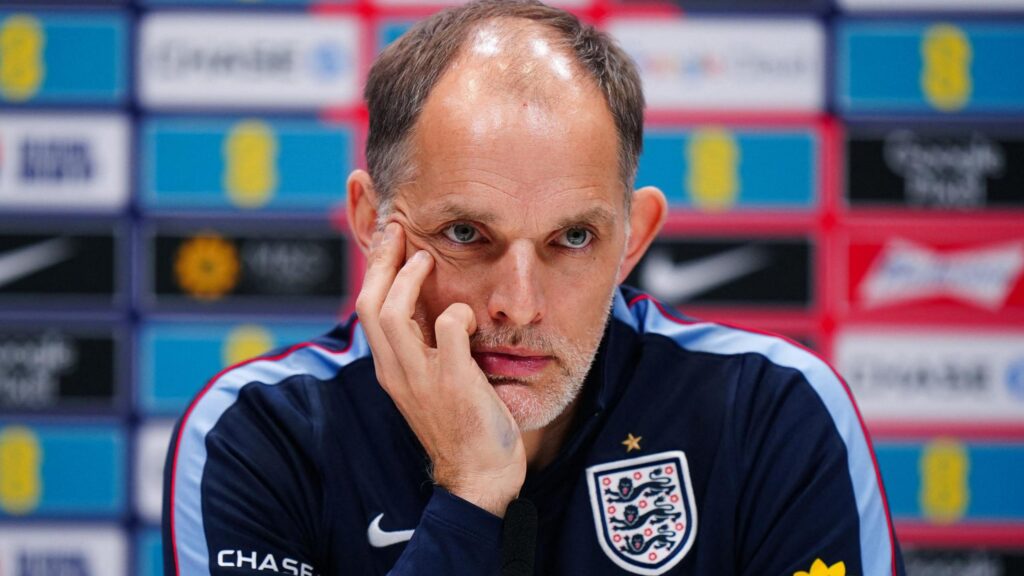
One reason Tuchel ranks among the best World Cup managers is his tactical flexibility. He can switch between back-three and back-four systems while maintaining defensive stability. His ability to neutralize strong opponents in knockout football makes England particularly dangerous.
The psychological side of management will also be crucial. England carries massive media pressure at every major tournament, and Tuchel’s experience handling elite dressing rooms could help keep the squad focused. If England finally lifts the World Cup trophy in 2026, Tuchel’s tactical intelligence will likely be the foundation behind their success.
3. Carlo Ancelotti – Brazil
Carlo Ancelotti entering international football with Brazil is one of the biggest stories of World Cup 2026. Widely regarded as one of the greatest club managers in football history, Ancelotti now faces the enormous challenge of restoring Brazil to the top of world football. Brazil has not won the FIFA World Cup since 2002, and expectations surrounding the national team remain enormous.
Ancelotti’s greatest strength is his legendary man-management ability. Unlike managers obsessed with rigid systems, he adapts tactics around player strengths. This approach perfectly suits Brazil’s squad filled with technically gifted attackers.
The Italian manager has won league titles across Europe’s top leagues and lifted the UEFA Champions League trophy five times. That experience gives Brazil a calm and proven leader capable of handling football’s biggest moments. Brazil under Ancelotti is expected to combine attacking freedom with improved defensive balance. His tactical flexibility allows the team to adjust based on opponents rather than forcing one predictable style.
Another important factor is player trust. Elite footballers consistently praise Ancelotti’s communication skills and calm leadership style. In a high-pressure tournament environment, that emotional stability can become a major advantage. Brazil’s mission is simple: win a sixth World Cup title. With Ancelotti in charge, many believe they finally have the ideal manager to achieve it.
2. Lionel Scaloni – Argentina
Lionel Scaloni has already achieved legendary status in Argentina after guiding the national team to the 2022 FIFA World Cup title. What makes his success even more remarkable is how quickly he transformed Argentina from instability into world champions. Initially viewed as a temporary appointment, Scaloni built a united squad capable of competing with the world’s best teams.
His tactical approach combines defensive organization with attacking flexibility. Argentina often shifts shape during matches depending on game flow, allowing Scaloni to outmaneuver opponents strategically.
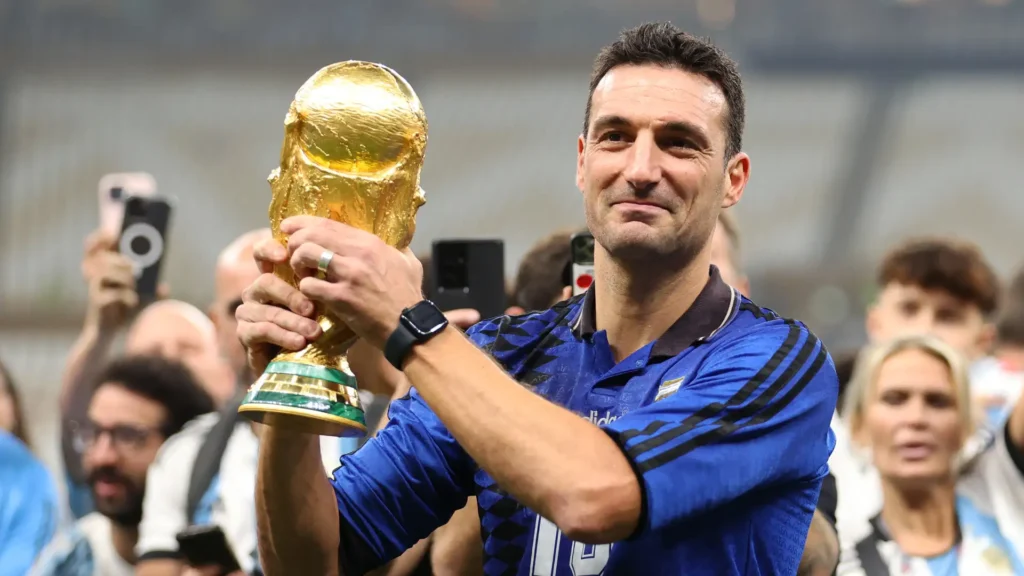
Scaloni also deserves enormous credit for rebuilding Argentina’s mentality. The national team previously struggled under pressure in major finals, but under his leadership they developed resilience and collective belief. Another major strength is his adaptability. Scaloni consistently makes smart in-game changes and tactical adjustments during tournaments. This flexibility helped Argentina survive several difficult knockout matches during their World Cup-winning campaign.
Heading into 2026, Argentina faces the difficult challenge of defending the title. Maintaining hunger after achieving ultimate success is never easy. Still, Scaloni’s tactical intelligence, leadership, and recent achievements make him one of the absolute best World Cup managers entering the tournament.
1. Didier Deschamps – France
Didier Deschamps stands at the top of the list of the best World Cup managers heading into World Cup 2026. Few managers in football history can match his record, consistency, and tournament success. Deschamps won the FIFA World Cup as both a player and a manager, placing him in elite historical company. Since taking charge of France in 2012, he has transformed Les Bleus into the most consistently successful national team of the modern era.
France won the 2018 FIFA World Cup under Deschamps and reached another final in 2022. His ability to guide teams deep into tournaments repeatedly separates him from nearly every other international manager. Tactically, Deschamps prioritizes balance and structure. France rarely becomes vulnerable defensively, while their explosive attacking talent thrives in transition moments. His teams may not always dominate possession, but they consistently control matches intelligently.
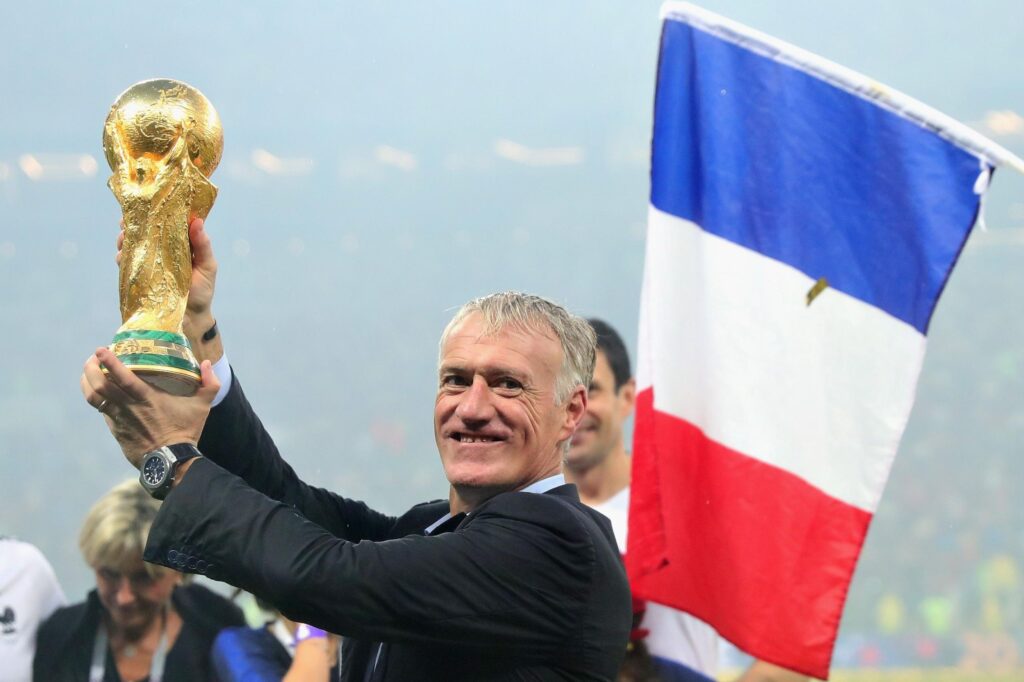
Perhaps his greatest skill is squad management. France possesses extraordinary depth filled with superstar players, yet Deschamps consistently maintains discipline and unity inside the dressing room. Tournament football often rewards pragmatism, adaptability, and emotional control. Few managers understand those qualities better than Deschamps.
As World Cup 2026 approaches, France once again enters as one of the biggest favorites, and Didier Deschamps remains the benchmark for international football management.
The battle between these tactical masterminds will become one of the defining storylines of the 2026 FIFA World Cup. Whether it is Deschamps chasing another title, Scaloni defending Argentina’s crown, Ancelotti attempting to revive Brazil, or Tuchel trying to end England’s long wait, the tournament promises elite tactical drama from start to finish. For football fans worldwide, watching the best World Cup managers compete on the biggest stage may be just as fascinating as the action on the pitch itself.