The road to the 2026 FIFA World Cup is unlike anything football fans have seen before. With the tournament expanding to 48 teams and being hosted across three countries, the qualification process has become bigger, longer, and more competitive than ever. For many nations, simply reaching the finals is now a realistic dream, while for traditional giants, qualification remains a test of consistency and depth. In this blog, we break down how FIFA World Cup qualifications works, explain the structure across different continents, and take a look at which teams have already qualified and who is still fighting for a place at the 2026 finals.
How FIFA World Cup Qualification Works

The world cup qualifications system is organized by FIFA through its six continental confederations. Each confederation runs its own tournament, with a specific number of places allocated based on strength and size. While the formats differ from continent to continent, the goal is the same: finish high enough to earn a ticket to the World Cup.
Automatic Qualification for Hosts
One of the biggest differences in 2026 is the presence of three host nations.
- United States
- Canada
- Mexico
All three qualify automatically, meaning they do not take part in qualifying matches. This decision opened up additional qualifying opportunities for other teams in their region.
Continental Qualification Breakdown
Europe (UEFA)
Europe receives the highest number of World Cup slots. Teams are divided into qualification groups, playing home-and-away matches. Group winners qualify directly, while runners-up enter a playoff system. These playoffs add drama and unpredictability, often featuring high-profile nations battling for the final spots.
Several European teams have already secured qualification through strong group performances, while others remain locked in tight races that will go down to the final matchdays.
South America (CONMEBOL)
South American qualification is widely considered the toughest. All ten teams play each other in a long league format. The top teams qualify directly, while lower-ranked teams may get a second chance through playoffs.
Traditional powerhouses like Argentina and Brazil teams are in this region. CONMEBOL teams fight for qualification spots in one of football’s most intense world cup qualifications environments.
Africa (CAF)
Africa’s qualification format consists of group stages, with group winners qualifying directly for the World Cup. The expanded tournament has given Africa more guaranteed places, which has increased competition across the continent. Several African giants have already booked their tickets.
Asia (AFC)
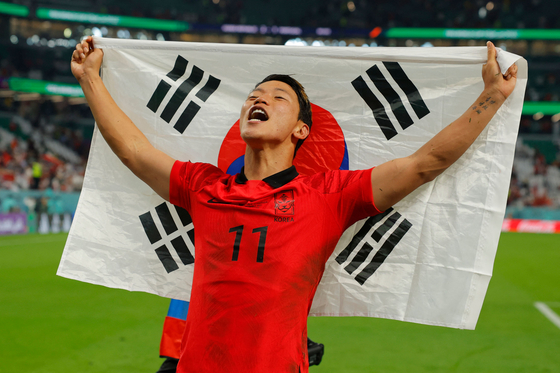
Asian qualification involves multiple rounds, gradually narrowing down the field. Strong teams progress through early stages before battling it out for direct qualification and playoff positions.
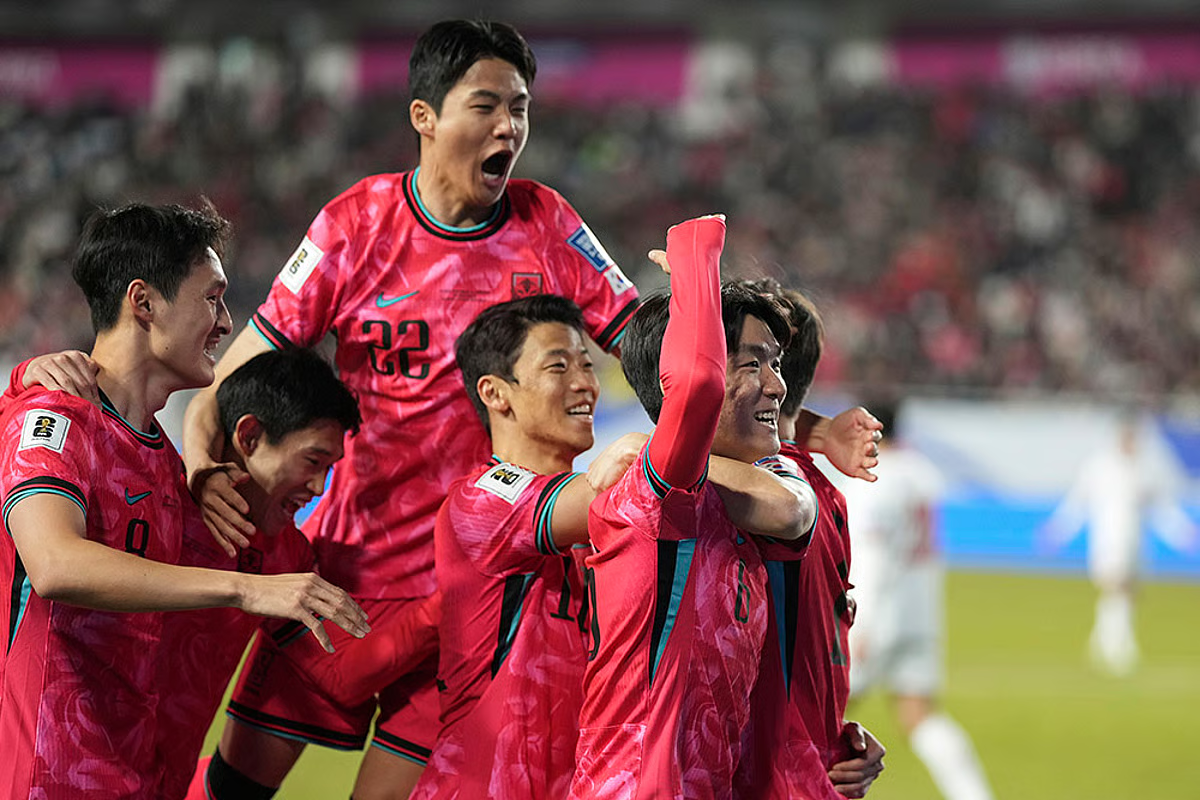
Teams like Japan, South Korea, and Iran have strong history in world cup qualifications.
North and Central America (CONCACAF)
With three hosts already qualified, CONCACAF qualification focuses on determining which additional teams will join them. A mix of group stages and knockout rounds decides direct qualifiers and playoff entrants.
Oceania (OFC)
Oceania has finally been granted a guaranteed World Cup spot. New Zealand has already taken advantage of this opportunity and secured qualification. Other teams from the region still have a pathway through intercontinental playoffs.
Intercontinental Playoffs Explained
One of the most exciting elements of the 2026 qualification cycle is the intercontinental playoff tournament. Teams from different confederations face off in a mini-tournament to decide the final World Cup places. These matches often deliver surprises, with underdogs getting the chance to upset more established football nations.
Teams Still Pending Qualification
Despite many confirmed participants, few World Cup spots remain open. These will be decided through:
- European playoffs
- Intercontinental playoff matches
Some famous footballing nations are still at risk, which adds extra tension and excitement to the final stages of qualification.
Why 2026 Qualification Is Special
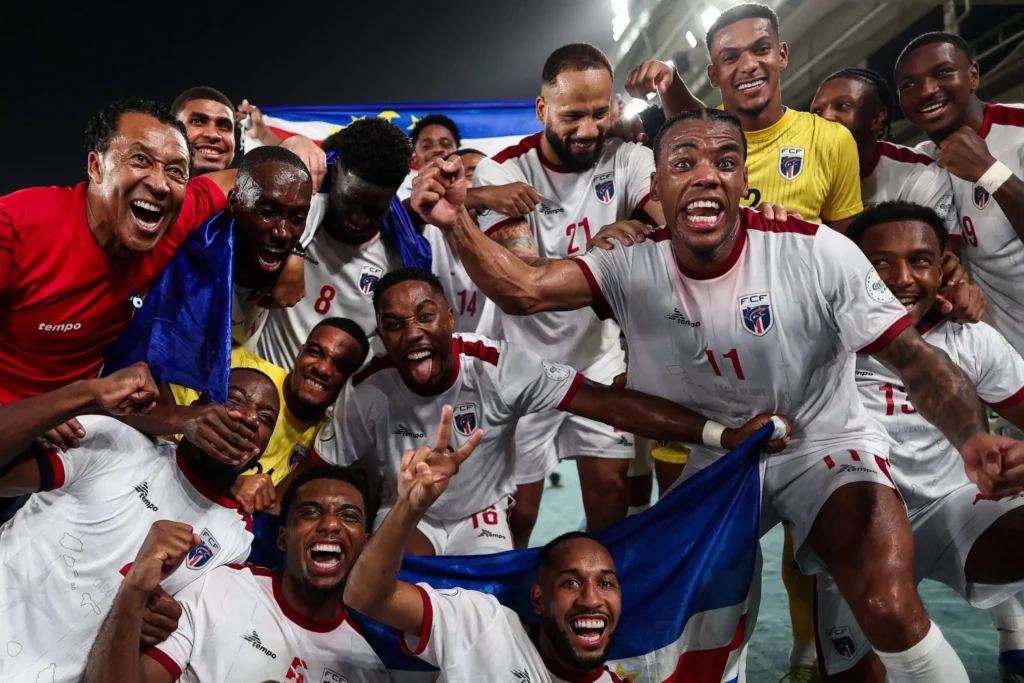
The expanded tournament has transformed world cup qualifications into a more inclusive and competitive journey. Smaller nations now have reached the World Cup, while traditional powers must stay sharp to avoid playoff danger.
For fans, this means more meaningful matches, more drama, and more football stories unfolding across the globe.
Final Thoughts
The qualification journey to the 2026 FIFA World Cup is a marathon filled with triumph, heartbreak, and unforgettable moments. With spots still up for grabs and playoffs yet to be played, the road to North America remains wide open. Whether you support a global powerhouse or an emerging football nation, the excitement of qualification football proves once again that the World Cup truly belongs to the world.