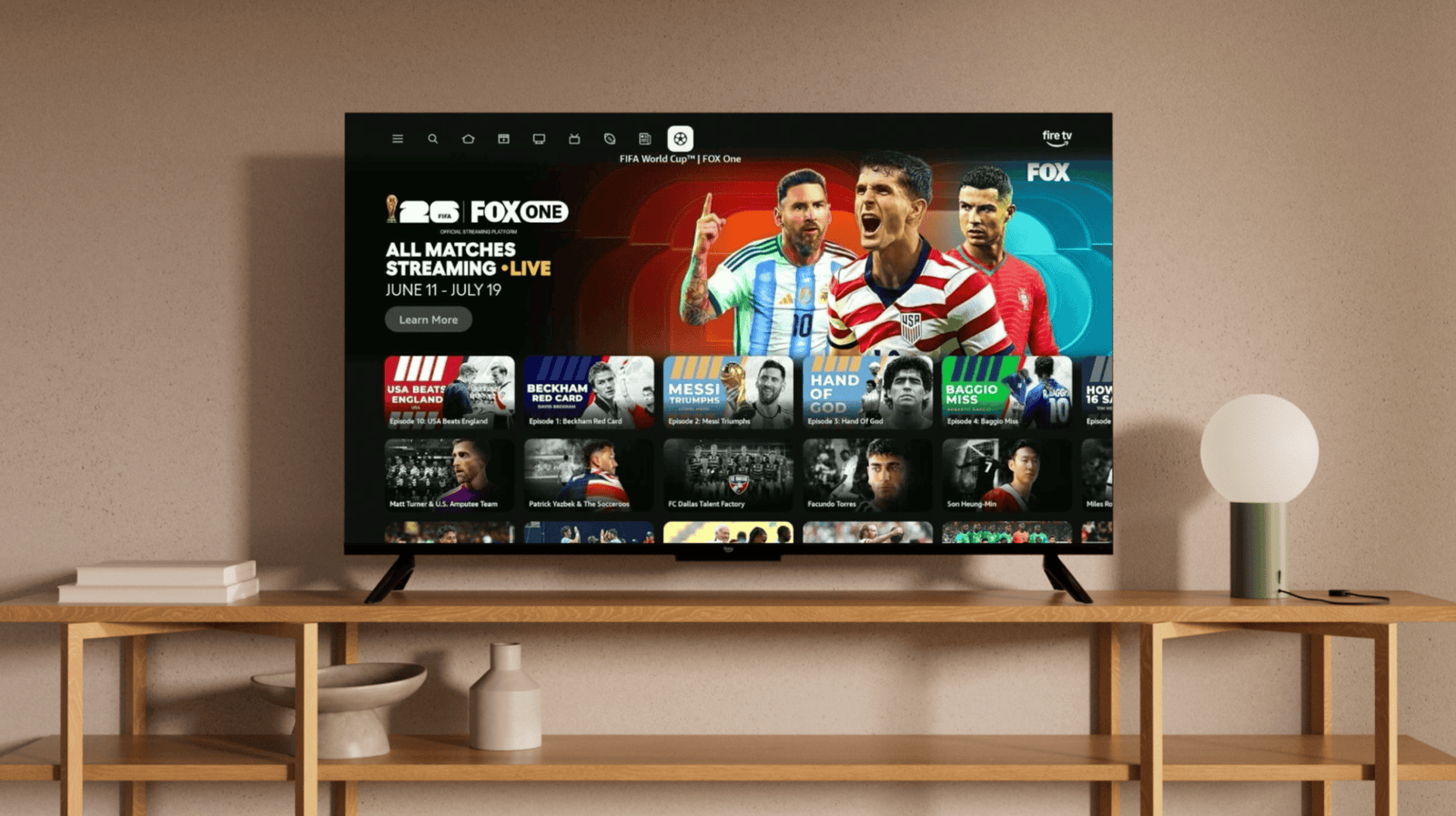
The World Cup 2026 schedule marks a historic shift in international football. With 48 teams, 104 matches, and three host nations the United States, Mexico, and Canada the tournament introduces a new level of scale and global reach. Running from June 11 to July 19, 2026, it delivers more football, more drama, and more viewing opportunities than any previous edition.
Fans searching for the World Cup schedule also want one key answer: how to watch every match live without missing critical fixtures. Multiple legal broadcasting and streaming options now make it possible to follow the entire tournament at low cost or even free, depending on region and timing.
World Cup 2026 Schedule Format Explained
The structure of the 2026 tournament is the biggest reason the World Cup schedule has expanded so significantly. FIFA has increased the number of participating teams from 32 to 48. These teams are divided into 12 groups of four. Each team plays three group-stage matches, meaning every result has major importance from the start.
The top two teams from each group automatically advance, along with the eight best third-placed teams. This creates a new Round of 32, a stage that did not exist in previous World Cups. In total, the tournament now features 104 matches, making the World Cup 2026 schedule the longest in football history.
Group Stage Schedule: June 11 – June 27
The group stage sets the tone for the entire competition. Every team plays three matches, and consistency is essential because even third place can still lead to qualification. The opening match kicks off at Estadio Azteca in Mexico City, where the host nation begins the tournament in front of a global audience. From that moment, matches are played daily across North America.
Key Group Stage Fixtures
Several fixtures stand out due to global interest and competitive balance:
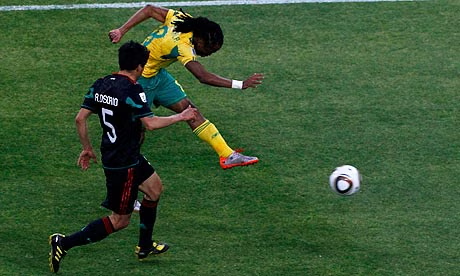
Mexico vs South Africa
USA vs Paraguay
England vs Croatia
France vs Senegal
Brazil vs Morocco
Argentina vs Algeria
Spain vs Uruguay
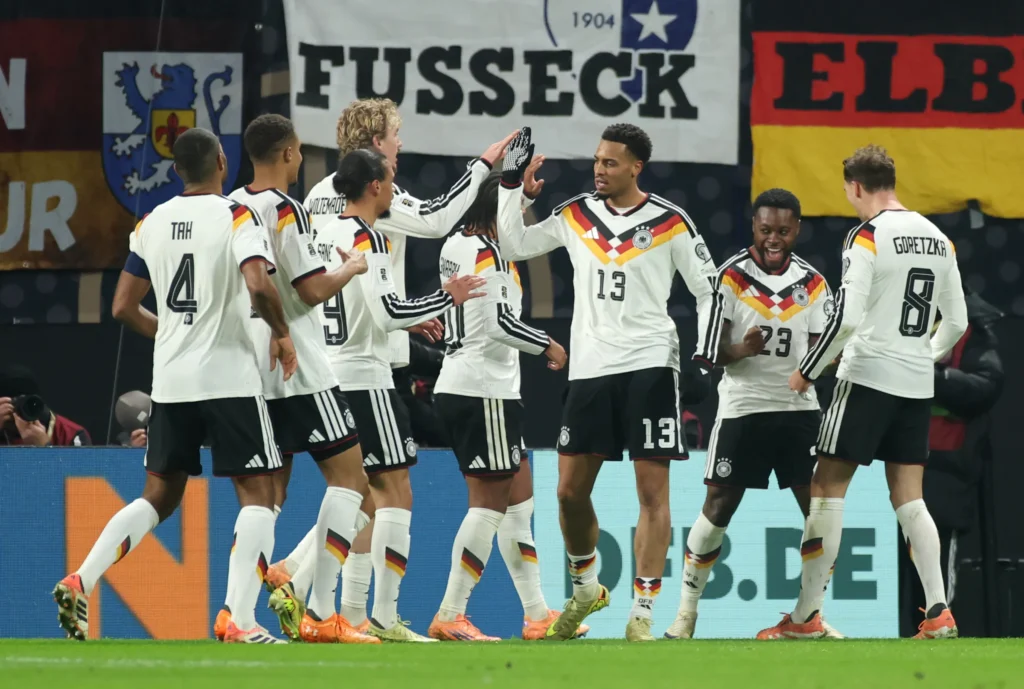
Germany vs Ivory Coast
Netherlands vs Japan
These matches shape early qualification trends and often determine knockout-stage pathways.
Group Stage Viewing Pattern
The World Cup schedule is designed for global audiences:
Afternoon matches suit North and South American viewers
Evening matches target European audiences
Late-night matches cater to Asian and Oceania time zones
This structure ensures continuous global engagement throughout the day.
Knockout Stage Begins: Round of 32 (June 28 – July 3)
The introduction of the Round of 32 adds a new layer of intensity to the World Cup 2026 schedule. Unlike previous editions, more teams now progress beyond the group stage. This increases the chances of underdog success and surprise eliminations. Each match is a knockout. One loss ends the campaign immediately. Tactical discipline becomes more important, and teams often adopt cautious strategies to avoid early exits.
[wpcode id=”1770″]
Round of 16: July 4 – July 7
The Round of 16 represents a major step up in quality. Only the strongest teams remain, and matches become significantly more tactical. At this stage, defensive structure and game management often decide outcomes. Many matches extend into extra time or penalties, reflecting the tight competition between elite teams. This phase is where the World Cup schedule begins producing defining moments that shape the tournament narrative.
Quarterfinals: July 9 – July 11
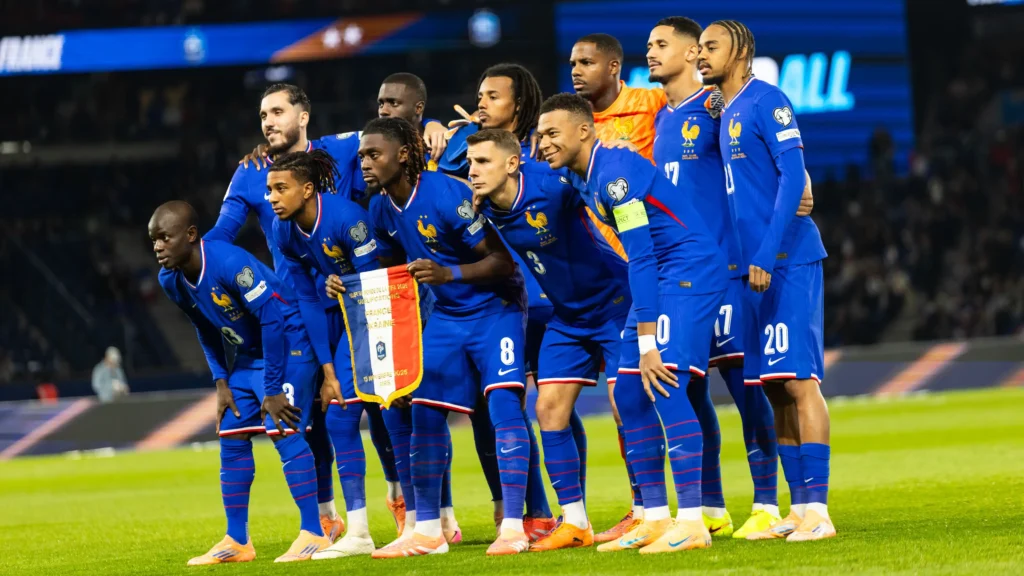
The quarterfinal stage features the final eight teams competing for a place in the semifinals. At this level, margins are extremely thin. Mistakes are rare, and matches are often decided by individual brilliance or set-piece execution. Every goal carries enormous weight. This stage is widely considered one of the most exciting parts of the World Cup 2026 schedule, as it separates contenders from true championship favorites.
Semifinals: July 14 – July 15
The semifinals narrow the competition to just four teams. At this point, pressure reaches i
ts peak. Matches are typically cautious, with teams prioritizing structure and risk management. However, moments of brilliance often decide outcomes. A single goal can determine whether a nation reaches the World Cup final or exits in heartbreak.
World Cup Final: July 19 at MetLife Stadium
The tournament concludes at MetLife Stadium in New Jersey. This match defines the champion of the 2026 World Cup and closes the entire World Cup schedule. he final is expected to draw one of the largest global television audiences in sports history. It represents the peak of international football competition, where legacy is created and history is written.
[wpcode id=”1772″]
Where to Watch World Cup 2026 Live
Broadcast rights vary by region, but global coverage is extensive.
United States
FOX
FS1
Telemundo
Universo
Canada
CTV
TSN
United Kingdom
BBC
ITV
Australia

SBS On Demand (free full coverage)
These broadcasters ensure full coverage of the World Cup 2026 schedule across different continents. How to Watch World Cup 2026 for Free. Several legal options allow fans to follow the tournament without paying full subscription costs.
1. Free-to-Air Television
In the United States, FOX broadcasts select matches free via local channels. With a simple antenna, viewers can access live group-stage and knockout games depending on region.
2. Free Streaming Trials
Streaming platforms often provide limited free access:
YouTube TV
FuboTV
DirecTV Stream
FOX One
By using trial periods strategically, viewers can follow multiple phases of the World Cup schedule without long-term subscription costs.
[wpcode id=”1773″]
3. Tubi Coverage
FOX also streams selected matches on Tubi. This includes opening fixtures and high-profile games during the tournament.
4. SBS On Demand (Australia)
Australia offers one of the most complete free viewing options. SBS On Demand provides live matches, replays, and highlights across the entire World Cup 2026 schedule.Key Matches to Watch in the World Cup Schedule
Certain fixtures attract global attention due to team strength and rivalry history.
Mexico vs South Africa – Opening match atmosphere
USA vs Paraguay – Host nation spotlight
England vs Croatia – Tactical European clash
France vs Senegal – Athletic intensity matchup
Brazil vs Morocco – Skill vs structure battle
Argentina vs Algeria – South American flair meets discipline
Spain vs Uruguay – Technical showdown
Germany vs Ivory Coast – Power and precision clash
These matches often shape group standings and influence knockout-stage brackets.
Stadiums Hosting the World Cup 2026
The tournament is played across 16 major stadiums in North America.
United States Venues
MetLife Stadium
SoFi Stadium
AT&T Stadium
Mercedes-Benz Stadium
Hard Rock Stadium
Lumen Field
Mexico Venues
Estadio Azteca
Estadio Akron
Estadio BBVA
Canada Venues
BMO Field
BC Place
These venues are selected for capacity, infrastructure, and global broadcast readiness, ensuring smooth execution of the World Cup schedule.
Why the 2026 World Cup Will Break Records
Several structural and commercial factors make this edition historic. The expanded team format increases global participation. More nations means higher worldwide engagement and stronger regional viewership. Broadcast accessibility is also broader than ever. Streaming platforms, free-to-air channels, and mobile apps reduce barriers for fans.
Time zone distribution across North America allows continuous global coverage, ensuring matches are accessible throughout the day. As a result, the World Cup 2026 schedule is expected to set new records for global viewership.
Best Strategy to Watch the Full World Cup Schedule
Fans can combine multiple methods to maximize free access.
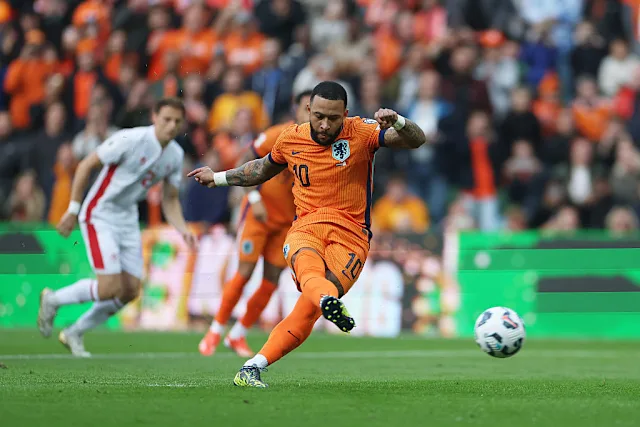
Use free-to-air TV for core matches.
Rotate streaming trials during key stages.
Use Tubi for selected fixtures.
Use SBS On Demand where available.
This approach ensures near-complete coverage of the World Cup schedule at minimal cost.
Conclusion: A Fully Accessible World Cup Era
The World Cup 2026 schedule represents a new era of global football. With expanded teams, increased matches, and widespread broadcasting options, it becomes the most accessible tournament in history. Fans now have more ways than ever to follow every moment live. From group-stage openers to the final in New Jersey, the entire competition is designed for global reach and continuous engagement. The result is a World Cup schedule that is larger, longer, and more available than any previous edition setting a new standard for international football coverage.