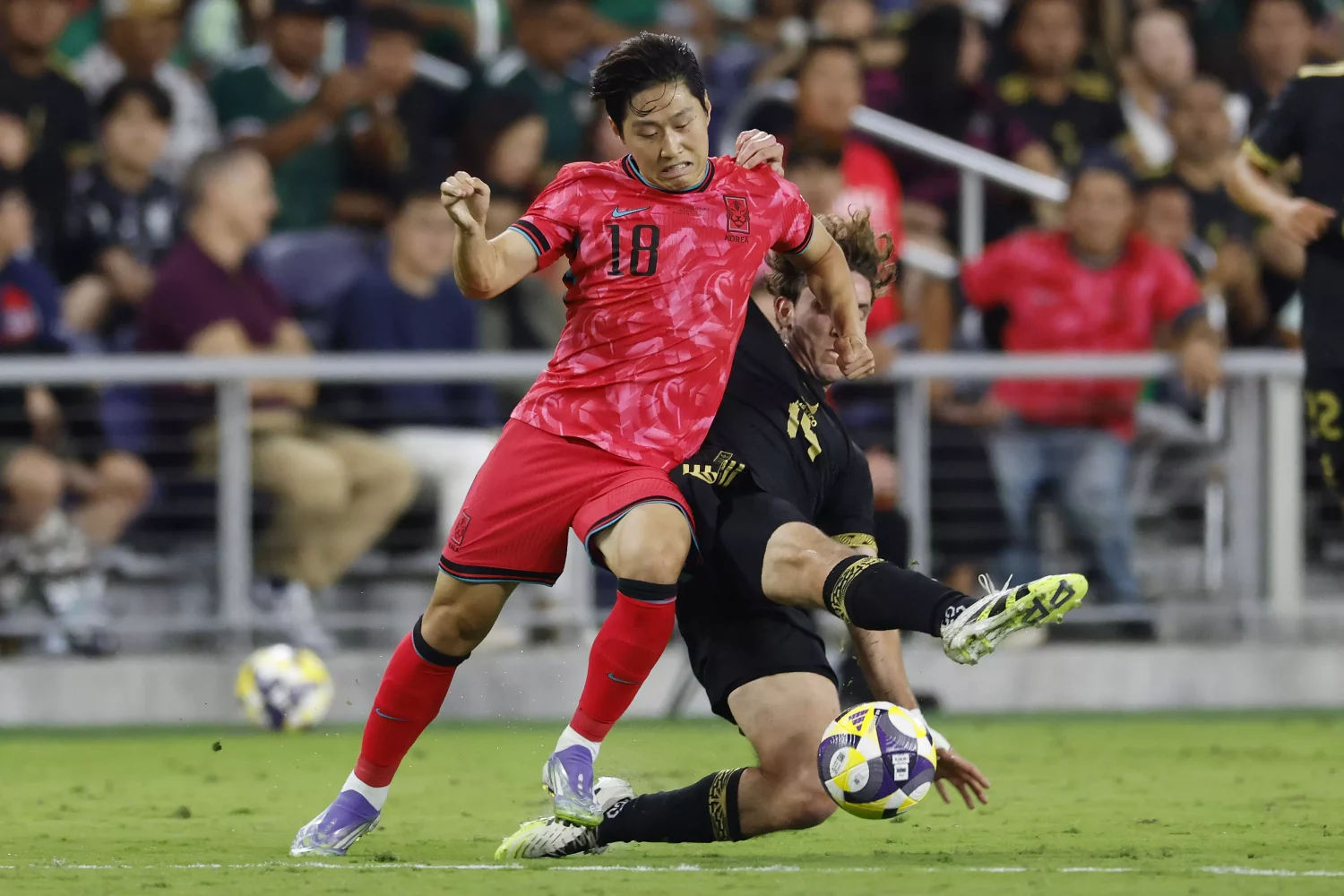
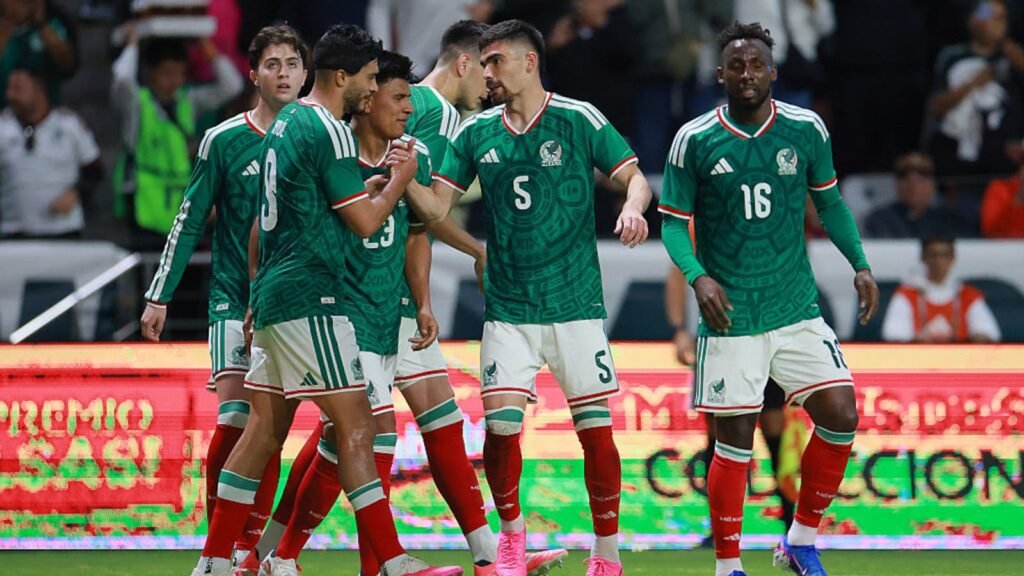
The Mexico vs South Korea clash at the FIFA World Cup 2026 is expected to play a decisive role in Group A qualification dynamics. Both teams arrive with contrasting tactical identities, but similar ambitions: progression into the knockout stage. Mexico national football team will depend heavily on home advantage, tactical discipline, and structured attacking patterns. Their ability to control tempo in familiar conditions gives them a clear competitive edge on paper.
South Korea national football team, meanwhile, bring one of Asia’s most efficient tactical systems. Their strength lies in compact defending, rapid transitions, and disciplined pressing triggers designed to exploit space behind advanced defensive lines. This fixture is widely projected as one of the most balanced matchups in the group stage.
Mexico vs South Korea Odds Breakdown (World Cup 2026)
Early projections from predictive models and bookmaker analysis indicate a narrow advantage for Mexico, largely driven by environmental and structural factors.
- Mexico win probability: 52–55%
- Draw probability: 25–27%
- South Korea win probability: 20–23%
These numbers reflect more than just team strength—they include altitude conditions, crowd influence, and travel adaptation challenges.
Market Expectations
- Mexico or Draw remains the safest betting direction
- Under 2.5 goals aligns strongly with tactical profiles
- First-half draw is statistically common in similar matchups
- Both Teams to Score depends heavily on transition efficiency
The betting landscape suggests a low-to-moderate scoring pattern rather than a high-intensity open match.
Mexico National Football Team Tactical Breakdown
Mexico national football team approach the 2026 World Cup with a well-structured squad built around defensive organization, controlled possession, and situational pressing.
Tactical Structure and Formation Trends
Mexico typically operate in a flexible 4-3-3 or 4-2-3-1 shape depending on opponent pressure. Their buildup phases prioritize stability over speed, ensuring minimal exposure during ball progression. The midfield triangle plays a crucial role in controlling tempo. Edson Álvarez often anchors the system, allowing full-backs to push forward selectively without breaking defensive balance.
Attacking Philosophy
Mexico’s attacking model is based on:
- Wide overloads through overlapping full-backs
- Cross-heavy attacking sequences
- Midfield late runs into the box
- Controlled tempo in final-third buildup
They rarely rely on direct long-ball systems unless under high pressure.
Defensive Organization
Defensively, Mexico maintain a compact mid-block, reducing central penetration lanes. Their structure is designed to force opponents wide, where crosses are easier to defend. However, this system can become vulnerable if midfield spacing collapses under fast transitions.
Key Players and Impact Roles
- Raúl Jiménez: Physical striker, aerial dominance, finishing inside box
- Santiago Giménez: Intelligent movement, pressing forward, box positioning
- Edson Álvarez: Defensive control, transition stopper, midfield balance
- Johan Vásquez: Aerial defender, set-piece threat, defensive leadership
- Gilberto Mora: Creative connector between midfield and attack
Tactical Strengths
- Strong home-ground familiarity and altitude adaptation
- Structured defensive positioning
- Set-piece efficiency in attacking zones
- Physical strength in duels and aerial battles
Tactical Weaknesses
- Transition vulnerability against fast counter-attacks
- Over-reliance on wide crossing patterns
- Occasional difficulty breaking deep compact blocks
South Korea National Football Team Tactical Breakdown
South Korea national football team enter the tournament as one of the most tactically disciplined and physically efficient teams in Asia, with a playing style that has evolved significantly over recent cycles.
Tactical Identity and Structure
South Korea operate with a compact defensive block that shifts dynamically between 4-4-2 and 4-2-3-1 formations depending on phase of play. Their primary objective is to remain compact without the ball, then transition into fast vertical attacks immediately after recovery.
Transition-Based Football Model
South Korea’s most dangerous phase is transition. Once possession is regained:
- The ball is moved vertically within seconds
- Wide players stretch defensive lines
- Midfielders support forward runs immediately
- Striker positions shift rapidly into space exploitation
This makes them extremely dangerous against teams that push full-backs high.
Defensive System
Their defensive organization is built on:
- Tight central compactness
- Coordinated pressing triggers in midfield zones
- Aggressive recovery runs after losing possession
- Strong aerial presence through Kim Min-jae
Key Players and Tactical Importance
- Son Heung-min: Primary attacking outlet, leader, elite finisher in transition
- Kim Min-jae: Defensive anchor, world-class reading of the game
- Lee Kang-in: Creative passer, unlocks compact defenses
- Hwang Hee-chan: Direct speed threat, transition finisher
- Oh Hyeon-gyu: Physical striker option for tactical variation
Strengths
- Elite counter-attacking execution
- Strong defensive compactness
- High technical quality in midfield
- Efficient transition speed from defense to attack
Weaknesses
- Struggles under sustained physical pressure
- Vulnerability against set-piece-heavy teams
- Limited buildup creativity under high pressing systems
Tactical Breakdown: Key Battles in Mexico vs South Korea
Jiménez vs Kim Min-jae: Physical vs Defensive Masterclass
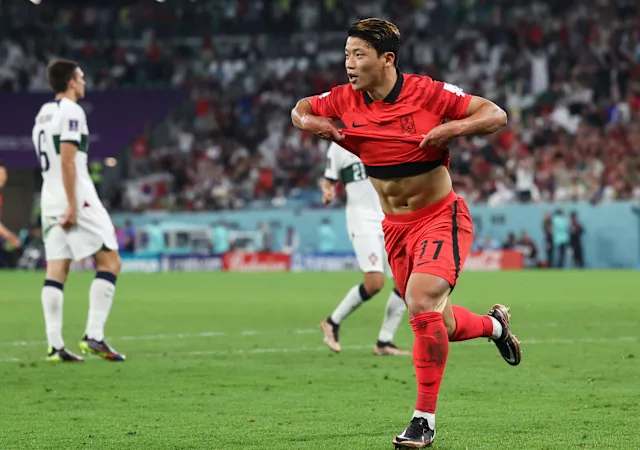
This duel is central to Mexico’s attacking success. Jiménez relies on physical presence and aerial dominance, while Kim Min-jae excels in anticipation, positioning, and timing. If Kim neutralizes aerial delivery, Mexico’s main attacking weapon becomes significantly less effective.
Son Heung-min vs Mexico Defensive Line
Son Heung-min represents South Korea’s most dangerous attacking threat. His ability to exploit space behind defensive lines makes him decisive in transition-heavy matches. If Mexico’s defensive line pushes too high without coordinated midfield pressure, Son can become match-defining.
Edson Álvarez vs Lee Kang-in: Control of Midfield Tempo
This duel determines overall match rhythm. Álvarez focuses on disruption, interception, and defensive balance, while Lee Kang-in controls creative distribution and attacking progression. The winner of this battle dictates whether the match becomes structured or chaotic.
Wide Area Battle: Full-Backs vs Wingers
Mexico’s attacking width through full-backs will directly test South Korea’s defensive discipline on the flanks. Conversely, Korea’s wide attackers will target space behind advanced Mexican full-backs. This dual-channel battle is likely to decide key attacking transitions.
Head-to-Head Record: Mexico vs South Korea
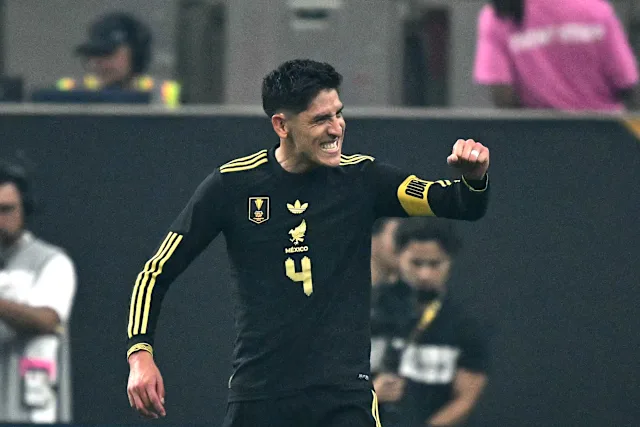
Historical encounters show Mexico holding a narrow edge, though recent meetings reflect increasing parity.
- Mexico 2–2 South Korea (2025 friendly)
- Mexico 2–1 South Korea (World Cup encounter)
- Mexico 3–2 South Korea (friendly match)
- Additional competitive fixtures show similar tight scorelines
While Mexico maintain a slight advantage, South Korea’s tactical evolution has reduced historical gaps significantly.
Recent Form Analysis
Mexico Recent Form
Mexico national football team enter the World Cup with encouraging form indicators:
- Multiple clean sheets in recent international fixtures
- Strong attacking output in qualification stages
- Notable 5–1 victory against Serbia
- Improved midfield balance and defensive compactness
- Reduced goal concessions in high-pressure matches
Overall trend: stable defensive improvement with controlled attacking efficiency.
South Korea Recent Form
South Korea national football team show mixed but competitive form:
- Heavy 0–5 defeat against Brazil highlighting defensive gaps
- Strong performances against lower-ranked opposition
- Consistent qualification success in AFC campaign
- High attacking output in transition-based matches
- Strong reliance on Son Heung-min in key games
Overall trend: strong attack in transition, inconsistent defensive stability against elite teams.
Match Flow Prediction: Mexico vs South Korea
The expected match pattern is highly structured in the first half with increasing tactical openness in the second half.
First Half Scenario
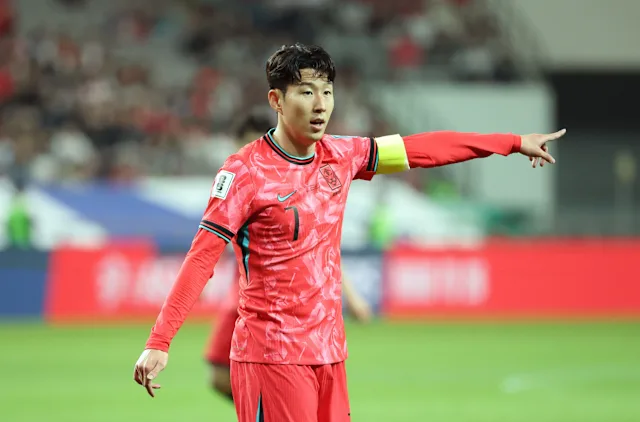
Mexico are expected to start aggressively, controlling possession and pushing South Korea into a low defensive block. Korea will likely prioritize compactness and counter-attacking restraint during early phases.
Second Half Scenario
As fatigue and space increase, South Korea’s transition game becomes more effective. Mexico may also push higher lines, increasing vulnerability to counter-attacks. This creates a balanced tactical environment where momentum shifts multiple times.
Predicted Scoreline: Mexico vs South Korea
Mexico 2–1 South Korea
Alternate Outcomes
- 1–1 draw if South Korea neutralize midfield control
- 2–2 draw if transition phases dominate both halves
- 1–2 South Korea win if counter-attacks exploit defensive gaps
Betting Insights: Mexico vs South Korea
High-Confidence Markets
- Mexico Draw No Bet
- Under 3.5 goals
- Mexico to score first
- First half draw (value option)
Medium Risk Markets
- Both Teams to Score
- Correct Score 2–1 Mexico
- Anytime goalscorer (Son Heung-min focus)
Risk Factors
- South Korea transition speed can overturn possession dominance
- Mexico defensive spacing errors under high press
- First goal significantly changes match structure
Final Tactical Verdict: Mexico vs South Korea
The Mexico vs South Korea fixture is defined by contrast in footballing philosophy rather than individual superiority. Mexico national football team hold advantages in home conditions, structure, and physical presence, while South Korea national football team remain one of the most dangerous transition-based teams in international football.
The match outcome will depend heavily on three core variables:
- Midfield control and tempo management
- Defensive discipline during transitions
- Efficiency in final-third execution
A narrow Mexico victory remains the most probable outcome, but the tactical profile of this fixture strongly supports a closely contested match where small errors decide the result.
Mexico vs South Korea: A Defining Group A Encounter
The Mexico vs South Korea clash at the FIFA World Cup 2026 is expected to play a decisive role in Group A qualification dynamics. Both teams arrive with contrasting tactical identities, but similar ambitions: progression into the knockout stage.
Mexico national football team will depend heavily on home advantage, tactical discipline, and structured attacking patterns. Their ability to control tempo in familiar conditions gives them a clear competitive edge on paper. South Korea national football team, meanwhile, bring one of Asia’s most efficient tactical systems. Their strength lies in compact defending, rapid transitions, and disciplined pressing triggers designed to exploit space behind advanced defensive lines.
This fixture is widely projected as one of the most balanced matchups in the group stage.
Mexico vs South Korea Odds Breakdown (World Cup 2026)
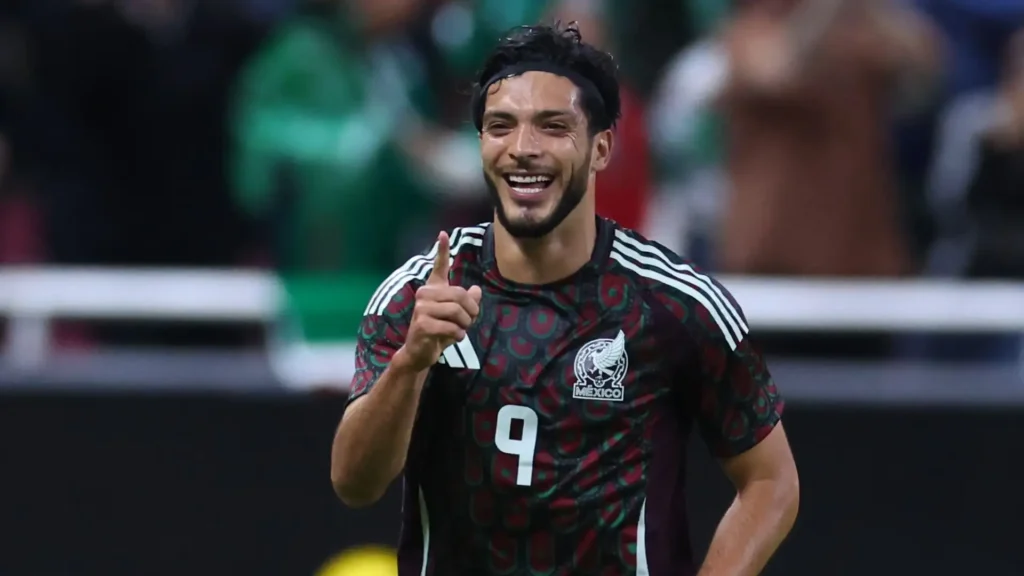
Early projections from predictive models and bookmaker analysis indicate a narrow advantage for Mexico, largely driven by environmental and structural factors.
- Mexico win probability: 52–55%
- Draw probability: 25–27%
- South Korea win probability: 20–23%
These numbers reflect more than just team strength—they include altitude conditions, crowd influence, and travel adaptation challenges.
Market Expectations
- Mexico or Draw remains the safest betting direction
- Under 2.5 goals aligns strongly with tactical profiles
- First-half draw is statistically common in similar matchups
- Both Teams to Score depends heavily on transition efficiency
The betting landscape suggests a low-to-moderate scoring pattern rather than a high-intensity open match.
Mexico National Football Team Tactical Breakdown
Mexico national football team approach the 2026 World Cup with a well-structured squad built around defensive organization, controlled possession, and situational pressing.
Tactical Structure and Formation Trends
Mexico typically operate in a flexible 4-3-3 or 4-2-3-1 shape depending on opponent pressure. Their buildup phases prioritize stability over speed, ensuring minimal exposure during ball progression. The midfield triangle plays a crucial role in controlling tempo. Edson Álvarez often anchors the system, allowing full-backs to push forward selectively without breaking defensive balance.
Attacking Philosophy
Mexico’s attacking model is based on:
- Wide overloads through overlapping full-backs
- Cross-heavy attacking sequences
- Midfield late runs into the box
- Controlled tempo in final-third buildup
They rarely rely on direct long-ball systems unless under high pressure.
Defensive Organization
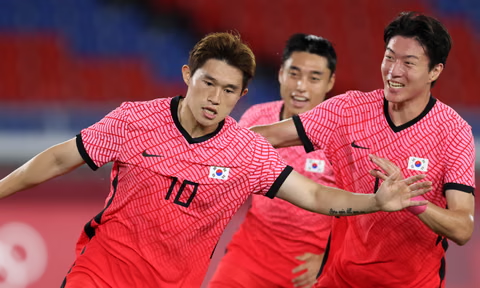
Defensively, Mexico maintain a compact mid-block, reducing central penetration lanes. Their structure is designed to force opponents wide, where crosses are easier to defend. However, this system can become vulnerable if midfield spacing collapses under fast transitions.
Key Players and Impact Roles
- Raúl Jiménez: Physical striker, aerial dominance, finishing inside box
- Santiago Giménez: Intelligent movement, pressing forward, box positioning
- Edson Álvarez: Defensive control, transition stopper, midfield balance
- Johan Vásquez: Aerial defender, set-piece threat, defensive leadership
- Gilberto Mora: Creative connector between midfield and attack
Tactical Strengths
- Strong home-ground familiarity and altitude adaptation
- Structured defensive positioning
- Set-piece efficiency in attacking zones
- Physical strength in duels and aerial battles
Tactical Weaknesses
- Transition vulnerability against fast counter-attacks
- Over-reliance on wide crossing patterns
- Occasional difficulty breaking deep compact blocks
South Korea National Football Team Tactical Breakdown
South Korea national football team enter the tournament as one of the most tactically disciplined and physically efficient teams in Asia, with a playing style that has evolved significantly over recent cycles.
Tactical Identity and Structure
South Korea operate with a compact defensive block that shifts dynamically between 4-4-2 and 4-2-3-1 formations depending on phase of play.
Their primary objective is to remain compact without the ball, then transition into fast vertical attacks immediately after recovery.
Transition-Based Football Model
South Korea’s most dangerous phase is transition. Once possession is regained:
- The ball is moved vertically within seconds
- Wide players stretch defensive lines
- Midfielders support forward runs immediately
- Striker positions shift rapidly into space exploitation
This makes them extremely dangerous against teams that push full-backs high.
Defensive System
Their defensive organization is built on:
- Tight central compactness
- Coordinated pressing triggers in midfield zones
- Aggressive recovery runs after losing possession
- Strong aerial presence through Kim Min-jae
Key Players and Tactical Importance
- Son Heung-min: Primary attacking outlet, leader, elite finisher in transition
- Kim Min-jae: Defensive anchor, world-class reading of the game
- Lee Kang-in: Creative passer, unlocks compact defenses
- Hwang Hee-chan: Direct speed threat, transition finisher
- Oh Hyeon-gyu: Physical striker option for tactical variation
Strengths

- Elite counter-attacking execution
- Strong defensive compactness
- High technical quality in midfield
- Efficient transition speed from defense to attack
Weaknesses
- Struggles under sustained physical pressure
- Vulnerability against set-piece-heavy teams
- Limited buildup creativity under high pressing systems
Tactical Breakdown: Key Battles in Mexico vs South Korea
Jiménez vs Kim Min-jae: Physical vs Defensive Masterclass
This duel is central to Mexico’s attacking success. Jiménez relies on physical presence and aerial dominance, while Kim Min-jae excels in anticipation, positioning, and timing. If Kim neutralizes aerial delivery, Mexico’s main attacking weapon becomes significantly less effective.
Son Heung-min vs Mexico Defensive Line
Son Heung-min represents South Korea’s most dangerous attacking threat. His ability to exploit space behind defensive lines makes him decisive in transition-heavy matches. If Mexico’s defensive line pushes too high without coordinated midfield pressure, Son can become match-defining.
Edson Álvarez vs Lee Kang-in: Control of Midfield Tempo
This duel determines overall match rhythm. Álvarez focuses on disruption, interception, and defensive balance, while Lee Kang-in controls creative distribution and attacking progression. The winner of this battle dictates whether the match becomes structured or chaotic.
Wide Area Battle: Full-Backs vs Wingers
Mexico’s attacking width through full-backs will directly test South Korea’s defensive discipline on the flanks. Conversely, Korea’s wide attackers will target space behind advanced Mexican full-backs. This dual-channel battle is likely to decide key attacking transitions.
Head-to-Head Record: Mexico vs South Korea
Historical encounters show Mexico holding a narrow edge, though recent meetings reflect increasing parity.
- Mexico 2–2 South Korea (2025 friendly)
- Mexico 2–1 South Korea (World Cup encounter)
- Mexico 3–2 South Korea (friendly match)
- Additional competitive fixtures show similar tight scorelines
While Mexico maintain a slight advantage, South Korea’s tactical evolution has reduced historical gaps significantly.
Recent Form Analysis
Mexico Recent Form
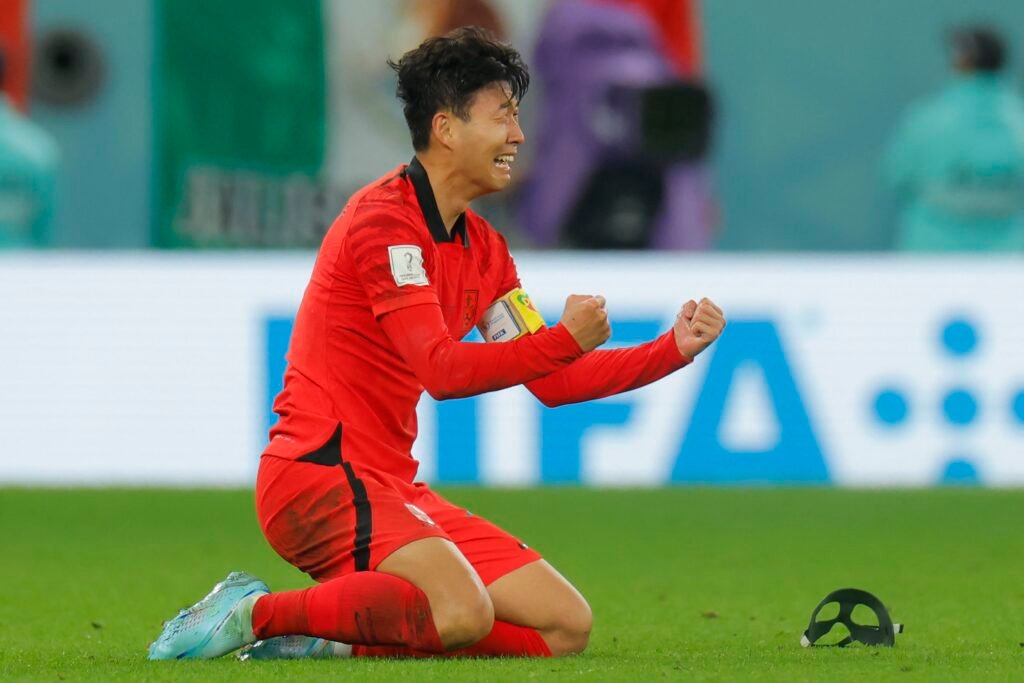
Mexico national football team enter the World Cup with encouraging form indicators:
- Multiple clean sheets in recent international fixtures
- Strong attacking output in qualification stages
- Notable 5–1 victory against Serbia
- Improved midfield balance and defensive compactness
- Reduced goal concessions in high-pressure matches
Overall trend: stable defensive improvement with controlled attacking efficiency.
South Korea Recent Form
South Korea national football team show mixed but competitive form:
- Heavy 0–5 defeat against Brazil highlighting defensive gaps
- Strong performances against lower-ranked opposition
- Consistent qualification success in AFC campaign
- High attacking output in transition-based matches
- Strong reliance on Son Heung-min in key games
Overall trend: strong attack in transition, inconsistent defensive stability against elite teams.
Match Flow Prediction: Mexico vs South Korea
The expected match pattern is highly structured in the first half with increasing tactical openness in the second half.
First Half Scenario
Mexico are expected to start aggressively, controlling possession and pushing South Korea into a low defensive block. Korea will likely prioritize compactness and counter-attacking restraint during early phases.
Second Half Scenario
As fatigue and space increase, South Korea’s transition game becomes more effective. Mexico may also push higher lines, increasing vulnerability to counter-attacks. This creates a balanced tactical environment where momentum shifts multiple times.
Predicted Scoreline: Mexico vs South Korea
Mexico 2–1 South Korea
Alternate Outcomes
- 1–1 draw if South Korea neutralize midfield control
- 2–2 draw if transition phases dominate both halves
- 1–2 South Korea win if counter-attacks exploit defensive gaps
Betting Insights: Mexico vs South Korea
High-Confidence Markets
- Mexico Draw No Bet
- Under 3.5 goals
- Mexico to score first
- First half draw (value option)
Medium Risk Markets
- Both Teams to Score
- Correct Score 2–1 Mexico
- Anytime goalscorer (Son Heung-min focus)
Risk Factors
- South Korea transition speed can overturn possession dominance
- Mexico defensive spacing errors under high press
- First goal significantly changes match structure
Final Tactical Verdict: Mexico vs South Korea
The Mexico vs South Korea fixture is defined by contrast in footballing philosophy rather than individual superiority. Mexico national football team hold advantages in home conditions, structure, and physical presence, while South Korea national football team remain one of the most dangerous transition-based teams in international football.
The match outcome will depend heavily on three core variables:
- Midfield control and tempo management
- Defensive discipline during transitions
- Efficiency in final-third execution
A narrow Mexico victory remains the most probable outcome, but the tactical profile of this fixture strongly supports a closely contested match where small errors decide the result.