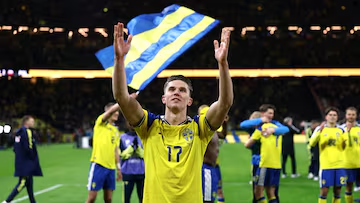
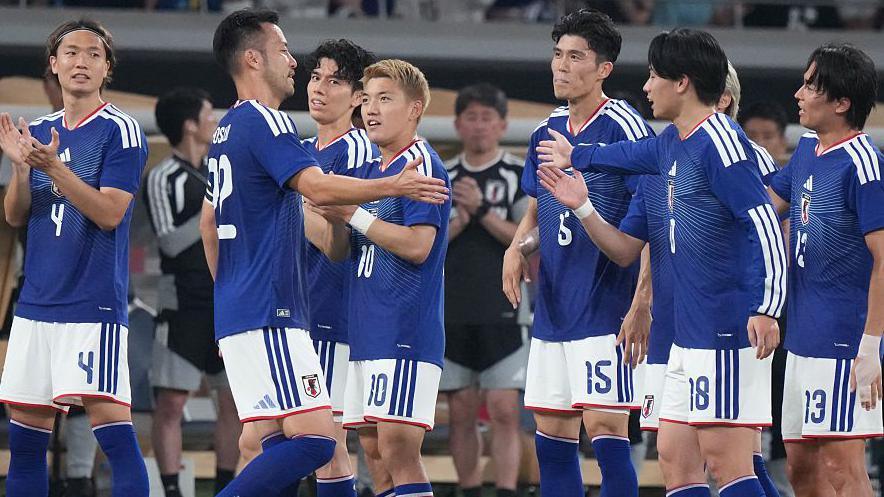
Japan vs Sweden at the FIFA World Cup 2026 is a decisive Group F encounter played at AT&T Stadium in Dallas, where both teams enter with realistic expectations of competing for qualification behind group favourites Netherlands, making this one of the most important fixtures in the group stage because the result here can directly shape knockout-stage progression scenarios and goal difference pressure across remaining matches. Japan vs Sweden is one of the matches that can decide the group leader.
Japan arrive with a highly structured tactical identity built on pressing coordination, midfield control, and fast transitions, while Sweden bring a more direct attacking approach based on physical strength, vertical passing, and elite finishing ability from key forwards, which creates a match defined by contrast rather than similarity.
Betting Odds & Market Analysis
Match Result Odds
- Japan Win: 1/1 (2.00)
- Draw: 12/5 (3.40)
- Sweden Win: 5/2 (3.50)
Market Interpretation
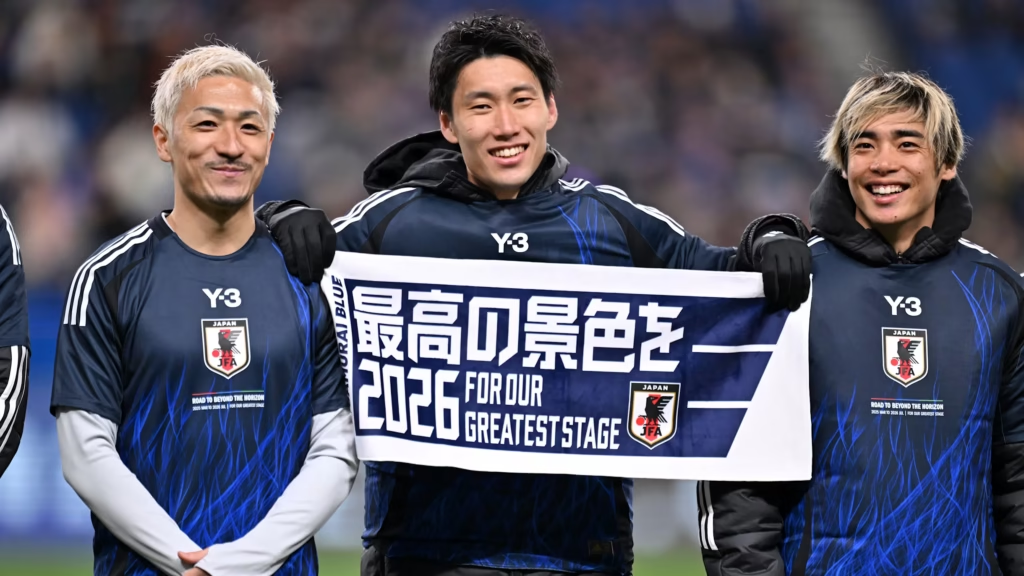
Japan are narrow favorites, but not dominant favorites, which indicates that bookmakers expect a competitive match where Japan have slightly higher probability of controlling structure and possession phases, while Sweden remain very live underdogs due to heir attacking power and ability to convert limited chances into goals. The draw price is also relatively short, which confirms that the market expects a tight contest rather than a one-sided game.
Goals Market Odds View
- Over 2.5 Goals: ~1.85–2.00 (balanced lean to goals)
- Under 2.5 Goals: ~1.85–2.05
- Both Teams to Score (BTTS Yes): ~1.70–1.90
- Both Teams to Score (BTTS No): ~1.95–2.10
Market Interpretation
The goals market shows uncertainty, but slight lean toward scoring from both sides, mainly because Sweden’s attacking duo and Japan’s high defensive line both create transition-based chances rather than low-event control football.
Correct Score Market
- Japan 2–1: most likely priced among top outcomes
- 1–1 Draw: strong probability bracket
- Japan 1–0: lower tempo scenario outcome
- 2–2: high-tempo upset scenario
Market Interpretation

Correct score pricing suggests bookmakers expect a narrow Japan win or a competitive draw rather than a dominant performance from either side. Japan vs Sweden will attract many viewers.
First Goalscorer Market (Key Players)
- Viktor Gyökeres (Sweden): high probability due to box presence
- Alexander Isak (Sweden): strong value due to movement between lines
- Kaoru Mitoma (Japan): high-impact creator and occasional scorer
- Ayase Ueda (Japan): penalty-box finisher option
Advanced Betting Angle Summary
- Japan slightly safer but low-value favorite
- Sweden higher risk but strong goal upside
- BTTS market strongly correlated with game style clash
- Over 2.5 goals dependent on early scoring pattern
Japan Tactical Analysis: Structured Control With High Pressing Triggers
Japan operate one of the most disciplined tactical systems in international football, built around positional rotations, coordinated pressing triggers, and high-tempo transitions that allow them to dominate matches through structure rather than individual brilliance alone.
Their buildup shape often shifts between a 4-3-3 and a 2-3-2-3 structure depending on opposition pressure, where centre-backs split wide to create passing angles, midfielders control central circulation, and full-backs push aggressively to stretch defensive lines, allowing Japan to maintain territorial control while still preparing attacking overloads in advanced zones.
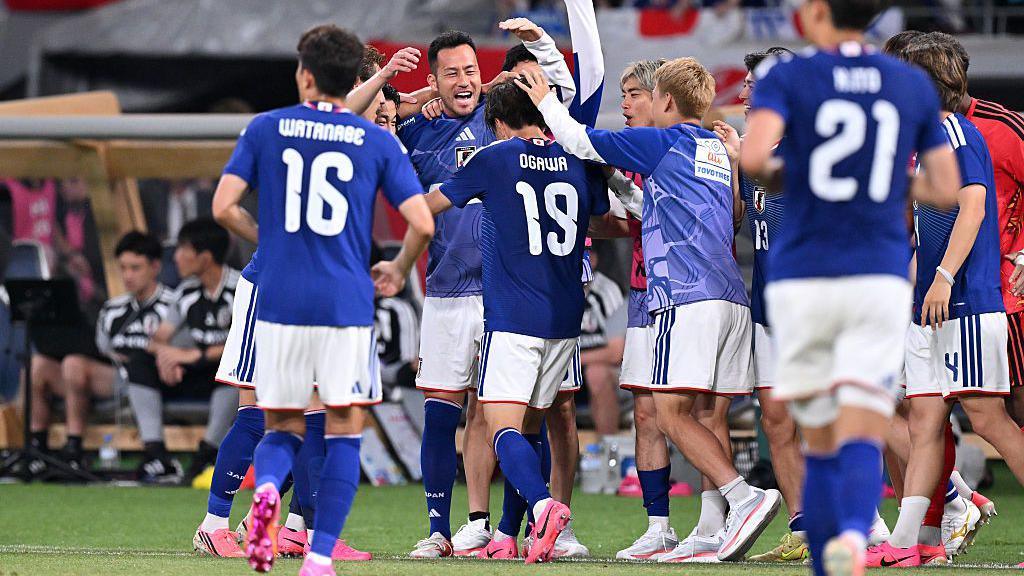
Japan’s pressing system is highly organized rather than chaotic, meaning they do not press continuously but instead activate pressing phases when specific triggers occur such as backward passes, isolated wide defenders, or poor first touches in midfield, and when these triggers activate, Japan compress space rapidly and force turnovers in dangerous areas. However, their aggressive structure creates defensive risk, especially behind advanced full-backs, which becomes highly relevant against Sweden’s direct counterattacking system.
Sweden Tactical Analysis: Direct Football Built on Efficiency and Physical Power
Sweden play a direct, vertical style of football that prioritizes efficiency over possession dominance, meaning they are comfortable defending deep and allowing opposition control as long as they can prevent central penetration and create transition opportunities through quick forward movement. Japan vs Sweden will be one of the best matches to watch.
Defensively, Sweden operate in a compact mid-to-low block where midfield lines remain narrow, central spaces are tightly protected, and opponents are forced wide, which reduces high-quality chances from structured buildup play.
Once possession is regained, Sweden immediately transition into attack through direct passes into forward zones where Viktor Gyökeres acts as a physical focal point capable of holding up play and winning aerial duels, while Alexander Isak provides technical movement between defensive lines and creates high-quality finishing opportunities in tight spaces. This dual-forward system makes Sweden extremely dangerous in low-possession games because they do not need control to generate scoring chances.
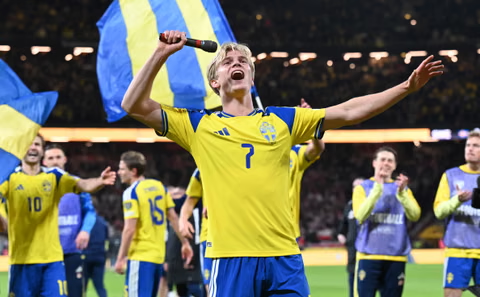
Tactical Match Breakdown: Key Battles That Decide the Game
Midfield Control vs Transition Escape
Japan will attempt to dominate midfield through structured passing and positional superiority, while Sweden will try to bypass midfield entirely using long passes and vertical transitions into attacking zones, making this the central tactical conflict of the match. If Japan control midfield, Sweden will be forced into defensive phases for long periods, but if Sweden consistently bypass pressing lines, Japan’s defensive structure will be repeatedly exposed in transition.
Striker Duel: Gyökeres vs Japan Back Line
Viktor Gyökeres provides Sweden with a constant physical threat inside the penalty area, especially in aerial duels and second-ball situations, meaning Japan’s defensive line must remain highly coordinated to avoid direct exposure.
Isak’s Movement Impact
Alexander Isak becomes dangerous when Sweden successfully bypass midfield pressure, as his movement between defensive lines allows him to exploit space behind Japan’s pressing structure and create high-quality chances from minimal possession.
Match Flow Prediction

Japan control possession and tempo while Sweden remain compact and wait for transition chances. Game opens up due to fatigue and increased space between lines, increasing chance creation for both sides. Match becomes transitional and set-piece driven, with late goals highly likely due to defensive fatigue.
Statistical Projection
- Possession: Japan 55–62%
- Sweden 38–45%
- Shots: Japan higher volume
- Sweden: fewer shots but higher direct danger
- Set pieces: high importance factor
- Fouls: above average due to transition interruptions
Betting Summary
Safer Picks
- Japan Draw No Bet
- Japan or Draw (Double Chance)
Goals Markets
- Both Teams to Score (YES)
- Over 2.5 Goals
Player Markets
- Mitoma goal involvement
- Gyökeres anytime scorer
- Isak shots on target
Final Prediction: Tactical Balance With Narrow Margin
Japan enter with better structure, stronger midfield control, and more consistent defensive organization, while Sweden remain extremely dangerous due to elite attacking talent capable of deciding the match in transition moments or set-piece situations. The most realistic outcome is a competitive match where Japan control possession and Sweden remain dangerous on the break, with the result decided by finishing efficiency and key moments in the final third.
Final Score Prediction: Japan 2–1 Sweden
Secondary Outcomes:
- 1–1 draw if Sweden finish early chances
- Late Japan win if pressure breaks defensive block