The World Cup Second Place position in the 2026 FIFA World Cup has become one of the most strategically important outcomes in modern international football. With an expanded tournament format and more teams advancing to the knockout stages, finishing second in the group is no longer a consolation result. It is often a direct pathway to the round of 32 and beyond, where momentum and matchups can completely reshape a team’s tournament.
Unlike previous editions, where group winners dominated expectations, the 2026 structure creates tighter competition across almost every group. Many elite teams are now evenly distributed, meaning that several groups feature two strong sides competing directly for first and second place. As a result, the battle for World Cup Second Place is just as important as winning the group in many cases.
Why World Cup Second Place Matters More in 2026
The importance of World Cup Second Place in 2026 is driven by three major factors. First, the expanded format increases qualification spots, allowing more third-placed teams to advance, but second place still guarantees automatic progression in most scenarios. Second, group balance is more competitive than ever, with top European and South American teams spread across pots. Third, tactical football has evolved, making draws and goal difference crucial in determining standings.
In many groups, finishing second may also provide a more favorable knockout path compared to winning a group that includes multiple top-ranked nations. This creates a situation where teams may prioritize safe qualification over aggressive group domination.
Group A: Mexico and South Korea in Tight Competition
Group A presents a fascinating battle for World Cup Second Place between Mexico and South Korea. Mexico enters the tournament with strong home advantage and passionate crowd support, which traditionally improves their group-stage performances. However, consistency remains a concern, especially against disciplined opponents.
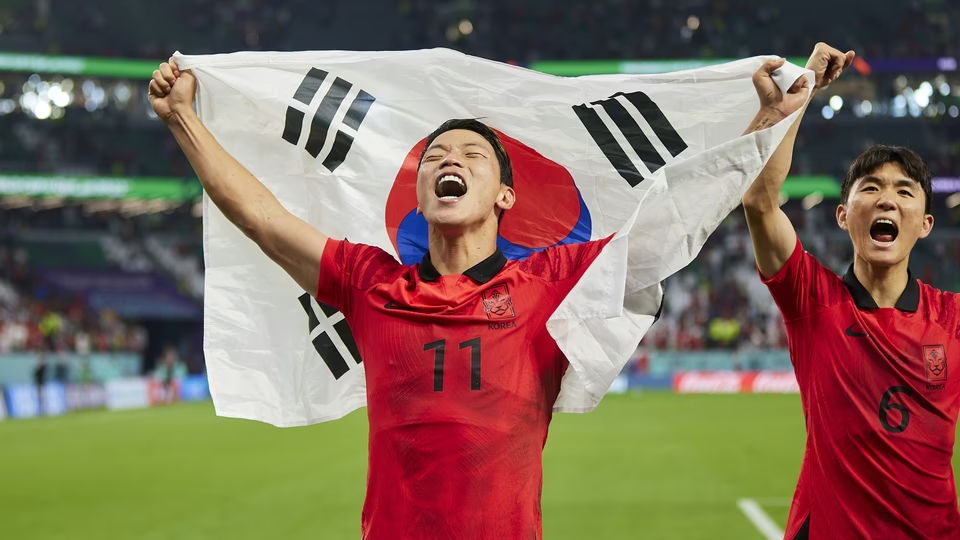
South Korea, on the other hand, brings tactical organization, speed in transition, and strong European-based players. Their ability to stay compact defensively while exploiting counterattacks makes them a strong contender for second place. In a group where margins will be tight, South Korea’s experience in recent World Cups gives them a slight advantage in securing qualification.
Group B: Canada’s Opportunity to Make History
In Group B, Canada is positioned for a historic opportunity in the race for World Cup Second Place. Switzerland remains a strong and experienced side with a consistent record of reaching knockout stages, but Canada’s home advantage and rising attacking talent make them serious challengers.
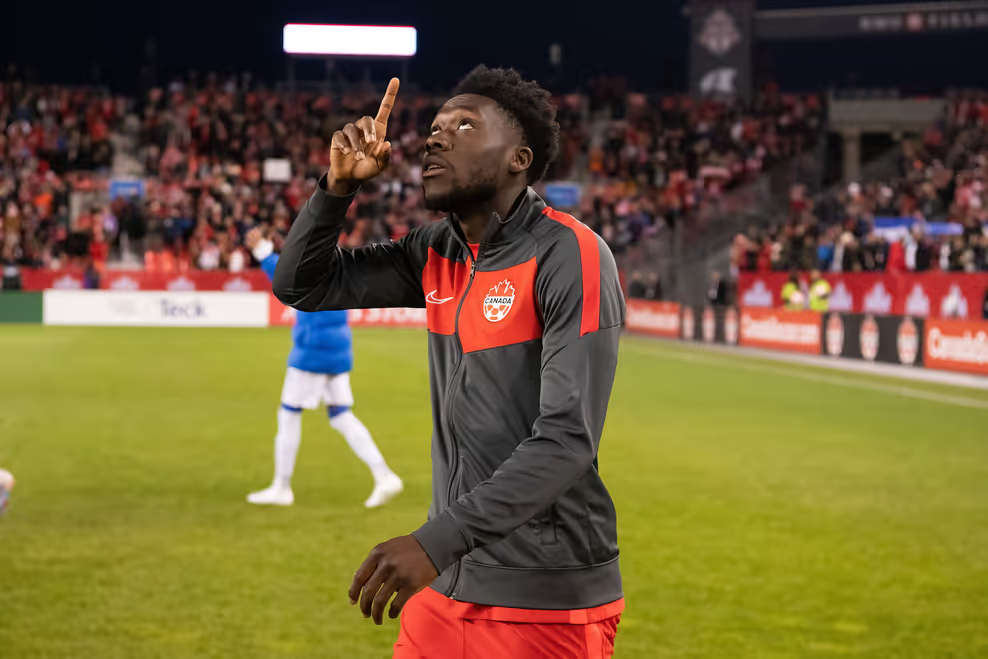
The key factor for Canada will be converting home support into consistent results. If their attacking unit performs efficiently in crucial matches, Canada has a realistic chance of finishing second and advancing to the knockout rounds for the first time in a modern World Cup format.
Group C: Brazil Dominance Leaves Morocco Fighting for Second
Group C is heavily shaped by Brazil’s quality and depth, making them strong favorites to win the group. This leaves Morocco as the leading candidate for World Cup Second Place. Morocco’s defensive discipline, tactical awareness, and recent history of deep tournament runs make them one of the most reliable teams in African football.
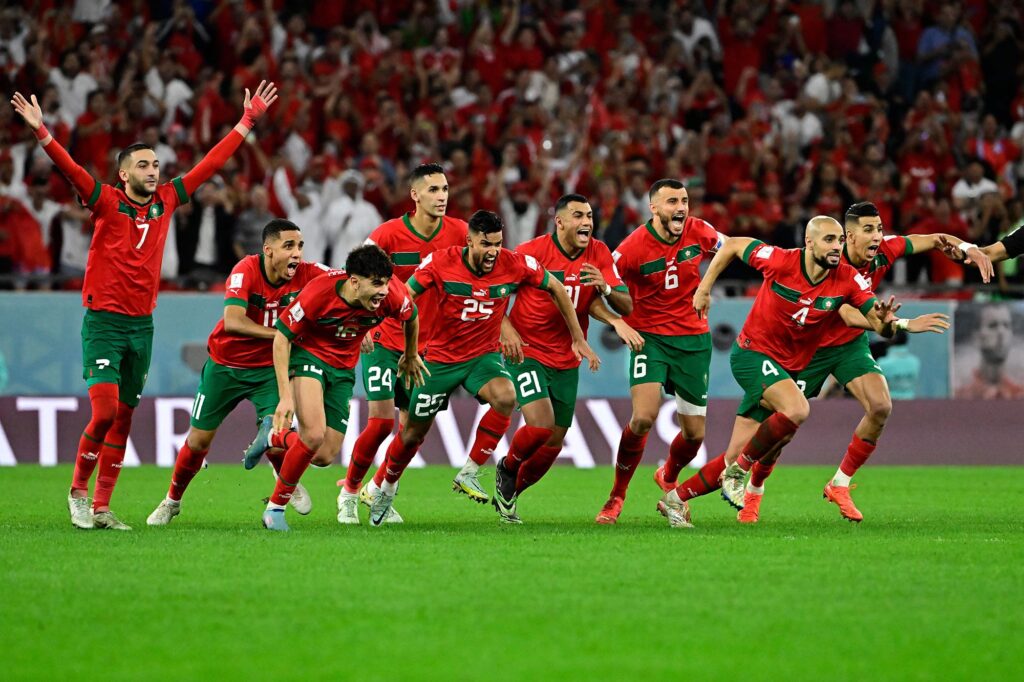
Even though Scotland and Haiti add unpredictability, Morocco’s structure and experience in high-pressure matches give them the edge in securing second place behind Brazil.
Group D: United States Expected to Lead, Türkiye Close Behind
Group D is one of the most closely watched groups due to the United States’ home advantage. The USMNT has improved significantly in recent years, with a balanced squad that includes pace in attack and growing defensive stability.
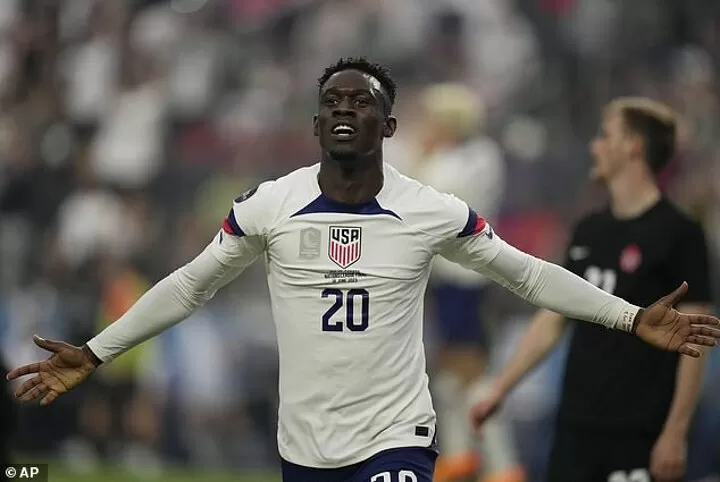
Türkiye, however, is a strong candidate for World Cup Second Place due to their creative midfield players and technical attackers. Their ability to control possession in key matches could prove decisive in securing qualification behind the United States.
Group E: Germany Fighting to Rebuild Momentum
Group E features Germany, a team undergoing a transitional phase but still highly experienced at tournament level. Ecuador’s defensive strength makes them a genuine contender for top spot, which leaves Germany fighting for World Cup Second Place.
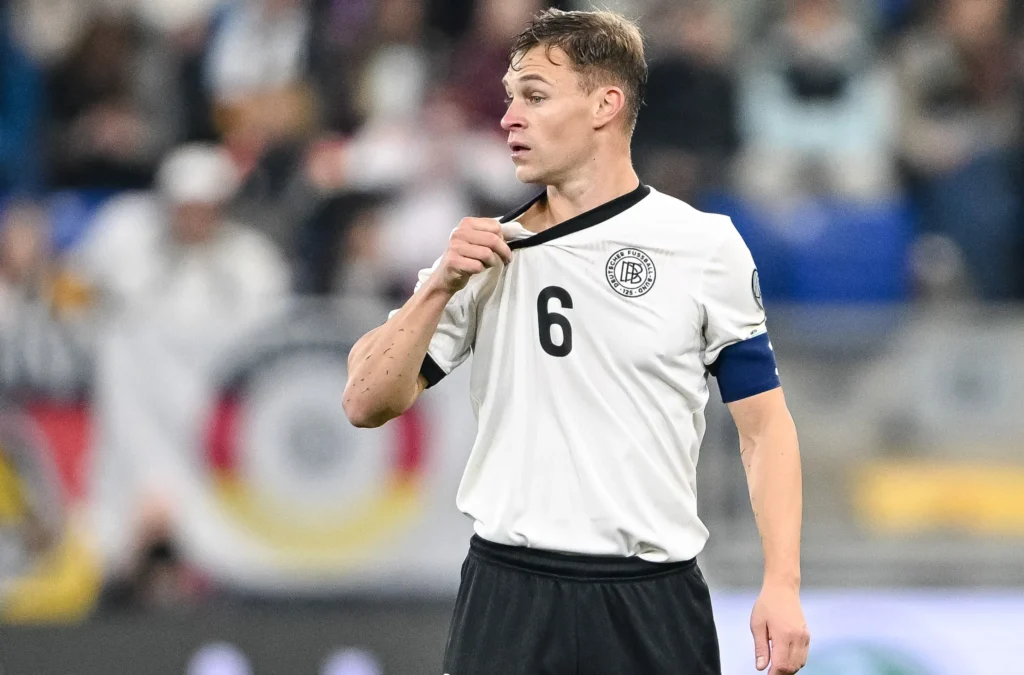
Germany’s advantage lies in their tactical discipline and tournament mentality. Even during rebuilding phases, Germany historically finds ways to progress from group stages, making them one of the strongest candidates for second place qualification.
Group F: Japan’s Tactical Growth Gives Them the Edge
Group F is expected to be led by the Netherlands, leaving Japan as the strongest candidate for World Cup Second Place. Japan has developed into one of the most tactically advanced teams in international football, combining pressing intensity with technical precision.
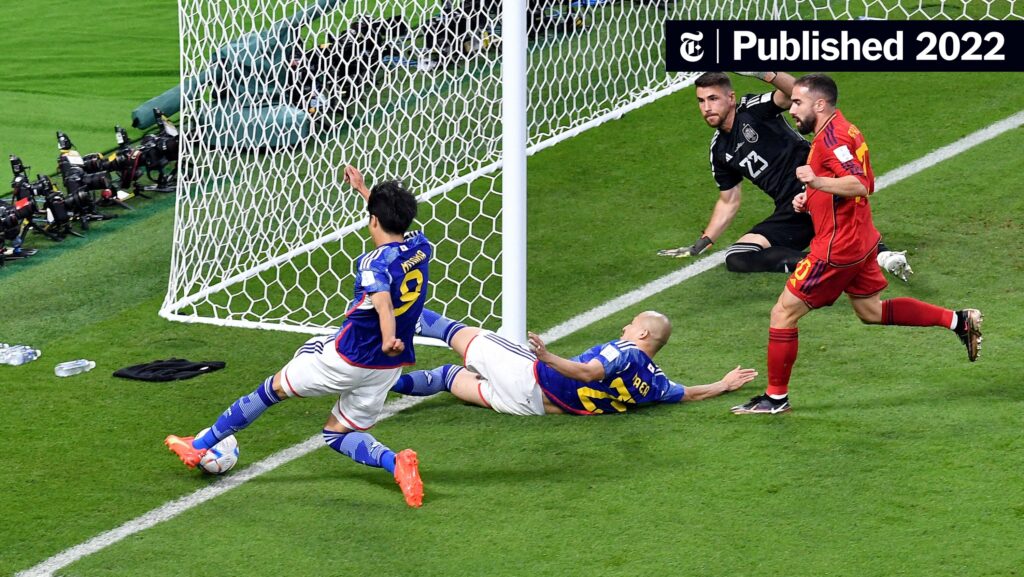
Their performances in recent World Cups, including victories over top-tier opponents, highlight their ability to compete at the highest level. Sweden and Tunisia remain outside contenders, but Japan’s consistency makes them the clear favorite for second place.
Group G: Belgium and Egypt Battle for Qualification
Group G presents one of the most unpredictable races for World Cup Second Place. Belgium still possesses world-class talent, but questions remain about consistency and squad transition. Egypt, led by Mohamed Salah, relies heavily on individual brilliance but has improved structurally in recent competitions.
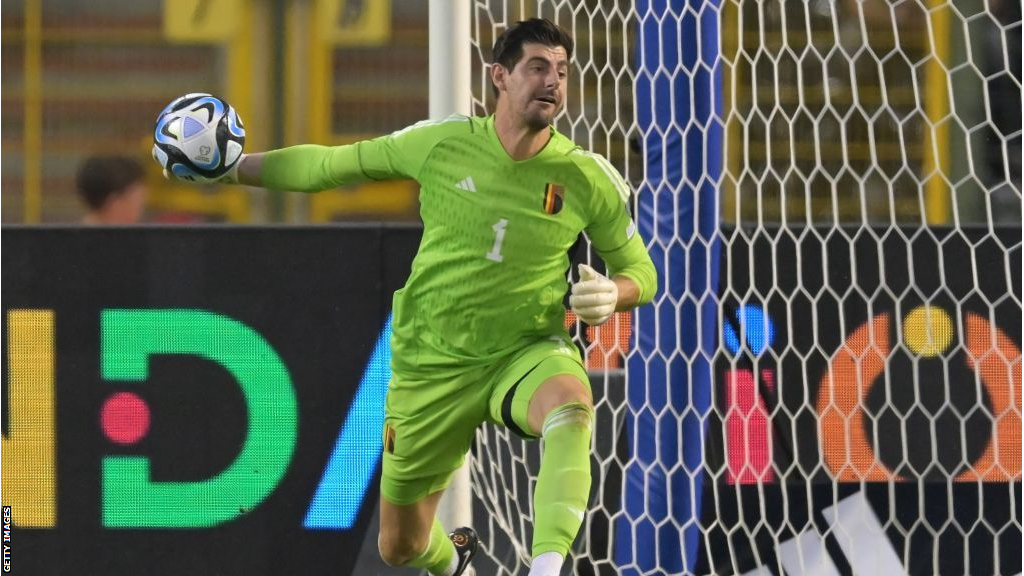
Iran could also play a spoiler role with their disciplined defensive approach. However, Belgium’s depth and international experience make them the most likely team to secure second place in a tightly contested group.
Group H: Uruguay’s Experience Secures Second Place
Spain is expected to dominate Group H, leaving Uruguay as the leading candidate for World Cup Second Place. Uruguay’s identity is built on physical intensity, defensive structure, and strong tournament mentality.
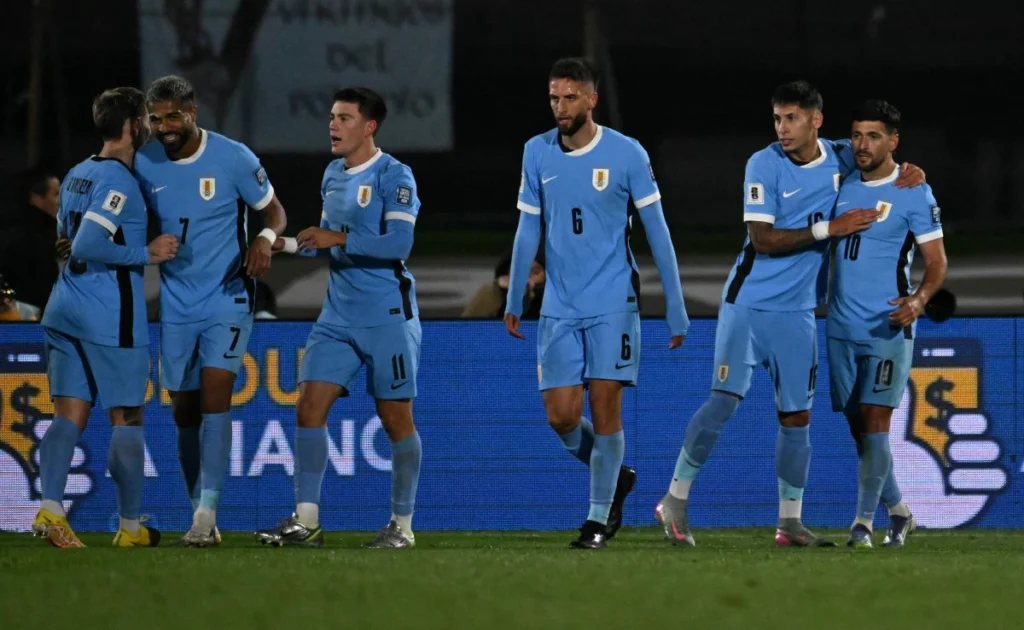
Even against strong opposition, Uruguay’s ability to compete in high-pressure matches makes them a reliable qualifier. Their experience in knockout football gives them a clear advantage over Cape Verde and Saudi Arabia.
Group I: Senegal’s Balance and Strength
Group I is headlined by France, one of the tournament favorites. Behind them, Senegal emerges as the strongest contender for World Cup Second Place. Senegal’s combination of physical strength, defensive discipline, and attacking efficiency makes them one of the most complete African teams.
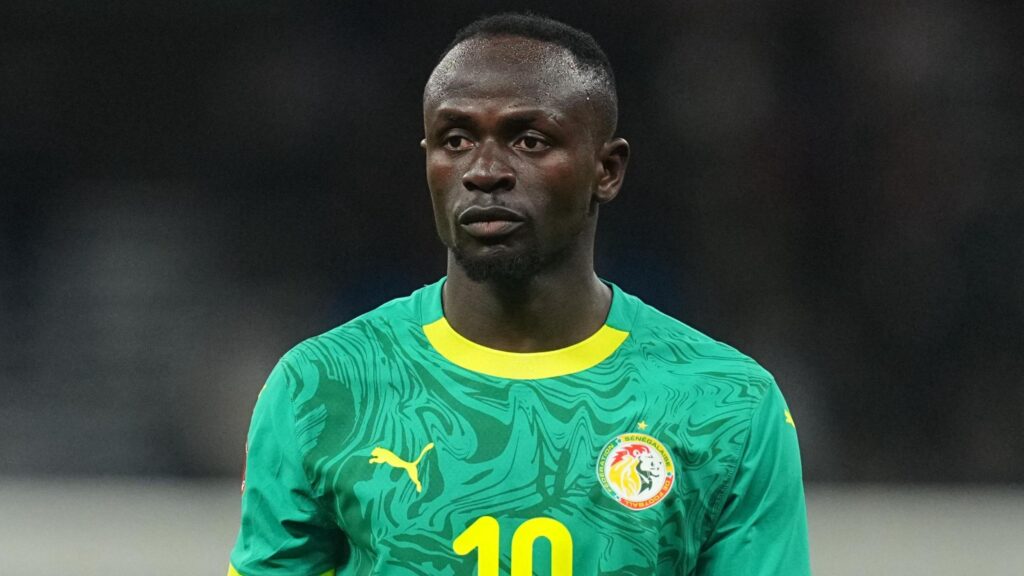
Their recent World Cup experience and squad maturity give them the edge over Norway and other challengers. Senegal’s ability to perform in big matches makes them a strong knockout-stage candidate.
Group J: Austria’s High-Press System
Argentina is expected to lead Group J, leaving Austria as the main contender for World Cup Second Place. Austria’s tactical identity is based on high pressing, structured midfield play, and collective organization.
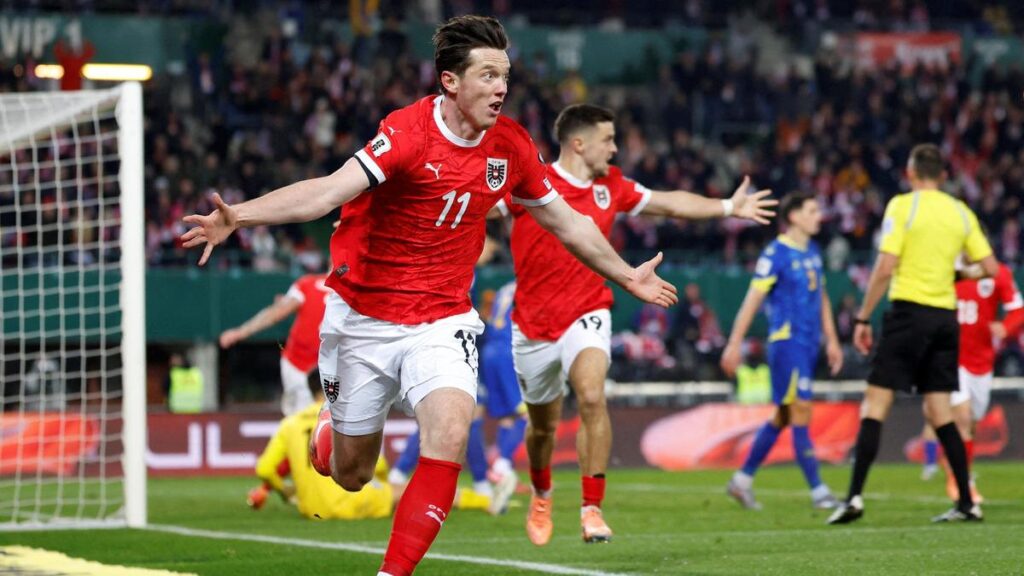
Algeria brings creativity and attacking flair, but Austria’s system-based approach gives them more consistency across multiple matches. This tactical stability makes them the likely second-place finisher.
Group K: Portugal’s Experience Matters
Group K is highly competitive, with Colombia expected to perform strongly. However, Portugal remains one of the strongest teams in the group and a top candidate for World Cup Second Place.
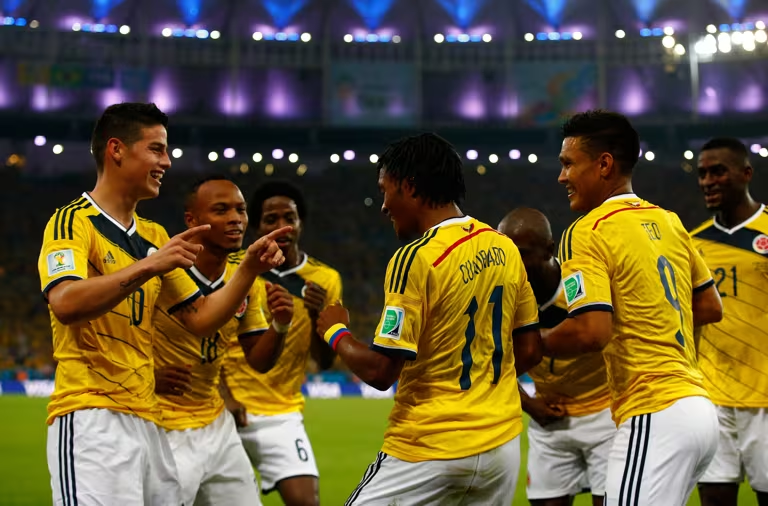
Portugal’s midfield creativity, tactical flexibility, and international experience give them a clear advantage in securing qualification. Even if they do not win the group, their squad depth makes them extremely difficult to eliminate early.
Group L: England and Croatia in a Tight Contest
Group L features one of the most balanced battles for World Cup Second Place. England enters as group favorite due to squad depth and attacking options, but Croatia remains a dangerous opponent with elite midfield control and tournament experience.
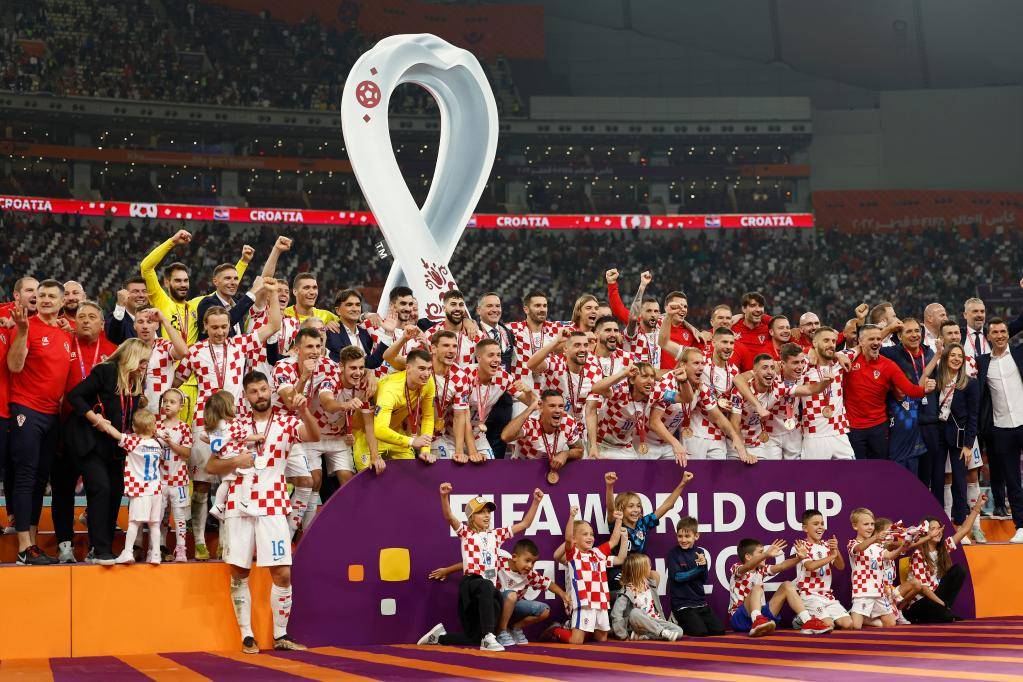
Croatia’s ability to manage high-pressure matches and control tempo makes them a strong candidate for second place. England’s consistency will determine whether they top the group or finish second, but both teams are expected to advance.
Final Outlook: The Importance of World Cup Second Place in 2026
The World Cup Second Place position in 2026 represents far more than just group-stage survival. It reflects tactical balance, squad depth, and the ability to perform consistently across multiple high-pressure matches.
Teams such as Germany, Portugal, Belgium, Uruguay, Japan, Senegal, and Croatia highlight how competitive second place has become. These nations are not simply qualifying; they are positioning themselves for deep runs in the tournament.
As the 2026 FIFA World Cup approaches, the race for World Cup Second Place will be one of the defining storylines of the group stage. In many cases, it may prove just as important as finishing first, shaping the entire knockout bracket and ultimately influencing which teams move closer to football’s greatest prize.