The FIFA World Cup has always been remembered through iconic attacks. Fans rarely talk first about defensive formations or midfield battles decades later. Instead, football history remembers the explosive Brazilian attacks of previous generations, Argentina’s magical combinations, France’s ruthless transitions, and individual brilliance that changed tournaments forever.
Heading toward the 2026 FIFA World Cup, discussions around FIFA World Cup attacks have become more intense than ever. The expanded 48-team tournament means more matches, greater tactical variety, and increased pressure on teams to produce goals consistently. Defensive stability remains important, but modern football increasingly rewards nations capable of overwhelming opponents through relentless attacking pressure.
Unlike older tournaments dominated by a single superstar, World Cup 2026 appears to favor complete attacking systems. The strongest teams no longer rely on one striker scoring 10 goals. Instead, they deploy fluid frontlines where wingers, midfielders, and even full-backs contribute heavily.
Some nations arrive with terrifying attacking depth. Others depend on elite individuals. Several combine both.
Here are the most dangerous FIFA World Cup attacks expected to shape the tournament.
France: The Deadliest FIFA World Cup Attack Entering 2026
If one country deserves the title of possessing football’s most dangerous frontline, it is France.
France operates as an attacking machine built around devastating transitions. They often absorb pressure before exploding forward with extraordinary pace. Their rotating front three creates confusion because defenders rarely know who to mark.
The biggest reason remains Kylian Mbappé. Mbappé combines acceleration, movement, finishing ability, and positional intelligence at an unmatched level. Whether playing centrally or drifting wide, he remains football’s most feared transition attacker.
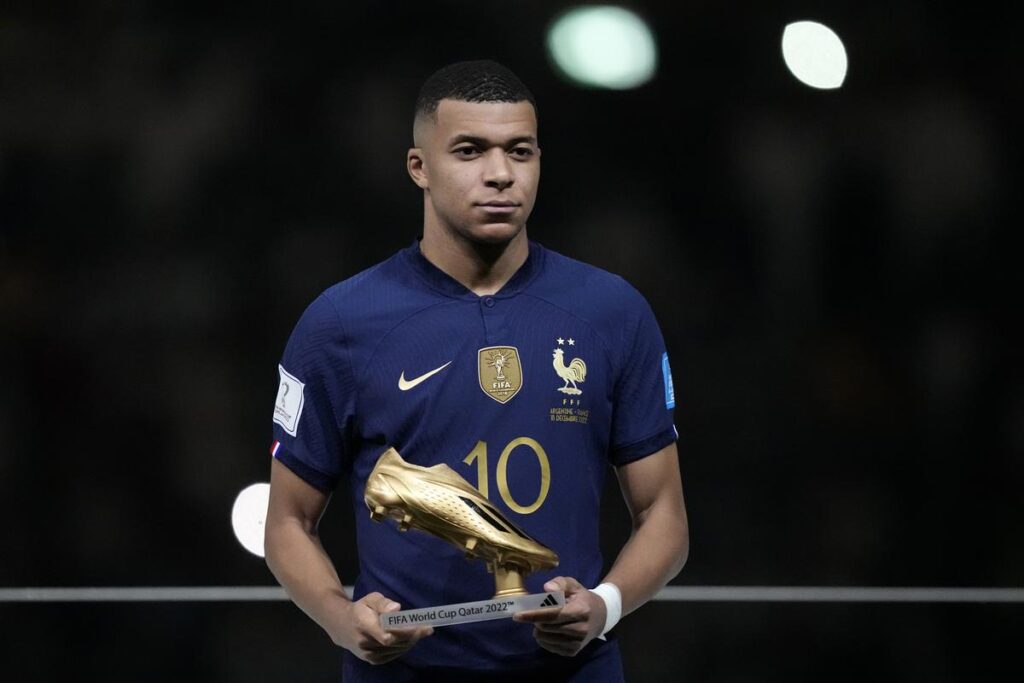
France’s attacking depth goes beyond one superstar. Bradley Barcola adds direct dribbling and fearless wing play, while Ousmane Dembélé brings unpredictability because he can attack effectively with either foot. Meanwhile, Michael Olise introduces elite creativity and set-piece quality from deeper positions.
What separates France from rivals is flexibility. They can dominate through possession or destroy opponents through counterattacks. Few national teams possess that tactical range.
Brazil: Samba Football Still Produces Elite FIFA World Cup Attacks
Brazil continues representing football chaos in its most entertaining form. Unlike heavily structured European systems, Brazil thrives through creativity and freedom. Their attack often transforms into an aggressive shape designed to isolate defenders in one-versus-one situations.
Vinícius Júnior remains Brazil’s biggest attacking weapon. His pace, improved finishing, and relentless dribbling make him one of the most dangerous wide players in football.
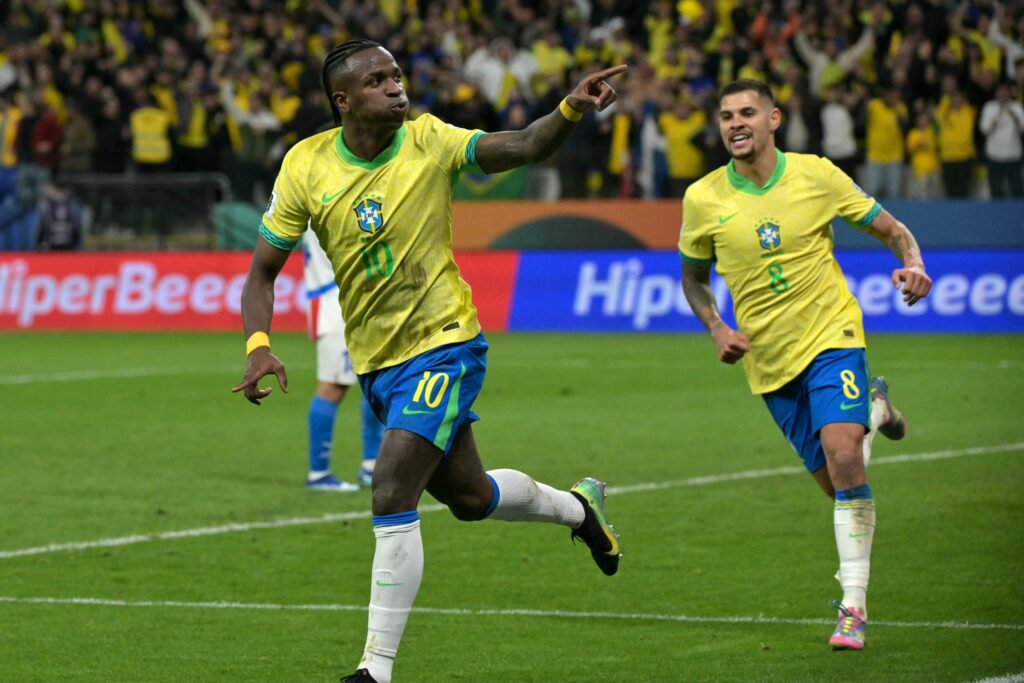
Alongside him, Rodrygo offers tactical intelligence and positional versatility. Meanwhile, Raphinha combines pressing intensity with long-range shooting ability. Brazil’s attack becomes terrifying because unpredictability itself becomes a weapon.
Opponents can prepare tactically and still lose because individual brilliance changes everything within seconds. If chemistry develops quickly, Brazil may produce the highest scoring FIFA World Cup attack of 2026.
England: World-Class Creativity Searching for Ruthlessness
England arguably possesses football’s deepest attacking roster.
Their biggest strength is creative abundance.
Harry Kane remains among football’s most complete forwards. He scores, creates, and drops deep to control attacking sequences.
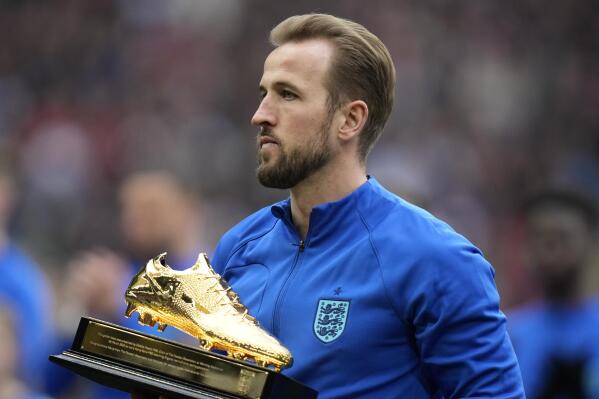
Behind him, England deploy extraordinary creators:
- Bukayo Saka
- Cole Palmer
- Phil Foden
- Jude Bellingham
England typically dominates possession and territory. Their challenge has always been converting control into decisive knockout-stage moments. If England becomes more efficient inside the penalty area, they may finally transform talent into trophies.
Spain: Youth Has Created One of Football’s Fastest Attacks
Spain’s football identity has evolved dramatically. Older Spanish teams prioritized endless possession. Modern Spain attacks with speed, aggression, and fearless young players.
The emergence of Lamine Yamal changes everything. Even before reaching full maturity, he already influences matches through vision and creativity.
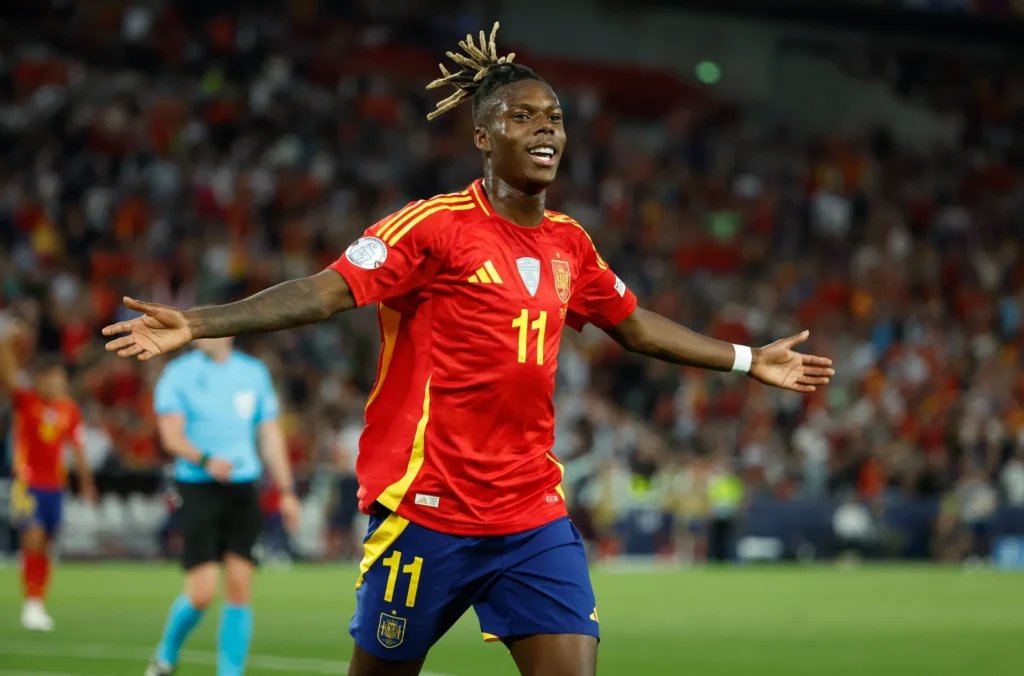
Alongside him, Nico Williams attacks defenders directly without hesitation. Spain’s midfield support also remains elite through players such as Pedri and Gavi.
This combination of technical brilliance and youthful fearlessness makes Spain one of the most exciting FIFA World Cup attacks entering 2026.
Argentina: Champions Still Carry Dangerous Attacking Power
Argentina no longer depends entirely on one player. That may actually make them stronger.
Although Lionel Messi remains central through creativity and leadership, younger attackers increasingly assume responsibility. Julián Álvarez provides pressing intensity and movement, while Lautaro Martínez delivers finishing quality.
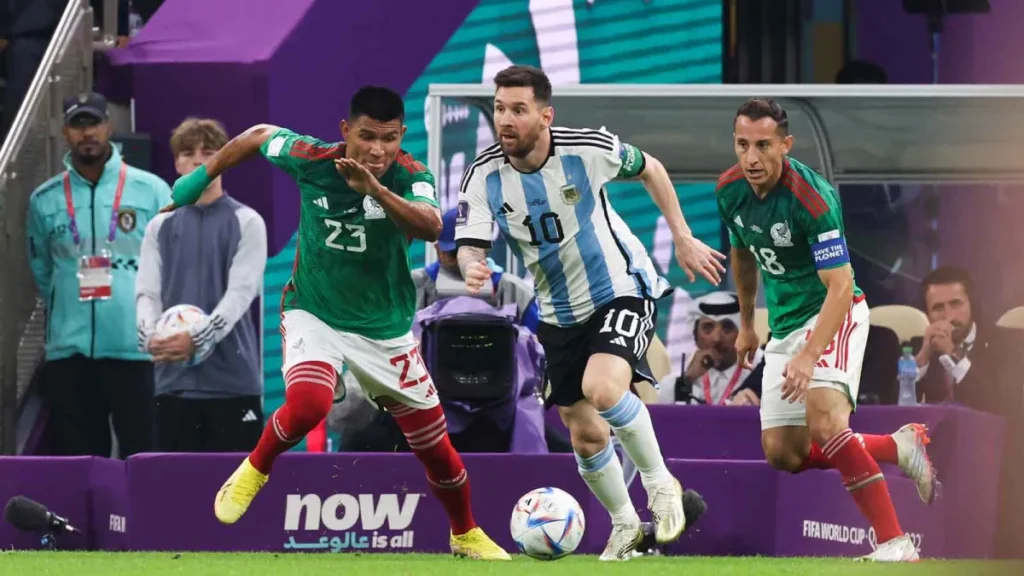
Argentina’s biggest attacking advantage lies in chemistry. Unlike teams relying heavily on individuals, Argentina attacks collectively. That chemistry helped deliver previous success and could become crucial again in 2026.
Portugal: Unlimited Tactical Options
Portugal possesses extraordinary depth.
Few countries can alter tactical identity during matches as effectively.
Their attack includes:
- Cristiano Ronaldo
- Rafael Leão
- Bruno Fernandes
- Bernardo Silva
Portugal can press aggressively, dominate possession, or attack directly through wide areas.The presence of Ronaldo still matters psychologically.
Even at an advanced stage of his career, defenders respect his finishing instincts.
Germany: The Intelligent Attack Nobody Wants to Face
Germany’s attack differs from traditional systems. Rather than depending on a fixed striker, Germany emphasizes fluid movement and spatial intelligence. Jamal Musiala creates danger through dribbling.
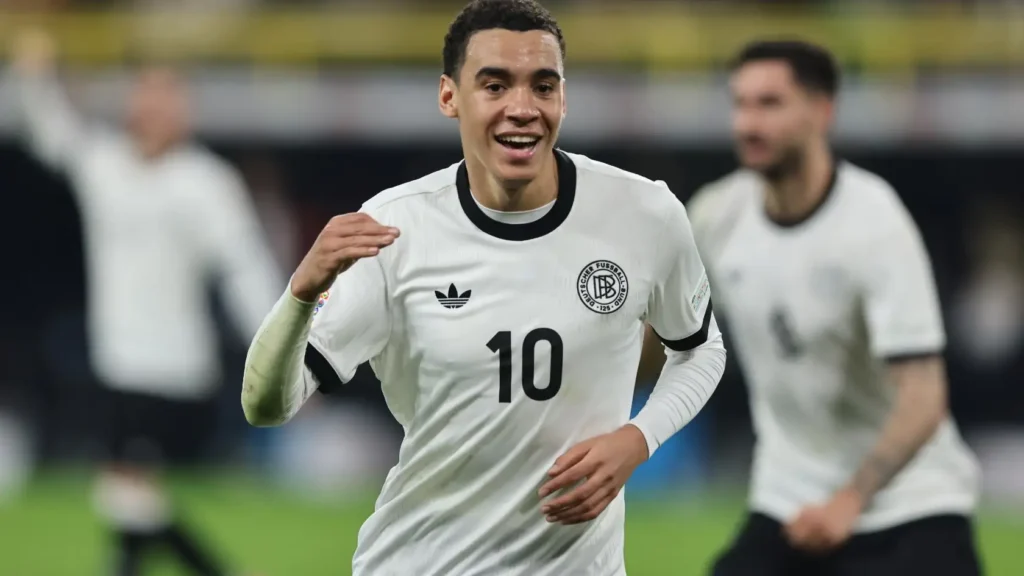
Florian Wirtz unlocks defenses through creativity. Kai Havertz disrupts defensive structures through movement. Germany may not receive the same attention as France or Brazil, but their attacking intelligence could become decisive.
Ranking the Most Dangerous FIFA World Cup Attacks
Based on current squad quality, depth, and tactical flexibility:
- France – Complete attacking dominance
- Brazil – Individual brilliance and unpredictability
- England – Exceptional depth and creativity
- Argentina – Championship chemistry and experience
- Spain – Youthful speed and fearless attack
- Portugal – Tactical versatility
- Germany – Intelligent positional football
This ranking may change quickly because injuries, form, and breakout stars transform World Cups.
Final Thoughts: Which FIFA World Cup Attack Will Define 2026?
Every World Cup produces one attacking story nobody expects. In 2014, it was Germany’s relentless efficiency. In 2018, France’s devastating transitions. In 2022, Argentina combined emotion with tactical discipline. The biggest question entering 2026 is simple:
Will France’s speed dominate? Will Brazil’s creativity explode? Can England finally convert talent into trophies? Or will another nation produce football’s next unforgettable attacking era? Because when tournaments become historic, people remember goals.
And the most dangerous FIFA World Cup attacks are preparing to write football history once again.