The modern FIFA World Cup has evolved into a tactical battlefield where attacking brilliance and defensive perfection constantly compete for supremacy. From the explosive chaos of Brazil 2002 to the disciplined possession control of Spain 2010, every champion since the turn of the century has revealed a different blueprint for success. The debate around attack vs defense is no longer simply about scoring goals or preventing them. In modern football, it is about pressing intensity, tactical flexibility, transition efficiency, and structural balance.
As analytics, pressing systems, and positional play became central to elite football, World Cup-winning teams adapted in dramatically different ways. Some champions overwhelmed opponents with relentless attacking waves, while others suffocated teams through defensive control and possession dominance. The question remains: in modern football, does attack or defense win World Cups?
Why the Attack vs Defense Debate Defines Modern Football
The phrase “attack wins games, defense wins titles” has existed for decades, but recent World Cups show the argument is far more complex. Modern football tactics blur the line between attacking and defending. Elite teams now defend through possession, attack through pressing, and use transitions as weapons.
The attack vs defense debate became especially intense after tactical revolutions introduced by coaches like Pep Guardiola, José Mourinho, Joachim Löw, Vicente del Bosque, and Didier Deschamps. International football adapted slowly compared to club football, but World Cup winners increasingly mirrored elite club systems.
Between 2002 and 2022, six different champions showcased completely different tactical philosophies:
- Brazil (2002) attacked relentlessly.
- Italy (2006) defended with structural perfection.
- Spain (2010) defended through possession.
- Germany (2014) dominated with vertical attacking intensity.
- France (2018) weaponized counterattacks.
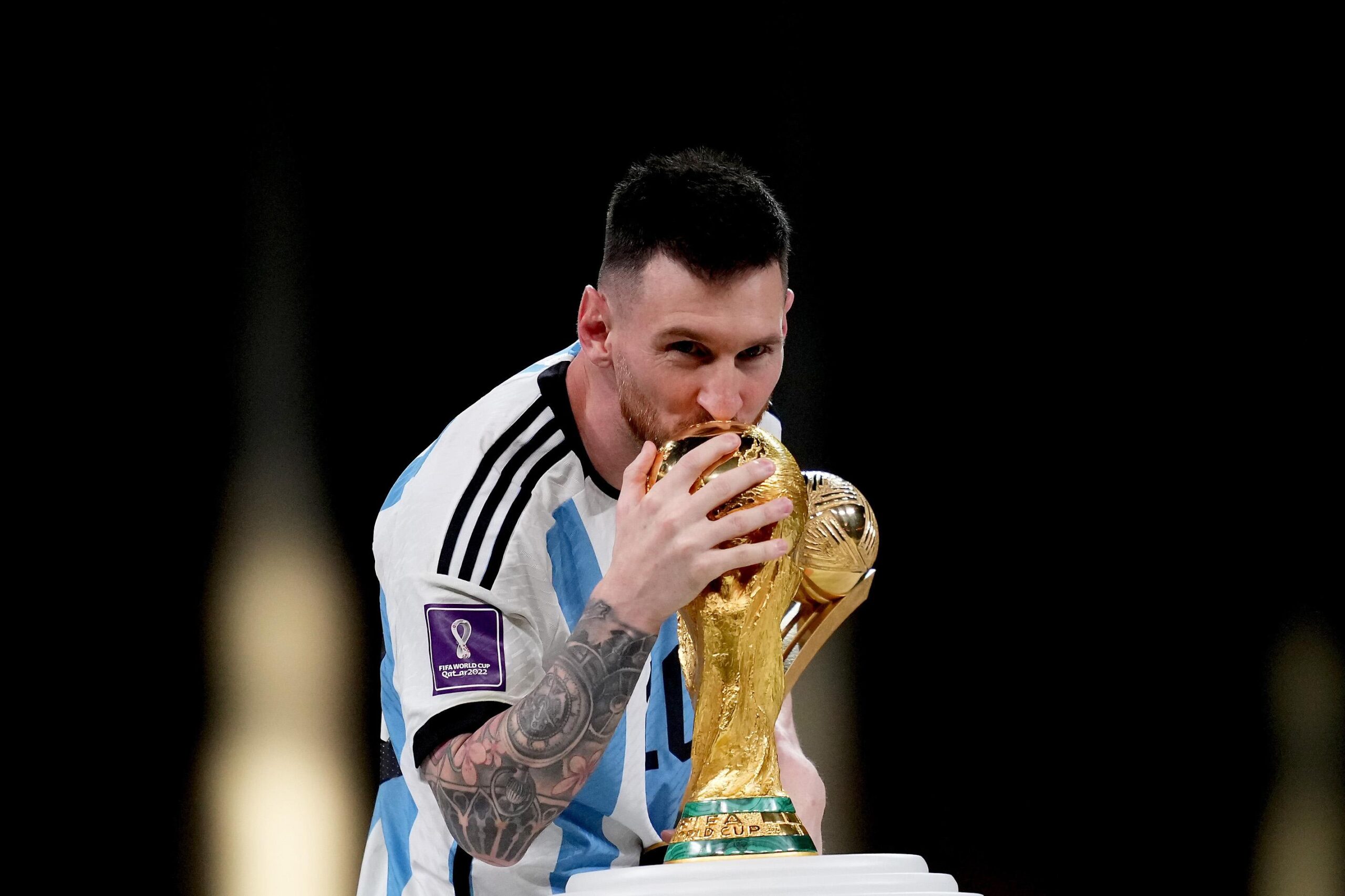
- Argentina (2022) balanced pressing with transitional efficiency.
Each champion proved there is no single path to lifting the World Cup trophy.
Brazil 2002: Pure Attacking Destruction
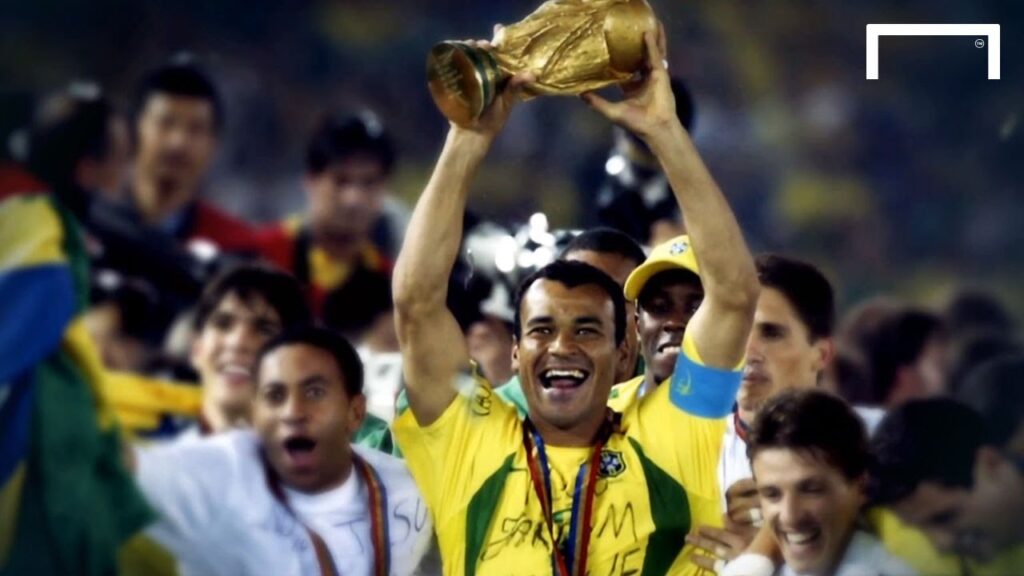
Few World Cup winners represent attacking football better than Brazil’s 2002 side. Luiz Felipe Scolari built a system entirely around offensive freedom and individual brilliance. The famous trio of Ronaldo, Rivaldo, and Ronaldinho terrorized defenses with movement, creativity, and finishing.
Brazil scored 18 goals in seven matches, averaging 2.57 goals per game. Their aggressive wingback system allowed Cafu and Roberto Carlos to constantly overload wide areas, creating endless attacking pressure.
Key reasons Brazil succeeded through attack:
- Fast vertical transitions
- Numerical overloads in wide zones
- Individual creativity in the final third
- Elite finishing efficiency
Ronaldo’s eight-goal Golden Boot campaign symbolized the tournament. Brazil accepted defensive risks because their attack could overwhelm almost any opponent.
This remains one of the clearest examples in the attack vs defense debate where elite offensive talent simply proved unstoppable.
Italy 2006: The Defensive Blueprint
If Brazil 2002 represented attacking freedom, Italy 2006 represented tactical discipline. Marcello Lippi’s team became one of the greatest defensive units in football history.
Italy conceded only two goals in the entire tournament:
- An own goal against the USA
- A Zinedine Zidane penalty in the final
Fabio Cannavaro delivered one of the greatest defensive performances ever seen at a World Cup. Alongside Gianluigi Buffon, Italy’s defensive line operated with flawless positioning, communication, and anticipation.
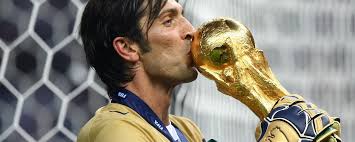
What made Italy so effective?
- Compact defensive spacing
- Strong aerial dominance
- Tactical patience
- Intelligent game management
Italy understood knockout football perfectly. Instead of chasing possession, they controlled risk. Opponents rarely found space between the lines.
The 2006 triumph reinforced the argument that elite defensive structure remains the safest route to tournament football success.
Spain 2010: Defending Through Possession
Spain changed football permanently. While remembered for beautiful passing, their World Cup victory was fundamentally built on defensive control through possession.
Vicente del Bosque’s midfield trio of Xavi, Andrés Iniesta, and Sergio Busquets denied opponents the ball for long stretches. Spain reduced defensive exposure by monopolizing possession.
Remarkably, Spain won every knockout game 1-0.
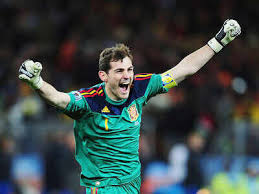
This tactical model revolutionized the attack vs defense discussion because Spain attacked and defended simultaneously through ball control.
Their strengths included:
- Positional superiority
- Extreme possession retention
- Midfield pressing after losing the ball
- Slow-tempo match control
Spain scored only eight goals in the tournament, the fewest among modern champions, but they conceded just two.
The lesson was clear: dominance does not always require explosive attacking numbers. Sometimes complete control is the most effective form of defense.
Germany 2014: Tactical Aggression at Its Peak
Germany’s 2014 side blended technical quality with devastating attacking intensity. Joachim Löw built a fluid tactical machine capable of destroying opponents with speed and positional movement.
The iconic 7-1 demolition of Brazil remains one of football’s greatest tactical performances. Germany exploited spaces mercilessly through:
- Vertical passing
- Midfield rotations
- High pressing
- Intelligent movement
Thomas Müller constantly manipulated defensive shapes, while Toni Kroos controlled tempo and transitions.
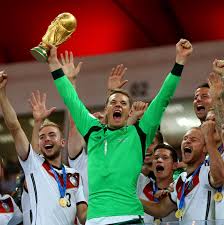
Germany scored 18 goals, matching Brazil 2002, but unlike previous attacking champions, they maintained greater defensive stability.
Their tactical flexibility became the defining factor. Germany could dominate possession, counterattack rapidly, or press aggressively depending on the opponent.
This balance made them one of the most complete World Cup champions of the modern era.
France 2018: Counterattacking Efficiency
Didier Deschamps built France around controlled explosiveness. Rather than dominate possession, France focused on transition efficiency and defensive compactness.
Kylian Mbappé became the perfect weapon for modern football. His pace transformed defensive recoveries into instant attacking opportunities.
France’s approach included:
- Deep defensive organization
- Rapid counterattacks
- Athletic midfield coverage
- Clinical finishing
The 4-3 victory over Argentina showcased their attacking power, while the semifinal against Belgium demonstrated defensive maturity.
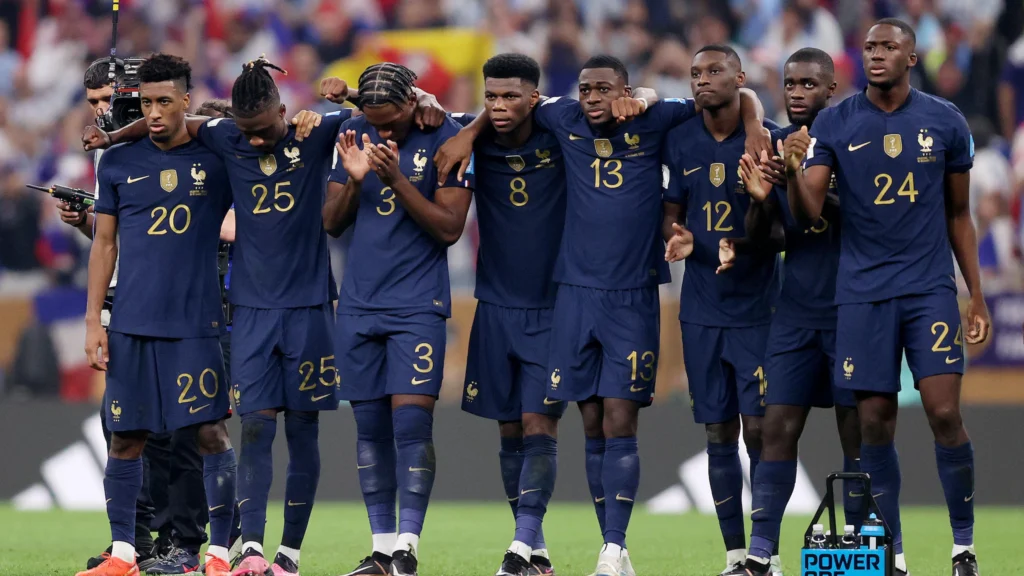
France proved modern football rewards teams that can absorb pressure and punish mistakes instantly. Their success highlighted how transitional football has become central to the attack vs defense debate.
Argentina 2022: The Balanced Modern Model
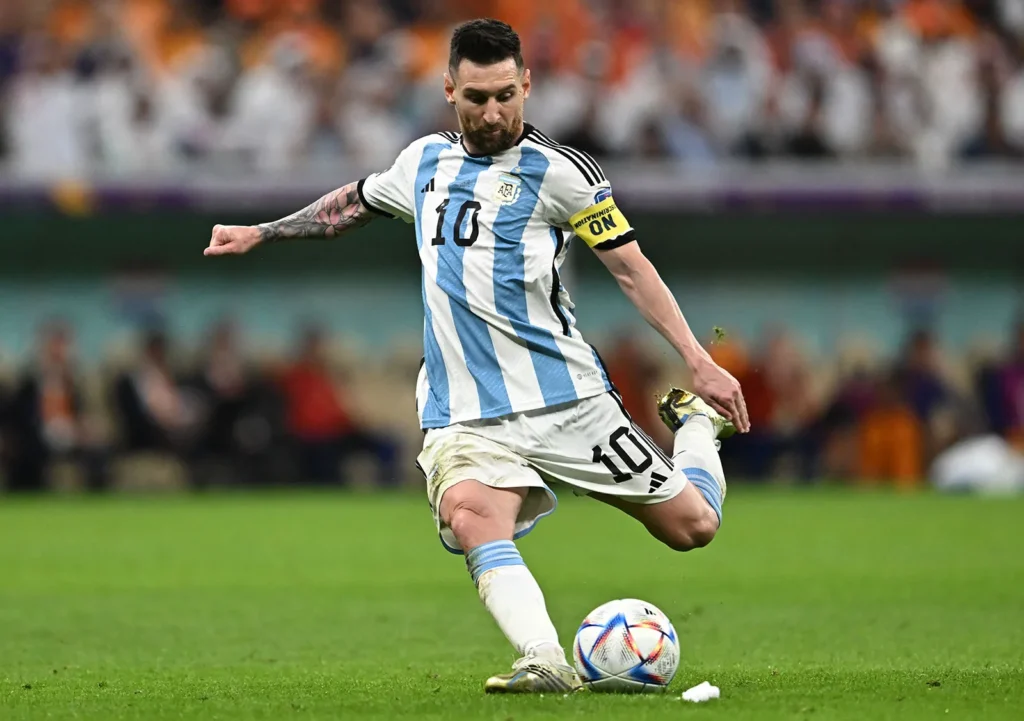
Argentina’s 2022 victory may represent the future of tournament football. Lionel Scaloni combined aggressive midfield pressing with tactical adaptability.
While Lionel Messi provided moments of magic, Argentina’s midfield engine was arguably the tournament’s most important feature. Rodrigo De Paul, Enzo Fernández, and Alexis Mac Allister constantly pressed, recovered possession, and protected the defense.
Argentina’s style blended:
- High pressing
- Compact midfield structure
- Flexible formations
- Controlled counterattacks
Unlike Spain 2010 or Italy 2006, Argentina accepted chaos when necessary. Their dramatic knockout matches against the Netherlands and France showed resilience under pressure.
This modern hybrid approach suggests future World Cup winners may require both attacking creativity and defensive intensity equally.
What Statistics Reveal About Attack vs Defense
Modern World Cup statistics reveal an important trend: balanced teams usually win.
Goals Scored by Modern Champions
- Brazil 2002 — 18
- Germany 2014 — 18
- Argentina 2022 — 15
- France 2018 — 14
- Italy 2006 — 12
- Spain 2010 — 8
Goals Conceded
- Italy 2006 — 2
- Spain 2010 — 2
- Brazil 2002 — 4
- Germany 2014 — 4
- France 2018 — 6
- Argentina 2022 — 8
These numbers show pure defensive football rarely dominates modern tournaments anymore. Even defensive champions require tactical flexibility and efficient attacking structures.
Likewise, purely attacking teams without defensive organization rarely survive knockout football.
How Modern Football Changed the Debate
The attack vs defense conversation has evolved because modern football itself changed dramatically.
Today’s elite teams rely on:
- High pressing systems
- Counter-pressing after possession loss
- Positional rotations
- Athletic midfield coverage
- Data-driven tactical preparation
Defending is no longer passive. Modern defending begins immediately after losing possession. Similarly, attacking now depends heavily on collective structure rather than individual skill alone.
World Cup winners increasingly succeed through balance rather than extremes.
Which Style Wins More Often?
Historically, defensive stability remains slightly more reliable in tournament football. Knockout competitions reward consistency, emotional control, and risk management.
However, the modern era shows that elite attacking systems can succeed when supported by organized pressing and tactical discipline.
The best modern champions combine:
- Efficient attack
- Compact defensive structure
- Tactical flexibility
- Strong transitional play
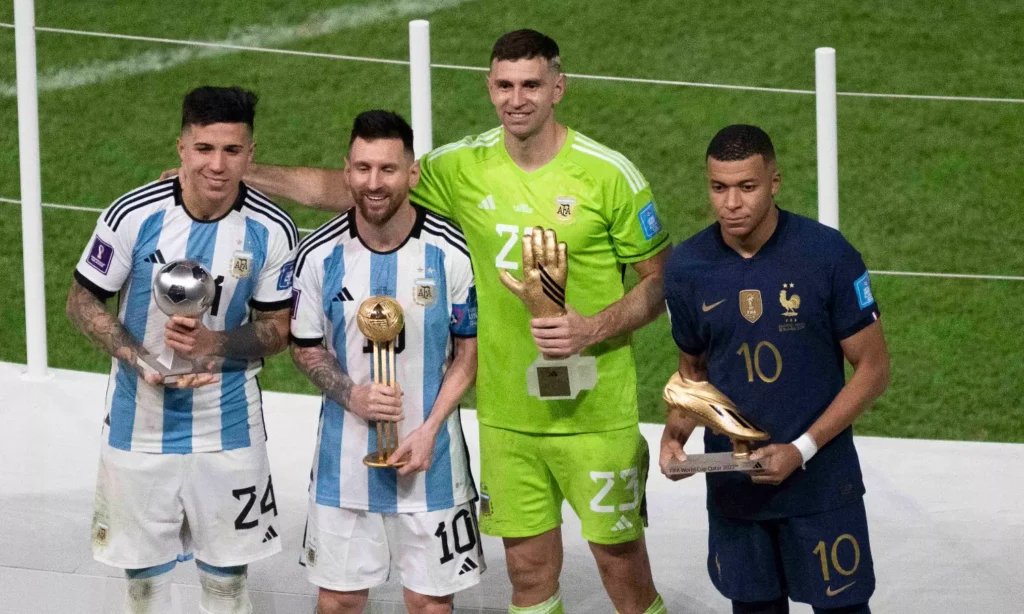
Germany 2014 and Argentina 2022 perhaps best represent this evolution.
Final Verdict on the Attack vs Defense Debate
The modern World Cup proves there is no universal formula for success. Brazil 2002 conquered through attacking brilliance. Italy 2006 survived through defensive perfection. Spain 2010 controlled games through possession, while France 2018 weaponized counterattacks.
Yet the overall trend is clear: balance wins. Modern champions must attack intelligently while defending collectively. Teams that rely entirely on one philosophy usually collapse against elite opposition in knockout football.
As the 2026 FIFA World Cup approaches, the attack vs defense debate will continue shaping tactical discussions worldwide. But recent history suggests the next champion will likely be the team capable of mastering both sides of the game simultaneously.