

Chelsea’s Young Squad is entering another important stage of its development, but the arrival of Xabi Alonso has changed the expectations around what this group can achieve. The club have spent years investing heavily in young players, building a squad filled with technical ability, athleticism and long-term potential. The challenge now is turning that potential into consistency and, eventually, trophies.
Alonso arrived at Stamford Bridge after establishing himself as one of Europe’s most highly regarded young managers. Chelsea appointed him on a four-year contract, with the Spaniard beginning his role on 1 July 2026. His previous success at Bayer Leverkusen gives Chelsea a manager with experience of building a team rather than simply managing an established one.
That distinction could prove crucial.
Chelsea’s Young Squad contains several players capable of becoming elite performers. Cole Palmer remains the attacking reference point, while players such as Estevao Willian, Joao Pedro, Liam Delap, Jamie Gittens, Jorrel Hato, Marco Palestra, Geovany Quenda and Morgan Rogers add further quality and potential. However, potential alone does not win the Premier League.
Alonso must create a team that can control matches, defend collectively, handle pressure and produce results against the strongest opponents. His early work during pre-season suggests that establishing a clear footballing identity is one of his first priorities.
Xabi Alonso Has Arrived at the Right Time
Chelsea’s decision to appoint Alonso represents an attempt to bring greater tactical clarity to a squad that has experienced considerable managerial change.
The Spaniard knows that expectations at Stamford Bridge are extremely high. Chelsea are not simply looking for attractive football or gradual development. The club expects to compete for major honours, while supporters want to see the enormous investment in young talent eventually produce results. Alonso has already acknowledged the scale of the challenge.
He has described the Chelsea squad as possessing significant quality and potential while also recognising that improvements are required. His stated objective is to develop a side capable of playing with intensity, controlling games and competing at the highest level.

That approach is particularly relevant to Chelsea’s Young Squad.
Young players can learn quickly, but they also need clear structures. A talented winger needs to understand when to press, when to recover and where to position himself without the ball. A young midfielder needs to know how to control space rather than simply chase possession. Defenders need confidence in the structure around them. Alonso’s job is to provide those answers.
Chelsea’s Young Squad Has Plenty of Attacking Quality
One of the biggest strengths of Chelsea’s Young Squad is its attacking depth. Cole Palmer remains the obvious creative leader. The England international has already demonstrated that he can decide matches through his passing, movement and finishing. Chelsea’s challenge is to create an environment where Palmer does not have to solve every attacking problem himself.
Joao Pedro gives Alonso another versatile attacking option, while Liam Delap provides a more direct physical presence at centre-forward. Then there is Estevao Willian.
The Brazilian youngster represents exactly the type of player Chelsea have targeted during their recent recruitment strategy. His technical quality, creativity and ability to attack defenders make him an intriguing option in Alonso’s system.

Jamie Gittens adds another dynamic wide threat, while Morgan Rogers brings Premier League experience despite still being only 23. Chelsea officially confirmed Rogers’ arrival from Aston Villa in the summer, with the forward signing a contract until 2033. The club described him as one of the Premier League’s leading young attacking talents. That combination gives Alonso considerable flexibility.
He can use wide attackers to stretch opponents, ask players to move into central positions or create overloads around Palmer. The important point is that Chelsea now have several players capable of changing the way the attack functions. The problem is making all of those pieces work together.
The Midfield Could Decide Alonso’s Success
If Chelsea are going to challenge for trophies, their midfield must provide control. Alonso’s football demands more than possession for possession’s sake. His teams need to understand when to accelerate, when to slow the game and how to protect themselves when possession is lost.
Moises Caicedo could become one of the most important players in that structure. His defensive range and ability to cover ground give Alonso an important platform in midfield. Enzo Fernandez also offers progressive passing and the ability to influence matches from deeper positions. Romeo Lavia provides another option when Chelsea need greater control and security.
The challenge is creating the correct balance.

Chelsea cannot simply fill the midfield with technically gifted players. They need players who understand spacing and defensive responsibilities. Against weaker opponents, Chelsea may dominate possession for long periods. Against elite opposition, however, they will need to survive periods without the ball.
That is where Alonso’s coaching will be tested. The manager must ensure that Chelsea’s Young Squad does not become overly aggressive in possession and leave itself vulnerable during transitions.
Pre-Season Has Already Given Alonso Valuable Information
Chelsea’s 2026 pre-season programme has provided Alonso with an unusually broad testing ground.
The club travelled to Australia and Asia for five matches before returning to England. The schedule included Western Sydney Wanderers, Tottenham Hotspur, Juventus, AC Milan and Johor Darul Ta’zim. Chelsea will then face Real Sociedad at Stamford Bridge on 15 August before beginning their Premier League campaign away to Fulham on 24 August.
The results have been mixed. Chelsea opened with a 6-4 victory over Western Sydney Wanderers before losing 2-1 to Tottenham. They then suffered a 1-0 defeat against Juventus before producing a much stronger display in a 3-0 victory over AC Milan. The final tour fixture against Johor Darul Ta’zim ended 3-3 after penalties, according to the results supplied for this analysis.

The results themselves should not be treated as definitive evidence of what Chelsea will achieve in the Premier League. Pre-season is primarily about preparation. For Alonso, the matches provide opportunities to test formations, evaluate players and identify weaknesses. More importantly, they allow the squad to experience his demands in competitive situations.
The 3-0 victory over AC Milan is particularly interesting because it showed that Chelsea can produce a controlled performance against experienced opposition. However, the inconsistency across the tour also demonstrates why Alonso has significant work ahead.
Alonso’s Tactical Challenge Is Bigger Than Formation
It would be easy to focus on whether Alonso chooses a back three or back four. That misses the bigger picture. The important question is how Chelsea behave during different phases of the match. Alonso’s best teams have demonstrated flexibility in possession. Defenders can contribute to build-up play, midfielders can move into different zones and attacking players can rotate without completely destroying the team’s structure.
Chelsea have players suited to that approach. Marco Palestra and Jorrel Hato offer Alonso additional defensive options, while players such as Reece James, Levi Colwill and Wesley Fofana provide experience alongside the younger members of the squad.
The official Chelsea pre-season squad included a large collection of young players, including Palestra, Hato, Estevao, Dario Essugo, Josh Acheampong and other academy prospects. That gives Alonso an important advantage.
He does not have to build a completely new squad. Instead, he can develop a tactical framework around players who already possess significant technical ability. The difficulty is ensuring that the system remains stable when individual players make mistakes. Young teams can look outstanding when confidence is high. They can also lose control quickly when an opponent scores first. Alonso’s greatest task may therefore be psychological rather than tactical.
The Defensive Side Must Improve
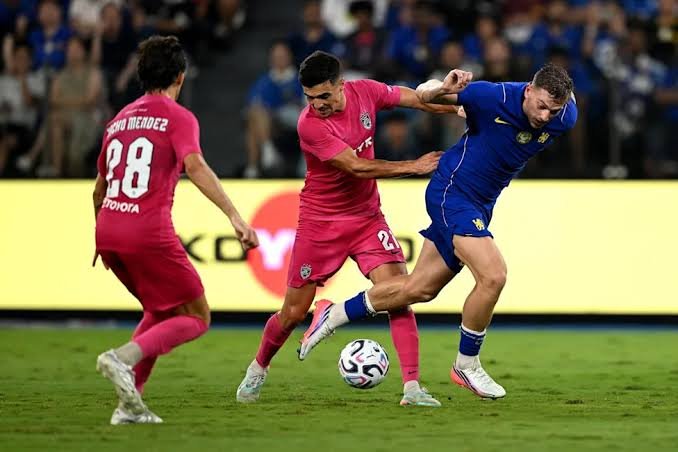
Chelsea’s attacking potential is obvious. The defensive consistency is harder to predict. A trophy-winning side needs to defend as a unit. That responsibility does not belong solely to the centre-backs and goalkeeper. It begins with the forwards.
When Chelsea lose possession, their attacking players must react immediately. Midfielders must close passing lanes. Full-backs must understand when to advance and when to protect the defensive line. This is where Alonso’s emphasis on intensity becomes important. Chelsea’s Young Squad has the physical capacity to play at a high tempo. The question is whether the players can maintain that intensity for 90 minutes while making the correct tactical decisions. That requires repetition. It also requires discipline.
A young player may naturally want to win the ball immediately after losing it. Alonso must teach Chelsea when that is possible and when the smarter decision is to retreat and rebuild the defensive shape. Those details can determine whether Chelsea merely entertain opponents or actually control them.
Morgan Rogers Adds Another Important Dimension
Rogers is particularly interesting within Alonso’s project because he combines youth with Premier League experience. Chelsea confirmed that he arrives after contributing to 40 goals in 85 Premier League appearances for Aston Villa. He also helped Villa secure a top-four finish before winning the Europa League. That experience matters.
Chelsea have several young players who are still learning the demands of senior football. Rogers already understands the physical and tactical demands of the Premier League. His versatility could also help Alonso. He can operate from wide positions, move inside and contribute around the penalty area. That flexibility gives the manager another way to adjust his attacking structure without necessarily making substitutions.
For Chelsea’s Young Squad, having players with different profiles is important. The team cannot rely on one attacking formula throughout an entire season.
Chelsea’s Lack of European Football Could Help
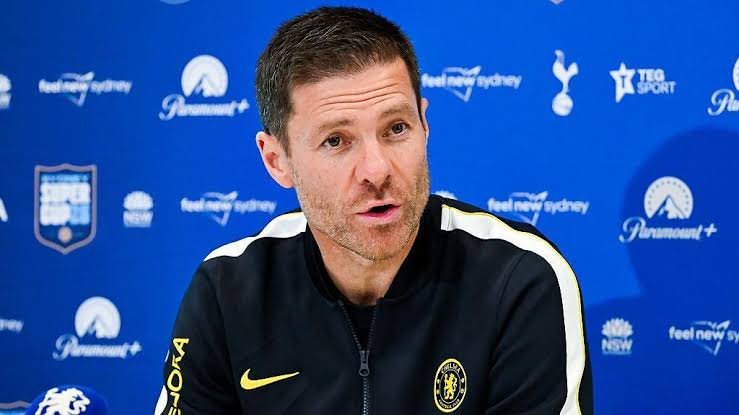
One major advantage for Alonso is the absence of European football in 2026/27. Chelsea finished 10th in the Premier League last season and missed out on continental qualification. The club’s interim head coach Calum McFarlane acknowledged that inconsistency had cost the team a higher finish. That disappointment could become an advantage for Alonso.
Without a European schedule, Chelsea have fewer midweek fixtures and less travel. That creates more opportunities for training. For a new manager working with a young squad, this matters enormously.
Alonso can use training sessions to develop pressing patterns, improve build-up structures and work on defensive transitions. He can also give young players individual coaching that would be difficult to provide during a congested European campaign. There is a trade-off, of course. Chelsea will have fewer opportunities to test themselves against European opponents in competitive matches. Yet for Alonso’s first season, additional training time could be more valuable.
Can Chelsea Challenge for the Premier League Title?
A title challenge is possible, but it should not be treated as the most realistic benchmark for Alonso’s first season. Chelsea have quality. They also have depth. But the Premier League rewards consistency above almost everything else.
Arsenal, Manchester City and other established contenders have squads with years of experience competing at the highest level. Chelsea’s Young Squad is still learning how to perform under pressure. That makes a top-four challenge a more sensible league objective.
If Chelsea remain within touching distance of the title during the final months, the season could quickly develop into something much bigger. However, judging Alonso’s first campaign solely on whether Chelsea win the Premier League would be too simplistic. The more important signs will be visible in the team’s performances.
Do Chelsea control matches more consistently?
Do they defend transitions better?
Can they beat strong opponents?
Do young players improve throughout the season?
Can the team maintain its standards after difficult results?
Those questions will reveal whether Alonso is building something sustainable.
The Domestic Cups Could Be Chelsea’s Best Opportunity
The FA Cup and Carabao Cup could provide Chelsea with a realistic route to silverware. Knockout football rewards tactical preparation, squad depth and the ability to perform in individual matches. Those are qualities Chelsea possess.
Alonso can rotate his squad while maintaining a high level of technical quality. Younger players can also receive important competitive minutes without being expected to carry the team through an entire league campaign. Winning a domestic trophy would also have psychological value. Chelsea’s young players need to experience success together.

A cup run could provide that experience. It would show the squad that Alonso’s ideas can produce tangible rewards and could create the mentality required for bigger challenges later.
Real Sociedad Will Be Another Important Test
Chelsea’s final pre-season match against Real Sociedad will be particularly interesting because it will be Alonso’s first game at Stamford Bridge as Chelsea manager. The fixture takes place on Saturday 15 August and represents the final preparation before the Premier League season begins. Real Sociedad are also significant to Alonso personally because the club was where he began his professional playing career.
More importantly, the match gives Alonso another opportunity to refine his strongest XI. By that stage, the manager should have a clearer idea of his preferred tactical structure and the players best suited to it. The result will matter less than the performance. Chelsea need to enter the Premier League season with a clear identity.
Chelsea’s Young Squad Needs Time
The biggest reason for optimism is also the biggest reason for caution. Chelsea’s Young Squad has enormous potential, but potential takes time to become reliability. A 19-year-old winger may produce a brilliant performance one weekend and struggle against an experienced full-back the next. A young midfielder may dominate one match before finding the intensity of a Premier League away game overwhelming.
That is normal development. Alonso must therefore create an environment where mistakes become learning opportunities rather than reasons to abandon young players. The manager also needs experienced figures around them. Reece James, Tosin Adarabioyo and other senior players can help provide that balance, while Chelsea’s international players bring experience from major competitions. The squad does not lack talent. It needs cohesion.
Verdict: Can Xabi Alonso Win Trophies With Chelsea?
Chelsea’s Young Squad gives Xabi Alonso an intriguing foundation.
The group contains creativity, athleticism, technical quality and considerable room for development. Palmer provides an established attacking leader, while younger players such as Estevao, Palestra, Hato and Quenda represent the next stage of the club’s long-term project. Morgan Rogers adds another important combination of youth and Premier League experience. Chelsea’s official pre-season squad list underlines just how much young talent Alonso has available to develop.
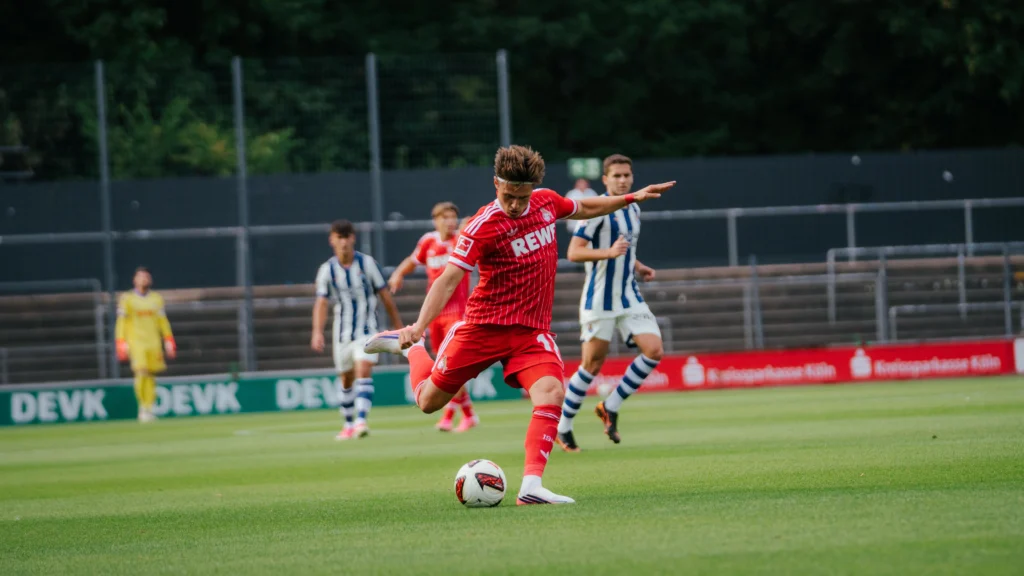
The question is not whether Chelsea have enough talent. They clearly do. The question is whether Alonso can turn that talent into a consistent collective.
His first season should therefore be judged on progression as well as trophies. A top-four finish would represent meaningful progress, while winning the FA Cup or Carabao Cup would give the project an immediate boost.
A Premier League title would be a far bigger achievement. Chelsea would need remarkable consistency from a relatively young squad competing against established rivals. It is not impossible, but it would require Alonso to accelerate the development process considerably. The foundations, however, are promising.
Alonso has arrived with a clear footballing philosophy. Chelsea have supplied him with a squad full of technical ability and youthful energy. The absence of European football gives him additional training time, while the domestic cups offer realistic opportunities to compete for silverware.
If Alonso can combine those advantages with defensive stability and greater consistency, Chelsea could become one of the most interesting teams in English football this season. The revolution at Stamford Bridge is no longer simply about collecting young talent. It is now about making that talent work as one team. And that is where Xabi Alonso’s biggest challenge begins.

First off I want to say superb blog! I had a quick question that I’d like to ask if you do not mind.
I was curious to know how you center yourself and clear your thoughts
prior to writing. I’ve had difficulty clearing my thoughts in getting my thoughts out.
I truly do enjoy writing but it just seems like the first 10 to 15 minutes tend to be wasted simply just trying to figure out how to begin.
Any recommendations or tips? Kudos!