
The expanded 48-team format for the 2026 FIFA tournament has opened the door for history-making moments across global football. For the first time, several nations will experience the thrill, pressure, and prestige of appearing on the sport’s biggest stage. These world cup debuts are not just statistical milestones they represent decades of development, ambition, and belief finally paying off.
With matches set to be hosted across the United States, Canada, and Mexico, fans can expect fresh storylines, new fan bases, and underdog narratives that often define the magic of the World Cup.
Why World Cup Debuts Matter More Than Ever
The significance of world cup debuts has grown dramatically with FIFA’s tournament expansion. Previously, qualification pathways heavily favored traditional football powers. Now, more slots mean realistic opportunities for emerging football nations to break through.
For smaller countries, a first appearance goes far beyond football. It boosts national pride, inspires grassroots participation, attracts investment, and places the country firmly on the global sporting map. Historically, debuting teams often play with fearlessness something that has led to unforgettable upsets in past tournaments.
Uzbekistan and the Rise of Asian Football

Among the most exciting world cup debuts in 2026 is Uzbekistan. After years of near misses, the Central Asian nation finally secured qualification through disciplined performances and a new generation of talent.
Uzbekistan’s football journey has been methodical. Strong youth systems, continental success at under-age levels, and increasing representation in top European leagues have steadily raised standards. Their qualification reflects the growing competitiveness of Asian football, where traditional giants now face serious challenges from emerging sides.
This debut also symbolizes how long-term planning can outperform short-term fixes in international football.
Jordan’s Long Road to World Cup Debuts
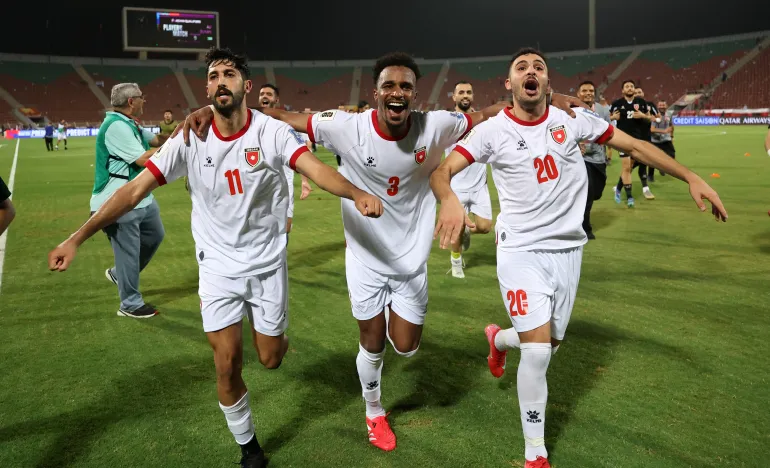
Another of the most emotional world cup debuts belongs to Jordan. Having joined FIFA decades ago, Jordan spent years battling through qualifiers with little reward. Their persistence finally paid off with a strong campaign that saw them finish ahead of more established regional rivals.
Jordan’s qualification is a landmark achievement for Middle Eastern football outside the traditional powerhouses. It highlights how improved coaching structures, tactical discipline, and player development can close the gap between nations with vastly different resources.
For Jordanian fans, simply hearing their national anthem at the World Cup will be a defining sporting moment.
Cape Verde’s Remarkable Football Evolution
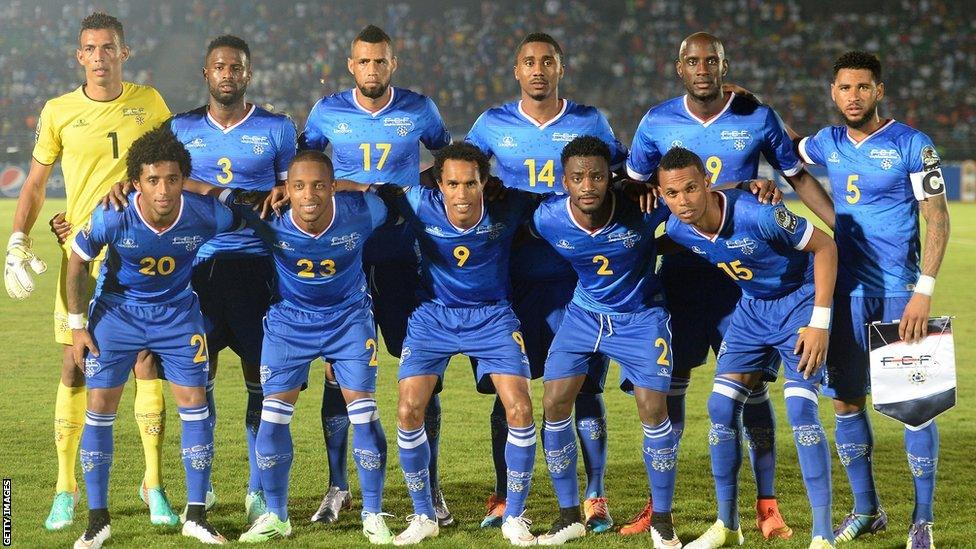
Cape Verde’s inclusion among the world cup debuts is one of the most inspiring stories of the 2026 tournament. With a population of around 600,000, the island nation’s rise has been fueled by smart recruitment, diaspora connections, and strong team identity.
Competing in African qualification is notoriously difficult, yet Cape Verde managed to outperform established giants to secure their place. Their journey proves that success in modern international football is no longer dictated solely by population size or domestic league strength.
Cape Verde’s debut is expected to energize smaller football nations across Africa and beyond.
Curacao and the Power of Organization
Curacao will become the smallest nation by population ever to appear at the World Cup, making their world cup debuts particularly historic. Their success is rooted in organization, tactical clarity, and effective use of dual-nationality players competing in European leagues.
Over the past decade, Curacao has climbed dramatically in FIFA rankings, showing what focused governance and long-term planning can achieve. Their qualification is a reminder that football intelligence can compensate for limited resources.
Neutral fans often gravitate toward debutants, and Curacao is likely to become one of the tournament’s most supported underdogs.
What World Cup Debuts Mean for the Tournament
The inclusion of multiple world cup debuts will reshape the 2026 tournament experience. Group stages will feature unfamiliar matchups, new tactical styles, and unpredictable outcomes. For broadcasters and sponsors, debuting nations also unlock new markets and audiences.
Historically, debut teams have occasionally gone deep into tournaments, proving that first-timers should never be underestimated. Their hunger and lack of fear often make them dangerous opponents.
Conclusion: A New Era of Global Football
As football continues to globalize, world cup debuts are becoming symbols of progress rather than anomalies. The 2026 tournament will stand as a turning point, showing how inclusivity and expansion can enrich the sport without diluting its quality.
For fans, these debutants bring fresh excitement. For the nations involved, they represent dreams realized and for world football, they mark the beginning of a more diverse and competitive future.