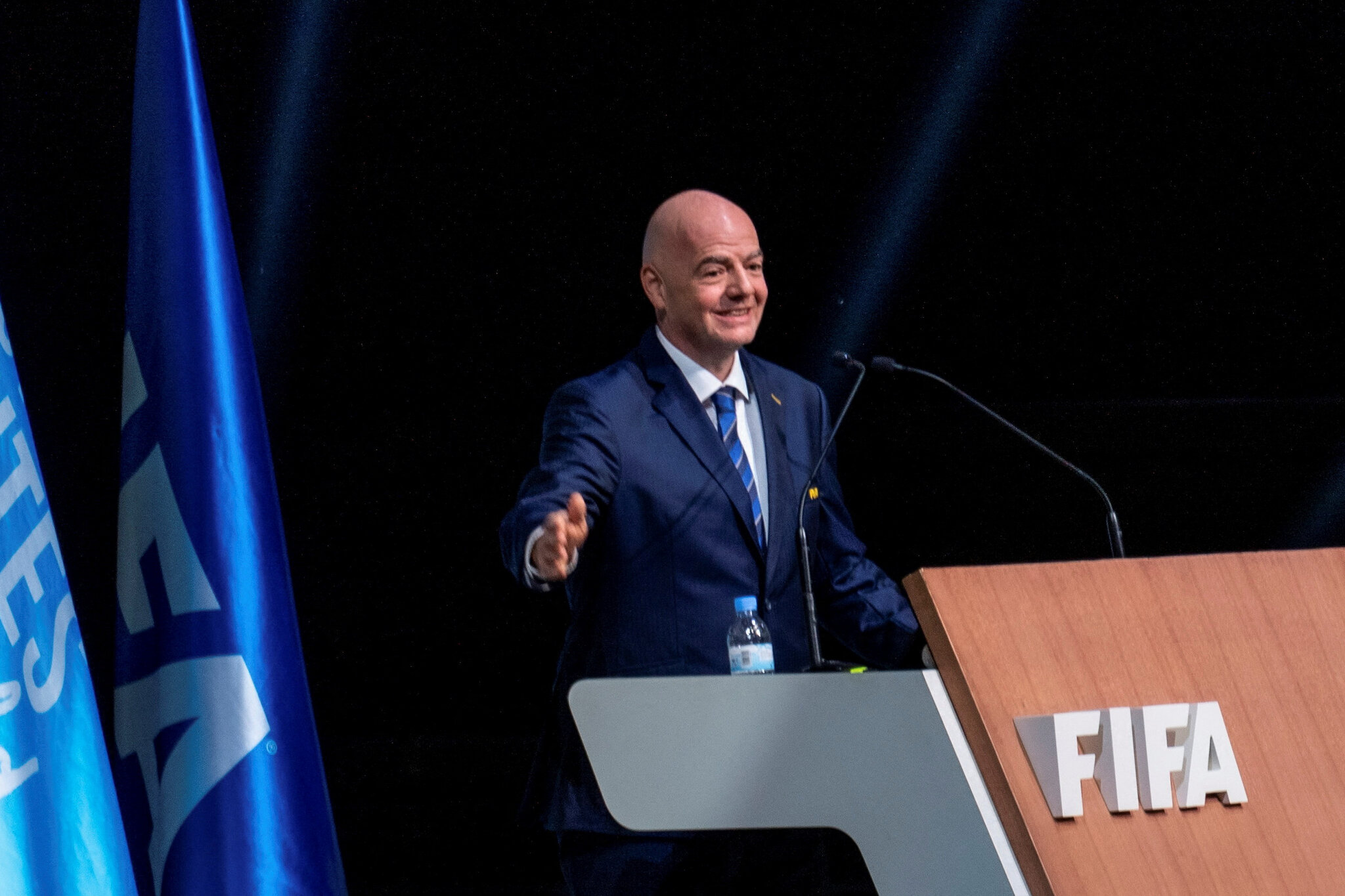
The FIFA World Cup Revenue is one of the most discussed topics in sports finance. Every four years, this global tournament isn’t just a celebration of football it’s also one of the most profitable sporting events in the world. From broadcasting rights and sponsorships to ticket sales and merchandising, FIFA has turned the World Cup into a multi-billion-dollar enterprise. Understanding World Cup Revenue gives fans and industry professionals a clear picture of how the tournament drives both the sport and the organization’s finances.
Broadcasting Rights and Sponsorships: The Core of FIFA World Cup Revenue
The largest portion of FIFA Revenue comes from television broadcasting rights. Broadcasters around the world pay premium prices to secure the rights to show the tournament in their regions. During the 2019–2022 financial cycle, TV rights alone earned FIFA $3.43 billion, accounting for nearly half of total revenue. Europe, Asia, and North America were the top markets, demonstrating the global demand for World Cup content. In the United States, Fox reportedly paid over $400 million for exclusive broadcasting rights to the 2022 tournament, highlighting the high value of live football content.

Sponsorship deals are another major contributor. FIFA’s sponsorship program is divided into several tiers, including global FIFA Partners like Adidas, Coca-Cola, Visa, and Hyundai/Kia, as well as World Cup-specific sponsors such as Budweiser and McDonald’s. Regional and national sponsors also play a role in the total revenue. For the 2019–2022 cycle, marketing and sponsorship deals generated $1.8 billion, exceeding FIFA’s budget expectations. These partnerships allow global brands to reach billions of viewers while contributing significantly to FIFA’s income, making sponsorships a crucial part of FIFA World Cup Revenue.
Ticket Sales and Licensing: Direct Fan Engagement and Revenue Streams
Another important component of FIFA World Cup Revenue comes from ticket sales and hospitality packages. FIFA manages ticketing through its own subsidiaries, ensuring full control of revenue without sharing profits with intermediaries. For the Qatar 2022 tournament, almost 3 million tickets were sold, generating $686 million. Hospitality packages added another $243 million. High stadium occupancy rates, reaching over 96% on average, combined with strategically priced tickets, ensured that matchday revenue remained a key pillar of FIFA World Cup Revenue.

Licensing and merchandising further increase FIFA’s earnings. FIFA partners with video game developers, merchandise producers, and collectible companies to monetize its brand. The FIFA video game franchise alone generates hundreds of millions of dollars annually. During the 2019–2022 cycle, licensing contributed $769 million to total revenue. FIFA has also expanded into digital products and esports, including the FIFA eWorld Cup, which draws millions of participants and viewers worldwide. These initiatives demonstrate how FIFA World Cup Revenue extends beyond live games, capturing value through fan engagement across multiple platforms.
Historical Growth and Future of FIFA World Cup Revenue
The growth of FIFA World Cup Revenue over the past decade has been remarkable. In the 2010 South Africa World Cup, FIFA earned $3.66 billion, mostly from broadcasting and sponsorship. By the 2014 Brazil World Cup, revenue had increased to $4.8 billion, and the 2018 Russia World Cup generated $5.36 billion. Qatar 2022 shattered all previous records with $7.57 billion in total revenue. Each edition has leveraged technological advances, global marketing, and rising fan interest to maximize profits.

Looking ahead, FIFA expects even higher revenues for the 2023–2026 cycle. The 2026 World Cup in the United States, Canada, and Mexico will feature 48 teams and 80 matches, up from 32 teams and 64 matches previously. This expansion will create additional opportunities for broadcasting, sponsorship, ticketing, and merchandising, ensuring continued growth in FIFA World Cup Revenue. FIFA is also focusing on women’s football, with separate sponsorship deals for the Women’s World Cup, tapping into a rapidly growing global audience.
In conclusion, FIFA World Cup Revenue is a reflection of football’s global power. Through broadcasting rights, sponsorships, ticketing, and licensing, FIFA has transformed the World Cup into a multi-billion-dollar enterprise. Beyond profits, FIFA reinvests a large portion of this revenue into football development worldwide, funding infrastructure, grassroots programs, and prize money for teams. The World Cup is not only the pinnacle of football competition it’s also the ultimate showcase of sports business success.