The FIFA World Cup Finals stand as the most important match in international football. It decides the world champion and delivers moments that fans remember for decades. Since 1930, the final has brought together the best teams, the greatest players, and the highest level of competition. Every four years, the footballing world stops to watch history unfold on the biggest stage.
Over time, FIFA World Cup finals have reflected how the game has evolved. Tactics, playing styles, and star players have changed, yet the passion and intensity have remained constant. From Uruguay’s early dominance to Argentina’s dramatic triumph in 2022, each final tells a unique story of ambition, resilience, and glory.
Early World Cup Finals: The Birth of a Global Tradition
The first FIFA World Cup final took place in 1930, when host nation Uruguay defeated Argentina 4–2. This victory not only crowned the first world champions but also set the tone for international football. Soon after, Italy emerged as a powerful force. They won the 1934 and 1938 finals, becoming the first country to defend a World Cup title and establishing Europe’s growing influence on the tournament.
Meanwhile, the 1950 World Cup followed a different format. Instead of a single final match, the title was decided through a final group stage. Uruguay shocked the footballing world by defeating Brazil 2–1 at the Maracanã Stadium. As a result, the match earned the name Maracanazo and remains one of the biggest upsets in football history.
Golden Eras and the Rise of Football Dynasties
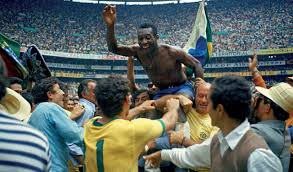
During the 1950s, 1960s, and 1970s, football witnessed the rise of legendary teams. Brazil, led by Pelé, dominated this era by winning the World Cup in 1958, 1962, and 1970. Moreover, the 1970 final against Italy showcased attacking football at its finest, which many fans still regard as the greatest World Cup final ever played.
At the same time, Germany and Argentina strengthened their positions as global football powers. Argentina lifted their first World Cup trophy in 1978, winning the final on home soil against the Netherlands. Consequently, the victory united the nation and confirmed Argentina’s place among football’s elite.
FIFA World Cup Final Results (1930–2022)
| Year | Host Country | Winner | Final Score | Runner-up |
|---|---|---|---|---|
| 1930 | Uruguay | Uruguay | 4–2 | Argentina |
| 1934 | Italy | Italy | 2–1 (AET) | Czechoslovakia |
| 1938 | France | Italy | 4–2 | Hungary |
| 1950 | Brazil | Uruguay | 2–1 | Brazil |
| 1954 | Switzerland | West Germany | 3–2 | Hungary |
| 1958 | Sweden | Brazil | 5–2 | Sweden |
| 1962 | Chile | Brazil | 3–1 | Czechoslovakia |
| 1966 | England | England | 4–2 (AET) | West Germany |
| 1970 | Mexico | Brazil | 4–1 | Italy |
| 1974 | West Germany | West Germany | 2–1 | Netherlands |
| 1978 | Argentina | Argentina | 3–1 (AET) | Netherlands |
| 1982 | Spain | Italy | 3–1 | West Germany |
| 1986 | Mexico | Argentina | 3–2 | West Germany |
| 1990 | Italy | West Germany | 1–0 | Argentina |
| 1994 | USA | Brazil | 0–0 (3–2 pens) | Italy |
| 1998 | France | France | 3–0 | Brazil |
| 2002 | South Korea/Japan | Brazil | 2–0 | Germany |
| 2006 | Germany | Italy | 1–1 (5–3 pens) | France |
| 2010 | South Africa | Spain | 1–0 (AET) | Netherlands |
| 2014 | Brazil | Germany | 1–0 (AET) | Argentina |
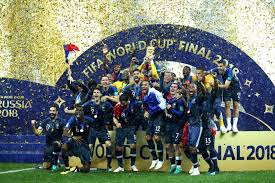
| 2018 | Russia | France | 4–2 | Croatia |
| 2022 | Qatar | Argentina | 3–3 (4–2 pens) | France |
Iconic Finals That Shaped Football History
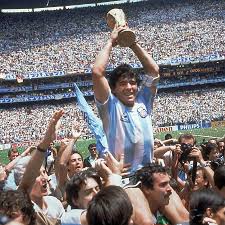
Several World Cup finals changed the course of football history. In 1986, Diego Maradona inspired Argentina to a 3–2 victory over West Germany, completing one of the greatest individual tournaments ever seen. Later, Germany gained revenge in 1990 by edging Argentina 1–0 in a tense final.
In 1994, Brazil and Italy played out a goalless draw. Consequently, penalties decided the World Cup final for the first time. Roberto Baggio’s missed kick handed Brazil their fourth title and created an unforgettable image in football history.
France celebrated their first World Cup win in 1998, defeating Brazil 3–0 on home soil. However, the 2006 final became famous for dramatic reasons. Although Italy won on penalties, Zinedine Zidane’s headbutt dominated headlines worldwide.
Modern World Cup Finals: Skill, Speed, and High Drama
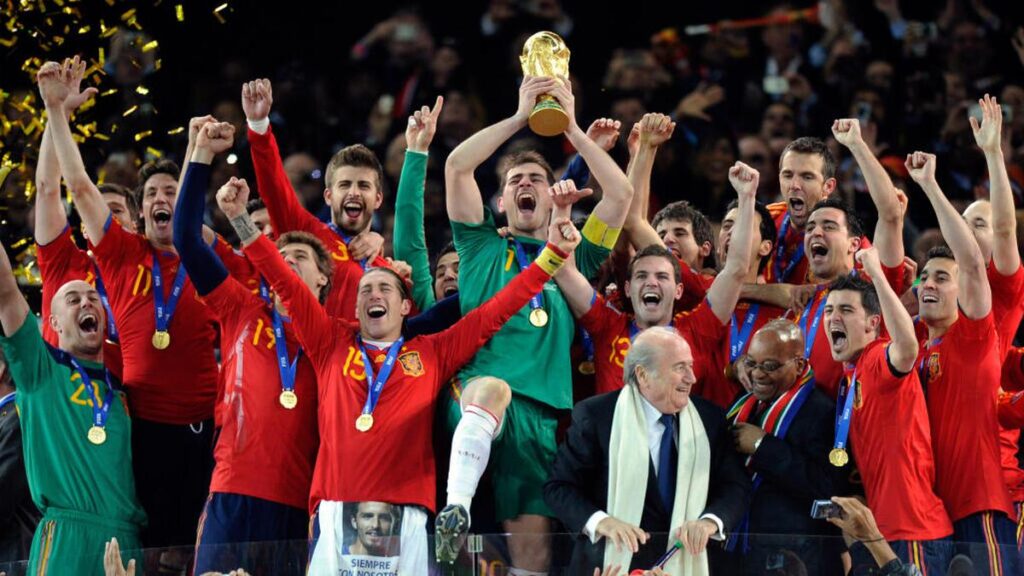
In recent years, World Cup finals have delivered tactical excellence and thrilling drama. Spain’s 2010 victory over the Netherlands highlighted the effectiveness of possession-based football. Four years later, Germany defeated Argentina in extra time, becoming the first European team to win a World Cup in South America.
Finally, the 2022 World Cup final in Qatar produced an instant classic. Argentina and France drew 3–3 after extra time. Then, Argentina won the penalty shootout, allowing Lionel Messi to lift the trophy at last. Meanwhile, Kylian Mbappé’s hat-trick ensured the match would remain unforgettable.
Conclusion
The FIFA World Cup finals continue to define football history. Each final captures the emotions, rivalries, and brilliance that make the sport global. From 1930 to 2022, these matches have shaped generations of fans. As future tournaments arrive, the legacy of the World Cup final will only grow stronger.