World Cup penalty shootouts are football at its rawest. No complex tactics, no flowing team play, no hiding behind teammates just one player, one goalkeeper, and the weight of an entire nation resting on a single kick. Few moments in sport create the same level of tension, heartbreak, and unforgettable drama as a penalty shootout.
From fans frozen in silence to players collapsing in joy or despair, penalty shootouts capture football’s emotional core. They strip the game down to its essence and expose the mental strength, fear, courage, and resilience of the world’s best players.
The Birth of World Cup Penalty Shootouts
Before penalty shootouts existed, tied World Cup matches were decided by replays or even the drawing of lots. Imagine a tournament knockout match being settled by chance rather than skill. To solve this problem, the International Football Association Board (IFAB) officially adopted the penalty shootout in 1970.
However, it wasn’t until Spain 1982 that the first World Cup penalty shootout took place. That historic semi-final between West Germany and France changed football forever. It introduced a new form of pressure one that players had never experienced on the World Cup stage.
French midfielder Alain Giresse took the first penalty in World Cup history, scoring while refusing to look at German goalkeeper Harald Schumacher until the moment he struck the ball. That simple act marked the beginning of decades of evolving penalty tactics, psychology, and preparation.
Why World Cup Penalty Shootouts Feel So Intense
Penalty shootouts are dramatic because they completely change football’s nature. Normally, football is a team sport. In a shootout, it becomes deeply personal.
As Giresse famously said, “It’s no longer a matter for your legs or feet. It’s your head.”
That mental battle is what makes the World Cup penalty moment so powerful.
Players must deal with:
- Deafening stadium noise
- Millions watching worldwide
- The knowledge that success brings hero status
- The fear that failure may define their career
Every breath, every step of the run-up, every glance from the goalkeeper matters.
Early Chaos and Fear
In the early years, players were often reluctant to take penalties. Some even removed their boots to avoid being selected. There were no analysts, no data, no rehearsed shooting orders just instinct and fear.
During the 1982 shootout, when German player Uli Stielike missed, he collapsed to his knees, overwhelmed by emotion. Moments later, when Germany recovered and France missed, roles were reversed. These scenes mirrored what fans felt at home, proving that World Cup penalty drama connects players and supporters like nothing else.
Evolution of Strategy and Psychology
By Mexico 1986, penalty shootouts were becoming more tactical. France once again found themselves in a shootout this time against Brazil. Substitute Bruno Bellone, terrified but determined, chose one simple strategy: hit the ball as hard as possible.
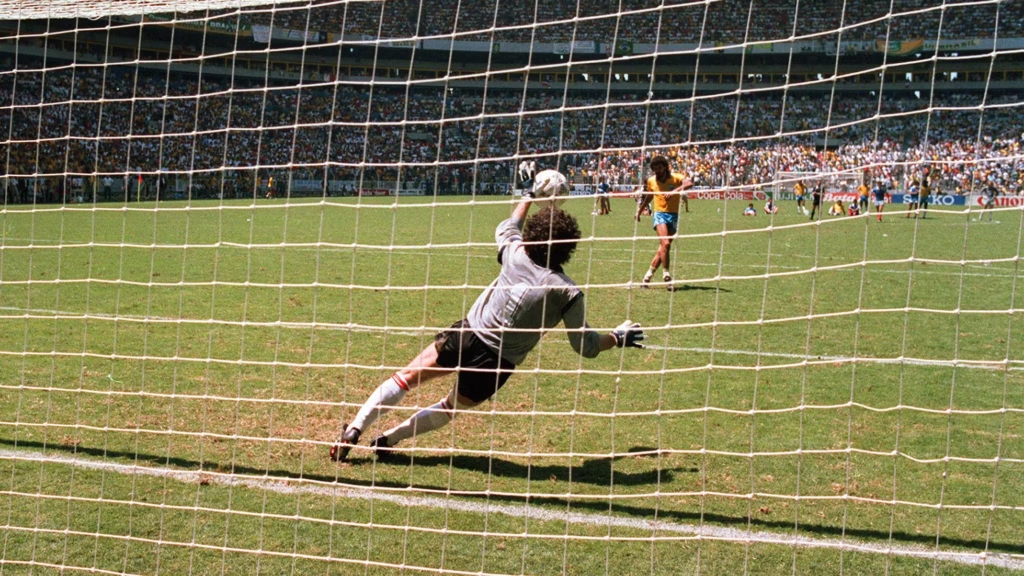
The ball smashed the post, struck goalkeeper Carlos on the head, and bounced in. Bellone later described the moment as “magical.” It was chaotic, lucky, and unforgettable everything that defines a World Cup penalty moment.
Goalkeepers, too, began adapting. Brazilian star Zico famously discussed penalty directions with his goalkeeper immediately after scoring, highlighting the growing awareness that preparation could make the difference.
Italia ’90: A Turning Point
The 1990 World Cup in Italy marked a watershed moment for penalty shootouts. Preparation finally entered the picture.
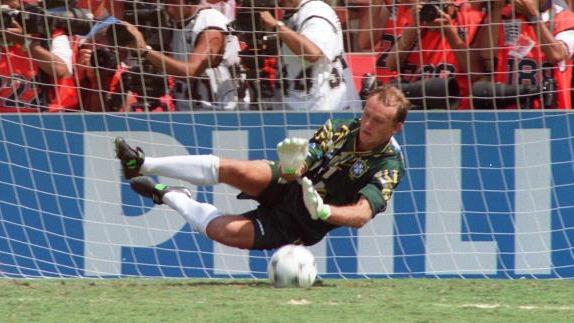
Republic of Ireland goalkeeper Packie Bonner worked with teammate Gerry Peyton to analyze penalty run-ups. They noticed patterns: straight approaches often meant power shots, while angled runs hinted at placement. This simple analysis helped Bonner make one of the most famous saves in World Cup history against Romania.
Ireland’s success showed the world that World Cup penalty shootouts were not just about luck they could be trained for.
Heroes, Villains, and Lasting Memories
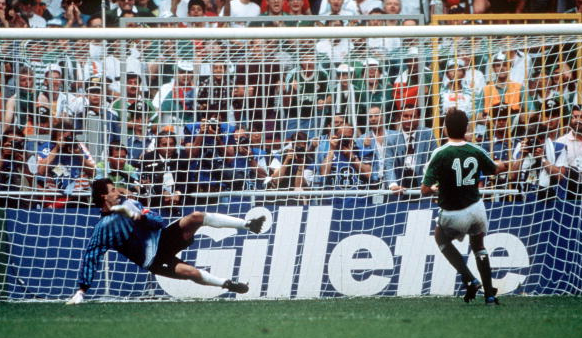
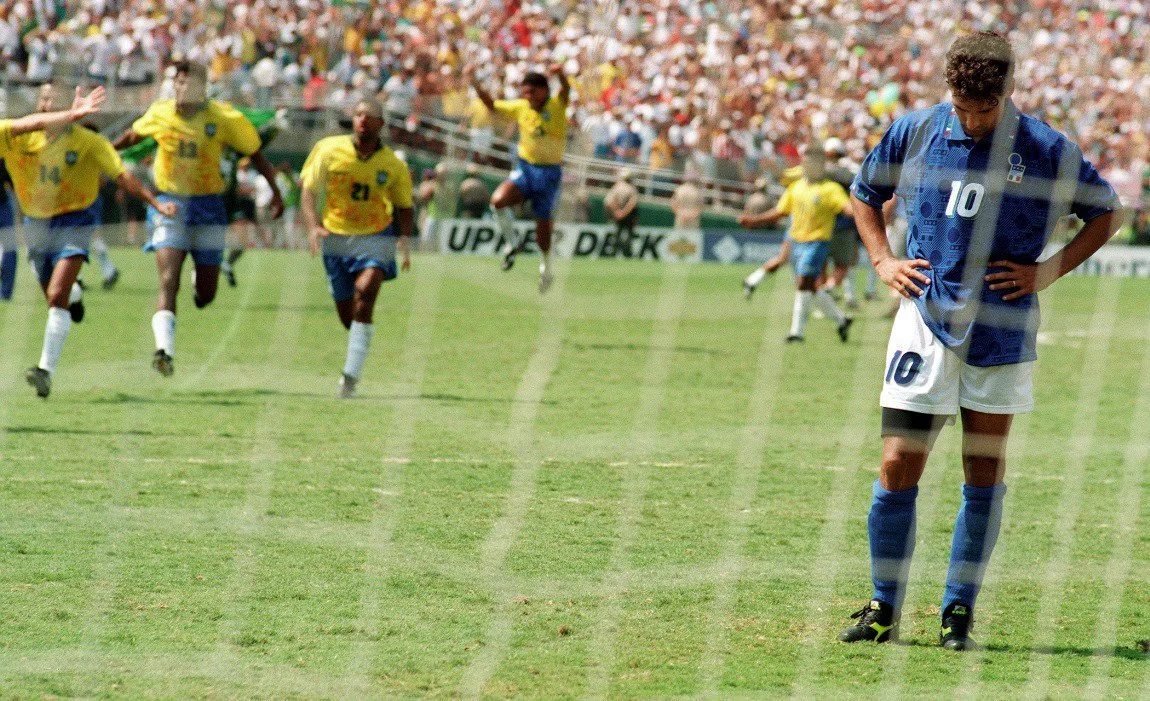
What makes penalty shootouts unforgettable is their emotional aftermath. Winners collapse in tears. Losers sit alone, devastated. Careers are shaped by a single kick.
David O’Leary’s winning penalty for Ireland in 1990 sent the nation into celebration, yet he fell to his knees afterward, overwhelmed by relief. That image perfectly captures the emotional cost of a World Cup penalty moment.
Why Fans Will Never Stop Loving Them
Despite debates about fairness, penalty shootouts remain one of football’s most gripping spectacles. They create instant history, legendary moments, and shared emotional experiences across generations.
In a World Cup full of beautiful goals and tactical brilliance, nothing matches the intensity of a World Cup penalty shootout. It is football reduced to courage, nerve, and belief and that is why it will always matter.