The FIFA World Cup has always reflected the state of global football at a given moment in history. From a modest 13-team competition in 1930 to a truly global spectacle watched by billions, the tournament has evolved alongside the sport itself. Now, with the World Cup 2026 format, FIFA is ushering in the most dramatic transformation the competition has ever seen one that could redefine international football for generations.
Scheduled to take place across the United States, Canada, and Mexico, the 2026 edition will be the largest World Cup in history, both in scale and ambition. With more teams, more matches, and more nations represented than ever before, the tournament marks a clear shift toward inclusivity, commercial growth, and global reach.
From Humble Beginnings to Global Dominance
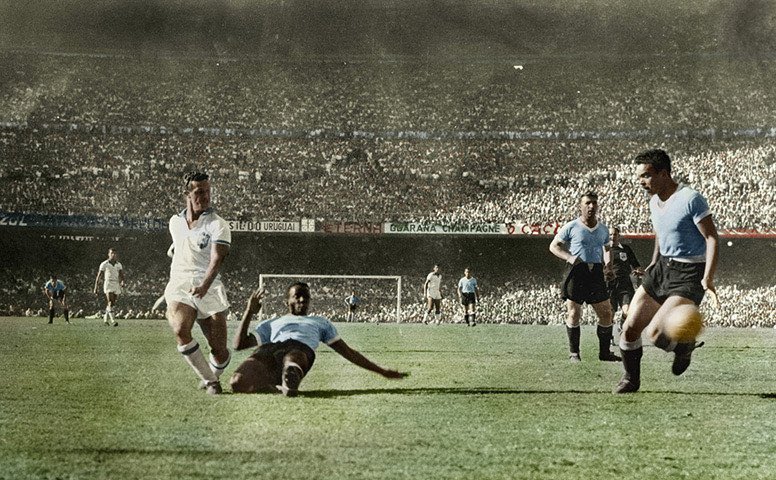
The inaugural FIFA World Cup in 1930 featured just 13 teams, most of them from South America and Europe. Travel limitations and geopolitical challenges meant that participation was limited, and the format was experimental. Over the following decades, FIFA continuously adjusted the structure sometimes successfully, sometimes controversially.
By 1954, a 16-team format had emerged, laying the groundwork for what many consider the golden era of the World Cup. Legends like Pelé, Beckenbauer, and Maradona built their legacies during this period, when the tournament balanced quality with competitiveness.
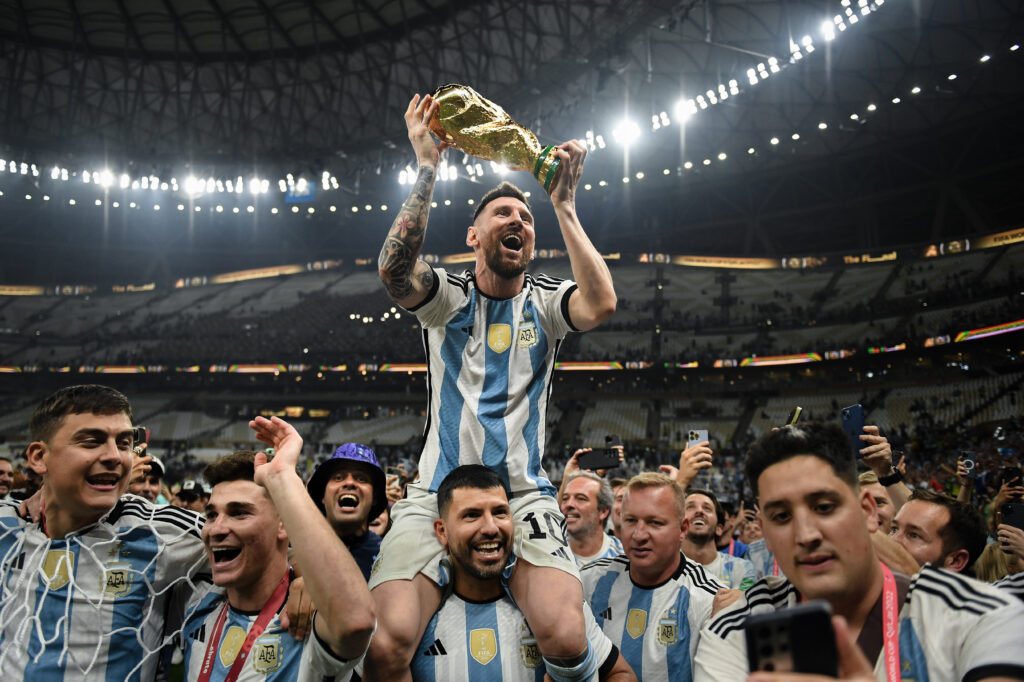
The next major leap came in 1982, when the World Cup expanded to 24 teams, reflecting football’s growing popularity in Africa, Asia, and North America. While the format was imperfect, it helped globalize the game further. Then, in 1998, FIFA introduced the 32-team format, which became the most stable and widely praised version of the tournament, lasting for seven editions through Qatar 2022.
Why the World Cup 2026 Format Is Different
The World Cup 2026 format represents the boldest expansion yet, increasing participation from 32 to 48 teams. This change is not simply about adding more matches; it is about reshaping the competitive landscape of international football.
For the first time, 12 groups of four teams will be used, with the top two teams from each group advancing, along with the eight best third-placed teams, into a newly introduced Round of 32. This means every team must win multiple matches to lift the trophy, preserving competitive integrity while allowing more nations to dream.
In total, the tournament will feature 104 matches, compared to 64 in previous editions. The final will be played after nearly six weeks of football, making it the longest World Cup in history.
More Nations, More Opportunity in World Cup 2026 Format
One of the most exciting aspects of the World Cup 2026 format is the opportunity it creates for new footballing nations. Regions such as Africa, Asia, and CONCACAF will see a significant increase in guaranteed qualification spots. For the first time, Oceania will have an automatic berth, making it highly likely that New Zealand will return to the World Cup stage.
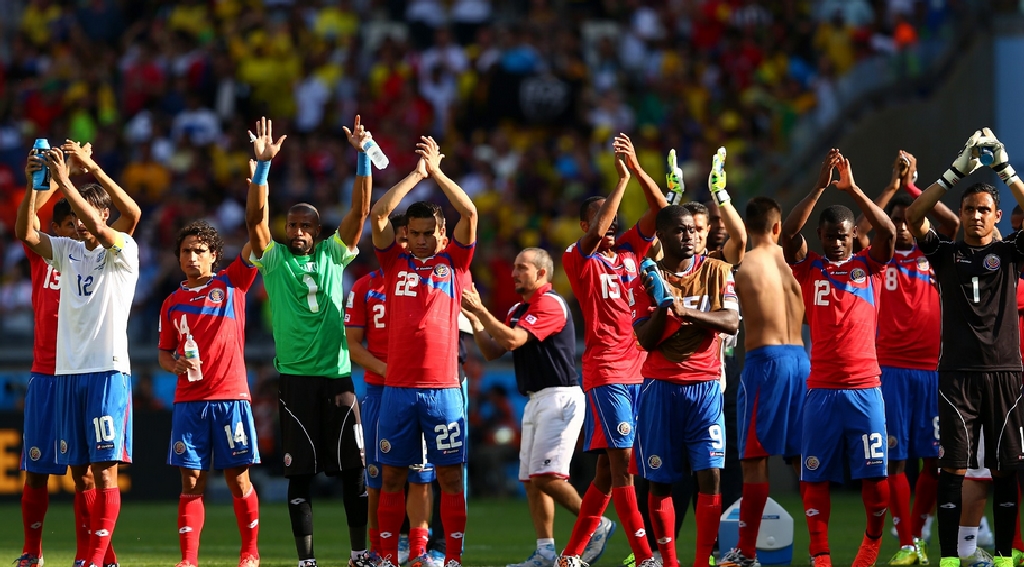
This expansion reflects a simple truth: football is no longer dominated exclusively by Europe and South America. Recent tournaments have shown that teams like Morocco, Japan, and Saudi Arabia can compete with and defeat traditional giants. Giving more nations access to the World Cup accelerates development, investment, and competitiveness worldwide.
The Challenge of Hosting Across Three Countries
Unlike Qatar 2022, where stadiums were located within close proximity, the 2026 World Cup will span four time zones and thousands of kilometers. Teams may travel from Vancouver to Miami or from Mexico City to New Jersey, presenting logistical and physical challenges unseen in modern tournaments.
While this raises concerns about player fatigue and recovery, FIFA has responded with mandatory hydration breaks, improved scheduling, and expanded squad depth. The scale of the event reinforces the idea that the World Cup is no longer a single-host celebration it is a continental, and truly global, festival.
Commercial Growth vs. Football Purity
Critics argue that the World Cup 2026 format prioritizes revenue over quality. More teams mean more games, more broadcasting rights, and more sponsorship opportunities. While this criticism holds some truth, history suggests that expansion does not necessarily dilute competition.
In fact, many of the most memorable World Cup moments have come from underdogs upsetting giants. The expanded format increases the likelihood of such moments while maintaining knockout-stage intensity through the Round of 32.
A Defining Moment for the Future
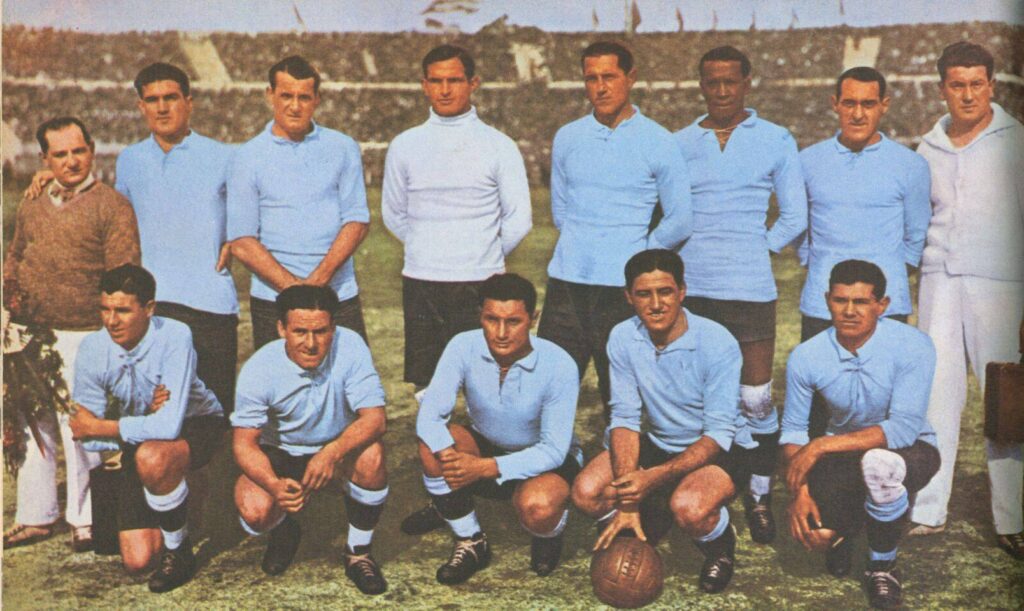
The World Cup has never been static. Every major change from group stages to penalty shootouts was once controversial. The World Cup 2026 format may face skepticism today, but it has the potential to redefine what success looks like on the international stage.
For fans, it means more matches, more stories, and more nations to support. For players, it represents a broader pathway to football’s biggest stage. And for FIFA, it is a statement that the World Cup belongs to the world not just a select few.
As kickoff approaches, one thing is certain: World Cup 2026 will not just be bigger it will be different.