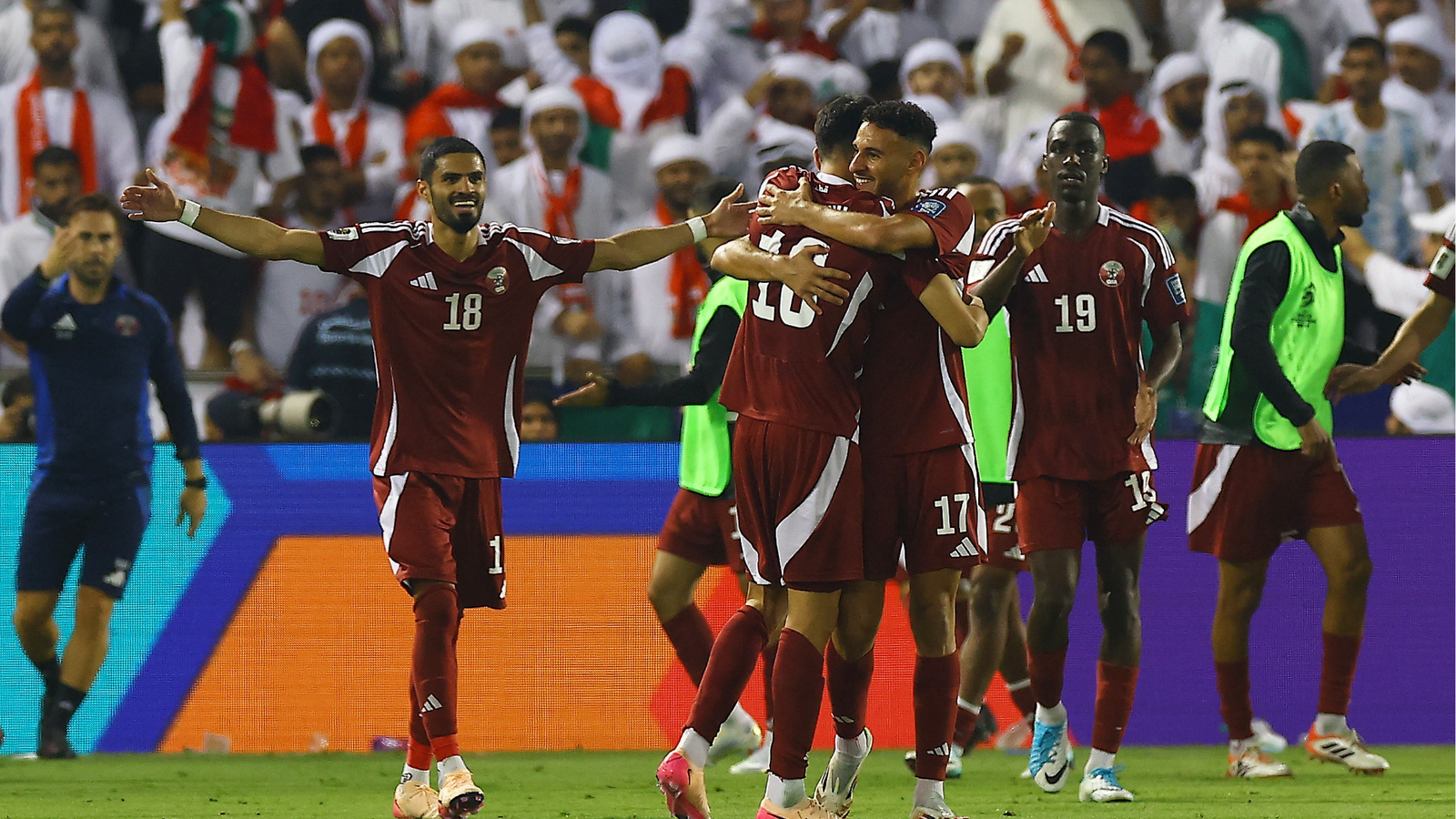
The Qatar vs Switzerland World Cup 2026 opener in Group B brings a clear contrast in form, structure, and international experience. Switzerland enter as strong favorites based on consistent European tournament performances, while Qatar aim to rebuild credibility after a difficult 2022 campaign.
Played at the San Francisco Bay Area Stadium (Levi’s Stadium, Santa Clara), this fixture is widely viewed as a tactical matchup between a disciplined European side and a compact, counter-focused Asian champion.Switzerland’s unbeaten qualifying run and defensive stability make them one of the most reliable sides in the tournament format. Qatar rely heavily on transition play and individual brilliance from Akram Afif and Almoez Ali.
Match Overview: Qatar vs Switzerland Key Context
Qatar enter the 2026 World Cup with mixed recent form. Their qualifying path included inconsistency, but also signs of resilience through key wins in Asia. However, their attacking output has remained limited in high-level friendlies.
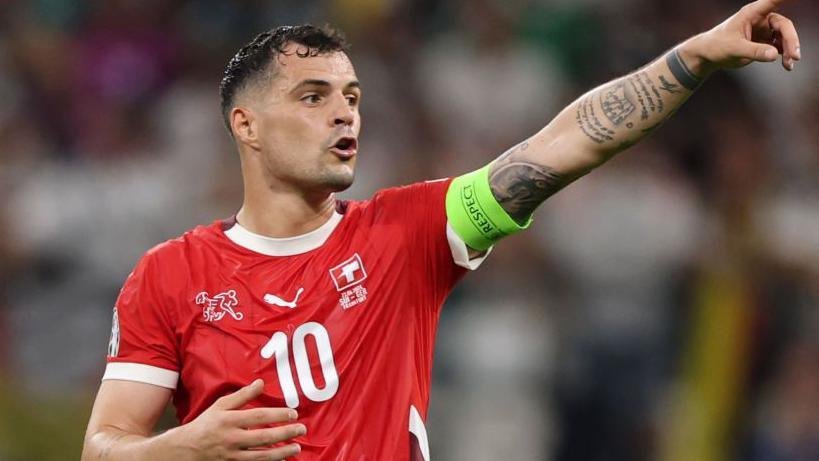
Switzerland arrive in significantly stronger condition. They have lost only a handful of matches across recent international cycles and consistently reach knockout stages in major tournaments. Their defensive structure, built around Manuel Akanji and supported by goalkeeper Gregor Kobel, remains one of the most stable units in world football.
Key storyline:
- Qatar: defensive organization + counterattacks
- Switzerland: possession control + structured attacking build-up
Recent Form Guide
Qatar Recent Matches
Qatar’s recent form has been inconsistent with limited scoring output.
- Lost to Tunisia 0-3
- Lost to Ireland 0-1
- Lost to Palestine 0-1
- Beat UAE 2-1
- Drew Syria 1-1
- Lost to Uzbekistan 0-3
Trend: Low scoring + defensive instability under pressure
Switzerland Recent Matches
Switzerland show stronger consistency against European opposition.
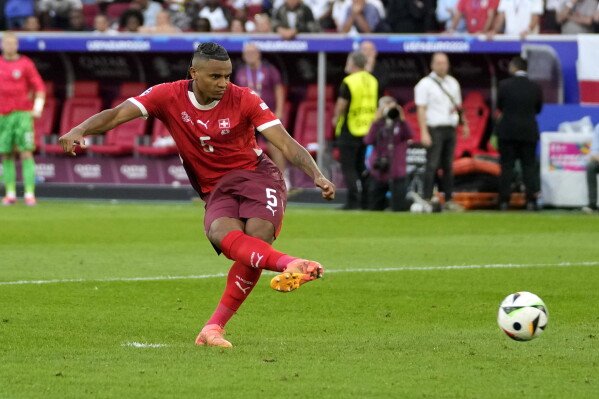
- Draw vs Australia 1-1
- Win vs Jordan 4-1
- Draw vs Slovenia 0-0
- Win vs Sweden 2-0
- Win vs Slovenia 3-0
- Draw vs Kosovo 1-1
Trend: Structured play, strong defensive record, controlled wins
Head-to-Head Record
There is minimal competitive history between the two teams. Their only notable meeting came in a 2018 friendly where Qatar won narrowly. However, squad evolution since then makes that result largely irrelevant. Modern context strongly favors Switzerland due to:
- European club experience
- Higher tactical discipline
- Stronger midfield control
Predicted Lineups: Qatar vs Switzerland
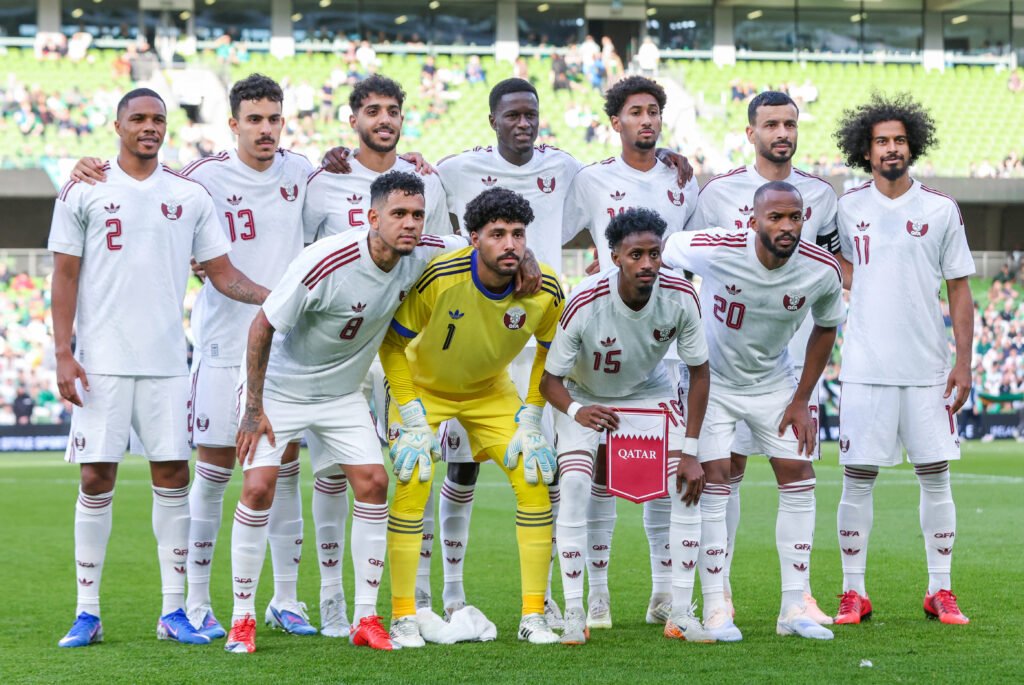
Qatar Predicted XI (4-3-3)
Abunada; Al-Oui, Pedro Miguel, Boualem Khoukhi, Homam Ahmed; Fathy, Gaber, Boudiaf; Edmilson Junior, Almoez Ali, Akram Afif
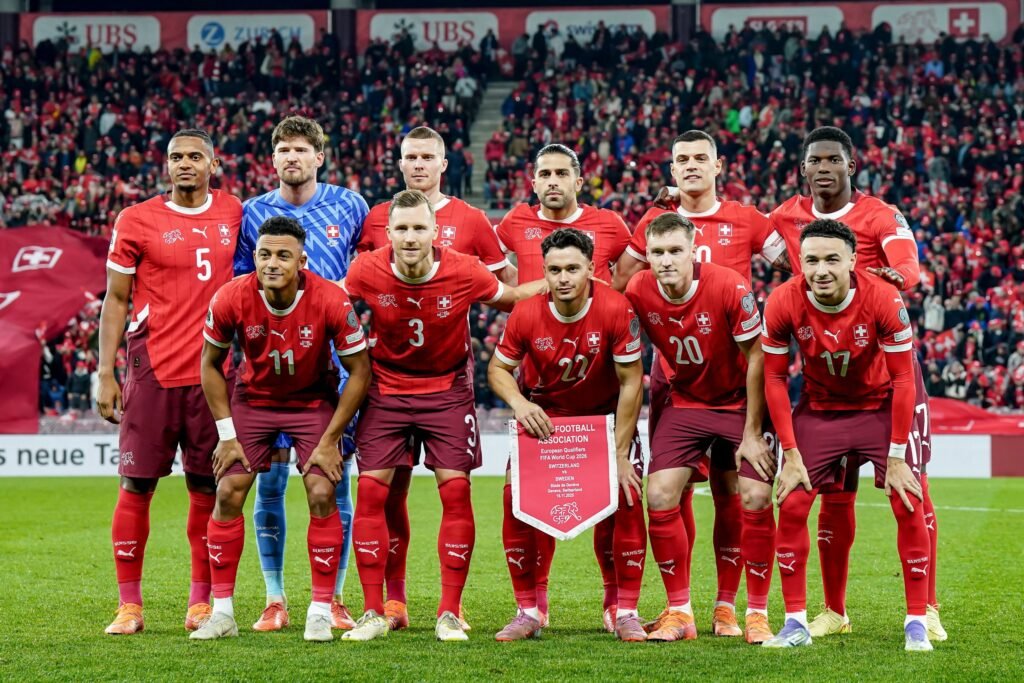
Switzerland Predicted XI (4-2-3-1)
Kobel; Widmer, Akanji, Elvedi, Rodriguez; Xhaka, Freuler; Ndoye, Rieder, Vargas; Embolo
Tactical Setup Insight
- Qatar: compact mid-block, quick transitions through Afif
- Switzerland: possession dominance through Xhaka, width from Ndoye and Vargas
Key Players to Watch
Akram Afif (Qatar)
Qatar’s most influential attacker. His dribbling and creativity are the primary source of chance creation. If Qatar score, he is likely involved.
Almoez Ali (Qatar)
Main striker with strong finishing ability in Asian competitions. Needs service to be effective.
Granit Xhaka (Switzerland)
Midfield controller. Dictates tempo, switches play, and controls rhythm of possession.
Breel Embolo (Switzerland)
Physical striker capable of holding up play and finishing chances inside the box.
Dan Ndoye (Switzerland)
Direct winger, dangerous in transition, and one of Switzerland’s most consistent attacking threats.
Betting Odds: Qatar vs Switzerland
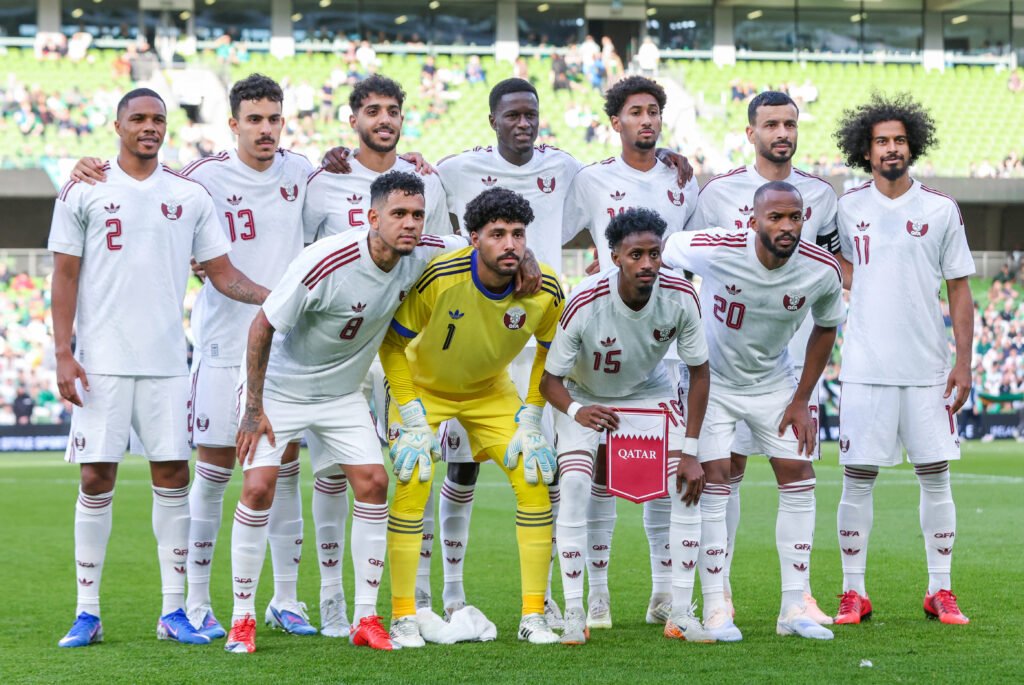
Market expectations heavily favor Switzerland across global sportsbooks.
Match Winner Odds
- Switzerland Win: 1.25 – 1.35
- Draw: 5.50 – 6.70
- Qatar Win: 9.00 – 13.00
Goals Market
- Over 2.5 Goals: Slightly favored but not dominant
- Under 2.5 Goals: Strong value due to Qatar’s low scoring trend
Both Teams to Score
- Yes: Less likely
- No: Favored by market trends
Correct Score Predictions
- Switzerland 2-0 Qatar (most common projection)
- Switzerland 2-1 Qatar (alternate scenario)
- Switzerland 1-0 Qatar (low-risk tactical match)
Tactical Analysis: Where the Match Will Be Won
1. Midfield Control
Switzerland’s biggest advantage is central midfield control through Xhaka and Freuler. Qatar’s midfield lacks the technical consistency to match European tempo over 90 minutes.
2. Wide Areas
Switzerland’s wide players (Ndoye, Vargas) will stretch Qatar’s defensive shape. This creates space between full-backs and center-backs.
3. Transition Efficiency
Qatar’s only realistic threat comes in transition. Afif breaking into space behind advanced Swiss full-backs is their main attacking route.
4. Defensive Structure
Switzerland’s defensive unit is significantly more stable. Akanji and Elvedi provide aerial dominance and positional discipline.
Statistical Breakdown
Key performance trends entering the match:
- Switzerland: conceding under 1 goal per match in recent cycles
- Qatar: failed to score in multiple recent fixtures
- Switzerland: higher possession average and passing accuracy
- Qatar: higher reliance on counterattacks and low-block defending
- Switzerland: multiple clean sheets in qualifying
These metrics reinforce Switzerland’s control-based dominance.
Expert Prediction
The most consistent analytical outcome across models and betting markets points toward a controlled Switzerland win. Qatar’s defensive approach may limit scoring early, but sustained pressure from Switzerland is expected to break through in the second half.
Predicted Score:
Qatar 0-2 Switzerland
Final Outlook: Qatar vs Switzerland World Cup 2026 Prediction
The Qatar vs Switzerland matchup is structured around a clear quality gap. Switzerland arrive with tournament experience, tactical balance, and consistent defensive reliability. Qatar depend heavily on individual moments from Afif and structured defending to stay competitive. If Switzerland convert early chances, the match could open up. Otherwise, it may remain a controlled, low-tempo European win.
Most likely outcome: Switzerland win with a clean, disciplined performance and minimal risk conceded.