Brazil vs Morocco at the FIFA World Cup 2026 is one of the most compelling group-stage fixtures because it brings together two teams built on different football philosophies but equally dependent on elite individual talent. Brazil enter the tournament carrying the weight of history and expectation, with a squad full of attackers capable of changing games in seconds. Morocco arrive as one of the most tactically disciplined sides in international football, built on unity, structure, and a core of players who have already proven themselves on the world stage.
This match is not simply about systems or formations. It is about players who can bend the game in their favor through moments of brilliance, composure under pressure, and the ability to decide tight contests. In matches of this magnitude, one individual action often separates victory from disappointment.
What makes this fixture especially fascinating is that both teams rely heavily on key figures in decisive positions. Brazil’s attacking line is built around unpredictability and creativity, while Morocco’s strength lies in defensive organization combined with rapid transitions led by technically gifted players. The following breakdown focuses entirely on those individuals who are most likely to shape the outcome of the match. Brazil vs Morocco can decide the group Leader.
Brazil’s Attacking Core: Individual Brilliance in Motion
Brazil’s identity at the 2026 World Cup is once again rooted in attacking flair, but unlike previous generations that relied on structured buildup, this version of the Seleção leans heavily on individual creativity in wide areas. The system is designed to give freedom to players who can beat defenders directly, create space without passing sequences, and generate chances from situations where most teams would recycle possession.
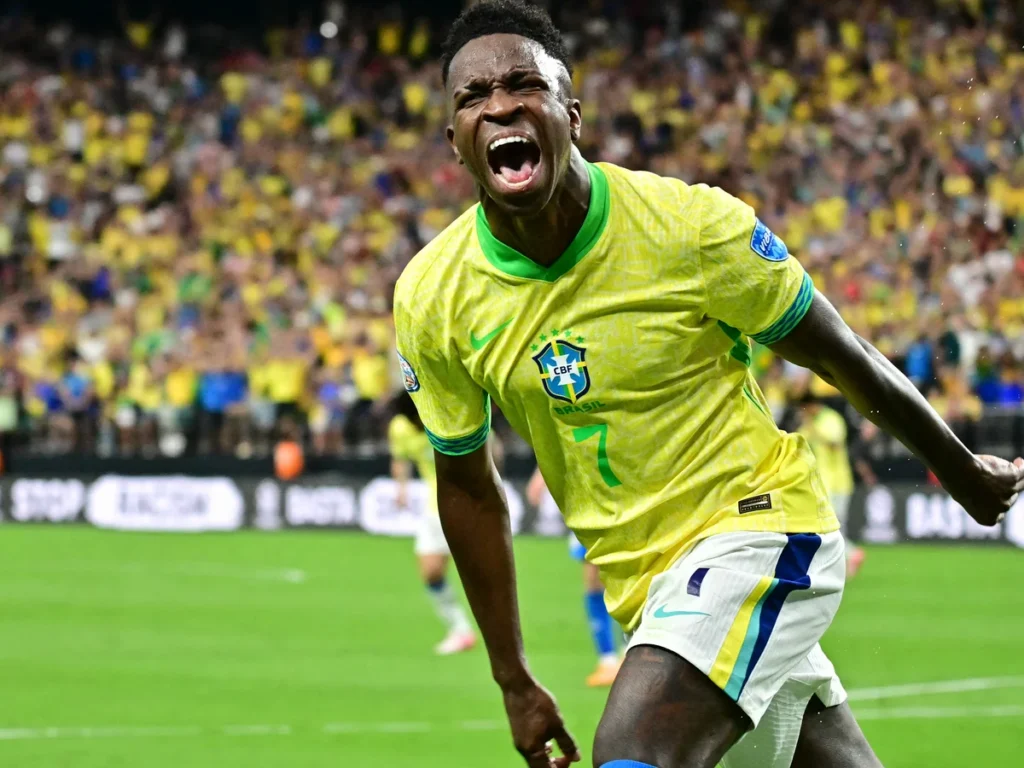
At the center of this attacking philosophy stands Vinícius Júnior. His importance cannot be overstated, not because of reputation alone but because of how directly his skillset disrupts structured defenses like Morocco’s. Vinícius operates best when he is isolated against a defender, and in this match, that responsibility often falls on Morocco’s right side where Achraf Hakimi plays. The contrast between Vinícius’ unpredictable dribbling and Hakimi’s disciplined recovery runs creates one of the most important tactical battles of the entire group stage. Brazil vs Morocco is one of the matches that many people are excited for.
Vinícius’ impact is not limited to dribbling. His improvement in end product over recent seasons means he is now capable of finishing moves he creates himself, rather than relying on support runners. This evolution makes him a constant threat even when Brazil are not dominating possession. Against Morocco, where defensive compactness reduces central space, his ability to operate in tight wide zones becomes Brazil’s most reliable attacking weapon.
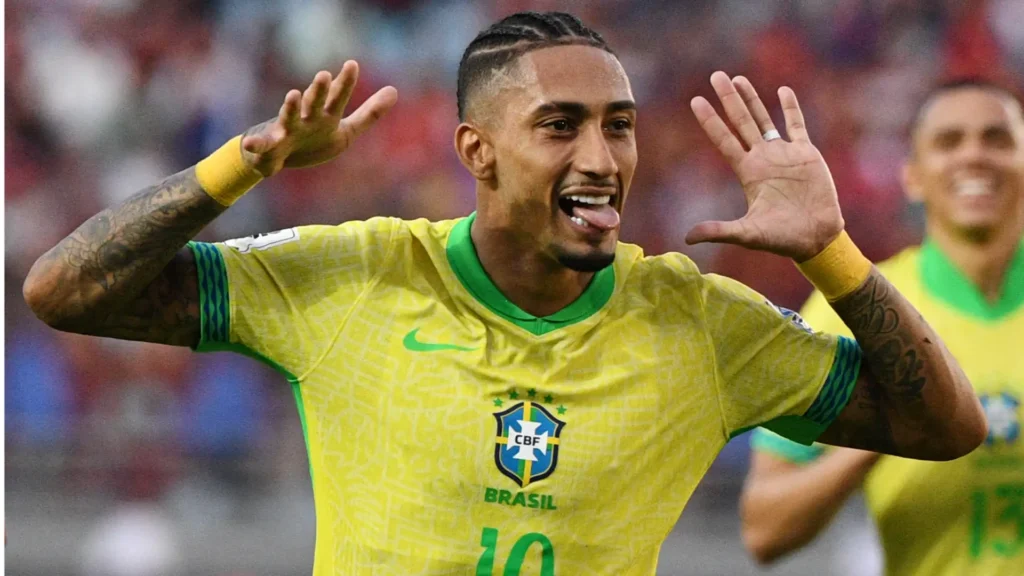
On the opposite flank, Raphinha provides a very different type of threat. While Vinícius relies on chaos and acceleration, Raphinha brings structure and controlled aggression. His role is to maintain width, stretch Morocco’s defensive block, and ensure that Brazil are not overly dependent on one side of the pitch. In matches where defenses overload against Vinícius, Raphinha becomes crucial in exploiting the opposite channel. His ability to deliver early crosses and shoot from distance ensures Brazil always maintain attacking variety.
Neymar’s Influence: Creativity, Experience, and Game Control
Even though Neymar’s role in modern Brazilian football has evolved due to fitness concerns and tactical adjustments, his presence remains one of the most influential factors in any major match he participates in. If he starts or comes off the bench, Neymar changes the rhythm of Brazil’s attack in a way no other player in the squad can replicate.
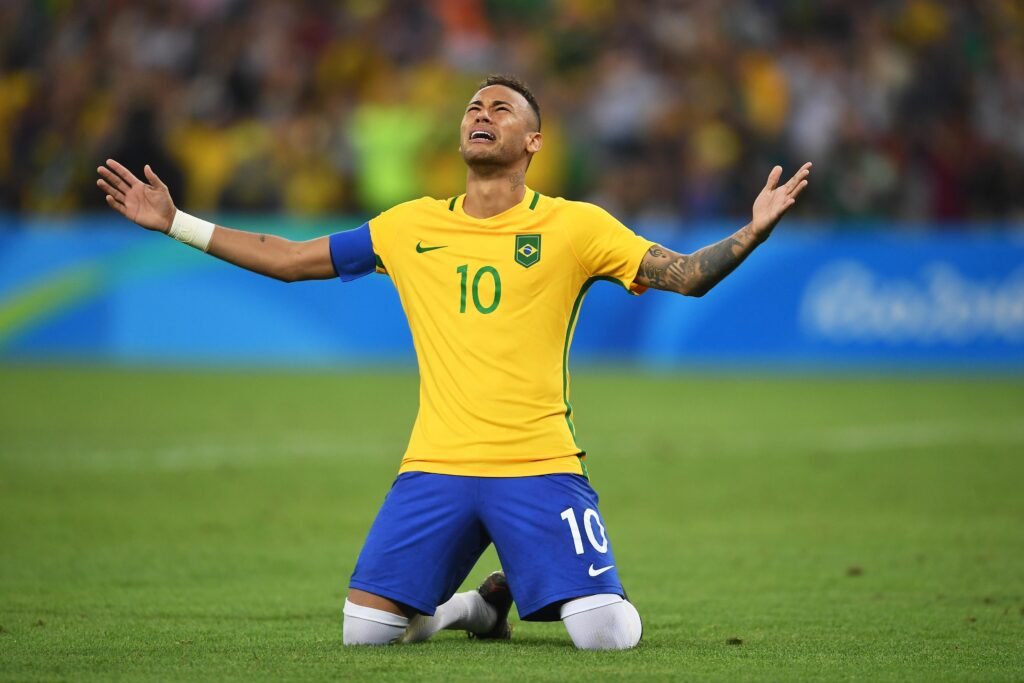
His primary value lies in his ability to operate between lines. Against a team like Morocco, which defends in compact layers, space between midfield and defense is minimal. Neymar thrives precisely in those conditions. His close control, quick directional changes, and ability to draw fouls create breathing space for Brazil when the match becomes congested.
In addition, Neymar provides leadership in attacking decision-making. Brazil’s younger forwards often rely on him to dictate tempo during slower phases of possession. Even if he is not directly involved in goals, his presence increases Brazil’s ability to control emotional and tactical momentum.
Brazil Midfield: The Engine Behind the Attack
While Brazil’s forwards receive most of the attention, their midfield determines whether the team can actually sustain pressure against a disciplined opponent like Morocco. Bruno Guimarães plays a central role in this structure. He is responsible for linking defensive recovery to attacking progression, ensuring Brazil do not become disconnected between lines.
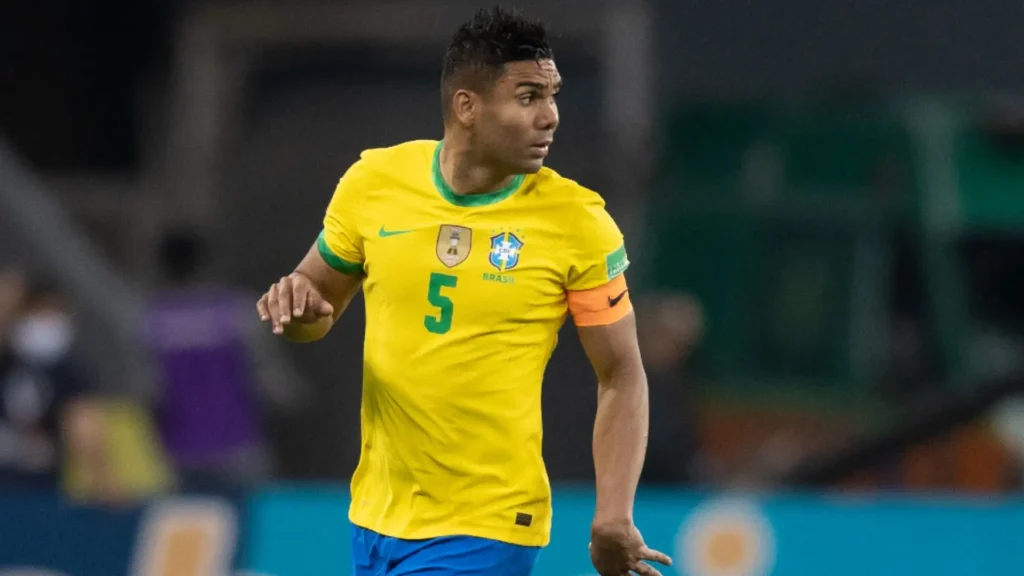
Bruno’s importance becomes clearer when Brazil face compact defensive teams. Morocco will likely block central channels and force Brazil wide. In such situations, Bruno must find vertical passes that break lines rather than recycling possession sideways. His ability to carry the ball forward under pressure also allows Brazil to shift from controlled buildup to sudden acceleration. Brazil vs Morocco result can influence many things.
Alongside him, Casemiro provides the defensive foundation that allows Brazil’s attacking players to take risks. His role is less visible but structurally critical. Against Morocco’s counterattacks, Casemiro becomes the first barrier protecting the back line. His positioning, interception timing, and ability to slow transitions ensure Brazil are not exposed when pushing numbers forward.
Morocco’s Defensive Identity: Structure Built on Elite Individuals
Morocco enter this match with one of the most organized defensive systems in international football, but that system is only effective because of the quality of individuals executing it. At the heart of their structure is Achraf Hakimi, a player whose influence extends far beyond traditional defensive responsibilities.
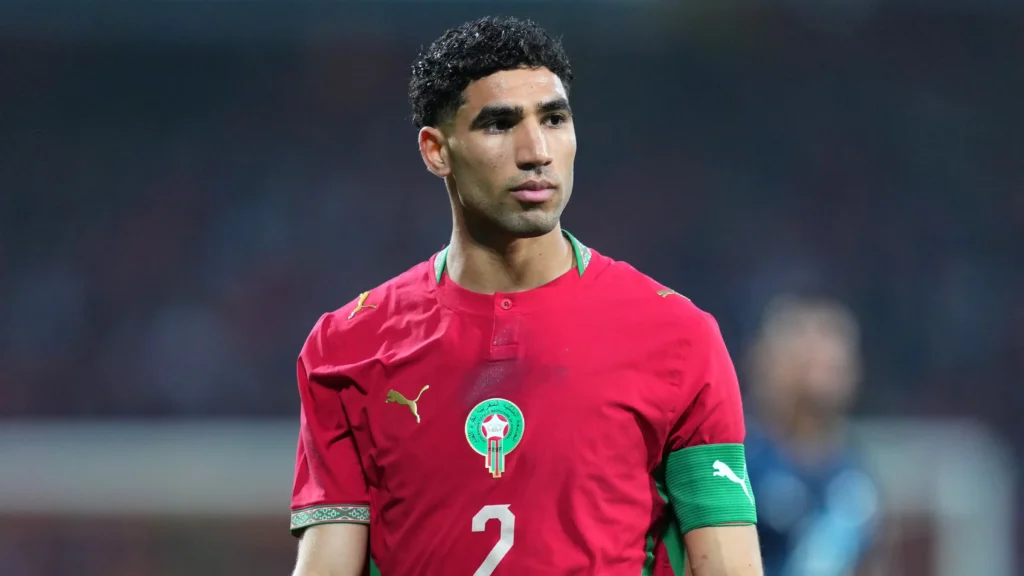
Hakimi is both a right-back and an attacking outlet. His pace allows Morocco to transition from defense to attack in seconds, making him one of their most dangerous weapons. Against Brazil, his role becomes even more complex because he must balance defensive responsibility against Vinícius Júnior with offensive contribution in transition moments. This dual responsibility often determines Morocco’s entire game rhythm.
When Hakimi pushes forward, Morocco gain width and attacking depth. When he stays deeper, they become more defensively stable but lose attacking threat. His decisions during the match will directly influence Morocco’s tactical identity.
Brahim Díaz: Morocco’s Creative Connector
If Morocco are to create chances against Brazil’s defensive structure, Brahim Díaz is the player most likely to unlock them. His game is built on tight-space control and quick combination play, making him ideal for breaking compact midfield setups.
Díaz operates between midfield and attack, where he receives the ball in crowded areas and attempts to progress it through dribbling or short passes. Against Brazil, this space will be heavily contested, particularly by Casemiro and Bruno Guimarães. However, Díaz’s ability to escape pressure through quick movement and close control gives Morocco a creative edge that few teams possess.
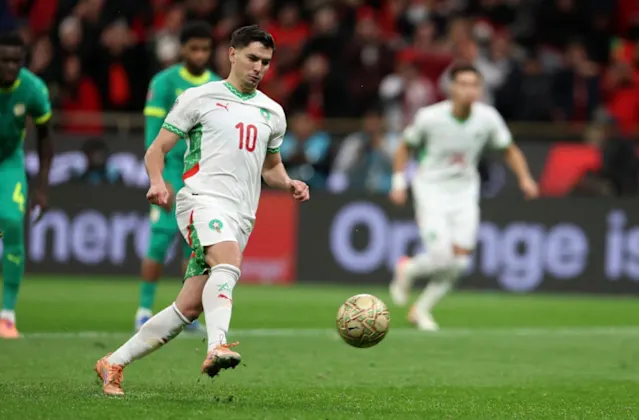
He is not a high-volume shooter or direct scorer, but his role in linking phases of play is essential. Without his involvement, Morocco would struggle to transition from defensive recovery into structured attacking opportunities.
Yassine Bounou: Morocco’s Defensive Backbone
No analysis of Morocco is complete without acknowledging Yassine Bounou, one of the most reliable goalkeepers in international football. His presence provides Morocco with confidence to defend deeper and absorb pressure.
Bounou’s shot-stopping ability is particularly important against a team like Brazil, who generate chances from unpredictable situations rather than structured buildup alone. His reflexes in close-range scenarios and his ability to remain composed under sustained pressure make him a decisive figure in matches where Morocco are under siege.
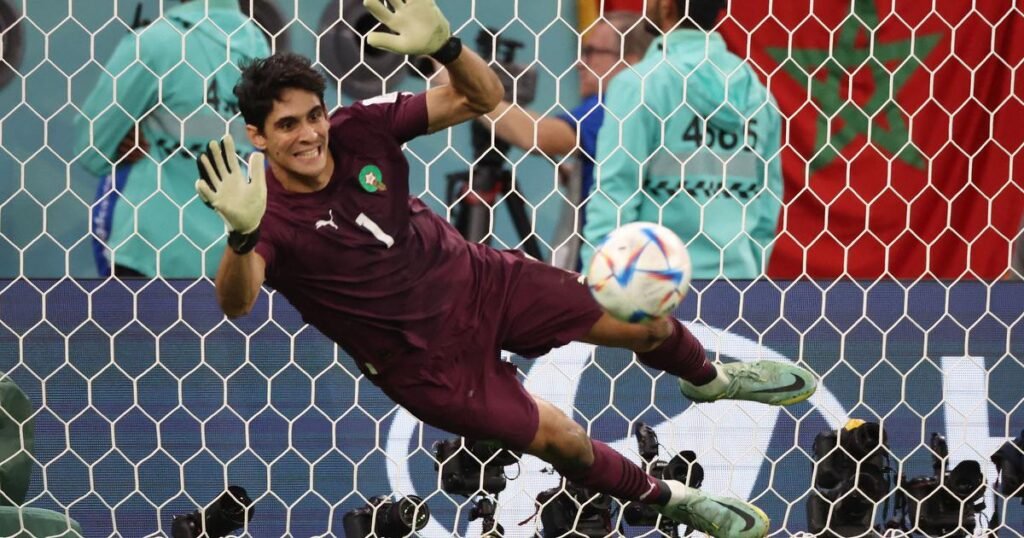
In high-pressure World Cup fixtures, goalkeepers often become the difference between narrow defeat and unexpected results. Bounou’s experience in elite competitions ensures Morocco remain competitive even when Brazil dominate possession phases.
Aguerd and Defensive Stability
Nayef Aguerd provides structural leadership in Morocco’s back line. His role is to organize defensive spacing, win aerial duels, and ensure Brazil do not find central penetration easily. Against Brazil’s dynamic forwards, positioning becomes more important than aggression, and Aguerd’s reading of the game is crucial in maintaining defensive discipline.
Key Player Battles That Define the Match
The most decisive aspect of this fixture lies in individual duels across the pitch. Vinícius Júnior against Achraf Hakimi is the standout battle, combining explosive pace, technical dribbling, and defensive recovery speed. This matchup alone could determine which team controls wide attacking zones.
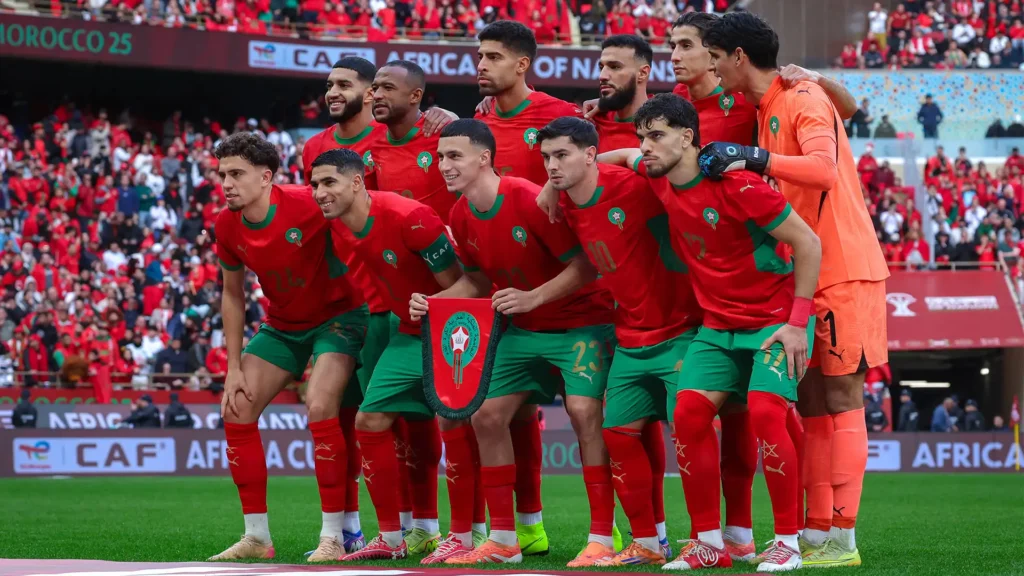
In midfield, Bruno Guimarães against Morocco’s compact block defines Brazil’s ability to progress centrally. If Morocco successfully limit his passing lanes, Brazil may be forced into predictable wide attacks. Meanwhile, Brahim Díaz’s duel with Casemiro represents Morocco’s creative survival. If Díaz is neutralized, Morocco lose much of their attacking connection.
Conclusion: A Match Decided by Stars, Not Systems
Brazil vs Morocco is ultimately a contest shaped by individual brilliance rather than tactical theory. Brazil rely on Vinícius Júnior, Neymar, and Bruno Guimarães to create attacking chaos and break defensive structures. Morocco depend on Hakimi, Díaz, and Bounou to maintain balance, generate transitions, and resist pressure.
In matches of this level, systems only create the platform. Players decide the outcome. The team whose key individuals perform at their peak under World Cup pressure will control not just the match, but potentially the direction of their entire tournament campaign.