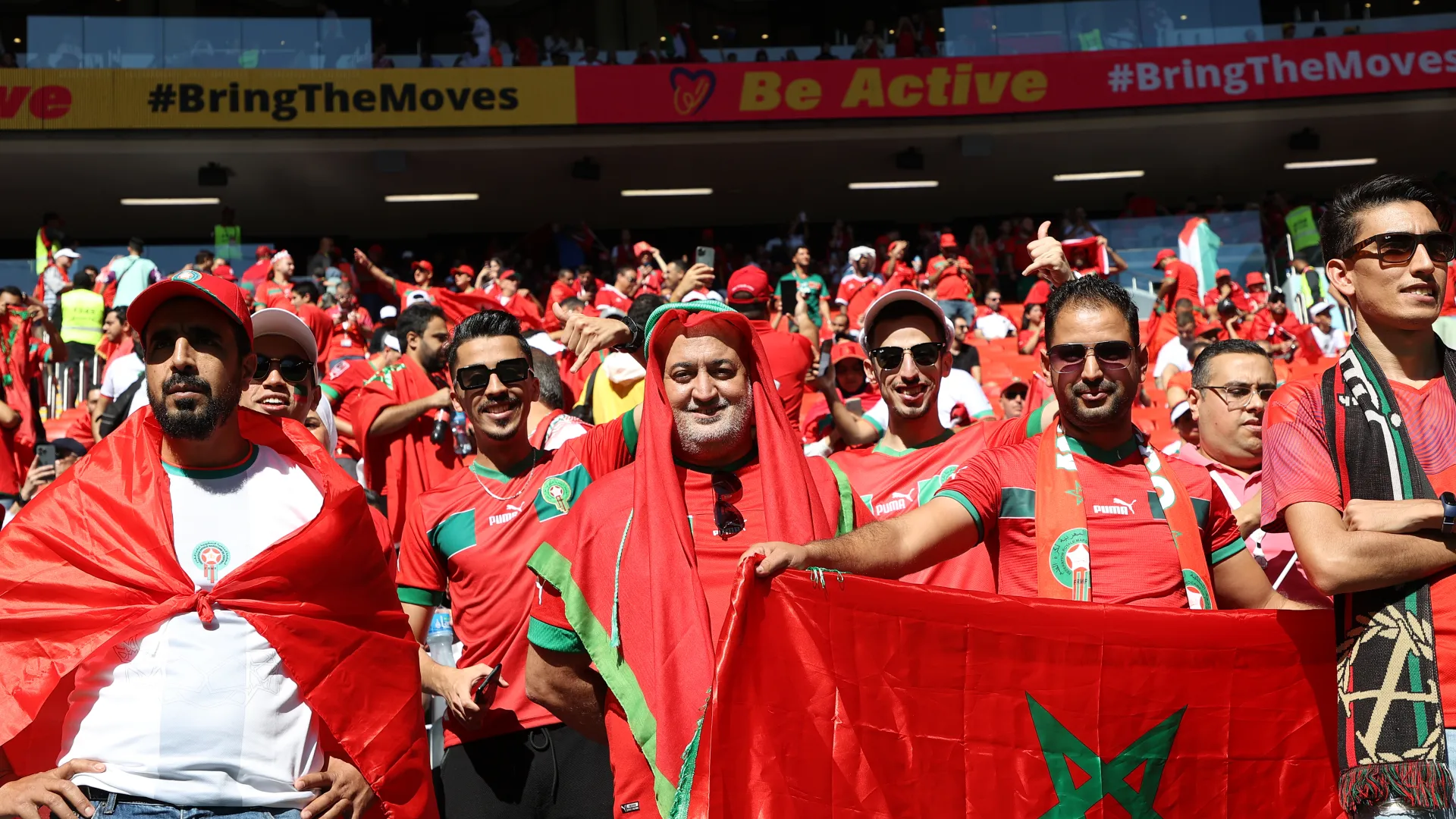
The African Nations World Cup story is entering a historic new chapter in 2026. For the first time in FIFA World Cup history, Africa will send nine guaranteed teams to the global tournament, with the possibility of a tenth through the intercontinental play-offs. Hosted across the United States, Canada, and Mexico, the 2026 FIFA World Cup represents far more than an expanded competition it is a golden opportunity for African football to thrive on an unprecedented scale.
From increased representation and improved tournament structure to deeper squads and global exposure, African nations are better positioned than ever to benefit from the 2026 World Cup.
More African Nations, More Opportunity
One of the biggest benefits of the 2026 tournament is the expansion from 32 to 48 teams, which has increased Africa’s qualification slots from five to nine. This shift finally reflects the continent’s footballing depth, population, and growing influence in the global game.
Under previous formats, strong African teams were often eliminated due to limited qualification places rather than lack of quality. Now, nations such as Cape Verde, South Africa, and Tunisia have earned deserved places alongside traditional powers like Senegal, Egypt, Morocco, and Ghana.
This wider representation strengthens African football as a whole by:
- Allowing more teams to gain elite tournament experience
- Increasing competitive balance within CAF
- Encouraging long-term investment in football development
The African Nations World Cup presence has never been stronger.
A Tournament Format That Favors African Teams
The 2026 FIFA World Cup will feature 12 groups of four teams, with multiple routes to the knockout stages. This format works especially well for African nations.
Firstly, FIFA’s geographic rules ensure that no two African teams can face each other in the group stage, preventing early eliminations within the continent. Secondly, the possibility of progressing as one of the best third-placed teams reduces pressure and allows teams to recover from early setbacks.
African teams traditionally excel in:
- High-intensity matches
- Physical and tactical adaptability
- Tournament football environments
With more room for progression, African sides can build momentum as the competition unfolds.
Deeper Squads and European Experience
Modern African national teams are far more balanced and experienced than in previous generations. Many squads now feature players competing regularly in Europe’s top leagues, providing tactical intelligence, professionalism, and mental resilience.
Key African stars are supported by strong supporting casts, meaning teams are no longer overly reliant on one or two players. This squad depth is crucial in a tournament as demanding as the World Cup, where injuries, suspensions, and fatigue are unavoidable.
The result is African teams that can rotate effectively while maintaining quality a major advantage in the expanded format.
North American Conditions Level the Playing Field
Unlike past World Cups held in extreme heat or unfamiliar conditions, the 2026 tournament will be staged in modern stadiums with excellent infrastructure across North America.
Many African players already play club football in:
- Europe
- Major League Soccer (MLS)
- Other high-standard international leagues
They are accustomed to long-distance travel, high-altitude matches, and varied climates. This familiarity minimizes off-field disadvantages and ensures matches are decided by footballing quality rather than environmental challenges.
For African nations, this creates a fairer and more competitive setting.
Global Exposure and Economic Growth
The 2026 FIFA World Cup is expected to be the most-watched sporting event in history, offering African nations unprecedented global visibility.
This exposure brings significant benefits:
- Increased transfer opportunities for African players
- Higher sponsorship and commercial revenue for federations
- Greater media attention for African football
Young talents from nations like Ghana, Ivory Coast, and Cape Verde will have the chance to showcase themselves on the world stage, accelerating career growth and strengthening domestic football systems.
The African Nations World Cup presence will resonate far beyond the tournament itself.
Morocco’s 2022 Run Changed Everything
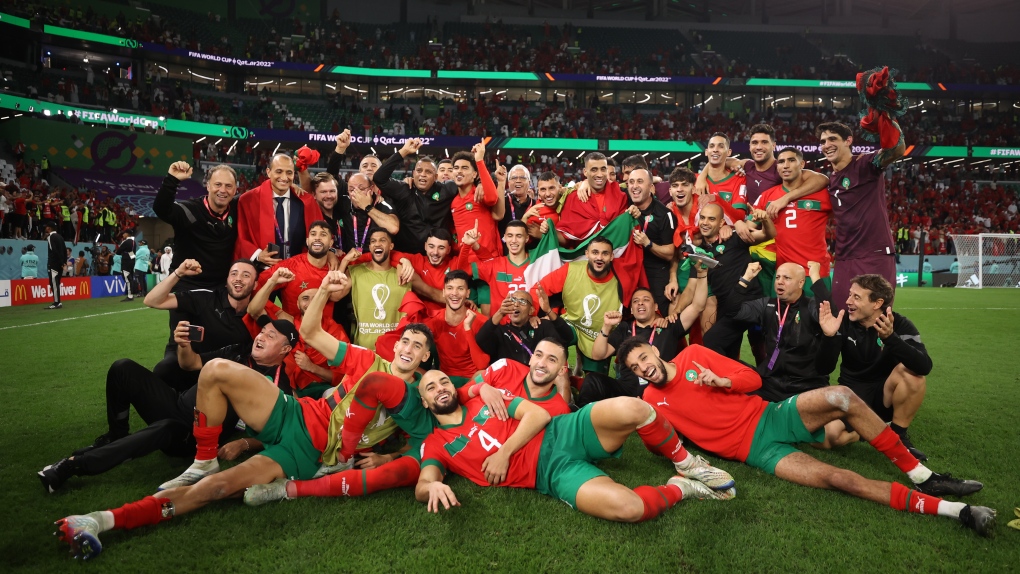
Africa’s belief heading into 2026 is shaped by Morocco’s historic achievement at the 2022 World Cup, where they became the first African nation to reach the semi-finals.
That success reshaped global perceptions. African teams are no longer viewed as underdogs, but as organized, tactically mature sides capable of competing with football’s elite.
This psychological shift is critical. Confidence, expectation, and belief can define tournament success, and African nations now enter World Cup 2026 knowing that deep runs are achievable.
Long-Term Impact on African Football Development
The benefits of World Cup participation extend far beyond the final whistle. Qualification drives:
- Youth football investment
- Coaching education improvements
- Infrastructure development
- Government and private-sector support
For emerging football nations, qualification alone can transform national football culture. For established teams, consistent appearances build sustainable success and global respect.
The African Nations World Cup journey in 2026 will shape the continent’s football future for decades.
A Real Chance for an African Breakthrough
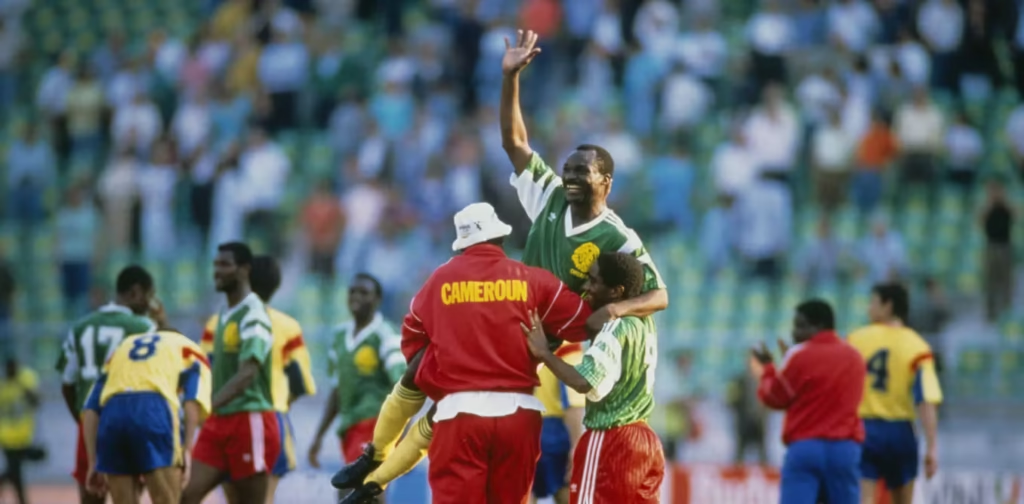
With expanded slots, favorable formats, deeper squads, and growing confidence, World Cup 2026 could mark Africa’s biggest breakthrough yet.
Whether through Senegal’s physical dominance, Morocco’s tactical discipline, Egypt’s star power, or Ghana’s youthful resurgence, African teams have the tools to go further than ever before.
The African Nations World Cup moment has arrived not as a dream, but as a genuine opportunity.
Conclusion
The 2026 FIFA World Cup represents a defining moment for African football. Expanded representation, improved conditions, and rising global respect combine to create the most promising platform Africa has ever had on the world stage.
For African nations, this is not just participation.
It is progress, presence, and possibility.