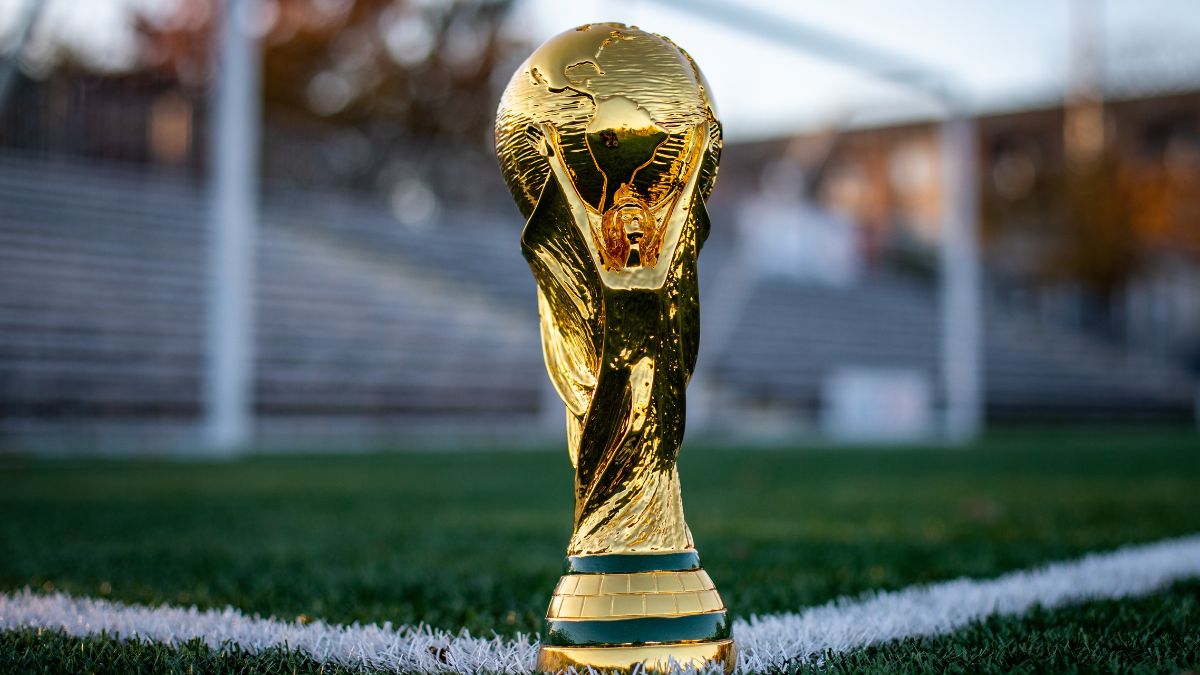
The football world is counting down to the 2026 FIFA World Cup, but key decisions about the future are already taking shape. One topic is drawing growing attention: the 2030 World Cup Final. As FIFA prepares a historic centenary tournament, Spain has emerged as the leading candidate to host football’s biggest match.
The 2030 World Cup will celebrate 100 years since the first tournament in Uruguay. To mark this milestone, FIFA plans a unique format across six countries and three continents. While the opening matches will honor football’s roots in South America, the spotlight remains firmly on the 2030 World Cup Final.
A Unique World Cup to Mark 100 Years
FIFA designed the 2030 World Cup to reflect the sport’s long history. Uruguay, Argentina, and Paraguay will host opening-stage matches to honor the 1930 tournament. After that, the competition will move to its main hosts: Spain, Portugal, and Morocco.
With the opening matches likely taking place outside Europe and Africa, attention has shifted to the final. Hosting the 2030 World Cup Final brings global exposure, prestige, and long-term influence. For that reason, Spain, Portugal, and Morocco all want the honor.
Spain Moves Ahead in the 2030 World Cup Final Race
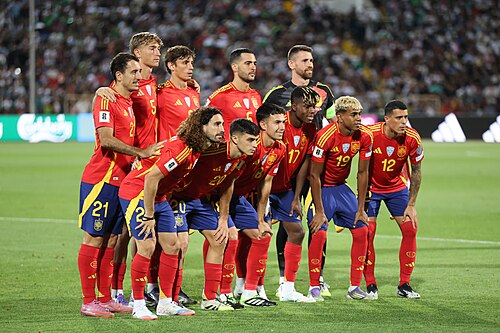
Spain gained a major boost after comments from Rafael Louzán, president of the Royal Spanish Football Federation. Speaking at a sports media event in Madrid, he said Spain would lead the tournament and host the 2030 World Cup Final.
Although FIFA has not made an official announcement, Louzán’s remarks sent a clear message. Spain believes it holds the strongest position among the host nations. In past tournaments, FIFA often confirmed final venues close to kickoff. Still, early signals usually matter.
Two Stadiums Ready for the 2030 World Cup Final
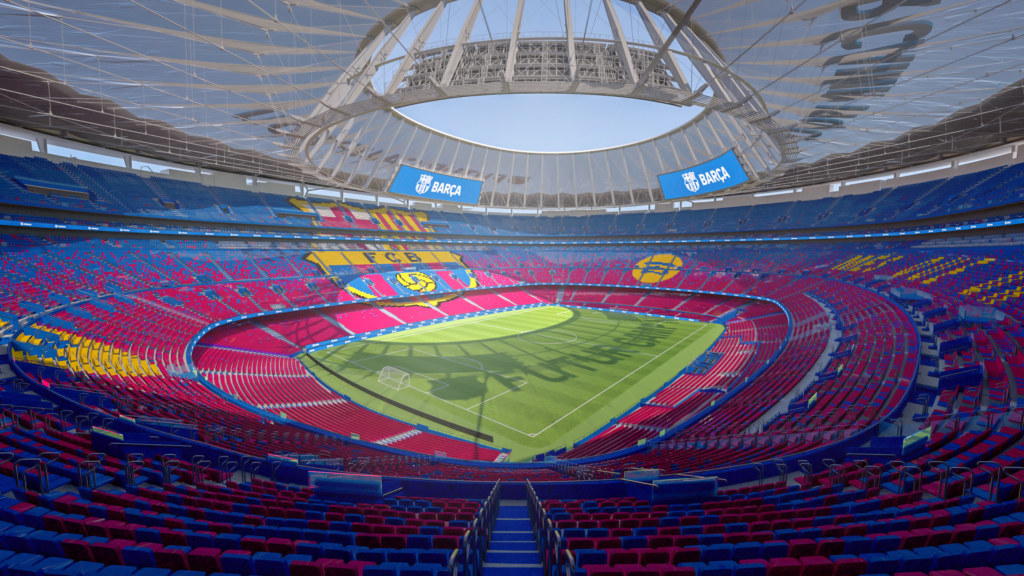
If Spain hosts the 2030 World Cup Final, the match will likely take place in Madrid or Barcelona. The leading options are the Santiago Bernabéu and Camp Nou.
The Santiago Bernabéu completed major renovations in 2024. The stadium now offers modern technology, a retractable roof, and seating for around 83,000 fans. It already hosts major international events and meets FIFA’s top standards.
Camp Nou is also undergoing a full redevelopment. Once complete, it will hold about 105,000 spectators. That size would make it one of the largest stadiums in Europe. Its history and global reputation add to its appeal for the 2030 World Cup Final.
The choice is not simple. Madrid and Barcelona represent two powerful centers of Spanish football. Either venue would provide a world-class stage.
Morocco’s Strong but Challenging Bid
Morocco continues to push hard to host the 2030 World Cup Final. The country is building the Grand Stade Hassan II near Casablanca. The stadium is expected to seat up to 115,000 fans, which would make it one of the largest in the world.
Morocco has invested heavily in infrastructure. These projects include new rail links and a high-speed train line to the stadium. The design also reflects Moroccan culture, which adds symbolic value.
However, concerns remain. Recent crowd and organizational issues during the Africa Cup of Nations raised questions. FIFA may view experience and consistency as key factors when choosing the 2030 World Cup Final venue.
Spain’s Experience Gives It an Edge
Spain has a proven record of hosting major football events. The country staged the World Cup in 1982, with the final played at the Santiago Bernabéu. Since then, Spain has hosted Champions League finals, European tournaments, and international matches without major issues.
This experience matters. FIFA often favors hosts that show reliability, strong security planning, and smooth event delivery. These strengths support Spain’s case to host the 2030 Final.
FIFA Has the Final Say
Despite growing confidence from Spain, FIFA has not confirmed the venue. Officials previously said it was too early to decide. In recent World Cups, FIFA announced final venues about two years before the tournament.
Even so, Spain appears well positioned. Strong infrastructure, modern stadiums, and institutional backing place the country ahead of its rivals.
Conclusion
The 2030 Final will stand as one of the most important matches in football history. It will mark 100 years of the World Cup and attract a global audience.
Spain now leads the race to host that moment. Whether the final takes place at the Santiago Bernabéu or Camp Nou, Spain looks ready to deliver football’s biggest night. As FIFA moves closer to a decision, all signs continue to point toward Spain as the host of the Final.