The idea of a FIFA World Cup boycott is no longer a fringe opinion. As the 2026 World Cup approaches, criticism of the United States as a host nation continues to grow. The tournament will be co-hosted by the U.S., Canada, and Mexico, but most of the matches will take place on American soil. This has raised serious concerns among fans, players, and political leaders worldwide.
The World Cup is meant to unite people across borders. However, many now believe that current political and immigration policies in the U.S. clash with the values FIFA claims to support.
Why Are People Calling for a FIFA World Cup Boycott?
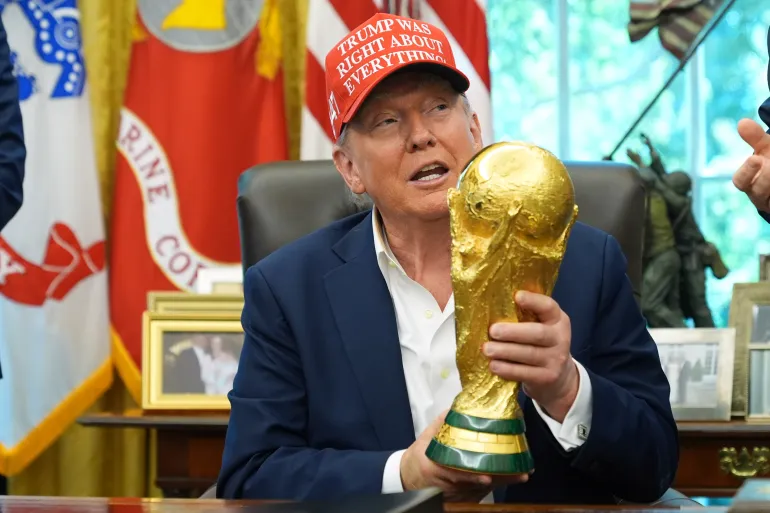
Calls for a FIFA World Cup boycott gained attention after former FIFA president Sepp Blatter urged fans to “stay away from the USA.” He supported comments made by Mark Pieth, a former FIFA ethics official. Pieth warned that the political situation in the United States could put visiting fans at risk.
Critics say the U.S. government has created a climate of fear through strict immigration enforcement. Many fans worry about visa denials, deportations, and heavy surveillance. These fears discourage international supporters from traveling for the tournament.
Immigration Policies Raise Alarm
Immigration concerns sit at the center of the FIFA World Cup boycott debate. The U.S. government has expanded visa checks and increased deportation targets. Officials have also refused to guarantee that immigration agents will not operate near World Cup stadiums.
This uncertainty affects fans from Africa, Asia, and the Middle East the most. Even travelers with valid visas fear sudden detention or questioning. For many, the risk outweighs the excitement of attending matches in person.
Football thrives on global participation. When fans feel unwelcome, the spirit of the tournament suffers.
FIFA’s Relationship With Political Power
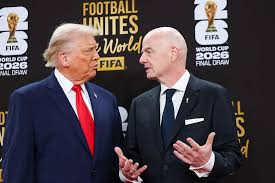
Another reason behind the FIFA World Cup boycott is FIFA’s close relationship with powerful political figures. FIFA president Gianni Infantino has faced criticism for his public support of U.S. President Donald Trump. This includes opening a FIFA office in Trump Tower and awarding Trump a special FIFA peace prize.
Many fans see this relationship as a conflict of interest. They believe FIFA prioritizes political access and profit over fairness and transparency. Public backlash has already appeared, including fans booing political leaders at football events.
European Leaders Speak Out
The FIFA World Cup boycott discussion has reached national governments. Several European lawmakers have suggested that their countries should consider skipping the tournament. Politicians in Germany, France, and the United Kingdom have raised concerns about safety, democracy, and international law.
Some lawmakers compare the situation to Cold War Olympic boycotts. They argue that sports cannot stay neutral when serious political issues exist. While football associations have not committed to a boycott, the debate continues to grow.
Fans Join the Boycott Movement
Fans also play a major role in the FIFA World Cup boycott movement. Online petitions have gathered hundreds of thousands of signatures across Europe. Polls in Germany and the Netherlands show strong public support for boycotting the tournament if political tensions increase.
Many fans feel frustrated by FIFA’s selective approach to human rights. They point out that FIFA allowed the 2022 World Cup in Qatar despite labor abuse allegations. This history has made supporters skeptical of FIFA’s moral leadership.
Can a Boycott Really Work?
Some critics doubt the impact of a FIFA World Cup boycott. Past calls for boycotts often failed to stop tournaments. Every qualified team played in Qatar in 2022 despite global criticism.
However, supporters argue that even partial boycotts matter. Empty seats, reduced tourism, and global protests can damage FIFA’s image. Fan action can also force sponsors and broadcasters to rethink their involvement.
What This Means for the Future of Football
The FIFA World Cup boycott debate shows how deeply politics now shape global sports. Fans no longer accept the idea that football exists outside the real world. They expect accountability from governing bodies like FIFA.
As 2026 approaches, FIFA faces a major challenge. It must reassure fans that the World Cup remains safe, inclusive, and welcoming. If it fails, the boycott movement may continue to grow.
Conclusion
The rising calls for a FIFA World Cup boycott reflect global concerns about politics, human rights, and fairness in football. Whether or not a large-scale boycott happens, the message is clear. Fans want the World Cup to represent unity, not fear or exclusion.
The decisions made now could shape the future of the world’s most popular sport.