The next-Gen midfielders are arriving at the top level of European football, and the 2026/27 season could provide the perfect stage for several young playmakers to take another major step forward.
Next-Gen midfielders are expected to influence almost every part of a match. They must receive possession under pressure, progress the ball, create chances and contribute without the ball. For that reason, the best young midfielders are no longer judged only by goals and assists. Technical quality, decision-making, movement and tactical intelligence now matter just as much.
The 2026/27 campaign is especially interesting because several young players have already shown that they can compete at senior level. Some are established starters at elite clubs, while others are waiting for a bigger opportunity after impressive breakthrough seasons.
Real Madrid’s Arda Güler has already been recognised as the Champions League’s Breakthrough Player for 2025/26. Manchester United have committed Kobbie Mainoo to a new contract until 2031. Meanwhile, Borussia Dortmund’s Samuele Inácio and Bayer Leverkusen’s Kennet Eichhorn are among the Bundesliga’s young midfield talents attracting significant attention. Here are five Next-Gen Midfielders who could make a major impact during the 2026/27 season.
1. Arda Güler: Real Madrid’s creative midfielder ready for a bigger role
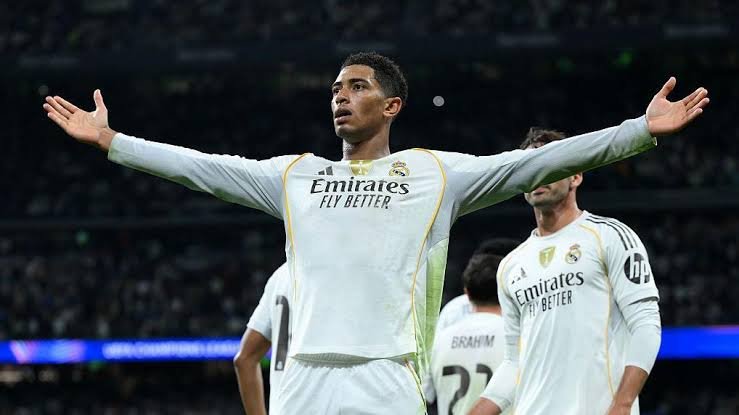
Arda Güler enters the 2026/27 season with a stronger case than ever for regular involvement at Real Madrid. The Turkey international joined Real Madrid from Fenerbahçe in 2023 and has gradually increased his influence within the squad. His technical ability has never been in serious doubt, but consistent opportunities have been the main challenge during his early years in Spain. That situation changed significantly during the 2025/26 campaign.
Güler played 51 matches for Real Madrid across the season, scoring six goals and providing 12 assists. In La Liga, he made 33 appearances and started 25 matches, while producing four goals and eight assists. Those numbers show that his development has moved beyond the occasional flashes of quality seen during his first season.
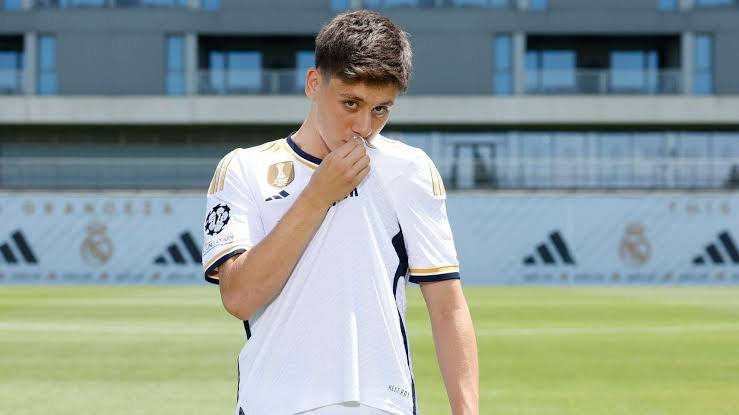
More importantly, Güler has started to look comfortable as a midfielder rather than simply an attacking player operating from the right. His passing range remains one of his biggest strengths. He can play short combinations around the edge of the penalty area, switch the direction of an attack and deliver dangerous passes between defenders.
He also possesses a powerful left foot, which makes him a threat when opponents give him space around the penalty area. However, his most important development may be his ability to influence the game from deeper positions. Güler can drop towards midfield during build-up before moving forward when Real Madrid establish possession. That movement gives him more touches and allows him to use his vision earlier in attacks. His 2025/26 Champions League campaign offered further evidence of his progress.
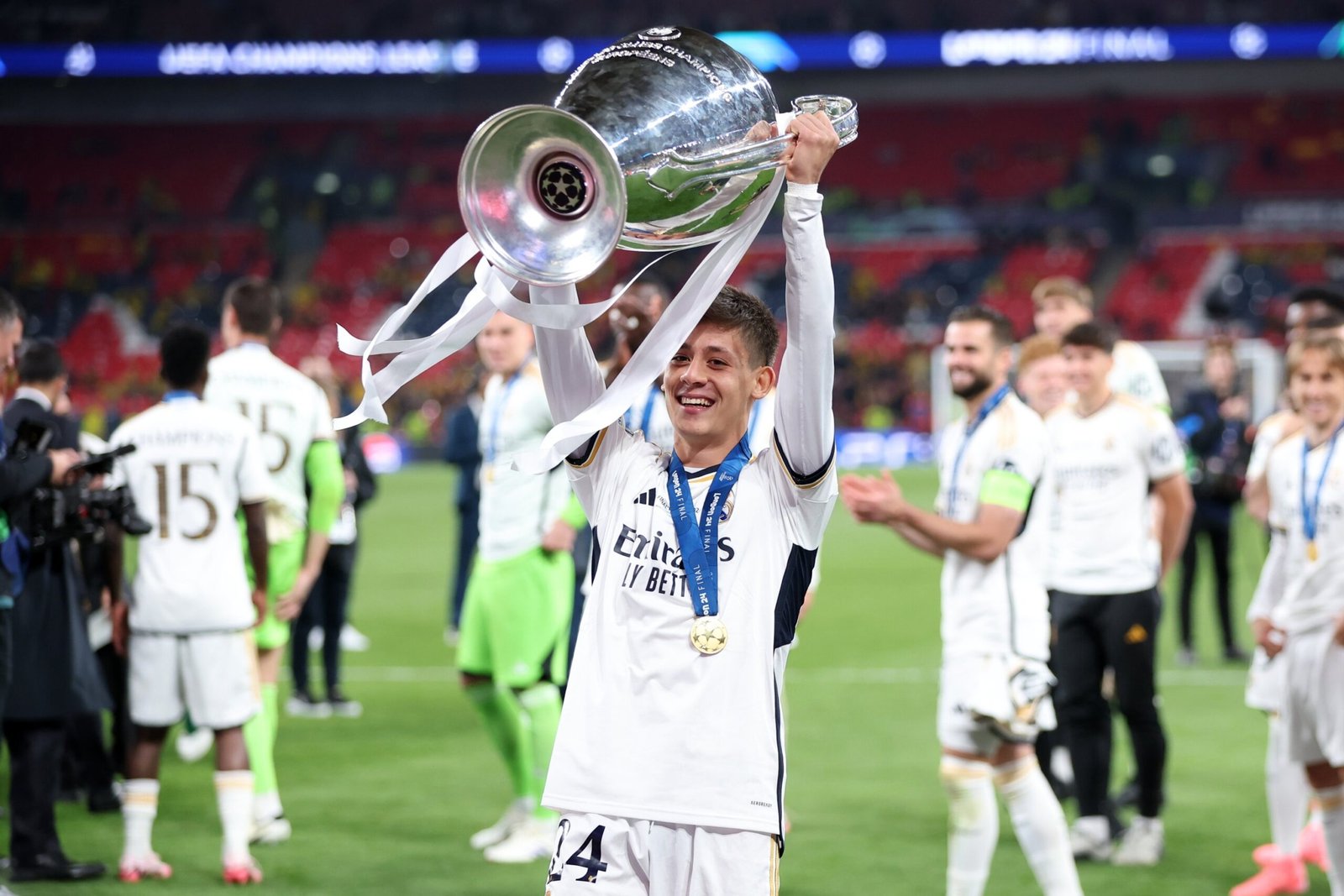
UEFA’s technical observers named him the competition’s Breakthrough Player after he started 13 of Real Madrid’s 14 Champions League matches. He finished the competition with two goals and three assists. That recognition is important because it shows that his progress was not limited to domestic football. Güler also began pre-season under José Mourinho in July 2026 after returning from the World Cup. Real Madrid confirmed that the Turkish midfielder had joined the first training sessions of the new campaign. The challenge now is to turn potential into sustained influence.
Real Madrid have no shortage of attacking talent, so Güler will still face competition for minutes. Nevertheless, his development gives Mourinho another technical option in midfield and the final third. If he continues to receive regular starts, Güler could become one of the defining young playmakers of the 2026/27 season. For that reason, he is the first name on this list of Next-Gen Midfielders.
2. Kobbie Mainoo: Manchester United’s homegrown playmaker has a fresh opportunity
Kobbie Mainoo has already experienced the pressure that comes with becoming a young star at Manchester United. The midfielder broke into the senior team after progressing through the club’s academy, and his calmness in possession quickly made him one of the most highly rated young players in English football. His development, however, has not followed a completely straight path.
Mainoo endured a difficult period under Ruben Amorim, when regular first-team opportunities became harder to find. His situation changed after Michael Carrick took charge, with Mainoo returning to a much more prominent role. That turnaround eventually led to a new long-term contract. Manchester United confirmed in April 2026 that Mainoo had signed a new deal until 2031. At that point, he had already made 98 senior appearances for the club, scoring seven goals and providing five assists.
That contract gives Mainoo something particularly valuable going into 2026/27: stability. He no longer needs to spend the season answering questions about his long-term future. Instead, his focus can remain on becoming a more complete midfielder. Mainoo’s biggest strength is his composure. He rarely looks uncomfortable when opponents close him down. Rather than immediately playing the safest pass, he can turn away from pressure and carry the ball into midfield. That quality is particularly useful in the Premier League, where central midfielders often have very little time to make decisions.
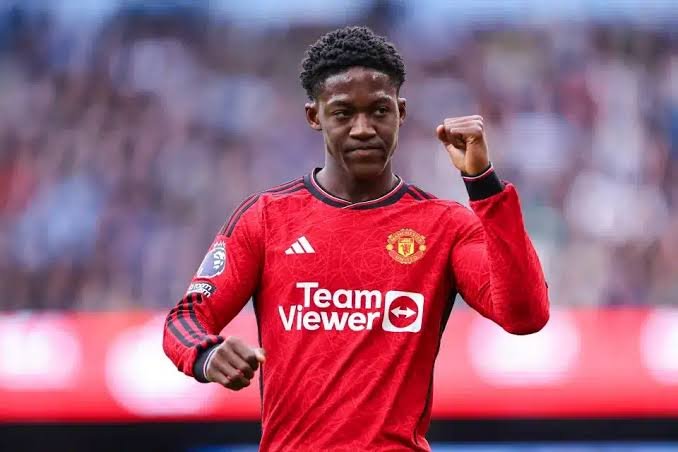
Mainoo can also operate in different midfield roles. He has played as a deeper midfielder and as a more advanced No.8. That flexibility should give Manchester United options when their tactical approach changes from one opponent to another. However, the next stage of his development requires greater consistency.
Mainoo needs to influence matches for longer periods rather than relying on individual moments. He can carry possession effectively, but he must also improve his influence in the final third and become more decisive when Manchester United control possession. His work without the ball will also remain important. A modern Premier League midfield cannot depend only on technical quality. Players must understand when to press, when to protect the centre and when to track runners.
Mainoo has already shown that he can perform those responsibilities, but the 2026/27 season should give him the chance to develop them further. His experience also gives him an advantage over many players in his age group. He has already played in an FA Cup final, scored in Manchester United’s 2024 final victory over Manchester City and represented England in the Euro 2024 final. Therefore, Mainoo is not simply a promising academy graduate anymore. He is entering the next stage of his career as an established senior player with significant expectations. If Carrick continues to trust him and gives him a defined role, Mainoo could become one of the most important Next-Gen Midfielders in the Premier League.
3. João Neves: PSG’s relentless midfielder already looks like an elite player
João Neves is slightly different from the other names on this list because he has already achieved a great deal at club level. The Portuguese midfielder does not need a dramatic breakthrough to prove his quality. Instead, the 2026/27 season is about establishing himself among Europe’s elite midfielders. His game is built around intensity, technical security and intelligent movement. Neves is comfortable receiving the ball in congested areas, and he rarely needs several touches to move possession forward. That makes him particularly useful against teams that press aggressively.
His passing is also progressive. Rather than simply recycling possession, Neves looks for opportunities to move the ball into more advanced areas. That ability helps PSG maintain their attacking rhythm while also avoiding unnecessary risks. His energy makes him equally valuable without the ball. Neves can press opponents immediately after PSG lose possession. He also covers ground quickly when his teammates move forward, which helps protect the team against counter-attacks.
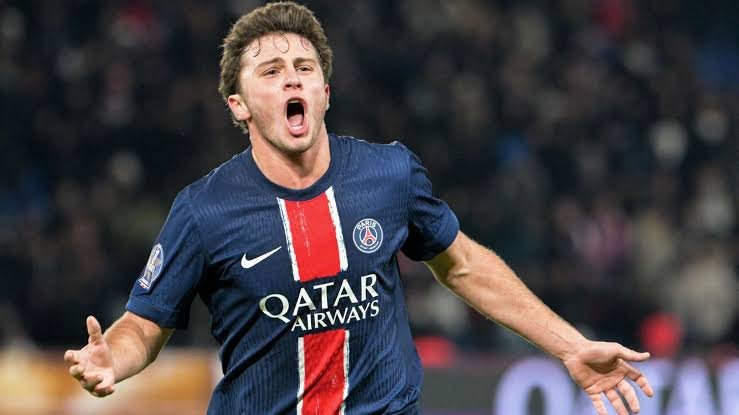
That combination makes him an ideal midfielder for Luis Enrique’s football. PSG demand technical quality from their midfielders, but they also require players who can understand space and react quickly when possession changes. Neves fits those demands naturally. His development alongside other technically gifted midfielders also makes PSG an excellent environment for him. Playing within a midfield that values movement and possession gives him the opportunity to develop his attacking game without losing the defensive qualities that already make him valuable.
The next step is therefore quite clear. Neves needs to add more consistent goal contributions. He does not need to become a traditional attacking midfielder. Instead, he needs to arrive in dangerous areas more often and turn his excellent build-up play into more goals and assists. That improvement could change the way people view him. At present, Neves is widely recognised as one of Europe’s best young midfielders. If he adds greater attacking output to his existing passing, pressing and defensive qualities, he could become one of the most complete midfielders in the game.
That is why João Neves belongs among the leading Next-Gen Midfielders to watch in 2026/27.
4. Warren Zaïre-Emery: PSG’s all-round midfielder still has another level to reach
Warren Zaïre-Emery provides another example of how quickly elite young midfielders can develop. The France international has been playing senior football for Paris Saint-Germain since his teenage years. As a result, he has already experienced the demands of competing for major domestic and European trophies.
His profile is particularly interesting because he combines technical ability with physical strength. Zaïre-Emery can carry the ball over distance, compete for possession and cover large areas of the pitch. At the same time, he has the passing ability needed to operate within a possession-based team. That versatility gives PSG an important tactical advantage.
He can play as a central midfielder, contribute further forward or perform a deeper role when the structure demands it. He has also shown enough defensive flexibility to operate in other positions when required. His 2025/26 statistics demonstrate how much responsibility he already carries.
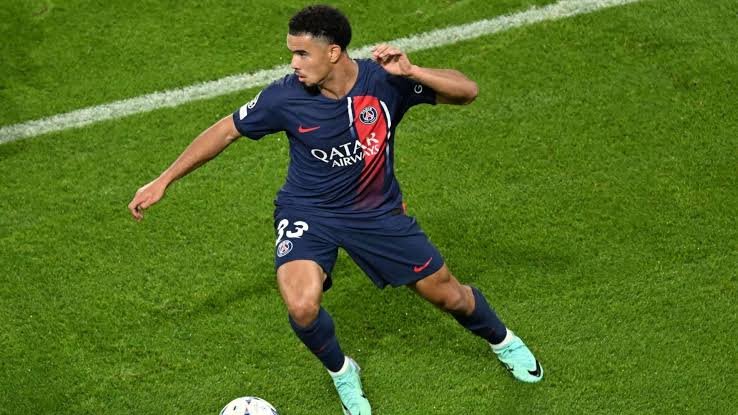
Zaïre-Emery played 32 Ligue 1 matches and accumulated 2,447 minutes. He added 17 Champions League appearances and another 1,339 minutes in Europe’s leading club competition. Across those Champions League matches, he recorded one assist. Those numbers are significant for a player who remains so young. Regular minutes against elite opposition are one of the most important parts of a young midfielder’s development. Zaïre-Emery has already gained that experience.
His next challenge is to become more influential in the final third. The Frenchman has the physical and technical qualities to make late runs into the penalty area. He can also carry possession into advanced positions. More goals and assists would therefore add another dimension to his game. At the same time, PSG will want to preserve the qualities that already make him valuable.
His work rate, tactical discipline and ability to cover ground are central to his profile. The 2026/27 season could therefore become a defining campaign. Zaïre-Emery no longer needs to prove that he belongs at PSG. Instead, he needs to show that he can become one of the players who controls matches for the European champions. That makes him one of the most compelling Next-Gen Midfielders in world football.
5. Samuele Inácio: Borussia Dortmund’s young playmaker has a clear path to more minutes
Samuele Inácio may be the least established player on this list, but his recent rise makes him one of the most interesting young midfielders to follow. The Italian arrived at Borussia Dortmund from Atalanta’s youth system in 2024. His breakthrough came towards the end of the 2025/26 campaign, when he began receiving regular opportunities under Niko Kovač.
Inácio finished the season with seven senior appearances, including four starts, according to the Bundesliga’s assessment of Dortmund’s young players. He scored his first senior goal against Eintracht Frankfurt and impressed with his creativity and energy. His style also makes him particularly suited to the modern attacking midfielder role. Inácio is comfortable operating behind the striker, where he can receive between the lines and attack defenders. He combines movement with technical quality, which makes him difficult to control when he finds space around the penalty area.
However, his contribution does not disappear when Dortmund lose possession. Kovač has specifically praised his willingness to work hard without the ball. That is an important detail because young attacking midfielders often need to improve their defensive discipline before becoming regular starters. Inácio appears to understand that requirement.
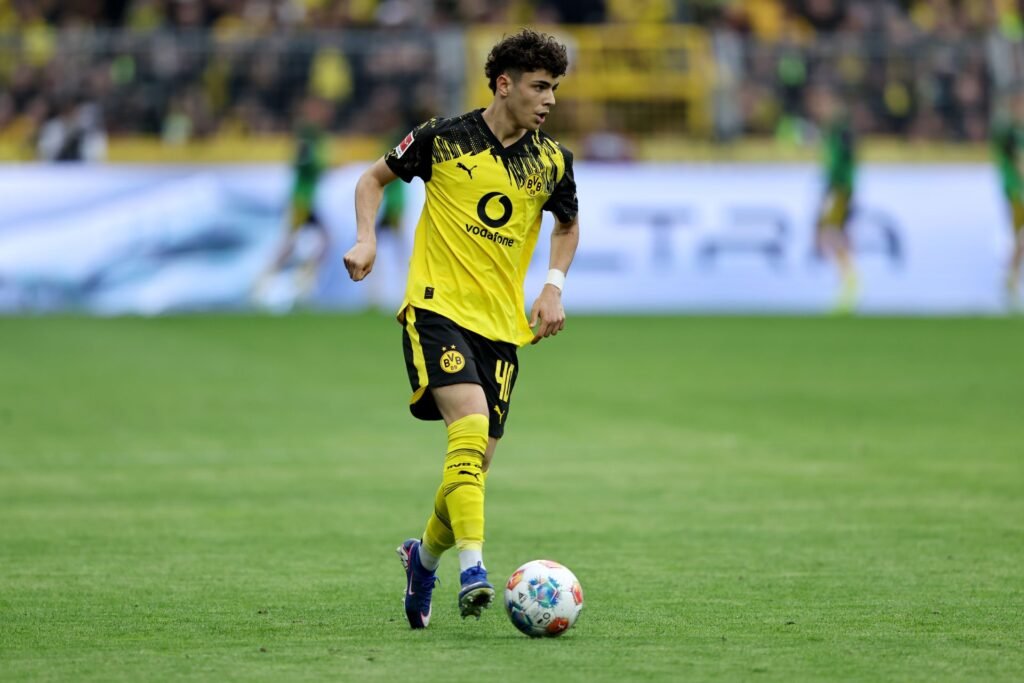
His performances were strong enough for Kovač to compare his potential with former Dortmund midfielder Julian Brandt. The Dortmund manager suggested that Inácio could eventually become a replacement for Brandt, although the comparison remains an indication of potential rather than a direct prediction.That distinction is important. Inácio has only just begun his senior career. He needs regular minutes before anyone can judge whether he can maintain his performances over an entire Bundesliga season.
Nevertheless, Dortmund have a strong history of developing young talent. The club has previously provided pathways to senior football for players such as Jadon Sancho, Erling Haaland and Jude Bellingham. Inácio now has an opportunity to follow another generation of young players who made their names at Signal Iduna Park. His timing is also encouraging.
Dortmund’s 2026/27 squad could provide more opportunities for attacking players, while Inácio has already shown Kovač that he can contribute at senior level. If he continues to develop physically and improves his decision-making in the final third, he could become one of the Bundesliga’s breakout players. For that reason, Inácio completes this list of Next-Gen Midfielders.
Why these Next-Gen Midfielders could dominate the 2026/27 season
The five players have different strengths, but they share one important characteristic: each can influence a match in more than one way. Güler provides creativity and final-third quality. Mainoo offers composure and ball carrying. Neves combines pressing with progressive passing, while Zaïre-Emery provides physical power, defensive work and tactical flexibility.
Inácio, meanwhile, represents the younger end of the group and could develop rapidly if Dortmund give him consistent senior minutes. That variety reflects the changing role of midfielders. The modern playmaker is no longer simply a player who waits for possession and attempts the final pass. Instead, elite midfielders must help their team progress the ball, escape pressure, recover possession and create advantages.
That is why young midfielders with technical quality are receiving opportunities earlier than before. The Bundesliga’s own list of potential 2026/27 breakout stars demonstrates the trend. Kennet Eichhorn, Samuele Inácio, Wisdom Mike and Noah Darvich are among the young players identified as potential breakthrough candidates for the new campaign. Eichhorn is particularly relevant because he has already made history at a young age.
The 16-year-old became Bundesliga 2’s youngest-ever debutant in August 2025 before becoming the competition’s youngest goalscorer later in the season. He subsequently joined Bayer Leverkusen on a long-term deal. His progress shows that the next generation extends well beyond established names. That is important for supporters looking ahead to the future. The 2026/27 season may produce several new stars who are not yet household names. Some could make only a handful of appearances, while others may become regular starters before the campaign reaches its conclusion.
Which young midfielder is most likely to explode?
There is no single answer because the five players are at different stages of development. Güler probably has the strongest opportunity to produce impressive attacking numbers because his technical ability and creativity already translate into goals and assists.
Mainoo has a different challenge. His priority is to establish himself as a consistent Manchester United starter and demonstrate that he can control games over longer periods. Neves and Zaïre-Emery are already further along. Their next step is not simply breaking into their teams, but becoming central figures in PSG’s pursuit of major trophies.
Inácio represents the biggest potential surprise. He has only recently entered Dortmund’s first-team picture, but his late-season performances have already created genuine excitement around his future. Therefore, the most important factor for all five players will be opportunity.
Young talent needs regular football. It also needs a clear tactical role, strong coaching and enough responsibility to make decisions on the pitch. When those conditions exist, development can accelerate quickly.
Final verdict on the Next-Gen Midfielders to watch
The 2026/27 season could become an important chapter in the development of Europe’s young midfielders. Arda Güler has already demonstrated that he can perform on the Champions League stage. Kobbie Mainoo has secured his long-term Manchester United future and now has a chance to become a central figure under Michael Carrick.
João Neves and Warren Zaïre-Emery are already important players at PSG, but both have the potential to move into another category during the new campaign. Samuele Inácio is the wildcard. His senior experience remains limited, yet his performances at the end of 2025/26 have given Borussia Dortmund another exciting young attacking option.
Beyond these five names, players such as Kennet Eichhorn, Noah Darvich and other emerging talents show how deep the next generation has become. The Bundesliga’s 2026/27 young-player watchlist provides further evidence of that growing talent pool. The key point is that these players are not all chasing the same destination. Some are trying to become regular starters. Others are attempting to establish themselves among Europe’s elite. A few are still fighting for their first extended run of senior football.
However, they all represent the same broader trend. Football is entering another era in which young midfielders are being trusted with increasingly important responsibilities. For supporters, that makes the 2026/27 season particularly exciting.
The next generation is already knocking on the door, and these five Next-Gen Midfielders could be among the young playmakers who make the biggest noise when the new campaign unfolds.